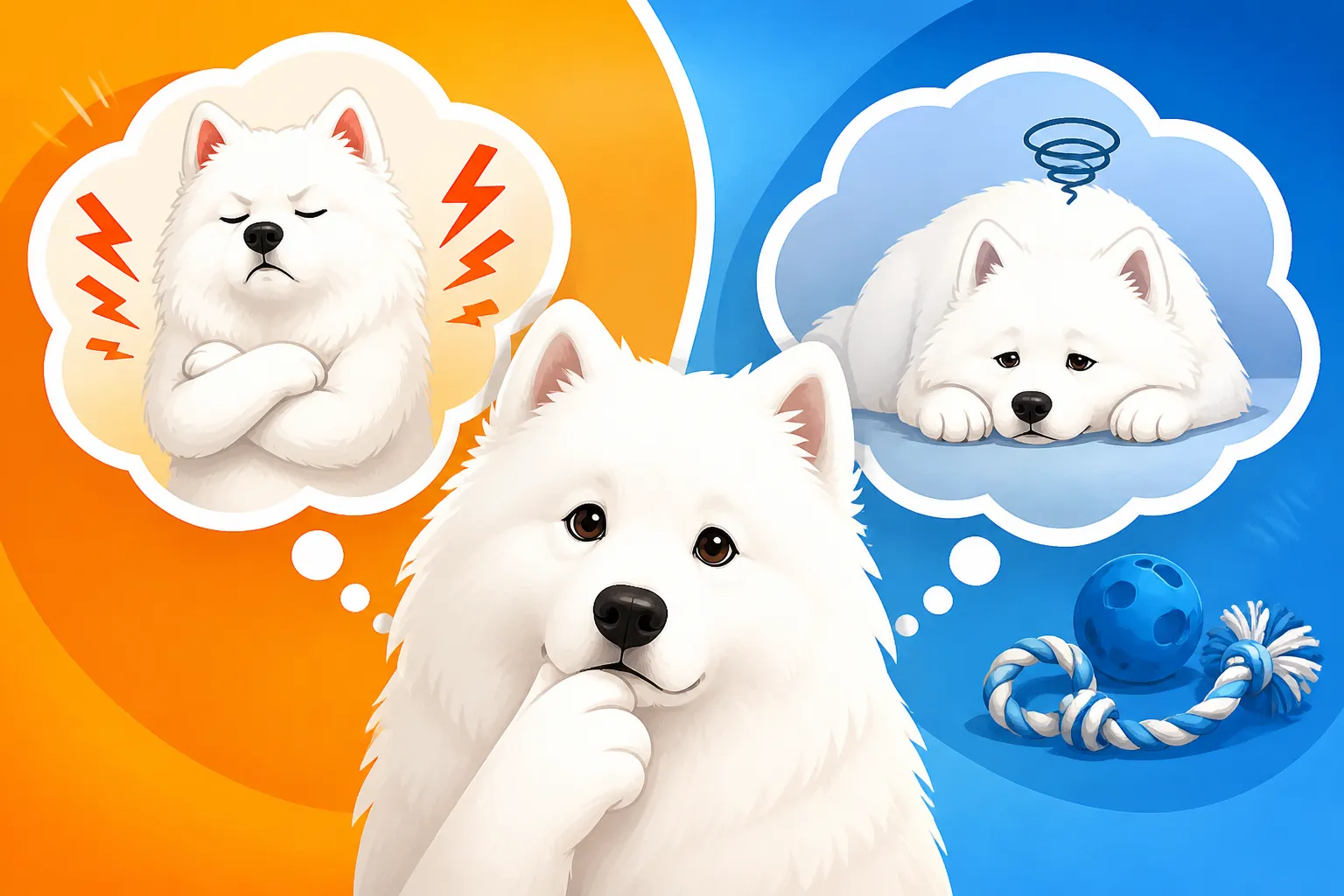
Whether a Samoyed Is Stubborn or Bored
It’s a tale as old as time for Samoyed owners: you’re trying to get your beautiful fluffy companion to do something, anything, and they just stare at you with that trademark Samoyed smile, utterly unmoving. Or perhaps they’re tearing up the sofa when you step out. It’s easy to throw your hands up and label them "stubborn," but often, what looks like defiance is actually a cry for engagement. This guide will help you decipher whether your Samoyed is genuinely being stubborn or simply bored out of their magnificent mind.
Understanding the Samoyed Mindset: It's Not Always What You Think
Samoyeds are intelligent, independent, and notoriously clever. They weren't bred to be servile, obedient machines; they were working dogs in the harshest environments, making decisions alongside their human partners. This heritage profoundly shapes their modern behavior, and understanding it is the first step toward a harmonious relationship.
A Breed Bred for Independence, Not Strict Obedience
Think about the Samoyed's historical role with the Nenets people. They herded reindeer, pulled sleds, and even slept in the tents, offering warmth and companionship. These weren't dogs waiting for a precise command for every single action. They needed to think on their paws, assess situations, and often act independently to protect the herd or navigate treacherous terrain. This intrinsic independence means they aren't always going to jump at your every beck and call with unthinking enthusiasm. They process information, and then they decide if your request aligns with their current agenda. This isn't disrespect; it's deep-seated breed characteristic.
It’s a crucial distinction from breeds developed for, say, military work or competitive obedience, where instant, unquestioning compliance is paramount. A Samoyed evaluates. If a command seems pointless, or if there's a more interesting scent, person, or squirrel within their immediate purview, their independent nature kicks in. Many owners can recount times their Samoyed acted as if they'd never heard a familiar command before, simply because something more stimulating had captured their attention. This isn't a failure on your part, but rather a testament to their heritage.
The "What's In It For Me?" Mentality
This goes hand-in-hand with their independence. Samoyeds are incredibly smart, and they quickly learn to associate actions with outcomes. If a command doesn't consistently lead to something they value – whether that's a high-value treat, a favorite toy, or genuine enthusiastic praise – they'll often decide it's not worth their effort. This isn't being stubborn in a malicious way; it’s being incredibly pragmatic. Why exert energy for nothing when there's a perfectly good patch of sun to nap in, or a fascinating bird flying by?
You might find yourself wondering What a Samoyed Will Work For, and the answer is usually: whatever they deem most rewarding in that moment. They're not looking to please you in the same way some other breeds are; they're looking to please themselves. This is why finding the right motivators is absolutely critical for successful Samoyed training. It’s not about bribing them, but about creating an incentive structure where doing what you ask is consistently the most appealing option available.
Signs Your Samoyed is Bored, Not Being Difficult
Many behaviors that owners interpret as stubbornness are actually clear indicators that a Samoyed isn't getting enough mental or physical stimulation. These are intelligent, active dogs, and a lack of appropriate outlets will manifest in disruptive ways.
Destructive Chewing and Digging
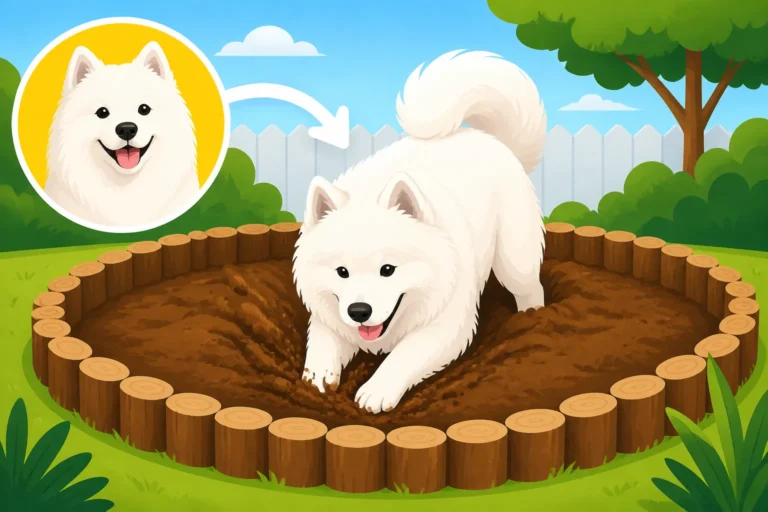
If you come home to a shredded cushion or discover new craters in your backyard, your first thought might be frustration. But for a Samoyed, this is often a direct symptom of under-stimulation. Chewing is a natural, stress-relieving activity for dogs, and if they don't have appropriate things to chew on or enough mental engagement, they'll create their own "toys" out of your furniture. Similarly, digging is a deep-seated instinct for many northern breeds. They might be digging to create a cool spot in the summer heat, or simply because they have excess energy and no other outlet. It's often linked to The Digging a Samoyed Does Because It Is Hot or a sheer excess of unspent mental energy.
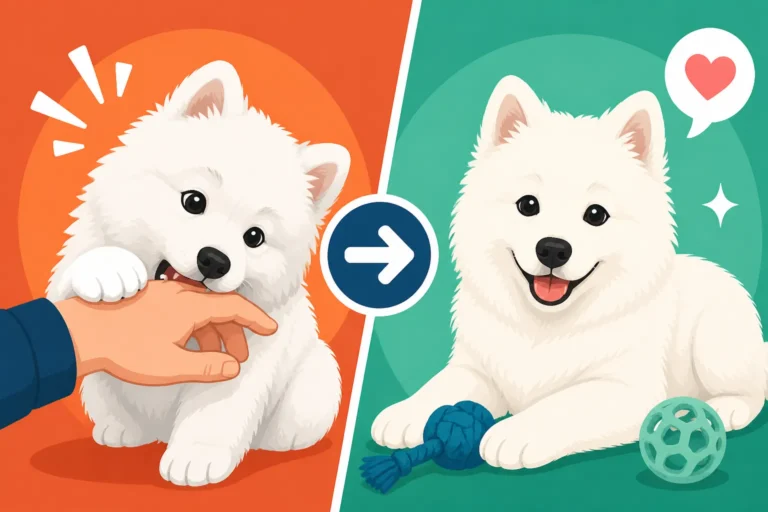
Leaving a Samoyed alone for long periods without adequate exercise or mental puzzles is like leaving a toddler in a room with a marker and white walls – you're practically inviting chaos. Durable chew toys, puzzle feeders, or even frozen Kongs filled with safe treats can redirect this instinct. If they're regularly destroying things, it's a desperate plea for more engagement, not a personal attack on your belongings.
Excessive Vocalization and "Talking Back"
Samoyeds are renowned for their wide range of vocalizations beyond just barking. They "talk," they "scream," they howl, they whine, and they grumble. If your Samoyed is constantly vocalizing, particularly when you're busy or when left alone, it's often a sign they're bored and trying to get your attention. It's their way of saying, "Hey! I'm here! Do something with me!" You might hear it as What a Samoyed Sounds Like When It Talks or even Why a Samoyed Talks Back When Told Off.
While some vocalization is just typical Samoyed charm, excessive or incessant noise can indicate a dog that isn't sufficiently stimulated. A bored Samoyed might stand in the middle of the room and let out long, drawn-out groans, or follow you from room to room with a running commentary. It’s not that they’re being defiant; they’re trying every trick in their book to coax you into interaction, whether it's playtime, a walk, or just a good old head scratch.
Pacing, Restlessness, and Attention-Seeking
A Samoyed that paces aimlessly, nudges your hand constantly, or brings you toys over and over again might not be "annoying" you on purpose. These behaviors often stem from pent-up energy, both physical and mental. They're restless because their brains aren't being challenged and their bodies aren't getting enough movement. This can manifest as relentless tail-wagging and following you everywhere, or even trying to herd family members, particularly children, because their herding instincts aren't being fulfilled through appropriate activities.
This constant seeking of attention, whether through a soft nudge or a more insistent pawing, is a clear signal that your Samoyed needs a job. They want to be involved, to solve a puzzle, to have a purpose. If they're not given constructive ways to expend this energy, they'll invent their own, which might not align with your idea of a peaceful household. Consider it their internal engine running on high, desperate for a gear to engage.
The Difference Between Boredom and True Stubbornness
While many "stubborn" behaviors are rooted in boredom, there are instances where a Samoyed's inherent independence and intelligence truly shine through as what we perceive as stubbornness. It’s important to differentiate these to address the behavior effectively.
When a Samoyed Knows a Cue But Refuses It
This is where the line between boredom and stubbornness can feel blurry, but there's a key distinction. A bored Samoyed might be too distracted by the stimulating environment to focus on your cue, or they might simply be unmotivated because the reward isn't appealing enough. True stubbornness, in the Samoyed context, often looks like a deliberate choice to ignore a known command, not because they don't understand it, but because they simply don't want to do it right now. This is usually when the "What's In It For Me?" calculation comes into play, and the answer, in their mind, is "not enough."
For example, you've trained a solid "come" (recall) indoors with high-value treats. But at the dog park, when your Samoyed is mid-sniff of an incredibly interesting bush or playing with another dog, they might look at you, perhaps even wag their tail, and then deliberately turn their head back to their current activity. They know "come." They just prefer what they're doing. This is Why a Samoyed Ignores a Cue It Knows and often requires re-evaluating your motivational strategy. They’re not being obtuse; they’re making a cost-benefit analysis.
The Power of Reinforcement History
A Samoyed's perceived stubbornness is often a direct result of their reinforcement history. If they have learned, through past experiences, that ignoring a cue sometimes works (e.g., you eventually give up, or they get to continue their preferred activity), then they will continue to try it. They are smart enough to test boundaries and push for what they want. If a command isn't consistently enforced with positive, high-value reinforcement, it loses its power.
Think of it like this: if you asked a human child to clean their room, and sometimes they did it for a treat, and sometimes they didn't but still got to play video games, what would they choose? Samoyeds operate similarly. If there's no immediate, compelling reason to comply, and they've learned that non-compliance doesn't always have consequences (or at least, not ones they care about), they will absolutely opt for the path of least resistance or greatest personal reward. This is why consistency in training is paramount, not just in what you ask, but in how you reward and reinforce.
Addressing Boredom: Enriching Your Samoyed's Life
If you suspect boredom is at the root of your Samoyed's "stubborn" behavior, the good news is that there are many proactive steps you can take to enrich their daily life. These aren't just fixes; they're essential elements of Samoyed care.
Mental Stimulation: Beyond Physical Exercise
While physical exercise is crucial, many Samoyed owners underestimate the need for mental workouts. These dogs need to use their brains! Structured play, puzzle toys, and nose work can be incredibly tiring and satisfying for them. Think about incorporating activities like:
- Puzzle Feeders: Instead of just putting their food in a bowl, use puzzle feeders or snuffle mats that require them to work for their meal. Brands like Kong or other interactive feeders found on Amazon can turn mealtime into a mental challenge.
- Scent Games: Hide treats around the house or yard and encourage your Samoyed to use their nose to find them. This taps into their natural instincts and is mentally exhausting.
- New Tricks and Commands: Continuously teach new tricks, even silly ones. This keeps their brain engaged and strengthens your bond. Even five to ten minutes a day of learning new things can make a huge difference.
Remember, a tired mind is often as effective as a tired body in curbing unwanted behaviors. Just like we get restless doing repetitive, unchallenging tasks, a Samoyed thrives on variety and problem-solving.
Physical Exercise: More Than Just a Walk
Samoyeds are athletic, high-energy dogs. A quick walk around the block twice a day simply isn't enough for most of them. They need vigorous exercise that allows them to run, explore, and use their powerful bodies. Consider activities like:
- Longer, More Varied Walks: Explore new parks, trails, or even dog-friendly stores. New sights, sounds, and smells provide valuable mental and physical stimulation.
- Canicross or Bikejoring: If you're an active person, consider activities where your Samoyed can use their pulling instincts safely. Whether a Samoyed Suits Bikejoring or Whether a Samoyed Enjoys Skijoring can offer fantastic outlets for their energy.
- Dog Parks (with caution): If your Samoyed is well-socialized and enjoys other dogs, a supervised trip to a dog park can provide a great outlet for play. However, always ensure the environment is safe and positive.
- Fetch and Play Sessions: Dedicated playtime in a securely fenced yard where they can run full tilt is invaluable. Ensure you're actively engaging with them, not just letting them out.
An adequately exercised Samoyed is generally a calmer, more agreeable Samoyed. Many owners underestimate How Much Exercise a Samoyed Needs, leading to a build-up of unspent energy that often manifests as destructive behavior or relentless attention-seeking.
Training for Engagement, Not Just Compliance
Training a Samoyed should be an ongoing conversation, not a series of demands. Focus on making training sessions fun, rewarding, and collaborative.
- Short, Frequent Sessions: Samoyeds can get bored easily with repetitive drilling. Keep training sessions brief (5-10 minutes), positive, and mix them up to maintain their interest. Whether a Samoyed Gets Bored of Drilling is a real concern.
- Positive Reinforcement: Always reward desired behaviors generously with high-value treats, toys, or praise. Make it clear that doing what you ask leads to good things.
- Proofing and Generalization: Practice commands in different environments with varying distractions. A Samoyed might know "sit" in your living room, but can they do it at a bustling park? This adds a mental challenge and makes the training more robust.
- Online Resources: Programs like BAXTER & Bella offer online puppy and dog training that can be done at your own pace, providing structured lessons and support for engagement-focused training. These resources can be a lifesaver for owners looking to build a strong foundation.
By approaching training as a way to engage their intelligent minds, you'll find your Samoyed more responsive and less likely to fall back on what appears to be stubborn behavior. It's about building a partnership, not dictating orders.
Dealing with Perceived Stubbornness: Rethinking Your Approach
When it really does seem like your Samoyed is choosing to ignore you, it's time to re-evaluate your communication and training strategies. Remember, they're not doing it to be mean; they're simply being Samoyeds.
Positive Reinforcement: Making It Worth Their While
This cannot be overstated. For a Samoyed, the reward has to be consistently better than whatever else they might be interested in. If you're using dry kibble for a "come" command in a distracting environment, you're setting yourself up for failure.
- High-Value Rewards: Experiment to find what truly motivates your Samoyed. This might be small pieces of cooked chicken, cheese, hot dogs, or a favorite squeaky toy.
- Variable Rewards: Don't reward every single time for every single command once the behavior is learned. Instead, use a variable reinforcement schedule – sometimes they get a jackpot, sometimes a small treat, sometimes just praise. This keeps them guessing and highly motivated, much like a slot machine. They know eventually they'll hit the jackpot, so they keep trying.
- Enthusiasm is Key: Your energy is contagious. If you make training exciting and fun, your Samoyed is more likely to engage. Celebrate their successes with genuine joy.
The goal is to make complying with your requests the most appealing option in any situation. This often means What Actually Motivates a Samoyed is a moving target, requiring you to be flexible and creative with your rewards.
Consistency and Patience: The Samoyed Way
Samoyeds thrive on routine and clear expectations, even if they sometimes push the boundaries. Inconsistency from you will only reinforce their "stubborn" tendencies.
- Everyone on Board: If multiple people interact with your Samoyed, everyone needs to use the same commands, hand signals, and reward system. A Samoyed will quickly learn who they can get away with things with.
- Follow Through: If you give a command, make sure your Samoyed eventually complies, even if it takes gentle guidance or waiting them out. Giving up only teaches them that ignoring you is an option.
- Manage the Environment: Especially in the early stages of training, set your Samoyed up for success. Start in low-distraction environments and gradually introduce more challenges as they master a behavior. Don't ask for a perfect recall off-leash at a busy park if you haven't proofed it extensively.
Patience is a virtue when owning a Samoyed. They might not be the fastest learners for obedience, but once they learn something thoroughly and are consistently motivated, they are incredibly reliable. Just don't expect instant gratification; it's a marathon, not a sprint, with these clever fluffballs.
Seeking Professional Guidance
If you're truly struggling and feeling overwhelmed, don't hesitate to reach out to a professional dog trainer or behaviorist who has experience with northern breeds. They can provide invaluable insight and tailor a plan specifically for your Samoyed.
- Group Classes: A good obedience class can provide structure, an opportunity for socialization, and expert guidance. It also helps your Samoyed learn to focus amidst distractions.
- One-on-One Training: For specific behavioral issues or if your Samoyed struggles in a group setting, individual training can be highly effective. A trainer can observe your interactions and offer personalized advice.
- Behavioral Consultations: If the issues are severe or seem to stem from deeper anxiety or fear, a certified professional behaviorist can help diagnose and create a modification plan.
Sometimes, an outside perspective is exactly what you need to break through a communication barrier with your Samoyed. It’s not a sign of failure, but rather a commitment to helping your dog thrive.
Preventing Future Boredom and Frustration
The best way to handle "stubborn" or bored Samoyed behavior is to prevent it from happening in the first place. This means proactively meeting their needs and understanding their unique breed characteristics.
Establishing a Routine with Variety
Samoyeds often do well with a predictable daily routine, but that routine also needs to incorporate variety to keep things interesting. A consistent schedule for meals, potty breaks, and major exercise sessions helps them feel secure and know what to expect. However, within that structure, mix up your activities:
- Vary Walk Routes: Don't walk the same path every day. Explore different neighborhoods, local trails, or even new parks. The novel scents and sights are incredibly enriching.
- Rotate Toys: Keep a stash of toys and rotate them every few days or weeks. This keeps them "new" and exciting, preventing toy boredom.
- Incorporate Different Activities: Don't just stick to walks. Try a game of fetch, some tug, a puzzle toy session, or a quick training burst. Variety is truly the spice of life for a Samoyed.
A varied routine ensures your Samoyed's days aren't monotonous, making them less likely to invent their own, often destructive, entertainment. This constant mental engagement is key to keeping their clever minds satisfied.
Socialization and Play Opportunities
Samoyeds are generally friendly and social dogs, and interaction with other well-behaved dogs and people is vital for their mental well-being. Isolation can lead to boredom and a host of behavioral problems.
- Dog Playdates: Arrange play sessions with trusted dog friends in a secure environment. This allows them to burn energy and practice appropriate social skills.
- Supervised Dog Parks: As mentioned, if suitable, dog parks can be a great outlet. Always supervise closely and be ready to intervene if play becomes too rough or overwhelming.
- Family Outings: Include your Samoyed in family activities whenever possible. They thrive on being part of the pack, whether it's a hike, a trip to a pet-friendly patio, or just hanging out in the living room.
Remember, Samoyeds are social creatures. Being with their humans and other dogs is often How a Samoyed Bonds to One Person or an entire family. Depriving them of this interaction is a recipe for boredom and frustration.
Understanding Their Breed-Specific Needs
Ultimately, preventing "stubborn" or bored behavior comes down to a deep understanding and respect for the Samoyed breed. They are not golden retrievers or border collies; they have unique needs and a distinctive personality.
- Acknowledge Their Independence: Don't expect unquestioning obedience. Work with their independent spirit, making them feel like partners in training rather than subordinates.
- Embrace Their Vocalizations: Accept that Samoyeds are talkers. While you can train a "quiet" cue, you'll never silence them completely. Learn to appreciate their conversations, which are often a sign of their engaging personalities.
- Commit to Exercise and Mental Work: These aren't couch potatoes. They need consistent, challenging outlets for their energy and intelligence. The Job a Samoyed Actually Needs is more than just looking pretty; it's about engaging their minds and bodies daily.
- Prepare for Their Coat: Their magnificent double coat requires significant grooming and management, especially during coat blows. This isn't directly related to behavior, but neglect can lead to discomfort, which can indirectly affect mood.
By truly understanding and embracing the Samoyed for who they are – intelligent, independent, vocal, and utterly charming – you can build a strong, respectful relationship where "stubbornness" becomes less about defiance and more about a delightful, if sometimes challenging, partnership.
| Behavior Trait | Common Signs | Underlying Cause Often Is… |
|---|---|---|
| Boredom | Destructive chewing (furniture, shoes) | Lack of mental/physical outlet |
| Digging holes in the yard | Excess energy, seeking stimulation | |
| Excessive vocalization, whining, barking | Attention-seeking, unspent energy | |
| Pacing, restlessness, inability to settle | Unfulfilled exercise needs | |
| Nudging, pawing, constant attention-seeking | Craving interaction and a "job" | |
| Playing "too rough" with other dogs or people | Over-arousal, lack of proper training | |
| Stubbornness | Deliberately ignoring a known command | Lack of sufficient motivation/reward |
| Looking at you, then turning away from a cue | Deciding current activity is more valuable | |
| Testing boundaries consistently | Inconsistent enforcement of rules | |
| Performing tasks only when a specific, high-value reward is present | Pragmatism, "what's in it for me?" | |
| Slow or delayed response to familiar cues | Low perceived value of task or reward |
Disclaimer
This article is for general informational purposes only and does not constitute professional advice. Laws, prices and regulations vary by location and change over time. Consult a qualified professional for guidance on your specific situation.