Whether a Second Dog Makes a Samoyed Louder
If you're already a proud Samoyed parent, you know the joyous chaos that comes with their incredible vocalizations. From the happiest "Woo-woo" to the most dramatic "Scream," our floofy friends certainly aren't shy about expressing themselves. So, when the thought crosses your mind about adding another Samoyed, or any dog for that matter, one of the biggest questions is: will a second dog make your already talkative Samoyed even louder? It's a valid concern, and this guide is here to help you navigate the potential changes in household noise levels when you welcome a new canine companion.
Understanding the Samoyed's Vocal Nature First
Before we even begin to ponder the impact of a second dog, it's crucial to really grasp why Samoyeds are such vocal creatures in the first place. They aren't just barking for the sake of it; there's a rich history and a complex emotional landscape behind their varied sounds.
Our beautiful Samoyeds come from a lineage of working dogs, bred by the Nenets people in Siberia. They were partners in herding reindeer, pulling sleds, and, crucially, sleeping in the tents with their human families. This close relationship meant they needed to communicate effectively, not just with each other in the pack, but directly with their people. This isn't a breed designed for silent observation; they are built for interaction and expression. This inherent trait is why you'll hear them "talking" to you, expressing joy, concern, or even just asking for attention. It's not always a bark; it's often a unique blend of howls, grumbles, chuffs, and that infamous Samoyed scream. Understanding this deep-seated trait helps us approach their vocalizations with empathy rather than just frustration. If you've ever wondered What a Samoyed Sounds Like When It Talks, you know it's a symphony of unique sounds.
The triggers for a Samoyed's vocalizations are as varied as their sounds. Boredom is a huge one. A Samoyed with pent-up energy or a lack of mental stimulation will often find an outlet in noise. Think of it as their way of saying, "Hey, I'm bored over here! Let's do something!" Excitement is another major catalyst. The doorbell ringing, a squirrel darting across the yard, or your arrival home after a long day can send a Samoyed into a flurry of happy barks and celebratory 'woo-woos'. Sometimes, it's a cry for attention, a demand for play, or even a protest when they don't get their way. These aren't malicious behaviors; they are simply how your Samoyed communicates its needs and feelings. The more you understand these root causes, the better equipped you'll be to manage them, whether you have one dog or two. It's often a challenge to teach a Teaching a Samoyed a Quiet Cue when they're so naturally inclined to express themselves.
The Dynamics of Adding a Second Dog: Amplifying or Appeasing?
This is the million-dollar question for many Samoyed owners. Will a second dog turn your home into a perpetual echo chamber of happy barks and dramatic screams, or will it bring a sense of calm and companionship that actually reduces noise? The answer, unfortunately, isn't a simple yes or no; it largely depends on a multitude of factors, including the personalities of both dogs, how they are introduced, and your ongoing training efforts.
The Potential for the "Echo Chamber" Effect
Let's start with the scenario that often worries prospective multi-dog owners: the increased volume. It's not uncommon for adding a second dog to lead to an amplification of vocalizations. Here's why:
- Mimicry and Learned Behavior: Dogs, especially intelligent breeds like Samoyeds, are excellent at learning from each other. If your existing Samoyed barks at the mail carrier, the new dog might quickly pick up on this habit and join in. Suddenly, instead of one bark, you have a chorus. This isn't always a bad thing if the vocalization is appropriate, but it can quickly get out of hand if triggers are frequent. I've heard stories of a single Samoyed who rarely barked, but after a second, more vocal Samoyed joined the household, the first one suddenly discovered his voice with gusto! It's an undeniable truth that How Loud a Samoyed Gets can be dramatically impacted by another dog.
- Excitement Amplification: Events that might have triggered a moderate level of excitement in one dog can become a full-blown party with two. The doorbell, visitors, or even the crinkle of a treat bag can escalate into a much louder display when both dogs feed off each other's energy. One dog might start, and the other immediately joins in, creating a louder, more sustained burst of noise. Think about what happens when How a Samoyed Reacts to the Doorbell with one dog versus two. The excitement can definitely multiply.
- Competition for Attention: Sometimes, vocalizations can become a way to compete for your attention. If both dogs want pets, treats, or playtime, they might try to out-vocalize each other to get your focus. This isn't necessarily aggressive, but it can certainly be noisy. This scenario often happens in the initial stages as dogs are figuring out their roles in the new family dynamic.
When a Second Dog Might Not Make Things Louder (Or Even Quieter)
While the "echo chamber" effect is a real possibility, it's not the only outcome. There are many instances where a second dog can actually bring a sense of calm or divert vocal energy into more positive outlets.
- Alleviating Loneliness and Separation Anxiety: Many Samoyeds, with their strong desire to be part of the family, can suffer from separation anxiety when left alone. This often manifests as excessive barking, howling, or destructive behavior. For these dogs, a companion can be a godsend. Having another dog to interact with can significantly reduce feelings of loneliness and anxiety, leading to a quieter household when you're not home. The solace of canine companionship can often reduce The Noise a Samoyed Makes When Left Alone from distress to contentment. If you're concerned about Whether a Samoyed Can Be Left Alone for extended periods, a second dog might actually be a solution for some.
- Providing a Positive Outlet for Energy: Two dogs can play together, chase each other in the yard, and engage in wrestling matches that burn off excess energy. This physical and mental stimulation might mean they're less inclined to bark out of boredom or frustration. Instead of barking at shadows, they might be happily exhausted from a play session. A well-matched playmate can be an incredible resource for a high-energy Samoyed. They can even teach each other acceptable play behaviors and boundaries, as long as supervision is consistent.
- A Calming Influence: The temperament of the second dog is crucial here. If you introduce a calm, quiet, and well-adjusted dog, it might actually have a positive, quieting effect on your existing Samoyed. A dog that doesn't react to every leaf blowing by might model a more relaxed demeanor for your vocal Samoyed. This isn't a guarantee, of course, but it's a delightful outcome when it happens.
Ultimately, whether your household becomes louder or quieter with a second dog is a gamble, but one you can significantly influence with careful planning and consistent effort.
Proactive Steps to Manage Vocalization in a Multi-Samoyed Household
So, you've decided to take the plunge and bring another furry friend into your Samoyed's life. Now what? The good news is that you're not powerless in the face of potential noise. There are many strategies you can employ to minimize vocalizations and foster a harmonious, relatively quiet, multi-dog home.
Strategic Dog Selection
This is perhaps the single most important factor. Don't just pick any dog; consider what kind of companion would best suit your current Samoyed and your household's noise tolerance.
- Temperament is Key: Look for a dog with a calm, confident, and perhaps less vocal temperament. A dog that is naturally laid-back and not prone to reactivity (e.g., barking at every passerby) is more likely to be a positive influence. If your Samoyed is already prone to Why a Samoyed Vocalizes Instead of Barking at minor stimuli, avoid a second dog that amplifies this.
- Breed Tendencies: While individual personalities vary wildly, some breeds are generally less vocal than others. Research breeds known for being quieter, or consider another Samoyed if you adore the breed and understand their vocal tendencies. However, remember two Samoyeds can create twice the noise, or more, if their vocal habits align!
- Meet and Greet: Before committing, ensure the dogs meet on neutral territory. Observe their interactions closely. Do they egg each other on, or do they settle easily? A good breeder or rescue organization will facilitate these meetings and help you assess compatibility. Pay close attention to How a Samoyed Behaves With Other Dogs during these initial interactions. Do they seem to encourage each other to "talk"?
Training and Management Techniques
Consistent training and smart management are your best friends in a multi-dog household, especially when dealing with vocalizations.
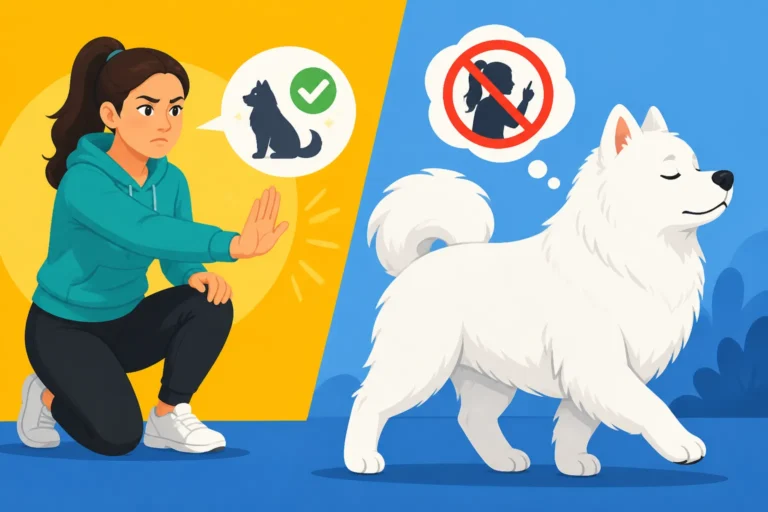
- Reinforce "Quiet" Cues: If you haven't already, teach both dogs a solid "Quiet" command. Start by rewarding silence, then gradually introduce distractions. When one dog starts barking, use your cue and reward immediately when they stop. Practice this individually with each dog, and then together. Resources like BAXTER & Bella offer excellent online training programs that can guide you through teaching crucial cues for a harmonious home, which is especially helpful when bringing a new puppy into the mix.
- Manage Excitement Triggers: Identify what makes your dogs vocalize most. Is it the doorbell? People walking by the window? The postman? Work on counter-conditioning these triggers. For instance, practice having someone ring the doorbell, and immediately reward both dogs for not reacting, or for responding with a calm "sit." Gradually increase the duration of silence before rewarding. You can find durable chew toys or puzzle feeders on Amazon that can serve as a valuable distraction during known trigger times, helping to redirect their focus.
- Separate Training Sessions (Initially): When introducing a new dog, it's often beneficial to train them separately at first. This helps each dog understand commands without the distraction or influence of the other. Once they're proficient individually, you can gradually bring them together for training, always rewarding calm, quiet behavior.
- Enrichment is Non-Negotiable: A bored Samoyed is a noisy Samoyed. With two, the potential for boredom-induced vocalizations doubles. Ensure both dogs receive adequate physical exercise and mental stimulation daily. This could mean longer walks, engaging puzzle toys, sniff walks, or even short training sessions throughout the day. Remember, How Much Exercise Quiets a Samoyed is a significant amount, and two will need even more.
- Create Quiet Spaces: Ensure each dog has its own comfortable, private space where they can retreat and be undisturbed. This might be a crate, a dog bed in a quiet corner, or even a separate room. This reduces competition for resources and provides a calming sanctuary.
Environmental Adjustments
Sometimes, a few tweaks to your home environment can make a world of difference in managing noise.
- Soundproofing Measures: While you can't completely soundproof your home, you can minimize external noise that triggers your dogs. Heavy curtains or blinds can block visual stimuli from windows. A white noise machine or calming music can help mask sounds from outside.
- Manage External Triggers: If your dogs constantly bark at passersby, consider restricting their access to windows during peak times. If the backyard fence is a source of contention with neighborhood dogs, consider adding privacy screens.
By being proactive in your selection, consistent in your training, and thoughtful about your environment, you can significantly influence whether a second dog contributes to a louder home or brings a welcome sense of quiet companionship to your Samoyed's life. It takes dedication, but the joy of a multi-dog family is often well worth the effort.
Disclaimer
This article is for general informational purposes only and does not constitute professional advice. Laws, prices and regulations vary by location and change over time. Consult a qualified professional for guidance on your specific situation.