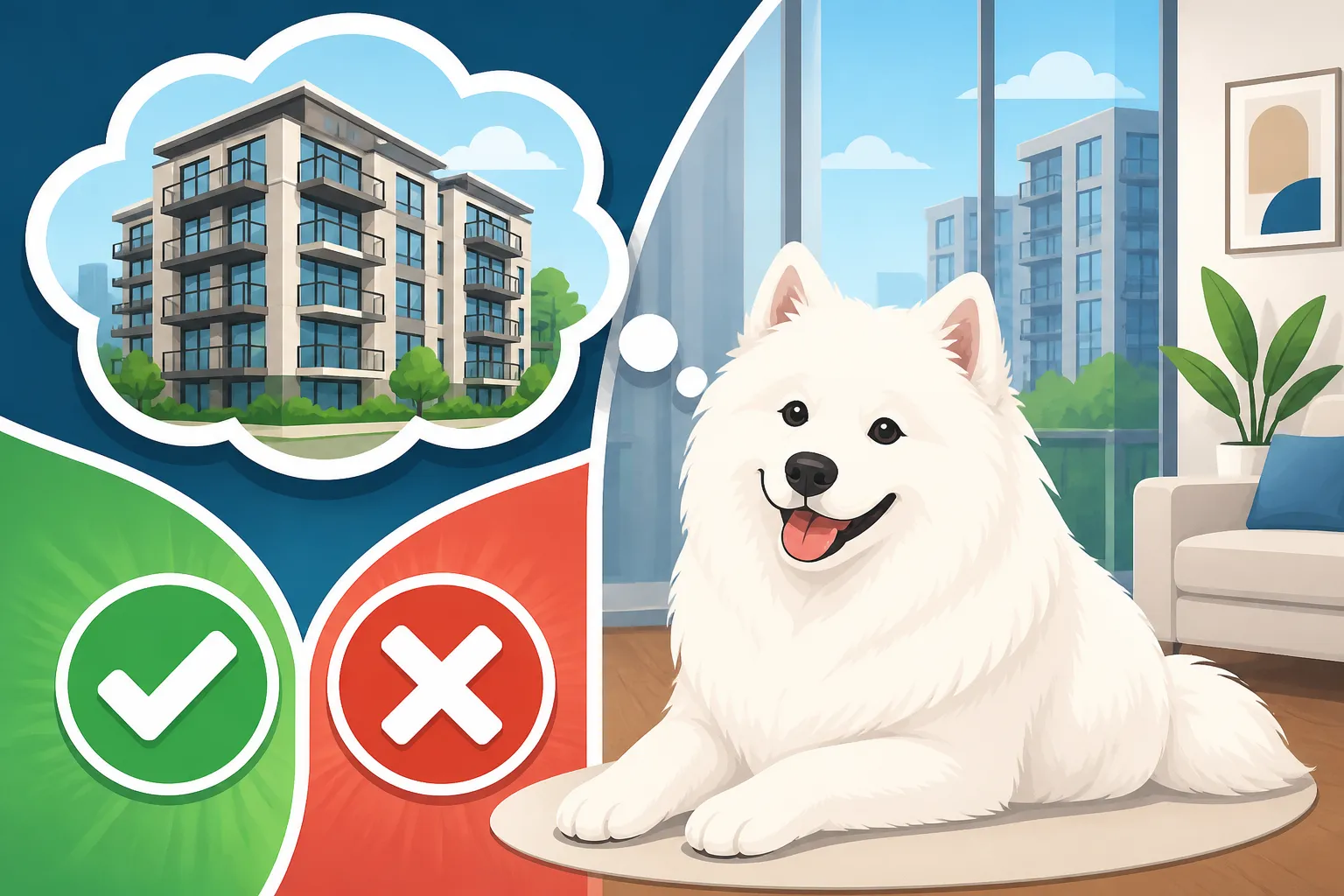
Whether a Samoyed Can Live in a Condo
It’s a dream many of us share: bringing home that fluffy, smiling Samoyed face. But then reality sets in, especially if you live in a condo or apartment. You start to wonder if your beloved companion will truly thrive in a smaller living space, surrounded by neighbors who might not appreciate a "Sammy talk" at 3 AM or a yard full of white fur tumbleweeds. This guide is here to walk you through the honest truth about Samoyeds and condo living, offering practical insights and solutions to make it work.
The Core Challenge: Samoyed Needs vs. Condo Realities
Let’s be frank: Samoyeds were not bred for apartment living. They hail from the arctic, where they had endless tundra to roam, herds to manage, and sleds to pull. Their inherent traits, while charming, can become significant challenges in a confined, shared environment. Understanding these foundational needs is the first step to figuring out if your lifestyle can meet them.
Exercise Requirements in a Compact Space
One of the biggest misconceptions about large dogs in small spaces is that size alone dictates whether it's a good fit. While a massive Great Dane might seem out of place in a studio, many giant breeds are surprisingly calm indoors. Samoyeds, however, are a different story. They are working dogs through and through, with a robust energy level that requires significant daily output. We're talking more than just a quick trot around the block.
A bored Samoyed is often a destructive Samoyed. If they don't get enough physical exercise and mental stimulation, they will absolutely find their own entertainment, and trust me, you won't like their choices. This can manifest as chewing furniture, digging up carpet, or incessant barking. In a condo, these behaviors aren't just frustrating for you; they can lead to complaints from neighbors, potential fines, or even eviction. Their ancestral programming demands movement and purpose. They need long, brisk walks, active play sessions, and opportunities to run. Think about what How Much Exercise a Samoyed Needs truly means for your daily schedule. Relying solely on a small patch of grass outside your condo door simply isn't enough for a breed wired to cover miles.
The Samoyed's Vocal Nature and Shared Walls
Ah, the infamous Samoyed vocalizations! If you’ve ever heard a Samoyed "talk," you know it’s not just a bark. It’s a symphony of howls, yips, grumbles, and that distinct "Samoyed scream" that can make your ears ring. This is a breed that loves to express itself, and their volume can be impressive. While charming to an owner, it's often less so to the neighbor whose bedroom wall is directly adjacent to your Samoyed's favorite "announcement" spot.
Living in a condo means sharing walls, ceilings, and floors with other people. Every single noise your Samoyed makes, particularly that high-pitched scream of excitement or frustration, will carry. Doorbell rings, people walking past in the hallway, sirens outside, even the mail slot opening – these are all potential triggers for a Samoyed. The Samoyed Scream and Why It Is Not Barking explores this in depth, highlighting that it’s not aggression, but a deep-seated instinct to communicate. Even if you understand it, your neighbors likely won't, and repeated noise complaints are a common reason why Samoyeds end up in shelters from condo situations. You might find yourself constantly apologizing or trying to quiet a dog whose very nature is to be vocal.
Managing That Famous Double Coat Indoors
The Samoyed's majestic double coat is undeniably beautiful, but it comes with a price: shedding. And not just a little shedding; we're talking about prolific, year-round shedding, punctuated by two major "coat blows" a year where it feels like you're harvesting a second dog. This fine, fluffy undercoat detaches in massive quantities, becoming airborne and settling on every surface.
In a larger house, this can be managed with consistent grooming and cleaning routines. In a condo, however, the sheer volume of fur in a smaller, more contained space can feel overwhelming. It gets into everything – your clothes, your food, your furniture, and even drifts into unexpected corners. Beyond your personal tolerance for fur, consider the impact on your HVAC system and filters, not to mention any visitors with allergies. The amount of dust and dander increases exponentially. While you adore that cloud of white fur, it can quickly turn into a household chore nightmare in a smaller footprint. You might find yourself wondering What a Samoyed's Shedding Costs in Vacuum Bags as you go through them at an alarming rate.
Strategies for Successful Samoyed Condo Living
Okay, so we've established the challenges. But that doesn't mean it's impossible! Many dedicated Samoyed owners make condo living work, but it requires a conscious, proactive effort and a significant commitment of time, energy, and resources. It's about designing your life around your dog's needs, rather than expecting your dog to perfectly fit into your existing condo lifestyle.
Maximizing Outdoor Activity and Mental Stimulation
This is non-negotiable for a Samoyed in a condo. Their physical and mental needs simply must be met outside the four walls of your living space.
- Daily Adventure Sessions: Plan for at least two long, vigorous walks or runs per day. These aren't just potty breaks. We're talking 45-60 minutes each, allowing for sniffing, exploring, and moving at a good pace. If you're not a runner, consider investing in a bikejor setup or canicross gear. Weekends should involve even longer adventures – hikes, trips to a secure dog park (if your Samoyed is well-socialized and you trust their recall, which is a big "if" for this breed!), or even sledding/carting activities if you're in a suitable climate. The Job a Samoyed Actually Needs goes into why this breed thrives on purpose.
- Mental Enrichment: Physical exercise alone isn't enough. Samoyeds are smart and need to use their brains. Incorporate puzzle toys, scent work games (hiding treats around your condo for them to find), and regular training sessions. Positive reinforcement training platforms like BAXTER & Bella can offer structured online courses and exercises that you can do in your living room, providing mental engagement without needing a huge space. Even 10-15 minutes of consistent training each day can make a huge difference in managing boredom.
- Doggy Daycare or Walkers: If your work schedule makes it impossible to provide the necessary mid-day exercise, consider professional help. A reputable doggy daycare can offer socialization and activity, while a dedicated dog walker can ensure your Samoyed gets a substantial outing during your workday. This can be a significant cost, but it's often essential for the well-being of a Samoyed in a condo. Leaving a Samoyed alone for too long in a small space can lead to destructive behavior out of sheer boredom and pent-up energy, as discussed in Whether a Samoyed Can Be Left Alone.
Soundproofing and Noise Management
Minimizing your Samoyed's vocal impact on your neighbors is crucial for peaceful condo living.
- Environmental Management: Think about what triggers your Samoyed’s vocalizations. Is it the sound of neighbors coming and going? The doorbell? Traffic? Use white noise machines, calming music, or even a fan to mask external sounds. Heavy curtains and rugs can also help absorb some sound within your unit. If your dog barks at the window, restrict access to it when you're not home, or use opaque window film.
- Training for Quiet: This is a long-term commitment. Teach your Samoyed a "quiet" command from puppyhood. Reward calm behavior around triggers. When the doorbell rings, teach them to go to a mat or specific spot instead of erupting in barks. It's challenging, but not impossible. Teaching a Samoyed a Quiet Cue provides excellent strategies for this. Consistent training, perhaps with the help of online resources or a professional trainer, is key.
- Proactive Communication: Consider having a friendly chat with your immediate neighbors. Let them know you have a Samoyed, explain their vocal nature, and assure them you are actively working on training and management. Providing your phone number in case of an issue can go a long way in building goodwill. A small, thoughtful gift can also help smooth things over if your Samoyed has been particularly boisterous.
Smart Grooming and Home Maintenance
Keeping that iconic Samoyed coat manageable in a condo requires diligence.
- Daily Brushing: This isn't just for aesthetics; it's vital for hygiene and reducing airborne fur. Invest in high-quality grooming tools like an undercoat rake and a pin brush. Daily brushing sessions, even just 15-20 minutes, will remove loose fur before it has a chance to settle everywhere. During coat blows, you might need to brush multiple times a day.
- Force Dryer: A professional-grade force dryer (often available on Amazon or specialty pet stores) is an absolute game-changer. It blasts loose undercoat out like magic, greatly reducing shedding. Doing this outside on a calm day, or in a garage if you have access, can save your condo from becoming a fur snow globe. This also helps to get them truly dry after a bath, preventing skin issues under that thick coat.
- Vacuuming and Air Purification: You’ll need a powerful vacuum designed for pet hair – something beyond a standard household model. Brands like Dyson or Shark offer excellent pet-specific vacuums. Regular, even daily, vacuuming will be part of your routine. An air purifier with a HEPA filter can also help capture airborne dander and fur, improving air quality in your smaller space. You might find yourself needing Whether a Samoyed Owner Needs a Better Vacuum quite quickly.
- Professional Grooming: Supplement your home routine with regular professional grooming. A good groomer can do a thorough deshedding treatment, which makes a noticeable difference, especially during coat blows. This is an added expense, but for condo living, it can be invaluable.
Here's a quick look at how Samoyed needs stack up against typical condo living scenarios:
| Samoyed Need | Condo Reality | Solution/Mitigation |
|---|---|---|
| High Exercise Drive | Limited private outdoor space | Daily long walks/runs, dog parks, active sports, daycare |
| Vocal Nature | Shared walls, close neighbors | Training "quiet" cue, white noise, neighbor communication |
| Heavy Shedding | Small indoor space, fur everywhere | Daily brushing, force drying, powerful vacuum, air purifier |
| Requires Companionship | Owner at work, alone time | Training, puzzle toys, dog walker, social visits |
| Needs a "Job" | No herd to manage, no sled to pull | Scent work, agility, obedience classes, trick training |
Navigating Condo Rules and Neighborly Relations
Successfully living with a Samoyed in a condo goes beyond just managing their behavior; it also involves being a responsible and considerate member of your community. Condo associations often have strict rules, and unhappy neighbors can make your life miserable.
Understanding Pet Policies and Breed Restrictions
Before you even think about bringing a Samoyed into a condo, you absolutely must read your building's pet policy. Many condos and HOAs have weight limits, breed restrictions, or a "no large dogs" clause. Samoyeds, while generally medium-sized by weight (though fluffy!), often fall into categories that are restricted.
- Review Documentation: Get a copy of the official rules and regulations. Don't just rely on what a real estate agent tells you. Look for specifics on dog size, breed, and any clauses about noise or pet waste.
- Seek Approval: If the rules are ambiguous or if you believe your Samoyed could be an exception, speak directly with the condo board or property management. Get any approval in writing. This protects you should an issue arise later. Never try to "sneak" a dog in, as the consequences can be severe, including forced rehoming.
- Consider a Puppy Clause: Some associations are more lenient with puppies, expecting them to grow. Understand if this applies and if there's a weight limit at maturity that your Samoyed will exceed. Be honest with yourself about your Samoyed's adult size, as How Much a Male Samoyed Weighs and How Much a Female Samoyed Weighs can vary.
Proactive Steps for Harmony with Neighbors
A little effort to be a good neighbor can go a long way in ensuring your Samoyed is welcomed, even if they're a bit vocal or shed a lot.
- Cleanliness is Key: Always, always, always pick up after your Samoyed immediately and completely. Don't leave dog waste bags sitting in common areas. Ensure your dog is clean and brushed before entering shared spaces. A clean, well-maintained dog and a spotless common area are powerful statements of responsible ownership.
- Leash Manners: Your Samoyed must be impeccably behaved on a leash. No pulling, no jumping on strangers, no lunging at other dogs. This is especially critical in shared hallways and elevators. Why a Samoyed Pulls on a Walk can be a challenge, but consistent training with tools like a front-clip harness can help. You want your neighbors to see a calm, controlled dog, not a boisterous handful.
- Be Present and Accountable: Don't let your Samoyed out alone if there's any chance of them being a nuisance. If they are prone to barking at people passing the window, ensure you are home to manage it, or provide distractions. If your dog has an accident in a common area, clean it thoroughly and immediately. Take responsibility.
- Educate Gently: If a neighbor expresses concern, listen patiently. Offer solutions. Sometimes, a simple explanation of What a Samoyed Sounds Like When It Talks can help them understand that it's not aggression. Remember, they don't know your dog like you do, and their concerns are valid in a shared living situation.
Ultimately, living with a Samoyed in a condo is a lifestyle choice that demands immense dedication. It's about consciously mitigating every potential conflict point, from exercise to vocalization to shedding, and being a truly exceptional pet owner and neighbor. It's not the easiest path, but with unwavering commitment, many find it incredibly rewarding.
Disclaimer
This article is for general informational purposes only and does not constitute professional advice. Laws, prices and regulations vary by location and change over time. Consult a qualified professional for guidance on your specific situation.