Whether a Bark Collar Belongs on a Samoyed
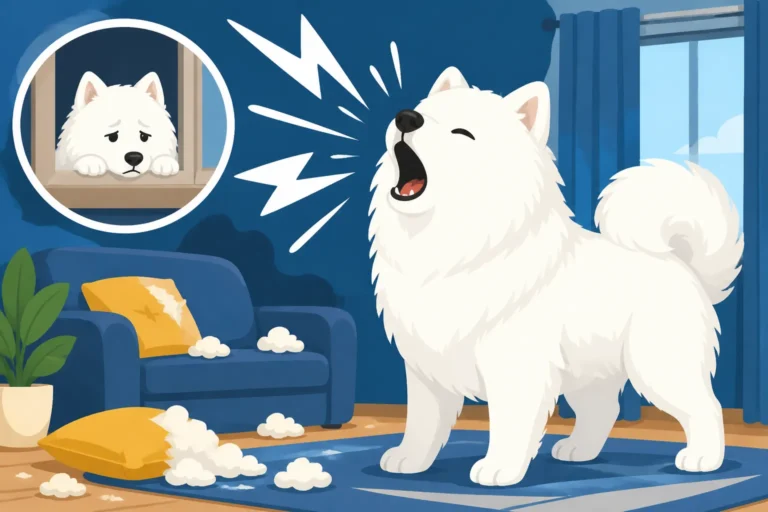
Oh, the Samoyed scream! Or the incessant alert barking at every leaf that blows by, or the demand barks for attention that pierce through even the thickest walls. Believe me, I've been there, staring at my fluffy cloud, wondering how such an angelic face could produce such a relentless racket. It's enough to make even the most patient Samoyed parent feel utterly defeated and, yes, sometimes desperate enough to consider tools like bark collars. This guide is here to walk you through the complex reality of bark collars for our beloved Samoyeds, delving into why they might seem like a quick fix but often cause more harm than good, and offering truly effective, humane alternatives.
Understanding the Samoyed's Vocal Nature
Before we even consider devices meant to suppress barking, it's vital to truly grasp the unique vocal landscape of our Samoyeds. They aren't just "barky" dogs; they are profoundly communicative, and their sounds are an integral part of their heritage.
Why Samoyeds are So Vocal
Our Samoyeds hail from the coldest reaches of Siberia, where they lived and worked closely with the Nenets people. These dogs were bred not only to pull sleds and herd reindeer but also to be constant companions, sleeping in the tents and acting as a living, breathing alarm system. Their vocalizations were a crucial form of communication, alerting their human families to approaching wildlife or strangers, or even just "talking" amongst themselves and their people.
This deep-seated instinct to communicate vocally hasn't faded over generations. A Samoyed uses a vast repertoire of sounds to express themselves – from the infamous "Samoyed scream" (which is less a bark and more a full-throated, opera-like yodel) to low grumbles, happy chuffs, contented sighs, and, yes, various barks. It’s part of who they are. When you hear your Samoyed "talking" to you, it’s not always a challenge; it's often their way of engaging, expressing joy, or simply telling you about their day. It’s important to understand this isn’t merely a bad habit; it’s a breed characteristic. What a Samoyed Sounds Like When It Talks
Distinguishing Between Normal Vocalization and Excessive Barking
So, how do you tell the difference between your Samoyed just being a Samoyed and genuinely excessive barking? This is where it gets tricky, because what one person finds charmingly vocal, another might find maddeningly loud. A Samoyed greeting you with excited yips and talking when you come home, or barking a few times at the mail carrier, is pretty standard. They are expressive creatures, and a certain level of vocalization is simply part of owning one.
However, if your Samoyed is barking incessantly for hours on end, seemingly at nothing, or if their barking is accompanied by signs of distress like pacing, destructive behavior, or inappropriate urination, then we might be looking at excessive barking. This isn't just about volume; it's about context, duration, and the underlying emotion. Often, excessive barking stems from boredom, loneliness, anxiety, or a lack of appropriate mental and physical stimulation. It's a cry for help or an outlet for pent-up energy, not usually malicious mischief. How Loud a Samoyed Gets
Types of Bark Collars and Their Mechanics
When the barking reaches a breaking point, the idea of a device that promises to quiet your Samoyed can be incredibly tempting. But it's crucial to understand what these collars actually do and how they work, especially for a sensitive breed like ours.
Static Correction (Shock) Collars
These are probably the most controversial type of bark collar, and for good reason. They operate by delivering a static electrical stimulation (commonly called a "shock") when the dog barks. Most modern versions have sensors that detect throat vibrations or sound, aiming to only activate when the dog barks. The intensity is often adjustable, ranging from a mild tingle to a much stronger, painful jolt.
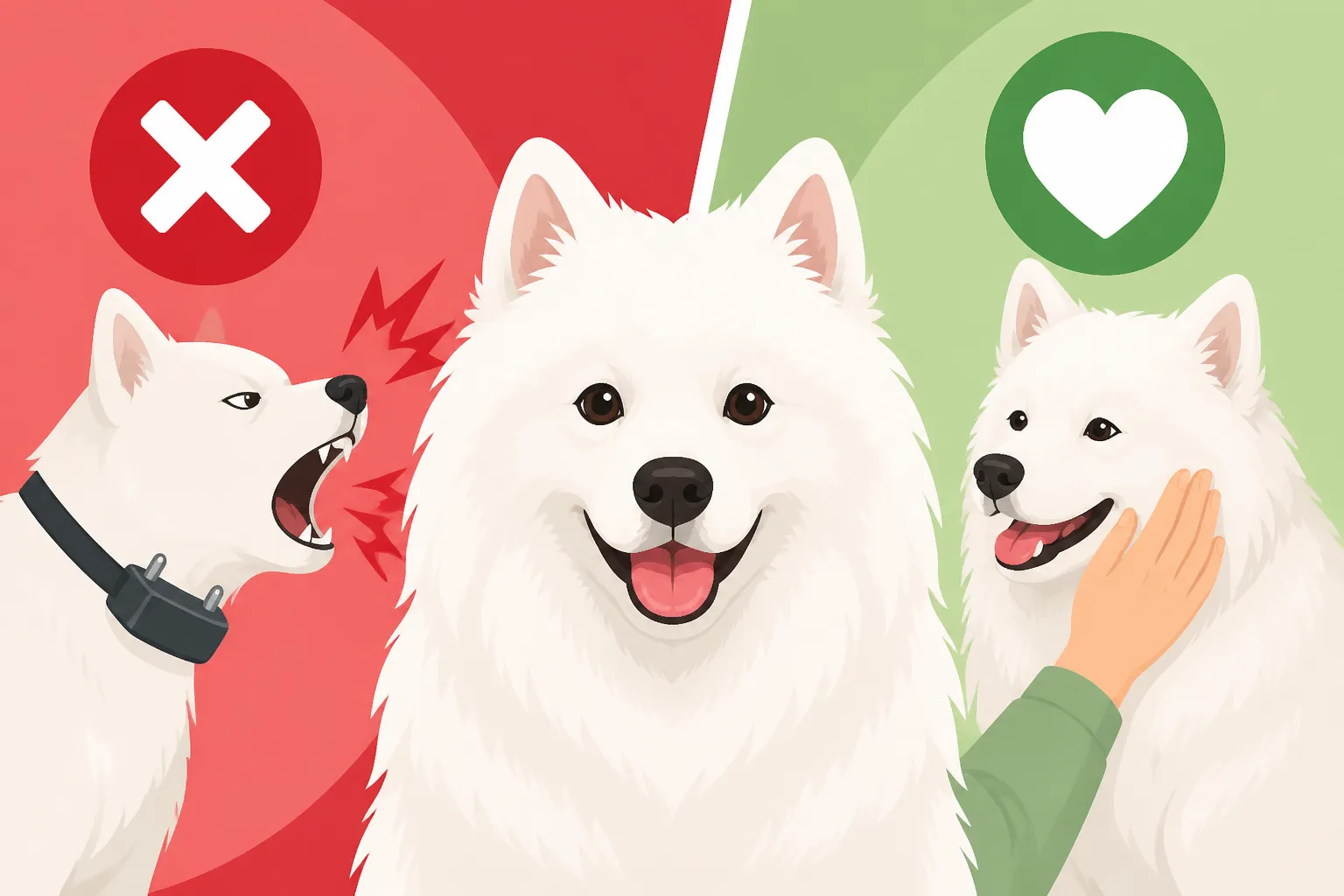
The immediate effect of a static collar is typically suppression. The dog barks, receives an unpleasant sensation, and often stops barking. On the surface, it seems to "work." However, for a Samoyed, the long-term consequences can be devastating. They don't understand why they are being punished. Is it the mailman? The child walking by? Their own voice? This confusion can lead to increased anxiety, fear, and even aggression. A dog that is constantly stressed or afraid might become withdrawn, or worse, develop fear-based reactivity towards whatever they associate with the shock, which might be completely unrelated to their barking. You're not teaching them what to do, only punishing what not to do, often with a painful consequence that erodes trust.
Vibration and Citronella Spray Collars
These collars are often marketed as "humane" alternatives to static correction, and while they don't deliver a shock, they still operate on the principle of aversion. Vibration collars emit a strong vibration against the dog's neck when barking is detected. Citronella spray collars release a puff of citronella scent near the dog's muzzle. The idea is that the unexpected sensation or smell will startle and distract the dog, interrupting the barking behavior.
While less physically painful, these collars still carry significant drawbacks, particularly for intelligent and sensitive Samoyeds. Dogs can quickly become accustomed to the vibration or smell, leading to desensitization where the collar loses its effectiveness entirely. Moreover, the interruption doesn't teach an alternative behavior. A Samoyed might stop barking in that moment, but the underlying reason for the vocalization (boredom, anxiety, territoriality) isn't addressed. They might also experience false triggers, where the collar activates due to other loud noises, shaking, or even another dog barking, causing confusion and distress. This can lead to your Samoyed associating the unpleasant sensation with something entirely innocent, rather than their own vocalizations.
Ultrasonic and Air-Burst Collars
Ultrasonic bark collars emit a high-frequency sound that is supposedly unpleasant to dogs but inaudible to humans. Air-burst collars release a quick, harmless puff of compressed air when triggered by barking. Both aim to startle the dog and interrupt the barking without physical pain or strong odors.
The effectiveness of ultrasonic collars is highly debated. Many dogs, especially those with less sensitive hearing or those quickly accustomed to novelty, will simply ignore the sound. For others, it can be irritating or even painful, leading to similar anxiety issues as other aversion tools. Air-burst collars, while seemingly benign, still rely on an unpleasant surprise. Like other punitive collars, they teach suppression, not coping mechanisms or alternative behaviors. Your Samoyed might stop barking in the immediate vicinity of the collar, but the underlying drive to bark remains, potentially manifesting in other contexts or even leading to increased anxiety when they can't bark. Furthermore, these can often be triggered by other loud noises, confusing your Samoyed even more.
The Risks of Using Bark Collars on Samoyeds
When we consider tools like bark collars, especially for a breed as unique and sensitive as the Samoyed, the potential risks far outweigh any perceived benefits. These aren't just minor inconveniences; they can deeply impact your dog's well-being and your relationship with them.
Psychological Impact and Behavior Deterioration
Samoyeds are known for their gentle, affectionate, and intelligent nature. They thrive on positive interaction and a strong bond with their human family. Introducing an aversive tool like a bark collar can severely damage this trust. Imagine being punished for expressing yourself without understanding why or what you're supposed to do instead. That's essentially what happens to a Samoyed wearing a bark collar.
This confusion and fear can lead to a host of psychological issues. Your Samoyed might become anxious, withdrawn, or even fearful of you. Instead of addressing the root cause of the barking – which is often boredom, anxiety, or a need for attention – the collar merely suppresses the symptom. This can be compared to putting a band-aid on a broken leg; it doesn't fix the problem. In some cases, suppressed barking can lead to other, more problematic behaviors like resource guarding, fear-based aggression, or obsessive-compulsive disorders as your dog tries to cope with their unresolved stress and lack of outlet. Why a Samoyed Ignores a Cue It Knows They might learn to fear the stimulus that precedes the correction, rather than their own barking. For instance, if the mailman's arrival consistently triggers a bark and then a shock, your Samoyed might start to fear all postal workers, seeing them as the source of pain, rather than understanding their own vocalization is the issue.
Physical Discomfort and Safety Concerns
Beyond the psychological toll, bark collars can also pose direct physical risks to your Samoyed. Static correction collars, if improperly fitted or malfunctioning, can cause skin irritation, sores, or even electrical burns on the neck. Constant pressure from any tight collar, especially one with probes or sensors, can lead to skin lesions, hair loss, or discomfort.
There's also the risk of choking if the collar is too tight or becomes entangled. While most collars are designed with safety in mind, no device is foolproof. Imagine your Samoyed running, playing, and then having a sudden, unexpected jolt or spray. This can be disorienting and potentially lead to accidents. Furthermore, the constant stress of anticipating a correction can cause physiological stress responses in your dog, impacting their overall health over time. A Samoyed's thick coat can also hide irritation or sores that might go unnoticed until they become severe.
Ineffectiveness for a Smart, Sensitive Breed
One of the biggest arguments against bark collars for Samoyeds is their inherent ineffectiveness in the long run. Samoyeds are incredibly smart. They learn quickly, but they also learn how to avoid punishment rather than what to do instead. They might learn that the collar only works when it's on, leading to "collar-wise" behavior where they bark freely when the collar is removed.
Moreover, a Samoyed might misinterpret the correction. If they bark at a child running past the window, and the collar activates, they might start to associate children with the unpleasant sensation, fostering a negative association that could lead to fear or aggression towards kids. The collar doesn't provide clarity; it provides confusion and discomfort. For a breed that thrives on cooperation and understanding, a bark collar is a barrier, not a bridge, to better behavior. It doesn't help them develop self-control or teach them an appropriate way to express themselves. Why Raising Your Voice Fails on a Samoyed They simply shut down their vocalizations in the presence of the collar, without truly addressing the underlying motivations for barking.
Humane and Effective Alternatives to Bark Collars
So, if bark collars aren't the answer, what is? For a Samoyed, the solution lies in understanding their needs, addressing the root causes of their barking, and employing positive, humane training methods that strengthen your bond, rather than eroding it.
Identifying the Root Cause of Barking
This is the absolute first step. You can't solve a problem if you don't know why it's happening. Grab a notebook and become a detective. When does your Samoyed bark? At what? For how long?
- Boredom or lack of exercise: Is your Samoyed getting enough mental and physical stimulation? A tired Samoyed is often a quiet Samoyed.
- Anxiety or fear: Does your Samoyed bark when left alone (separation anxiety)? Or at specific triggers like storms, strangers, or certain noises?
- Alert barking: Are they simply doing their job, telling you about everything that moves outside your window?
- Demand barking: Are they barking at you for attention, food, or play?
- Territorial barking: Is it directed at passersby, perceived intruders, or other animals?
Once you pinpoint the triggers, you can start to manage the environment. Window film can reduce visual stimulation for alert barkers. White noise machines or classical music can muffle outdoor sounds. A strong, secure fence is crucial, as is understanding How a Samoyed Gets Out of Anything You Build – a loose Samoyed is often a vocal, anxious Samoyed.
Positive Reinforcement Training Techniques
This is where the magic happens for Samoyeds. They are eager to please when they understand what you want and when it's worth their while. Instead of punishing barking, teach silence and reward it.
- Teaching "Quiet": When your Samoyed barks at something, acknowledge the trigger, then distract them. As soon as they are quiet for even a second, mark the behavior (with a clicker or "yes!") and reward them with a high-value treat. Gradually increase the duration of silence before the reward.
- Counter-conditioning and desensitization: If your Samoyed barks at a specific trigger (e.g., the doorbell), expose them to it at a low intensity (e.g., a quiet recording of a doorbell) and reward calm behavior. Slowly increase the intensity over time.
- Professional help: Don't hesitate to consult a certified professional dog trainer or a veterinary behaviorist. Look for trainers who exclusively use positive reinforcement (R+) methods. They can provide tailored guidance for your specific situation. Many excellent online resources exist; for example, BAXTER & Bella offers comprehensive online training programs that focus on positive reinforcement, which can be a fantastic alternative to in-person classes if you don't have suitable trainers nearby. These resources can equip you with the skills to effectively communicate with your Samoyed without resorting to harsh methods. Whether Positive Training Alone Works on a Samoyed
Enrichment and Management Strategies
A bored Samoyed is a destructive, noisy Samoyed. These dogs are intelligent and need a job to do.
- Exercise, exercise, exercise: A Samoyed needs plenty of physical activity. Daily long walks, runs, hikes, or even safe off-leash play are essential. A tired Samoyed is less likely to have excess energy for incessant barking. How Much Exercise a Samoyed Needs
- Mental stimulation: Puzzle toys, sniff walks, obedience training, and interactive games like fetch or hide-and-seek can tire their minds just as much as their bodies. Consider introducing them to dog sports like agility, rally, or even sledding. Remember, The Job a Samoyed Actually Needs isn't just physical; it's mental engagement.
- Safe spaces: Ensure your Samoyed has a comfortable, quiet space where they can retreat and feel secure, like a crate (properly introduced and never used for punishment) or a cozy dog bed in a low-traffic area.
- Addressing anxiety: If barking is due to Separation Anxiety in a Samoyed, this requires a more specialized approach, potentially involving desensitization exercises, enrichment, and sometimes medication under veterinary guidance. Leaving a Samoyed alone for long periods without proper preparation will almost certainly lead to vocalization.
By addressing the root causes and providing constructive outlets, you can help your Samoyed channel their natural vocalizations into appropriate, less disruptive expressions.
| Bark Collar Type | Mechanism | Pros (Perceived) | Cons (Real for Samoyeds) | Effectiveness for Samoyed | Humane Alternative |
|---|---|---|---|---|---|
| Static Correction | Electrical jolt | Immediate cessation | Painful, fear, anxiety, trust breakdown, aggression, confusion | Low (temporary suppression) | Positive reinforcement, desensitization, management |
| Vibration | Vibrates against neck | No shock | Startling, desensitization, false triggers, doesn't teach | Low (short-term distraction) | Redirection, reward quiet, increased exercise/enrichment |
| Citronella Spray | Puff of scented spray | No shock, startling | Aversion, desensitization, messy, smell aversion, confusion | Low (short-term distraction) | Identifying triggers, teaching "quiet," consistent training |
| Ultrasonic | High-frequency sound | No physical contact | Often ignored, irritating, can affect other dogs, ineffective | Very Low | Environmental management, mental stimulation |
| Air-Burst | Puff of compressed air | No physical contact | Startling, desensitization, doesn't teach, false triggers | Low (short-term distraction) | Professional trainer, vet consultation, consistent routine |
When to Seek Professional Help
Even with the best intentions and consistent efforts, some barking behaviors can be deeply ingrained or stem from complex issues that are hard for an owner to resolve alone. This is when it's time to bring in the professionals.
Consulting Your Veterinarian
Your first stop for any persistent or seemingly unexplainable change in your Samoyed's behavior should always be your veterinarian. Excessive vocalization can sometimes be a symptom of an underlying medical condition. Pain, hearing loss, vision problems, cognitive dysfunction (especially in older Samoyeds), or even hormonal imbalances can all contribute to increased barking. Ruling out these medical causes is paramount before you delve into behavioral solutions.
If your vet determines there's no physical ailment, they might discuss behavioral medications as a temporary aid. It's crucial to understand that these are rarely a standalone solution. Instead, they can help take the edge off severe anxiety, making your Samoyed more receptive to training and behavior modification. Your vet can guide you on appropriate medications and dosages, but always with the understanding that behavioral intervention is the long-term answer.
Working with a Certified Professional Dog Trainer or Behaviorist
Once medical issues are ruled out, partnering with a qualified dog trainer or veterinary behaviorist is your most effective path forward. But choose wisely! It's absolutely vital to seek out professionals who adhere to positive reinforcement (R+) training methods. Avoid anyone who suggests punitive tools, "alpha" dominance theories, or methods that involve fear, pain, or intimidation. For a Samoyed, these methods will only backfire, creating a fearful, shut-down, or reactive dog.
A certified professional dog trainer can assess your Samoyed's specific barking triggers and patterns and help you develop a customized behavior modification plan. They can teach you the skills to effectively communicate with your dog, build positive associations, and implement consistent training. For more severe cases, especially those involving intense anxiety or aggression, a veterinary behaviorist has specialized training in both animal behavior and veterinary medicine, offering the most comprehensive approach. Resources like the Association of Professional Dog Trainers (APDT) or the International Association of Animal Behavior Consultants (IAABC) can help you find qualified professionals in your area. For those without access to local trainers, online platforms, such as BAXTER & Bella, provide structured, positive-reinforcement based curricula and live support from trainers, which can be an invaluable tool in managing your Samoyed's vocal tendencies.
Ultimately, addressing your Samoyed's barking requires patience, understanding, and a commitment to humane methods. While the allure of a quick fix like a bark collar might be strong when you're at your wit's end, remember that truly lasting change comes from building trust and teaching your beloved companion what you do want them to do, rather than simply punishing what you don't.
Disclaimer
This article is for general informational purposes only and does not constitute professional advice. Laws, prices and regulations vary by location and change over time. Consult a qualified professional for guidance on your specific situation.