How a Samoyed Bonds to One Person
It's a common misconception that Samoyeds are simply friendly, happy-go-lucky dogs who love everyone equally and without distinction. While their famed "Samoyed smile" and outgoing nature certainly make them appear universally affectionate, the reality for many Samoyed owners is that these magnificent dogs often forge an incredibly deep, almost singular bond with one specific person in the household. This guide will delve into why your Samoyed might choose a "favorite human," what that intense connection looks like, and how to ensure all family members feel loved and included by your fluffy companion.
The Samoyed's Innate Drive for Connection
Let's face it, Samoyeds weren't bred to be aloof guardians or independent hunters; they were bred to be integral members of a human family, sharing tents and daily life. This history fundamentally shapes their deep need for connection.
A History of Close Companionship
Imagine the harsh Siberian tundra, where the ancestors of our modern Samoyeds lived alongside the Nenets people. These dogs weren't just working animals; they were literally family members, sharing shelter in the tents, acting as living furnaces, and providing comfort. This isn't just a sweet historical tidbit; it's a profound aspect of their genetic makeup. They developed an intrinsic need for close human interaction, a craving for companionship that runs deep in their soul. This historical context explains so much about their desire to be constantly near you, to follow you from room to room, and to embed themselves deeply into your daily rhythms. They thrive on being part of the pack, and for them, that pack is you and your family. Their loyalty and desire to be with their people were essential for survival, both for the dogs and the nomadic tribes they served. It’s no wonder they love being inside, part of the action, rather than relegated to an outdoor existence.
This ancient bond meant they were often responsible for keeping their human companions warm in extreme cold. The phrase The Samoyed Slept in the Tent to Keep People Alive isn't just a romantic notion; it was a practical necessity. This kind of intimate, shared existence created a breed that thrives on emotional connection and physical proximity to its chosen people. It's not surprising, then, that when they come into our modern homes, they bring this intense need for partnership with them, looking for that deep, singular connection they historically relied upon.
Universal Friendliness Versus Deep Affection
One of the most charming, and sometimes misleading, traits of a Samoyed is their boundless friendliness. They greet strangers with enthusiasm, wagging tails, and often a happy "woooo" or "arrooo." This often leads new owners to believe that their Samoyed will be equally devoted to every person they meet, or every family member. However, there's a crucial distinction to be made between this general, outgoing friendliness and the deep, profound affection they reserve for their inner circle – and often, for one person in particular within that circle.
While they might happily accept a belly rub from a new acquaintance or lean into a friendly neighbor, their eyes light up differently when "their person" walks into the room. It’s a subtle shift, perhaps a more intense gaze, a more insistent nudge for attention, or a particular vocalization reserved just for you. This isn't to say they don't love other family members; they absolutely do, and often show it with playful nips, cuddles, and following. But there's usually one human who holds a special, almost sacred place in their heart, a bond that feels uniquely profound. This distinction is important for family members to understand, so no one feels slighted if the Samoyed has a clear favorite.
The Role of Early Socialization
The way a Samoyed bonds, or even who they bond with most strongly, can be significantly influenced by their early experiences, especially during puppyhood. A well-socialized Samoyed puppy, exposed to a variety of people, sights, sounds, and other friendly dogs, tends to develop into a more confident and adaptable adult. This broad exposure encourages their natural friendliness to blossom, allowing them to form positive associations with many different types of individuals.
However, even with excellent socialization, specific patterns of interaction within the family during these formative months can predispose a Samoyed to bond more tightly with one individual. For instance, if one person consistently takes on the primary role of feeding, training, playing, and comforting the puppy, that individual naturally becomes the central figure in the puppy's universe. This isn't about exclusive attention, but about consistent, positive engagement that solidifies a sense of security and trust. The foundation of that strong bond is often laid long before the Samoyed even reaches adulthood.
Why a Samoyed Might Choose "Their Person"
It's not arbitrary; Samoyeds often have very good reasons for singling out one human for their deepest devotion. It often comes down to who provides what they need most, both physically and emotionally.
The Primary Caregiver Connection
In many households, the person who consistently handles the day-to-day care of the Samoyed often becomes "the chosen one." Think about it: who fills the food bowl every morning and evening? Who takes them out for their vital walks, even in the pouring rain or freezing snow? Who provides that comforting scratch behind the ears during a thunderstorm, or patiently untangles a matted ruff? This consistent provision of food, shelter, exercise, and comfort builds an unbreakable trust and reliance.
Dogs, including Samoyeds, are incredibly intelligent and observant. They quickly learn who their primary provider is, associating that person with all the good things in life. This isn't just about food; it's about security, leadership, and unwavering presence. If you're the one always there, always providing, always tending to their needs, it makes perfect sense that you would become the focal point of their world. This foundational role in their daily well-being naturally solidifies a bond that often surpasses their affection for other, less involved family members.
Consistent Training and Engagement
Beyond basic care, the person who invests the most time and effort into training and mentally engaging their Samoyed often finds themselves at the top of the dog's favorite list. Samoyeds, despite their independent streak, are clever and thrive on mental stimulation. They respond incredibly well to positive reinforcement training, and the human who consistently offers exciting training sessions, engaging games, and new challenges often forms the strongest bond. What Actually Motivates a Samoyed is a blend of treats, praise, and the sheer joy of working alongside their person.
When you spend time teaching them new commands, practicing tricks, or even just working on polite leash manners, you're not just training a dog; you're building a shared language and deepening your understanding of each other. This consistent, structured interaction creates a partnership based on mutual respect and enjoyment. They see you as their guide, their playmate, and their teacher. This active engagement creates a bond that passive presence simply can't achieve. If you’re constantly exploring ways to involve them, like using brain games or advanced obedience cues, you’ll find their devotion grows even stronger. They truly enjoy having a "job," and you're the one who provides it. The Job a Samoyed Actually Needs is often one that involves their human.
Personality Match and Energy Levels
Sometimes, the choice of "their person" isn't just about who does what, but about a more subtle, intuitive connection based on personality and energy levels. A calm, quiet Samoyed might gravitate towards the family member who offers a more serene presence, enjoying peaceful cuddles on the couch. Conversely, a high-energy, boisterous Samoyed might choose the human who matches their enthusiasm, always ready for a vigorous game of fetch or a long hike.
This isn't something you can necessarily force, but it's a dynamic many Samoyed owners observe. The dog seems to 'click' with one person in a way they don't with others, finding a natural rhythm that perfectly complements their individual temperament. Perhaps it's the way you move, the tone of your voice, or even how you respond to their playful nudges. These subtle cues can create an undeniable resonance, making one human feel like a true soulmate to the Samoyed. It’s a testament to their emotional intelligence and ability to perceive nuances in human interaction.
Emotional Resonance
Samoyeds are incredibly perceptive creatures, often picking up on human emotions with surprising accuracy. They can sense when you're sad, stressed, or happy, and they often respond in kind. This emotional resonance can play a significant role in solidifying a bond with one person. If one family member consistently offers comfort during times of distress, or shares joy during moments of play and laughter, the Samoyed learns to associate that individual with deep emotional support and positive feelings.
Think about a time you were feeling unwell or down; did your Samoyed not cling to you a little closer, offering a comforting nudge or a soft gaze? This intuitive ability to provide solace creates a powerful connection. For the person who consistently provides that emotional anchor, the bond becomes exceptionally strong. It’s more than just routine care; it’s about being there emotionally, offering silent understanding and unwavering affection. This kind of deep connection is often why Samoyed owners describe their dogs as being "tuned in" to them, understanding their moods without a word.
Living with a Samoyed's Special Bond
Having your Samoyed pick you as "their person" is incredibly rewarding, but it can also present unique challenges for the rest of the family.
The Benefits of Being "The One"
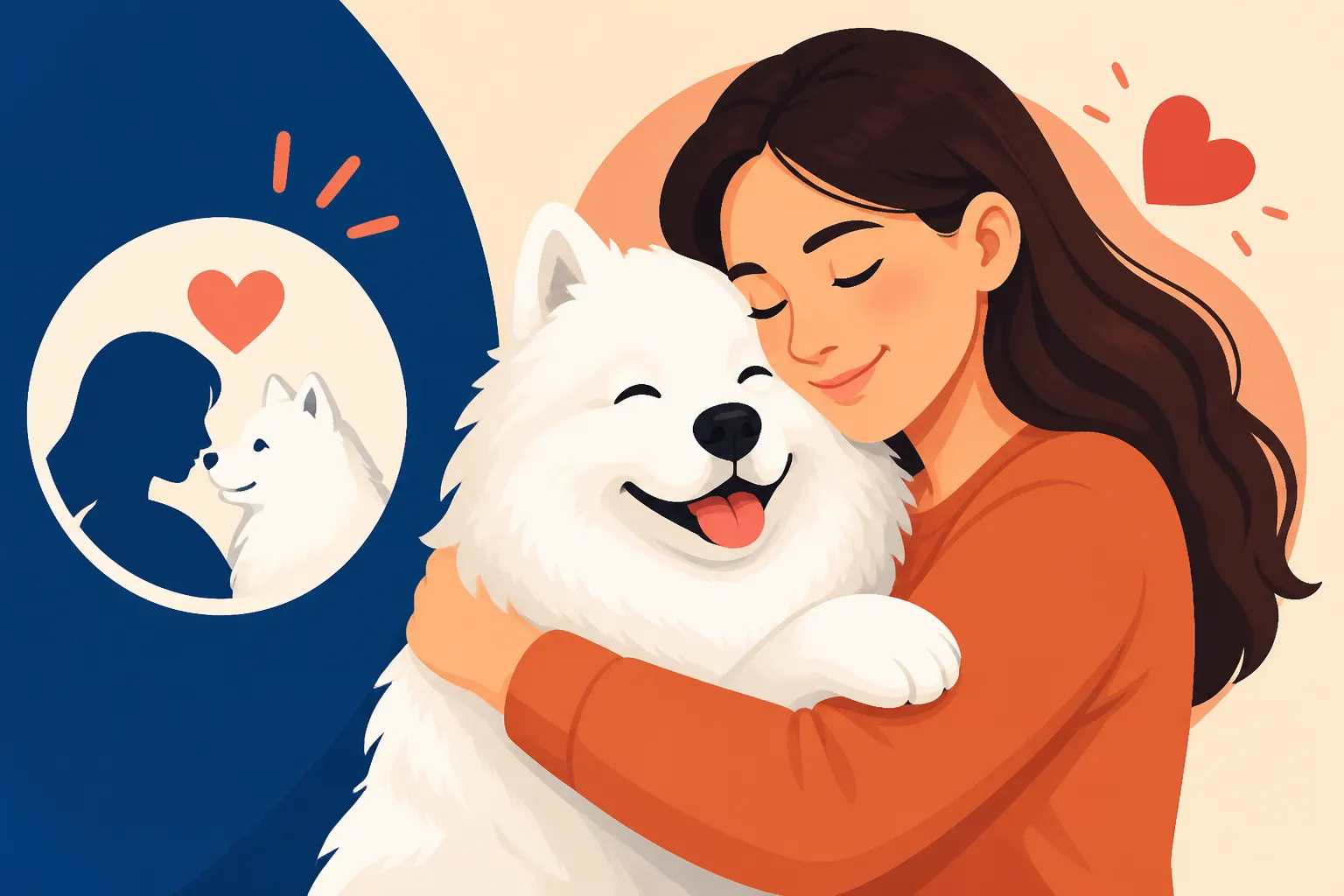
If you're the lucky one chosen by your Samoyed, you know the feeling. It's a deep, unwavering devotion that warms your heart and makes you feel truly special. Your Samoyed follows you from room to room, often settling at your feet or leaning against you while you work or relax. They greet you with an ecstatic, full-body wag and characteristic "Sammy talk" every time you enter the door, even if you've only been gone for five minutes. You might find them constantly seeking your touch, pushing their head under your hand for pets, or simply resting their chin on your lap, gazing up at you with those intelligent, dark eyes.
This bond means you understand each other almost telepathically. You can anticipate their needs and moods, and they, in turn, seem to understand yours. They become your shadow, your confidant, and your most ardent fan. It’s a bond built on trust, consistency, and shared experiences, making the joys of Samoyed ownership even more profound. When your Samoyed is always seeking your presence, always happy to be near you, it creates an unparalleled sense of companionship. This is often described as Why a Samoyed Follows You From Room to Room.
Challenges for Other Family Members
While being "the one" is wonderful, it can sometimes create a sense of being overlooked or even a little bit jealous for other family members. It's tough when you're trying to play with the dog, and they keep glancing over at your partner, or when they only settle down to cuddle once their favorite person is on the couch. Children, especially, might struggle with understanding why the dog seems to prefer Mom or Dad, leading to feelings of sadness or frustration.
This isn't a reflection on their love for the Samoyed, but a natural human reaction to feeling second-best to a furry family member. It can also lead to practical difficulties, such as when the primary person is away. The Samoyed might exhibit signs of distress or unwillingness to engage with others, making routines harder to maintain. It's vital for families to acknowledge these feelings and work together to ensure everyone, including the Samoyed, feels secure and valued. Open communication and understanding are key to navigating these dynamics.
Fostering Bonds with Everyone
Even if your Samoyed has a clear favorite, it's absolutely possible and important for all family members to build strong, loving relationships with the dog. The key is consistent, positive interaction and shared activities. Encourage everyone to participate in the Samoyed's care and playtime. For instance, different family members can take turns with feeding, walks, or training sessions. Simple, positive interactions like gentle grooming, short training bursts using tasty treats, or quiet cuddle times can gradually strengthen bonds.
Consider making "family playtime" a regular event, where everyone engages with the Samoyed in a fun, low-pressure way. Think about activities like puzzle toys, gentle tug-of-war, or even just sitting together and offering pets. For kids, supervised playtime where they toss toys or offer treats can be incredibly beneficial. The goal is to create positive associations with every person in the household, showing the Samoyed that all humans bring good things and enjoyable experiences. Remember, How a Samoyed Responds to Praise is incredibly rewarding, so make sure everyone is giving enthusiastic verbal praise during these interactions. A training system like BAXTER & Bella, which emphasizes positive reinforcement and consistency, can be a great tool for the whole family to learn how to engage their Samoyed effectively and build those vital connections. Even simple toys and high-value treats from a trusted brand found on Amazon can go a long way in making every family member a source of fun.
When the Bond Becomes Problematic
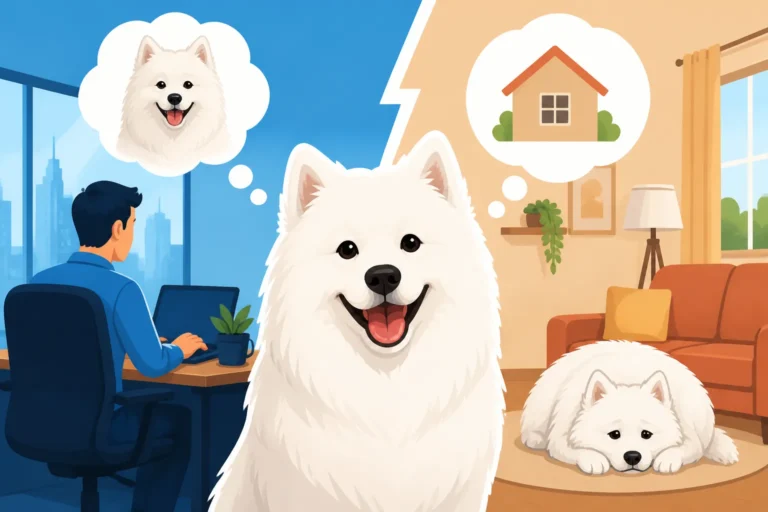
While a strong bond is desirable, sometimes it can veer into unhealthy territory, especially if the Samoyed’s devotion to one person creates anxiety or undesirable behaviors. For example, some Samoyeds might exhibit resource guarding of "their person," growling or snapping at other family members who approach. This is not common for the generally friendly Samoyed, but it can happen in extreme cases where the bond is overly exclusive and not properly managed. More frequently, the issue might be severe Separation Anxiety in a Samoyed when the favored person leaves, leading to destructive behavior, excessive vocalization, or house-soiling.
Another challenge can arise if the Samoyed simply refuses to cooperate with other family members, only obeying commands from their chosen person. This can be frustrating and make management difficult if the primary caregiver isn't always available. If you notice any of these more serious issues developing, it’s crucial to address them proactively. This might involve structured training, behavior modification techniques, and sometimes, the help of a professional dog behaviorist to rebalance the dog's relationships and alleviate anxiety. A strong bond should enhance family life, not disrupt it.
Maintaining a Healthy, Balanced Family Dynamic
Navigating a Samoyed’s preference for one person requires intentional effort to ensure harmony and well-being for both the dog and the entire human family.
Shared Responsibilities for Care
One of the most effective ways to foster a balanced bond is to distribute care responsibilities among all family members. This means sharing tasks like feeding, grooming, and walking. For instance, one person might handle breakfast, another dinner, and a third takes on the evening walk. Even children, with supervision, can participate in easy tasks like refilling the water bowl or giving prescribed treats. When a Samoyed consistently receives positive interactions and care from multiple individuals, they learn to associate all those people with good things and develop a broader sense of trust and affection.
This shared approach isn't just about the dog; it also empowers every family member to feel like an important part of the Samoyed's life. It prevents the primary caregiver from feeling overwhelmed and ensures that the Samoyed has multiple reliable anchors in their world, reducing the likelihood of extreme dependency on just one person. Plus, it’s a wonderful way for everyone to enjoy the fulfilling aspects of dog ownership.
Engaging All Family Members in Training
Training isn't just about teaching commands; it's a powerful tool for building communication and strengthening bonds. Encourage every member of the family to participate in short, positive training sessions with your Samoyed. This could be as simple as practicing "sit" and "stay" before meals, or working on recall in the yard. When multiple people are consistently rewarding good behavior with treats and praise, the Samoyed learns that everyone is a source of positive reinforcement and fun. Training a Samoyed That Finds Obedience Negotiable can be a journey, but it's a worthwhile one for everyone to embark on.
Using a consistent approach across the family is key. If everyone uses the same cues and rewards, it helps the Samoyed understand expectations and avoids confusion. Consider using engaging tools like clickers or treat pouches (easily found on Amazon) to make training sessions exciting for both dog and human. By making training a collaborative effort, you’re not only teaching your Samoyed manners but also reinforcing that every family member is a valuable and enjoyable part of their life. What a Samoyed Will Work For often depends on who is offering the motivation!
Prioritizing Quality Time
Beyond just daily tasks, it's crucial for every family member to carve out dedicated, quality time with the Samoyed. This means actively engaging with them in ways they enjoy. For some Samoyeds, that might be a vigorous game of tug-of-war, for others, it's a quiet evening cuddle session, and for many, it's a good long walk or a run in the park. How Much Exercise a Samoyed Needs can vary, but shared physical activity is an excellent bonding experience.
Table of Quality Time Activities for Your Samoyed:
| Activity | Benefits for Bond Building | Recommended Frequency |
|---|---|---|
| Daily Walks | Shared exploration, structured time, leadership reinforcement | Daily |
| Play Sessions (Fetch, Tug) | Releases energy, builds positive associations, fun interaction | 15-30 mins, 1-2 times/day |
| Training Sessions | Mental stimulation, communication, mutual respect | 5-10 mins, daily |
| Grooming/Brushing | Physical touch, relaxation, trust building | Several times a week |
| Cuddle/Relaxation Time | Emotional connection, comfort, quiet companionship | Daily, as desired |
| Car Rides/Outings | Shared adventures, exposure to new environments | Weekly or bi-weekly |
Make it a point for different family members to lead these activities. For example, one person takes the morning walk, another leads the evening play session. This helps the Samoyed understand that fun and fulfilling experiences come from everyone. The more varied and positive their interactions are with each person, the more robust their bonds will become, even if that singular, deep connection with one person remains.
Seeking Professional Guidance
There are times when a Samoyed's intense bond with one person can manifest in behaviors that are challenging or even detrimental to the dog's well-being or the family's harmony. If your Samoyed is exhibiting severe separation anxiety when "their person" leaves, aggression towards other family members when they approach the favored individual, or an inability to cope when their preferred human is not present, it's a sign that professional intervention might be needed. These issues go beyond typical preferences and indicate a deeper behavioral concern.
A certified professional dog trainer or a veterinary behaviorist can help you understand the root cause of these behaviors and develop a tailored plan. They can provide strategies for counter-conditioning, desensitization, and fostering confidence in your Samoyed, helping them become more comfortable and secure with all family members. Don't hesitate to seek this expertise; a professional can offer invaluable insights and practical tools to ensure your Samoyed thrives in a balanced and loving environment with everyone.
Disclaimer
This article is for general informational purposes only and does not constitute professional advice. Laws, prices and regulations vary by location and change over time. Consult a qualified professional for guidance on your specific situation.