Whether a Samoyed Likes Water at All
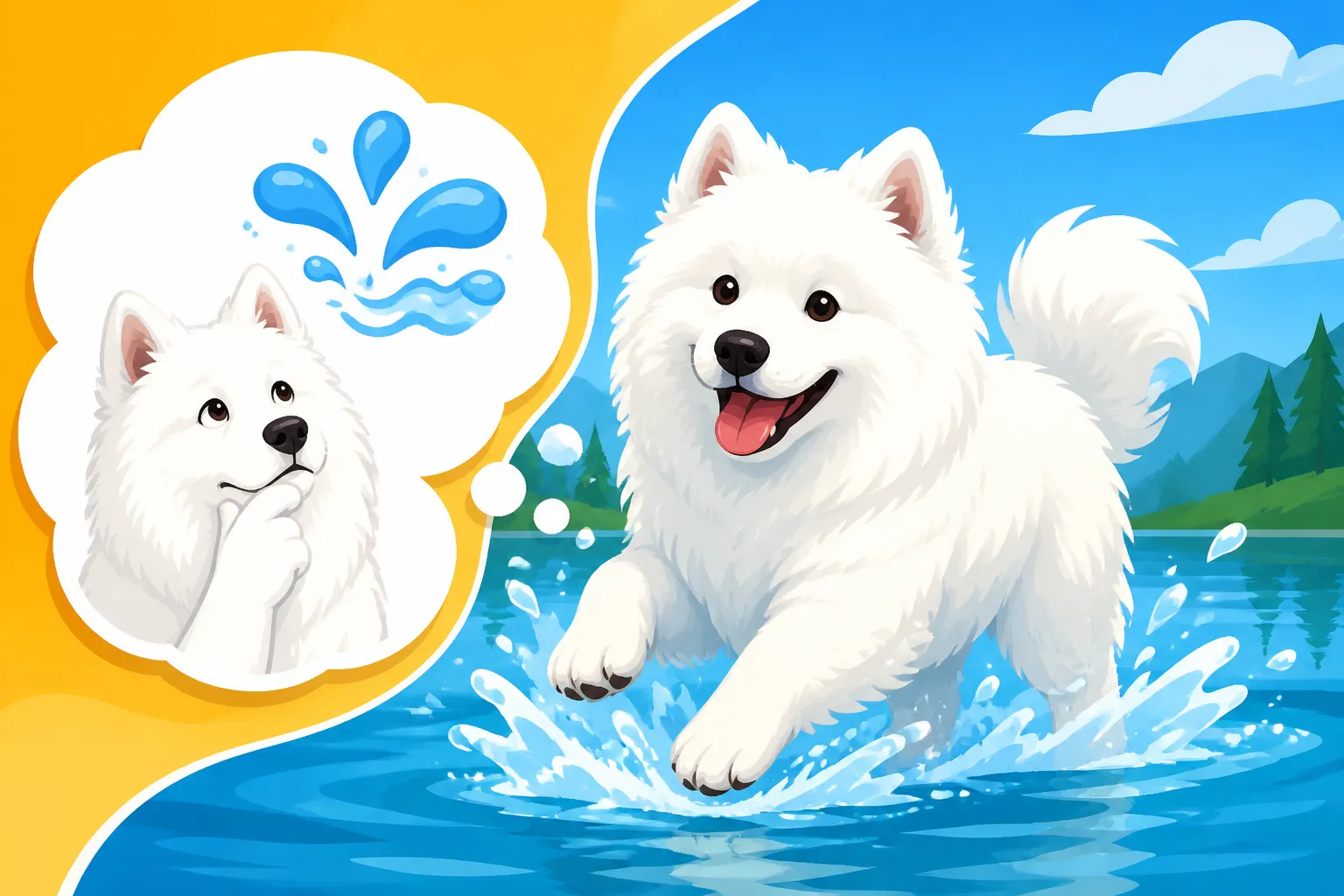
It’s a common misconception, particularly with northern breeds, that they all inherently detest water, associating them only with snow and ice. But the truth is, a Samoyed’s relationship with water can be wonderfully varied, ranging from utter disdain to absolute adoration. This guide will dive deep into why some Samoyeds are keen swimmers and splashers, while others treat a puddle like the deepest ocean, and how you can gently encourage a positive association with water for your fluffy friend.
Understanding the Samoyed's Ancestral Relationship with Water
When we think of Samoyeds, our minds often jump to vast, icy tundras, pulling sleds, and herding reindeer. And while those images are certainly accurate to their heritage, it's easy to overlook how water, in its various forms, would have been an intrinsic part of their daily lives. The ancient Samoyed people, the Nenets, lived in close proximity to rivers, lakes, and the Arctic Ocean, and their dogs adapted to this environment in many ways.
Working Roles and Environmental Adaptations
The original Samoyeds were working dogs, and their jobs often brought them into contact with water. Whether it was herding reindeer across marshy terrain, or traveling alongside their human companions who fished or moved camps along waterways, being around water was simply part of existence. They weren't necessarily bred as avid water retrievers like a Labrador, but they weren't strictly land-locked either. Their thick, double coat, while fantastic for insulating against the cold, also provided a layer of protection against dampness and could shed water fairly well if not fully saturated and matted.
Think about it: in a land dotted with countless bodies of water, a dog that was entirely adverse to getting wet would have been severely hampered. While they might not have been diving champions, a certain tolerance, or even enjoyment, of getting their paws wet or wading into shallow streams would have been a distinct advantage. Their ancestors needed to navigate varied terrain, and that included wet ground, shallow rivers, and icy patches where water was ever-present. This means that while some Samoyeds might prefer a good snow roll to a swim, the genetic blueprint for tolerating, and even enjoying, water is definitely in there.
The Myth of All Northern Breeds Hating Water
It’s a persistent stereotype that all dogs from snowy regions, like Samoyeds, Siberian Huskies, and Alaskan Malamutes, universally hate water. This isn’t quite true. Many individual dogs within these breeds absolutely love to swim, splash, and play in water. The idea likely stems from their thick coats, which can become heavy and take a long time to dry when completely soaked, especially in cold climates. For a wild or working dog, a soaking wet coat in freezing temperatures could be dangerous, so a natural caution around deep water makes sense.
However, this caution doesn't translate to outright fear for all. Consider the joy many Samoyeds find in playing in sprinklers, digging in mud puddles, or splashing in a Kiddie Pool for a Samoyed Costs. These aren't deep water activities, but they clearly involve water. It's more about their individual personality, early experiences, and comfort levels. Some Samoyeds will enthusiastically join you for a lakeside adventure, while others might view even a damp patch of grass with suspicion. It really is a case-by-case basis, and often a delightful surprise for owners who expected a complete water-phobe.
Factors Influencing a Samoyed's Water Preference
So, why does one Samoyed joyfully cannonball into a lake while another delicately steps around a dew-covered lawn? There are several factors at play, from genetics and early exposure to coat considerations and even perceived threat. Understanding these can help you better interpret your Samoyed's unique water personality.
Early Experiences and Socialization
Just like with any new experience, a Samoyed’s first encounters with water can heavily influence their lifelong attitude. A negative experience – perhaps being forced into water, or a frightening slip on a wet surface – can create a lasting aversion. Conversely, positive and gentle introductions, especially during puppyhood, can foster a love for water.
Imagine a little Samoyed puppy, cautiously sniffing at a shallow stream, encouraged by gentle praise and a few tasty treats. This positive memory can build confidence. On the other hand, if a puppy is thrown into a pool, or falls into deep water unexpectedly, the shock and fear can be hard to overcome. It’s crucial to remember that patience and positive reinforcement are key. If your Samoyed is wary, never force the issue. Small steps, like walking through dew-kissed grass, then a shallow kiddie pool, then perhaps a calm, shallow lake, will make all the difference. Think of it as building trust, one gentle splash at a time. This kind of thoughtful socialization extends to many aspects of their early life, influencing everything from their comfort in new environments to how they react to unfamiliar objects.
Coat Care and Drying Concerns
The Samoyed’s magnificent double coat, while their crowning glory, can also be a significant factor in their water preferences. When wet, that dense undercoat absorbs a tremendous amount of water, making them incredibly heavy and difficult to dry. This isn't just an inconvenience; a damp coat that isn't dried properly can lead to skin issues, matting, and even hot spots underneath the dense fur. Drying a Samoyed to the Skin is a monumental task, often requiring specialized grooming equipment like a high-velocity dryer.
For some Samoyeds, the sheer discomfort of a heavy, waterlogged coat might make them reluctant to get fully immersed. They might enjoy wading or splashing, where their coat doesn't get completely soaked, but draw the line at full-body submersion. Owners, too, might inadvertently reinforce this by limiting water play due to the daunting task of drying afterwards. It’s a valid concern, as improper drying can lead to painful mats and skin infections. So, if your Samoyed seems hesitant, part of it might just be a natural aversion to feeling heavy and damp for hours on end, or even an instinctive understanding that a wet coat takes ages to dry.
Individual Personality and Play Drive
Beyond environmental factors and practical concerns, a Samoyed's individual personality plays a huge role. Some Samoyeds are just naturally more adventurous and curious, ready to try anything new, including a dip in the lake. Others are more reserved, preferring to observe from a distance. Their play drive also influences their interest in water. If chasing a ball into shallow water is part of their favorite game, they might overcome any initial hesitation.
I've seen Samoyeds who will plunge headfirst into a muddy puddle with glee, and others who will delicately pick their way around a small splash from a watering can. It's all part of their unique charm! If your Samoyed has a strong prey drive, for example, a floating toy might be too irresistible to ignore, prompting them to wade in after it. Some Samoyeds simply find the sensation of water stimulating and fun, while others are content with a good run in the park. There's no single "Samoyed way" when it comes to water; it's as varied as their personalities.
Introducing Your Samoyed to Water Positively
If your Samoyed isn't naturally keen on water, or you just want to ensure their first experiences are positive, there are plenty of gentle, encouraging ways to help them build confidence. Remember, the goal is always comfort and safety, never force.
Starting Small: Kiddie Pools and Sprinklers
The best way to introduce a hesitant Samoyed to water is by starting small and making it a fun, low-pressure experience. A shallow kiddie pool is an excellent first step. Fill it with just an inch or two of lukewarm water – enough to cover their paws but not overwhelm them. Toss in some favorite waterproof toys or even some tasty treats from a brand like Ollie to encourage them to step in. You can sit beside the pool, dangling your hand in the water, showing them it's safe.
Sprinklers are another fantastic option for a playful introduction, especially on a warm day. Many Samoyeds adore playing in the spray, leaping and snapping at the water droplets without having to immerse themselves fully. It's a great way for them to cool off and associate water with fun. How a Samoyed Should Be Cooled Down often involves gentle water play, and a sprinkler or a shallow pool fits the bill perfectly. Remember to keep sessions short and always end on a positive note, even if it's just a few seconds of interaction. Consistency, combined with patience and plenty of praise, will go a long way in building a positive association.
Gradual Exposure to Natural Water Bodies
Once your Samoyed is comfortable with a kiddie pool or sprinkler, you can slowly introduce them to natural water bodies. Choose calm, shallow areas with a gentle slope – a quiet lake shore or a slow-moving stream is ideal. Avoid fast currents, steep drop-offs, or crowded beaches with lots of distractions. Again, start with just wading. Walk into the water yourself, a little bit at a time, and encourage your Samoyed to follow.
Bring their favorite floating toys, perhaps something durable you found on Chewy, and toss them just a few feet into the water. If they wade in to retrieve it, celebrate their bravery! Never throw them in or drag them. Some Samoyeds might enjoy simply splashing at the water's edge, using their paws, which is perfectly fine. The idea is to let them explore at their own pace, building confidence step by step. If they show any signs of fear or reluctance, retreat and try again another day with an even more gentle approach.
Safety First: Life Vests and Supervision
Even if your Samoyed becomes a water-lover, safety must always be paramount. Not all dogs are natural swimmers, and even strong swimmers can get into trouble. A well-fitting canine life vest is a fantastic investment, especially when introducing them to deeper water or for extended swimming sessions. It provides buoyancy and often has a handle on the back, making it easier to lift your Samoyed out of the water if needed.
Always supervise your Samoyed closely around any water, whether it's a pond, a lake, or even a backyard pool. Be aware of potential hazards like strong currents, underwater debris, or slick surfaces. After any water play, thoroughly dry your Samoyed's coat, paying extra attention to the dense undercoat and areas like armpits and groin, to prevent matting and skin issues. A good quality high-velocity dryer can be a lifesaver here, and you can often find great options on Amazon. Even a quick dip can lead to a long drying process if not done effectively.
Fun Water Activities for Your Samoyed
For those lucky owners whose Samoyeds embrace their inner water dog, a whole world of fun activities opens up. These aren't just about cooling off; they're excellent ways to provide mental and physical stimulation, especially on warmer days when strenuous land exercise might be too much. For example, Whether a Samoyed Should Walk at Midday is often a resounding no in summer, making water activities a great alternative.
Swimming and Fetching
If your Samoyed takes to swimming, it can be an incredible full-body workout that's gentle on their joints. Many Samoyeds love to play fetch in the water, retrieving floating toys you toss for them. This combines their natural playfulness with the physical challenge of swimming. Just be sure to use toys specifically designed for water play – they should float high and be easy for your dog to grasp.
Always choose safe swimming locations, free from strong currents, heavy boat traffic, or algae blooms. A large, calm lake or a designated dog-friendly swimming area is usually best. Remember to monitor them for signs of fatigue, and never let them overdo it, especially if they are new to swimming. A few short sessions are better than one long, exhausting one. And of course, always have fresh water available for them to drink, to discourage them from drinking lake or river water, which might contain harmful bacteria.
Sprinkler and Hose Play
For Samoyeds who prefer lighter water interaction, sprinklers and garden hoses offer endless entertainment. Many Samoyeds find immense joy in pouncing on water jets, trying to "catch" the water, or rolling in the damp grass. It's a fantastic way to engage their playful side and help them cool down without the full commitment of a swim.
You can make it a game: gently spray the hose in an arc, letting them chase the water. Some dogs even enjoy a gentle stream directed at their belly or paws. This kind of play is perfect for hot days when you want to avoid overheating during intense exercise. Signs a Samoyed Is Overheating include excessive panting and lethargy, so keeping them cool with water play is a responsible choice. Just be mindful not to spray water directly into their face or ears, which can be uncomfortable or even lead to ear infections.
Digging and Splashing in Puddles
While perhaps not as glamorous as swimming, for many Samoyeds, the pure joy of digging and splashing in puddles or muddy patches is unbeatable. It taps into their natural instinct to dig – The Holes a Samoyed Digs in a Yard often stem from curiosity or a desire to create a cool spot – and combines it with the sensory experience of water.
This might mean your sparkling white Samoyed comes back looking like they rolled in a mud bath, but the sheer delight on their face will be worth it! This isn't just about playing; it's about exploring their environment and engaging in natural behaviors. As long as the puddles are safe (no standing chemicals or stagnant, dangerous water), letting your Samoyed indulge in a good splash can be a wonderful, enriching experience. Just be prepared for the cleanup afterwards, and maybe keep a designated "mud towel" handy by the door!
Disclaimer
This article is for general informational purposes only and does not constitute professional advice. Laws, prices and regulations vary by location and change over time. Consult a qualified professional for guidance on your specific situation.