Settling a Rehomed Adult Samoyed
Bringing a rehomed adult Samoyed into your life is an incredibly rewarding experience, but let's be honest, it often comes with a unique set of challenges and anxieties. You're bringing home a dog with an unknown past, and you're probably wondering how long it will take for them to truly feel at home, to trust you, and to shed any old habits. This guide is here to walk you through the essential steps and realistic expectations for helping your rescue Samoyed transition smoothly and blossom in your loving care.
Understanding the Initial Adjustment Period
When your rehomed Samoyed first steps paw into your home, it's not going to be a fairytale overnight transformation. They've been through a lot, whether it was a previous loving home that could no longer keep them, or perhaps a more difficult past in a shelter environment. Their world has just been turned upside down, even if for the better. Expect a period of decompression, where they might seem aloof, quiet, or even a bit overwhelmed. This isn't a reflection of you or your home; it's simply a natural response to massive change.
The Two-Week Shutdown Philosophy
Many experienced rescue advocates talk about the "two-week shutdown," and while it's not a hard-and-fast rule, it's a brilliant philosophy to adopt. The core idea is to minimize new stimuli and allow your Samoyed to observe, absorb, and slowly feel safe in their new surroundings without pressure. This means limiting visitors, keeping walks short and structured, and avoiding trips to busy dog parks or new environments. Imagine moving to a new country where you don't speak the language; you'd want some quiet time to get your bearings before being thrown into a giant party!
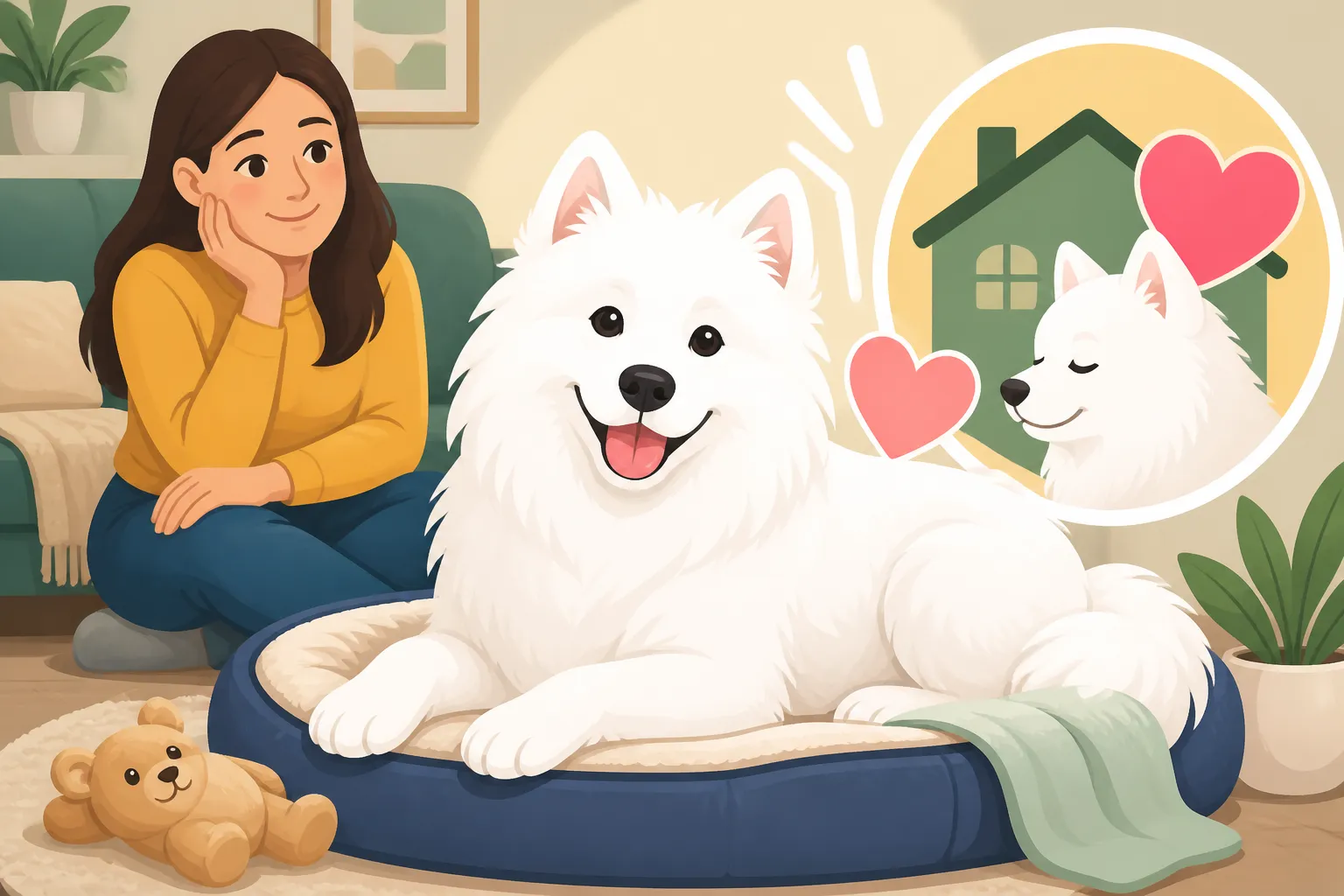
During this phase, focus on creating predictable routines. Feed them at the same times, take them out for potty breaks in the same spot, and establish a consistent bedtime. This predictability is like a warm blanket for an anxious dog. It signals that things are stable, and they can start to relax. Don't push for cuddles or demand interaction; let them initiate. A comfortable dog bed in a quiet corner, or perhaps a Crate Sized for a Samoyed Costs can become their safe haven. Offer high-value chews or puzzle toys to engage their minds without direct interaction, helping them associate their new home with positive, calming experiences.
Setting Up a Safe and Predictable Environment
Your home needs to become a sanctuary for your rehomed Samoyed. Before they even arrive, scout out potential escape routes, especially if you know How a Samoyed Gets Out of Anything You Build. This includes ensuring fences are secure, gates have sturdy latches, and windows are not easily accessible for a curious nose. Think about their previous living situation, if you know it. Did they have a yard? Were they primarily indoors? Try to mimic elements that might bring them comfort while slowly introducing new, positive ones.
A designated "safe space" is crucial. This could be a crate in a quiet room, a sectioned-off area with a baby gate, or even just a cozy bed in a low-traffic part of the house. Equip this space with a comfy bed, fresh water, and a long-lasting chew or Kong toy. Teach everyone in the household, especially children, that this space is the dog's private zone and they should not be disturbed when in it. For dogs who have experienced trauma, having a place where they can retreat and not be bothered is essential for building trust. It's not about isolating them; it's about empowering them with choice and control over their environment, something they may not have had before.
| Initial Adjustment Phase | Focus Areas | What to Avoid |
|---|---|---|
| First Few Days (0-3) | Strict routine, quiet environment, potty breaks, feeding. | Overstimulation, visitors, new places, forced interaction. |
| First Week (4-7) | Gentle leash walks, safe space reinforcement, quiet play. | High-energy activities, dog parks, meeting many new people. |
| First Two Weeks (8-14) | Consistent expectations, bonding through positive reinforcement. | Rushing training, loud noises, sudden changes in routine. |
| Beyond (14+) | Gradual introduction of new experiences, continued routine. | Ignoring warning signs of stress, complacency. |
Navigating Common Behavioral Challenges
Adult Samoyeds, especially those from rescue situations, can come with a mixed bag of behaviors. Some might be shy and withdrawn, others might be exuberantly pushy, and many will have a few quirks that need understanding and gentle redirection. Remember, their behaviors are often coping mechanisms developed in their past, not necessarily defiance. Patience and consistency are your greatest tools.
Building Trust and Understanding Communication
Trust isn't given; it's earned, especially with a dog who might have learned that humans aren't always reliable. To build trust, become a predictable and benevolent leader. This means being consistent with rules, using positive reinforcement, and never punishing fear or anxiety. A raised voice or harsh correction can erode budding trust instantly with a sensitive Samoyed. Instead, reward calm behavior, eye contact, and engagement. Many Samoyeds are motivated by food, so high-value treats are your friend!
Understanding your Samoyed's subtle cues is also key. Are they licking their lips, yawning, or turning their head away? These are often signs of stress or discomfort. A classic "Samoyed smile" might look happy, but sometimes it masks deeper anxiety if paired with stiff body language. Pay attention to their tail carriage—is it tucked, or loosely curled? Are their ears flattened? Learning to read their non-verbal communication will help you avoid pushing them past their comfort zone and deepen your bond. Observing their interactions with new people or dogs will also tell you How a Samoyed Behaves With Other Dogs and help you manage introductions safely.
Addressing Training Gaps and Past Habits
It's common for rehomed adult Samoyeds to have some gaps in their training, or perhaps habits that were acceptable in a previous home but not in yours. This could range from counter-surfing to leash pulling or excessive vocalization. Don't assume they "know better" and are being stubborn; assume they simply haven't been taught your rules in your environment, or that their previous training has broken down due to stress.
Start with basic obedience cues like "sit," "stay," and a reliable recall, always using positive reinforcement. If your Samoyed is particularly food-motivated, this will be easier. Consistency is vital: everyone in the household needs to use the same commands and expectations. For challenges like leash pulling, which many Samoyeds are prone to because Pulling: What a Samoyed Was Actually Bred to Do, invest in a front-clip harness or a head halter to help manage their strength while you work on loose-leash walking. If they have issues with barking or the notorious The Samoyed Scream and Why It Is Not Barking, consider managing triggers and practicing a "quiet" cue. For more complex issues, consider professional help. Online resources like BAXTER & Bella offer comprehensive training programs that can be incredibly helpful for new dog owners, providing structured guidance from basic manners to more advanced behavioral work, all from the comfort of your home.
Managing Separation Anxiety and Vocalization
Many rehomed dogs experience some level of separation anxiety, especially after forming a bond with their new family. Samoyeds, being highly social dogs that were bred to live and sleep close to their human companions, are particularly prone to wanting to be in the room with you and can become quite vocal if left alone. This isn't just a puppy thing; an adult Samoyed can develop this, especially during a period of transition.
Gradual desensitization is key. Start by leaving them alone for very short periods (seconds to minutes) while you're still home, slowly increasing the duration. Provide high-value, long-lasting distractions like a frozen Kong stuffed with peanut butter or a chew toy they only get when you leave. Avoid making a big fuss when you leave or return; keep departures and arrivals low-key. If their vocalization is truly excessive and impacting your neighbors, you might need to explore options like soundproofing a room, or working with a certified professional dog trainer who specializes in separation anxiety. How Much Exercise Quiets a Samoyed is also a crucial factor; a tired Samoyed is a quieter, happier Samoyed. Regular, vigorous exercise before you leave can make a world of difference.
Building a Lasting Bond and Routine
The adjustment period will eventually give way to a deeper connection. As your Samoyed settles in, the focus shifts from managing the transition to enriching their life and solidifying your bond. This isn't a race; it's a marathon, and every step you take builds the foundation for a happy, healthy relationship.
Establishing a Consistent Daily Schedule
Dogs thrive on routine, and a rehomed adult Samoyed craves the security that a predictable schedule provides. This goes beyond just feeding and potty breaks. It includes consistent exercise times, dedicated play sessions, and even quiet time for napping. For example:
- Morning: Potty break, breakfast, morning walk/play session.
- Mid-day: Potty break (if someone is home or they have yard access).
- Afternoon: Potty break, another walk/training session.
- Evening: Dinner, winding down, last potty break before bed.
Stick to this schedule as closely as possible, even on weekends. When changes are necessary, introduce them gradually. This consistency helps your Samoyed understand what to expect from their day, reducing anxiety and making them feel more secure. Over time, they'll learn the rhythm of your household and begin to relax fully.
Providing Mental and Physical Enrichment
A bored Samoyed is often a naughty Samoyed. These intelligent, energetic dogs need more than just a walk around the block; they need outlets for their minds and bodies. Mental enrichment is just as important as physical exercise. Consider puzzle toys, interactive feeders, or even teaching them new tricks. What a Samoyed Will Work For often involves food and praise, making training sessions excellent mental stimulation.
Physical exercise should be tailored to their age, health, and previous activity levels. While they were bred to pull, you might not be ready for a full sledding rig. Long walks, hiking, or even just vigorous play in a secure yard can be sufficient. If you live in a warmer climate, remember A Samoyed Built for Sixty Below in an American Summer means careful consideration of exercise times to avoid overheating. Early morning or late evening walks are often best. If you're looking for durable, engaging toys or enrichment tools, online retailers like Amazon offer a vast selection, from snuffle mats to durable chew toys that can stand up to a Samoyed's chewing power. Ensuring they have a variety of toys, rotated regularly, keeps their interest piqued.
Continuing Socialization and Positive Exposure
Even adult Samoyeds benefit from continued, positive socialization. This isn't just about meeting other dogs; it's about positive exposure to different environments, sounds, people, and experiences. However, with a rehomed dog, this must be done carefully and at their pace. Avoid overwhelming them. Instead of a busy dog park initially, opt for quiet walks in new neighborhoods or meeting one calm, friendly dog at a time.
Focus on quality over quantity. If they seem stressed, remove them from the situation. The goal is to create positive associations. Enrolling in an adult dog manners class can be a fantastic way to continue their socialization in a controlled environment while also reinforcing your bond and their training. It also helps them learn that new experiences can be safe and fun, rather than scary. Remember that A Samoyed With Children and Other Animals generally does well, but always supervise initial interactions and teach everyone how to respectfully interact with your dog.
Troubleshooting and Long-Term Considerations
Even with the best intentions and routines, you might encounter bumps in the road. It's crucial to approach these with understanding, rather than frustration, and to be prepared for the long haul.
Addressing Persistent Anxiety or Fear
If your Samoyed continues to exhibit signs of anxiety or fear despite your efforts to create a safe, consistent environment, it might be time to seek professional help. This could manifest as excessive panting, pacing, destructive chewing, inappropriate urination, or persistent hiding. A certified professional dog trainer or a veterinary behaviorist can assess the situation and provide tailored strategies. They can help identify triggers, implement desensitization and counter-conditioning protocols, and, if necessary, discuss medication as part of a comprehensive behavior modification plan. Remember, these professionals are there to support both you and your dog, not to judge.
It’s also worth considering your Samoyed's background. If you adopted them from a rescue, they often have insights into the dog's known history or observed behaviors in their care. This information can be invaluable for understanding potential triggers or deeply ingrained habits. Don't be afraid to ask for advice from the organization you adopted from; they often have resources and experience specific to rehomed dogs.
Understanding the Long-Term Commitment
Settling a rehomed adult Samoyed isn't a short-term project; it's a long-term commitment. It can take months, sometimes even a year or more, for a dog to truly feel completely relaxed and secure in their new home, to fully let their guard down and show their true personality. There will be good days and challenging days. Celebrate the small victories, like when they finally initiate a cuddle, play with a new toy, or confidently greet a new person.
Your patience, consistency, and unwavering love are the most powerful tools you have. Over time, your Samoyed will learn that they are safe, loved, and finally home. They'll transition from being a "rehomed" dog to simply being "your dog," a cherished member of your family. The bond you build through this journey will be incredibly strong and deeply rewarding, a testament to your dedication and their resilience.
Disclaimer
This article is for general informational purposes only and does not constitute professional advice. Laws, prices and regulations vary by location and change over time. Consult a qualified professional for guidance on your specific situation.