The Age a Samoyed Starts Testing Boundaries
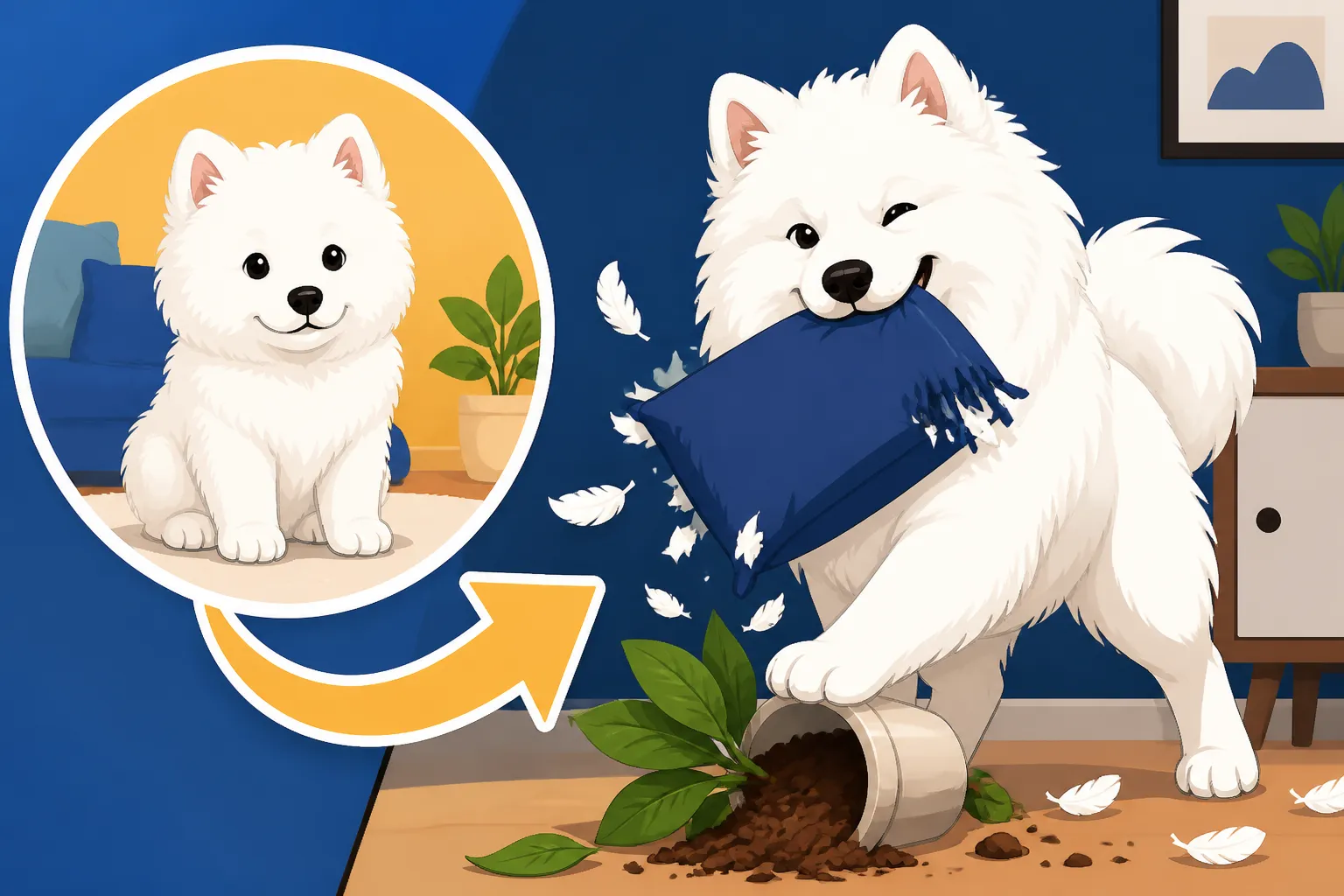
Oh, the sheer joy of bringing home a fluffy Samoyed puppy! They're all sweet smiles and playful nips, making you think you've won the doggy lottery with the most agreeable companion ever. But then, as they grow, a curious shift happens. That angelic fluffball starts to look at you with an intelligent glint in its eye, deciding that maybe, just maybe, your rules are more like suggestions. This guide is here to walk you through the distinct phases when your adorable Samoyed will begin to test boundaries, why they do it, and how you can navigate these challenging yet crucial periods with grace and consistency, turning those "suggestions" back into clear expectations.
The Puppyhood Pushback: When Little Sammies Start to Assert Themselves
It's easy to dismiss early boundary-testing behaviors in a Samoyed puppy as just "being a puppy," and while there's truth to that, these early pushes for independence are the foundation for more significant challenges later on. Understanding when and how they begin to assert themselves can help you establish clear expectations from the start.
Early Signs of Independence (3-4 months)
Even before they hit their full growth spurt, those little Samoyed pups start getting bold. Around three to four months old, you might notice subtle shifts. Perhaps they're a little more reluctant to come when called, choosing to explore that fascinating leaf or sniff that interesting patch of grass for just a few seconds longer, despite your calls. They might decide that the comfy dog bed you bought for them is less appealing than the cool tile in the kitchen, or the prohibited rug in the living room. This isn't usually outright defiance yet, but it's a natural inclination to explore their world and test the limits of your attention. They're learning cause and effect: "If I don't come immediately, what happens? Does anything happen?" The First Year With a Samoyed Puppy is filled with these little discoveries, and how you respond now sets the stage. It's a critical time to be extra consistent with praise and rewards for desired behaviors, making sure that following your lead is always more appealing than going their own way.
The "Testing the Waters" Phase (5-8 months)
As your Samoyed puppy moves into the five to eight-month range, their confidence blossoms, and with it, a more deliberate "testing the waters" phase. This is when they start to understand that "no" doesn't always mean "no" if they try it again a minute later, or if you're not looking. You might find them pushing forbidden items off coffee tables, trying to sneak onto the sofa the moment you leave the room, or ignoring a "leave it" command when a particularly tantalizing dropped crumb is involved. Their attention spans can shrink dramatically, especially when there's something exciting happening. This isn't malice; it's a highly intelligent, independent breed learning about their environment and the flexibility of your rules. They're trying to figure out if the rule is truly universal, or if it has exceptions. If you let them get away with something "just this once," they’ve learned a valuable lesson – the rule isn't absolute.
Nipping and Mouthing: More Than Just Play
While all puppies mouth and nip, in Samoyeds, this behavior can also become a form of boundary testing, especially if it's not consistently redirected. Around this age, if they're still using their mouths excessively on hands or clothing, and it feels less like gentle play and more like a demand for attention or a refusal to be handled, it's a sign. They might be testing how much control they have over interactions. If a sharp yelp from you causes them to pause, but then they immediately try again, it’s a clear test. This isn't just about sharp teeth; it's about establishing who dictates the interaction. Addressing this firmly but gently is crucial. The Age a Samoyed Puppy Stops Mouthing explains how important it is to be consistent in teaching bite inhibition and redirecting to appropriate chew toys, rather than letting them believe that mouthing people is an acceptable way to communicate or push boundaries.
Teenage Rebellion: The Prime Boundary-Testing Age
Just like human teenagers, Samoyeds hit an adolescence phase where everything you taught them seems to fly right out the window. This period can be incredibly frustrating, feeling like a step backward in your training journey, but it's a normal part of their development.
The Adolescent Surge (8-18 months)
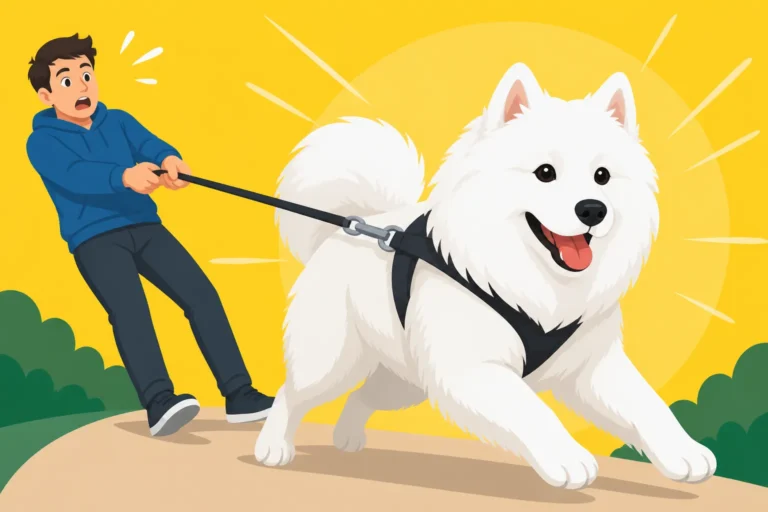
The real fun begins as your Samoyed barrels into adolescence, typically between eight and eighteen months. This is often the prime time for significant boundary testing. Your once-attentive puppy, who perhaps even knew a few tricks, suddenly develops selective hearing. Recall might become a distant memory in distracting environments. Leash manners can deteriorate, turning walks into a constant tug-of-war. They're bursting with energy, hormones are likely playing a role (especially if they're intact), and their desire to explore, investigate, and challenge everything around them is at an all-time high. It feels like they're trying to figure out their place in the pack, and they're definitely trying to see if they can be the leader. This period is when many Samoyed owners throw up their hands, wondering Training a Samoyed That Finds Obedience Negotiable. The key is to remember this is a phase of intense learning and development, not a sign that your Samoyed is inherently "bad" or untrainable.
Selective Hearing and the "What's in it for me?" Attitude
During adolescence, a Samoyed's inherent independence and intelligence really shine through – often in ways that are deeply inconvenient for their human companions. They become masters of the "what's in it for me?" negotiation. You might ask them to sit, and they'll give you a look that clearly asks, "And why should I?" If the reward isn't immediate, highly motivating, or if there's a more interesting squirrel to chase, your voice might simply blend into the background. This selective hearing isn't necessarily disobedience; it's often a heightened awareness of their environment combined with a very practical, results-oriented mindset. They're constantly evaluating if complying with your request is worth the effort compared to the myriad other fascinating things in the world. This is where you might find yourself needing to re-evaluate What Actually Motivates a Samoyed to ensure your rewards are truly irresistible.
Leash Manners and Escape Artistry
One of the most common and often dangerous ways adolescent Samoyeds test boundaries is with leash manners and escape attempts. That adorable fluffball that once walked politely on a leash can transform into a sled dog in training, convinced that every walk is a race. They're testing the strength of the leash, your arm, and your resolve. They pull because they want to go there, and they're powerful enough to make it happen if you let them. Why a Samoyed Pulls on a Walk is a deep dive into this particular challenge.
Beyond walks, their intelligence and resourcefulness come to the forefront. Fences that seemed perfectly adequate suddenly become puzzles to solve. Gate latches might be fiddled with, weak spots in the fence line discovered, or previously ignored low points become jumping-off pads. Their drive to explore and roam is incredibly strong, making them true escape artists. This isn't always about escaping you, but escaping the perceived limitations of their yard. This boundary testing can be terrifying for owners, as a loose Samoyed can cover ground quickly and disregard traffic. Why a Samoyed's Recall Cannot Be Trusted highlights the importance of never underestimating their independent spirit and their drive to follow a scent or chase a squirrel, even if it means ignoring your frantic calls.
Strategies for Navigating the Testing Phases
Dealing with a Samoyed that's pushing boundaries requires patience, consistency, and a deep understanding of their unique personality. It's not about being harsh, but about being clear, firm, and always one step ahead.
Consistency and Clear Communication are Key
The absolute cornerstone of managing a boundary-testing Samoyed is unwavering consistency. If "sit" means "sit" every single time, in every location, with every family member, your Samoyed will eventually learn that it's a non-negotiable command. If sometimes they're allowed on the sofa and sometimes they're not, you're sending mixed signals that encourage them to keep testing. Every family member needs to be on the same page, using the same commands and enforcing the same rules. Your Samoyed is smart enough to figure out who the "soft touch" is and will exploit it! Clear communication also means being patient with yourself and your dog. Don't expect them to understand something after one or two repetitions. Samoyeds often need a lot of practice in various environments to truly generalize a behavior. It's not about breaking their spirit; it's about giving them the reliable framework they need to feel secure and understand expectations.
Positive Reinforcement and High-Value Rewards
While consistency is vital, the method of enforcement is equally important for a Samoyed. These intelligent, sensitive dogs respond far better to positive reinforcement than to punitive measures. Harsh corrections can shut them down or make them resistant. Instead, focus on making the right choice the most rewarding choice. When your Samoyed offers a desired behavior (even if it's after some hesitation), lavish them with praise, a favorite toy, or, most effectively, a high-value treat. Think beyond plain kibble for those challenging moments; diced cheese, cooked chicken, or specialty soft treats can be incredibly motivating. For online training resources that emphasize positive methods, structured courses like those offered by BAXTER & Bella can be incredibly helpful. They often break down complex behaviors into manageable steps, making it easier for both you and your Samoyed to succeed. Remember, your Samoyed will always be asking "What's in it for me?", so make the "it" worth their while!
Mental and Physical Stimulation as a Solution
A bored Samoyed is a destructive Samoyed, and a tired Samoyed is a well-behaved Samoyed. Many boundary-testing behaviors, especially digging, excessive barking, or destructive chewing, stem from a lack of adequate mental and physical stimulation. Samoyeds are intelligent working dogs. They need a job. If you don't provide one, they'll invent their own, and you likely won't approve of their choices. What a Bored Samoyed Does to a House outlines just how creative they can get.
Regular, vigorous exercise is crucial. This doesn't just mean a quick walk around the block. Think about their heritage: they were bred to pull. Activities like canicross, bikejoring, or even just long, brisk hikes can burn off physical energy. How Much Exercise a Samoyed Needs is often more than new owners realize. Beyond physical exertion, mental engagement is key. Puzzle toys (many available on Amazon), scent work, obedience training sessions, or even learning new tricks can tire out their clever brains just as much as a run. A dog whose needs are met physically and mentally is less likely to test boundaries out of sheer boredom or frustration.
Here's a quick look at common boundary-testing behaviors by age:
| Age Range (Approximate) | Common Boundary-Testing Behaviors | Why They Do It | Management Strategy |
|---|---|---|---|
| 3-4 Months | Delayed recall, exploring forbidden areas, increased mouthing on hands/clothing, resisting handling. | Natural curiosity, testing limits of attention, learning cause & effect. | Hyper-consistency, high-value rewards for compliance, redirection. |
| 5-8 Months | Ignoring known commands, counter-surfing, sneaking onto furniture, destructive chewing beyond normal puppy phase. | Increased confidence, testing rule consistency, exploring independence. | Continue consistency, proof commands in new environments, supervision, management. |
| 8-18 Months | Severe leash pulling, poor recall, fence jumping/digging out, selective hearing, increased vocalization (barking/screaming). | Adolescent hormones, strong drive to explore, seeking leadership role, boundless energy. | Intensive training, focus on motivation, secure fencing, increased physical/mental exercise. |
| 18+ Months | Relapses in training, occasional defiance (often linked to boredom or inconsistent reinforcement). | Mature independence, persistent "what's in it for me?" attitude, seeking novel experiences. | Ongoing training, varied activities, maintaining high-value rewards, mental enrichment. |
When Professional Help Might Be Necessary
Sometimes, despite your best efforts, your Samoyed's boundary testing can feel overwhelming or even dangerous. It's important to know when to seek professional guidance, rather than struggling alone.
Recognizing Escalating Behavior
While some boundary testing is normal, there are signs that your Samoyed's behavior might be escalating beyond typical adolescent mischief. If the defiance becomes constant, if they're showing aggression when corrected (even mild growling or snapping), if escape attempts become routine and put them in danger, or if their destructive habits are causing significant damage to your home, it's time to consider professional help. Similarly, if you're feeling frustrated, overwhelmed, or resentful towards your dog, that's a huge sign that an outside perspective could be invaluable. These behaviors aren't just frustrating; they can indicate deeper issues with communication, unmet needs, or even underlying anxiety that a professional can help diagnose.
Finding the Right Trainer for Your Samoyed
When you decide to seek help, finding the right trainer is paramount. Not all trainers are created equal, and some methods can be detrimental to a sensitive, intelligent breed like the Samoyed. Look for trainers who use positive reinforcement, force-free methods, and have experience with northern breeds or independent, intelligent dogs. They should focus on building a relationship based on trust and clear communication, rather than dominance or punishment. Ask about their certifications, their philosophy, and definitely ask for references. Many breed clubs can also recommend local trainers who understand the Samoyed temperament. Services like BAXTER & Bella also offer structured online programs and coaching that can be a fantastic resource if in-person trainers are scarce or not the right fit for your schedule, providing consistent guidance right from your home. Whether a Samoyed Owner Needs a Professional Trainer really depends on the individual dog and owner, but there's no shame in getting expert help.
Training Beyond Basic Obedience
Sometimes, managing a Samoyed's boundary testing means going beyond simple "sit" and "stay." Engaging their working dog brains in more advanced activities can channel their energy and intelligence constructively. Consider exploring dog sports like Rally Obedience, Agility, or even scent work. These activities not only provide mental and physical stimulation but also strengthen the bond between you and your Samoyed, improving communication and reinforcing your leadership in a fun, positive way. For instance, teaching them to truly focus on a task in a distracting environment can work wonders for their "selective hearing." Even something like The Job a Samoyed Actually Needs can be fulfilled through structured activities, giving them a purpose that reduces their need to invent their own "jobs" that often involve challenging your rules. Keeping them engaged and feeling like a valuable member of your "pack" will always be your best defense against those smiling, boundary-testing eyes.
Disclaimer
This article is for general informational purposes only and does not constitute professional advice. Laws, prices and regulations vary by location and change over time. Consult a qualified professional for guidance on your specific situation.