Whether a Samoyed Belongs in a Hot State
It's a dream for many to bring a fluffy, smiling Samoyed into their lives, but for those of us living in states where the sun beats down relentlessly for months on end, a critical question quickly surfaces: can a Samoyed truly thrive in a hot climate? The honest truth is, while it's possible to keep a Samoyed in a hot state, it requires an immense, often unrealistic, level of commitment, resources, and vigilance that goes far beyond typical dog ownership. This guide will dive deep into the challenges, risks, and necessary adaptations, helping you understand the full scope of what it means to give a Samoyed a good life when nature designed them for the exact opposite environment.
Understanding the Samoyed's Natural Habitat and Design
When you look at a Samoyed, you're not just seeing a beautiful dog; you're looking at a living testament to centuries of adaptation to one of the most extreme environments on Earth. These dogs are purpose-built survivalists, and every aspect of their physiology screams "Arctic." To truly appreciate why hot climates are such a struggle, we need to understand their origins.
The Samoyed's Double Coat: More Than Just Fluff
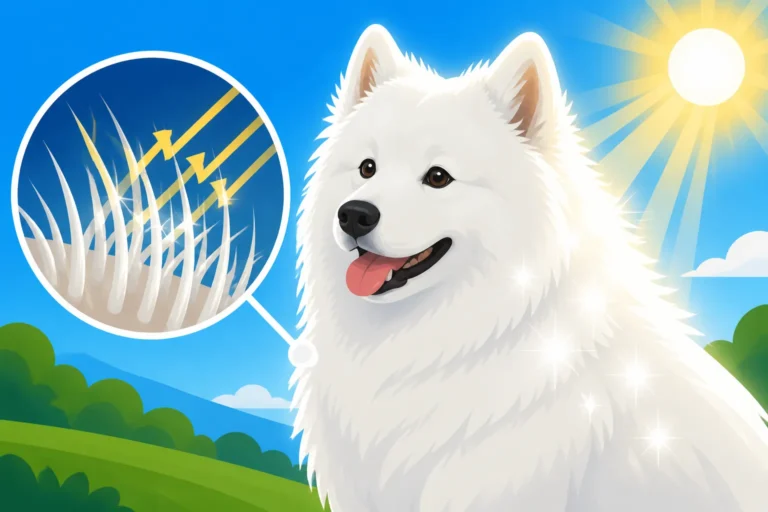
That glorious, thick, white coat isn't just for show – it's a marvel of natural engineering. A Samoyed possesses a dense, double coat consisting of a harsh, long outer guard coat and a soft, woolly undercoat. This combination is designed to provide incredible insulation, trapping a layer of air close to the body. In the freezing tundras of Siberia, this kept them warm, but here's the kicker: it also helps insulate them from heat. Think of it like a thermos. A thermos keeps hot things hot and cold things cold. The Samoyed's coat aims to keep their body temperature stable, regardless of the extreme outside conditions.
However, this insulation has its limits, especially when humidity is high. Unlike a dry cold, where their coat excels, a hot, humid environment can turn that protective layer into a stifling blanket. The air trapped within the coat can't cool efficiently if the ambient air is already hot and moisture-laden. This is why you often hear breeders and experienced Samoyed owners stress that A Samoyed's Coat Is Insulation, Not Decoration. It's a critical piece of their survival mechanism, not something that can be easily dismissed or altered without consequence.
Built for the Arctic, Not the Tropics
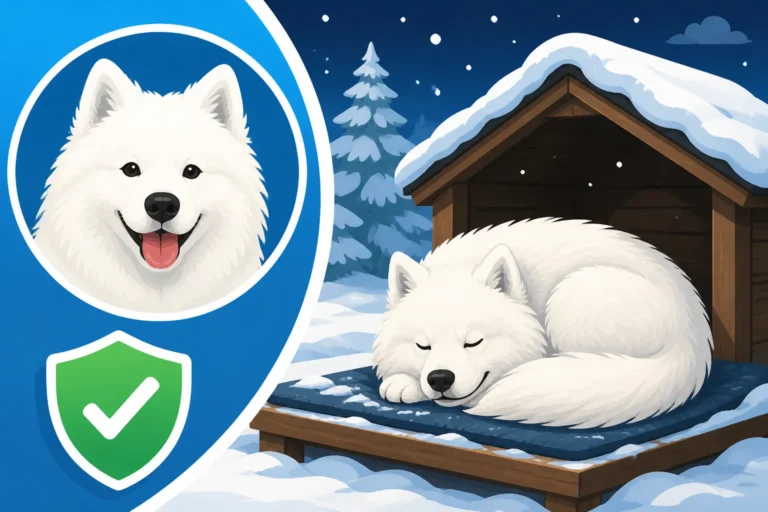
Imagine the Yamal Peninsula, the ancestral home of the Samoyed. Temperatures there routinely plummet far below zero, with blizzards and icy winds being the norm. The Samoyed's thick paw pads, their curled tail that can cover their nose for warmth, and their incredible stamina for pulling sleds or herding reindeer across vast, frozen landscapes are all traits honed over millennia to thrive in such conditions. They don't just tolerate cold; they excel in it. Their high energy levels are suited for vigorous exercise in cool weather, burning calories to stay warm, not dissipating heat in oppressive warmth.
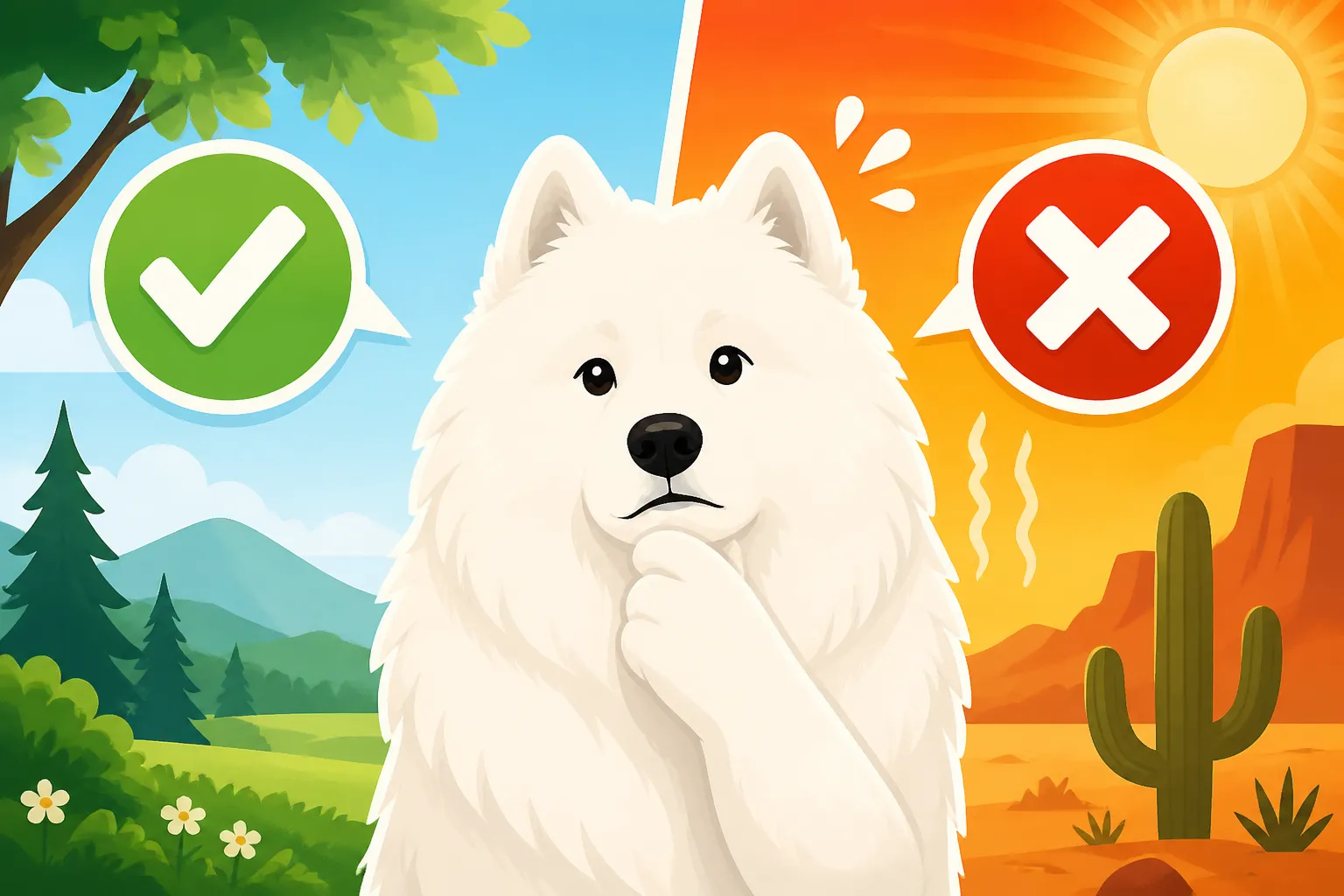
This profound genetic programming means that even with all the modern conveniences, asking a Samoyed to live comfortably in a place like Florida or Arizona is like asking a polar bear to enjoy a day at the beach in Cancun. Their bodies simply aren't designed for it, and every hot day becomes a battle against their own biology. For more on their origins, you might want to read The Nenets of the Yamal Peninsula Bred the Samoyed.
The Dangers of Heat for a Samoyed
The biggest, most immediate threat to a Samoyed in a hot climate is, without a doubt, heatstroke. This isn't just "feeling a bit warm"; it's a life-threatening emergency that can happen shockingly fast, even on seemingly mild days. Understanding the signs and acting quickly is paramount, but prevention is always the best course of action.
Recognizing the Signs of Overheating and Heatstroke
A Samoyed's natural "smile" can sometimes mask discomfort, making it harder to spot early signs of distress. However, their body language will tell you volumes if you know what to look for. Excessive panting, far beyond what you'd expect after mild exercise, is usually the first major indicator. Their gums might become bright red, then later pale or even bluish as their circulation struggles. They might appear disoriented, wobbly, or even collapse. Vomiting and diarrhea are also common, as is a rapid heartbeat. In severe cases, they can seizure or fall unconscious.
It's a terrifying experience to see your beloved dog succumb to heatstroke, and it can leave lasting organ damage even if they survive. Many owners describe the suddenness of it: one moment, the dog seems fine, the next they're in crisis. This is why knowing Signs a Samoyed Is Overheating is so crucial. Don't wait for your Samoyed to be visibly suffering; if you see any of these signs, consider it an emergency.
Long-Term Health Risks in Hot Climates
Beyond acute heatstroke, prolonged exposure to heat and the stress of constantly trying to stay cool can contribute to other health issues in Samoyeds. Their cardiovascular system is under constant strain, working overtime to regulate body temperature. Dehydration, even mild chronic dehydration, can impact kidney function over time. Skin issues, such as hot spots or fungal infections, can become more prevalent due to humidity trapped in their thick coats, especially if grooming isn't meticulous.
Furthermore, the lack of appropriate exercise due to heat can lead to obesity, which in turn exacerbates heat intolerance and can lead to other problems like diabetes or joint issues. Imagine your active, high-energy Samoyed, designed for pulling and running, being confined to air conditioning for 90% of the day. This isn't just about physical health; it's about their mental and behavioral well-being, too. They need outlets for their energy, and if the climate prevents that, it becomes a significant welfare concern.
Adapting Your Lifestyle and Environment
If you absolutely must have a Samoyed in a hot state, you need to be prepared to make drastic changes to your lifestyle and home environment. This isn't about minor adjustments; it's about fundamentally altering how you live to accommodate your dog's needs.
Indoor Living and Air Conditioning as Non-Negotiables
Your Samoyed will be primarily an indoor dog, regardless of your personal preferences. Leaving them outside, even in a shaded yard, during daylight hours in a hot climate is simply irresponsible and dangerous. A Samoyed Built for Sixty Below in an American Summer means they simply cannot cope with the high temperatures. This isn't just during summer peaks; many southern states have dangerously warm temperatures well into spring and fall.
Air conditioning isn't a luxury; it's an absolute necessity. You'll need to run your AC almost constantly, and you might even need to keep your home cooler than you typically prefer. This will inevitably lead to higher utility bills, which is a factor many new owners underestimate. Consider reading What Air Conditioning Adds to a Samoyed Household to get a clearer picture of this cost. Even then, you'll need to ensure your AC is well-maintained and never fails. What's your backup plan if the power goes out or your unit breaks during a heatwave? Many Samoyed owners in hot climates have portable AC units as emergency backups or even consider generators.
Strategic Exercise and Outdoor Management
Exercising a Samoyed in a hot climate demands extreme caution and meticulous planning. Forget midday walks or romps in the park; those are simply off the table. Your exercise window will be very narrow, limited to the coolest parts of the day, typically before dawn and well after sunset. Even then, you need to monitor the temperature and humidity carefully. If the "feels like" temperature is above 70-75°F (21-24°C), even early in the morning, it might be too warm for anything more than a short potty break.
- Timing is Everything: Aim for walks between 4-6 AM and 9-11 PM, checking local weather apps for ambient temperature and heat index.
- Pavement Check: Always check the pavement temperature with your hand. If it's too hot for your bare hand, it's too hot for your dog's paws. Whether Pavement Burns a Samoyed's Pads is a real concern.
- Short Bursts: Keep outdoor sessions brief, focusing on mental stimulation indoors with training or puzzle toys to compensate for reduced physical activity.
- Water Access: Always carry water for your Samoyed, and offer it frequently. Look for parks with water fountains or bring a portable bowl.
- Cooling Gear: Cooling vests or bandanas can offer some temporary relief, but they are not a substitute for proper temperature management. Ensure the cooling vest actually sits on the skin to provide evaporative cooling, not just on top of their thick coat. Products like the Ruffwear Swamp Cooler Vest, available through retailers like Chewy or Amazon, can be helpful, but they don't negate the need for cool ambient temperatures.
This level of vigilance means your own social life and daily schedule will revolve around your dog's needs. Spontaneous trips or late-night outings become difficult when you need to be home for the 4 AM walk. For more advice on managing summer heat, check out Water, Shade and the Summer Plan for a Samoyed.
Grooming for Comfort, Not Shaving
There's a persistent myth that shaving a Samoyed will keep them cooler. This is absolutely false and can actually be detrimental. As mentioned earlier, their double coat provides insulation against heat. Shaving it removes this natural protection, exposing their delicate skin to direct sunlight, increasing their risk of sunburn and making them more susceptible to overheating. It can also damage the coat, leading to improper regrowth, thinning, or texture changes. Why Shaving a Samoyed Makes the Heat Worse is a critical piece of information every Samoyed owner in a hot climate needs to understand.
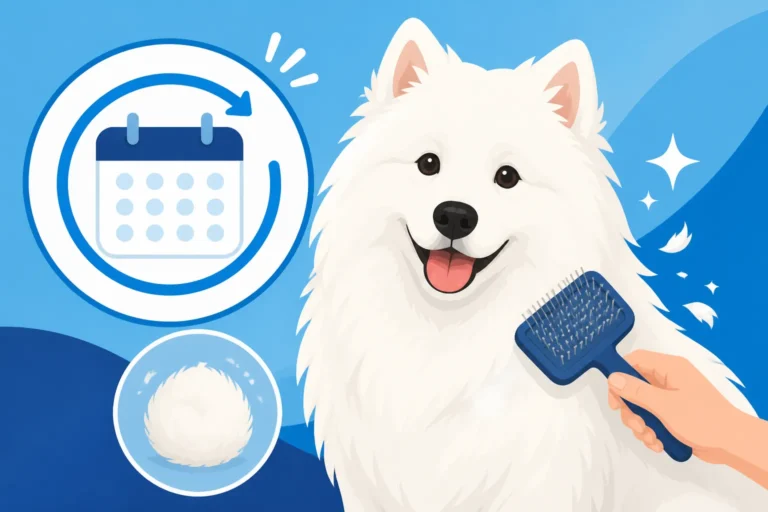
Instead of shaving, the focus should be on diligent grooming to maintain the coat's insulating properties. Regular, thorough brushing, ideally several times a week, is essential to remove loose undercoat and prevent matting. Mats trap heat and prevent air circulation, defeating the purpose of the coat. During a "coat blow" (when they shed their entire undercoat), daily brushing is necessary. A high-velocity dryer can also help "blow out" dead undercoat after a bath, which is vital for maintaining air circulation.
Nutritional and Hydration Needs in the Heat
Just as their environment and exercise routines need adjusting, a Samoyed's diet and water intake require careful consideration in a hot climate. Maintaining optimal health means paying close attention to these basic needs.
Maintaining Hydration and Water Access
Hydration is critically important for Samoyeds in warm weather. They will naturally drink more to help regulate their body temperature and replace fluids lost through panting. You need to ensure constant access to fresh, cool water at all times. This means multiple water bowls placed strategically around the house, refilled frequently with fresh, cool water. Some owners even add ice cubes to encourage drinking or use chilled water bottles.
Consider using a large water fountain, easily found on Amazon, to encourage more drinking, as the circulating water can be more appealing. When outdoors, a portable, collapsible water bowl and a dedicated water bottle for your dog are non-negotiable. If you notice your Samoyed isn't drinking enough, you might need to try adding water or low-sodium broth to their food, or offering ice cubes as treats. Monitoring their water intake is a good habit, especially during hotter months. If you notice significantly increased thirst or decreased urination, it’s always wise to consult your vet.
Adjusting Feeding Schedules and Diet
The type and timing of food can also impact how a Samoyed handles heat. Large meals can generate more body heat during digestion. In hot climates, it's often better to feed smaller, more frequent meals, especially during the cooler parts of the day. Feeding early in the morning and late in the evening can help avoid the metabolic heat produced during digestion from peaking when outdoor temperatures are highest.
While Samoyeds aren't typically prone to obesity if exercised properly, the reduced exercise in hot climates means you need to be extra vigilant about their caloric intake. An overweight dog will struggle even more with heat. Discuss a suitable diet with your vet, focusing on high-quality, digestible ingredients. Some owners opt for fresh food options, like those from Ollie, which might have higher moisture content, though this is more for general health and palatability than a direct heat-mitigation strategy. Always ensure their food is stored properly to prevent spoilage in warm environments. For guidance on appropriate feeding, you can check How Much a Samoyed Should Eat.
Considering the Realities of Ownership
Beyond the practical adaptations, owning a Samoyed in a hot state involves significant financial and emotional considerations that many prospective owners don't fully grasp until they're deep into the experience. It's not just about wanting a Samoyed; it's about being able to truly provide for their specific, climate-driven needs.
The Financial Impact of Keeping a Samoyed Cool
Let's be blunt: keeping a Samoyed comfortable and safe in a hot climate is expensive. Your electricity bill will be significantly higher, potentially adding hundreds of dollars a month during peak summer, as you'll be running the air conditioning almost constantly. This isn't just for a few weeks; in many southern states, this can be for half the year or more.
Then there are the potential vet bills. Heatstroke is a medical emergency that can cost thousands of dollars to treat, often involving intensive care, IV fluids, and monitoring for organ damage. Even if you manage to avoid heatstroke, the need for indoor-only living might mean investing in more durable indoor enrichment toys, perhaps a higher quality air purifier to handle the shed fur, or even professional grooming more frequently if you can't keep up with the brushing yourself. What Keeping a Samoyed in a Hot State Costs provides a more detailed breakdown of these financial realities. These aren't optional expenses; they are critical for your Samoyed's well-being.
The Emotional Toll on Both Dog and Owner
Imagine living in a constant state of low-level anxiety, always checking the temperature, always worrying if your dog is too hot. This is the reality for many Samoyed owners in hot states. You might feel guilty that your dog can't enjoy long walks or play outside freely. Their natural desire to run and explore will be stifled, which can lead to boredom, frustration, and behavioral issues like excessive barking or destructive chewing, despite your best efforts to provide indoor enrichment.
The dog itself can also suffer emotionally. A creature built for vast, open, cool spaces, often confined to the indoors for safety, might become lethargic or even depressed if their fundamental needs for mental and physical stimulation aren't met in creative ways. Whether a Samoyed Refuses to Walk in Heat is a common issue; they often simply shut down when it's too warm, choosing to lie still rather than move, which is a clear sign of discomfort. This isn't a minor lifestyle tweak; it's a significant commitment that demands a profound shift in how you live and interact with your pet.
Making the Right Decision
Ultimately, the decision of whether a Samoyed belongs in a hot state rests with the prospective owner. However, it's a decision that should be made with a full understanding of the enormous responsibility and potential compromises involved, both for the human and the dog.
Is a Hot State Truly the Best Home?
When considering a Samoyed, it’s crucial to honestly assess if your environment genuinely supports the breed's intrinsic needs. While it's possible to micromanage a Samoyed's exposure to heat, to provide constant air conditioning and limit outdoor time, is that truly the best life for a dog that thrives in cool, active environments? Often, the answer is no. A Samoyed deserves to bound through snow, enjoy long, brisk walks, and feel the cool air against its fur without constant risk.
If you live in a region where temperatures frequently exceed 75°F (24°C) for extended periods, and especially if humidity is also high, you have to accept that your Samoyed will spend most of its life indoors, potentially feeling stifled. This isn't just about survival; it's about quality of life. Owners of northern breeds in hot climates often grapple with this guilt, knowing their dogs aren't experiencing the fullness of life they were bred for. This introspection is vital when considering The Full Cost of Thirteen Years With a Samoyed, as those costs are more than just monetary; they include the cost of compromise on the dog's natural instincts and desires.
Alternatives for the Aspiring Samoyed Owner
If you’ve read through these considerations and realize that your hot climate might not be the ideal environment for a Samoyed, don’t despair! There are many wonderful alternatives that can bring joy and companionship without the constant worry and extensive modifications.
- Consider a Different Breed: Many other breeds possess wonderful temperaments, a fluffy appearance, or active personalities that might be better suited to warmer climates. Research breeds known for heat tolerance or those with single coats.
- Relocation (if feasible): For some, the love of the breed is so strong that they genuinely consider moving to a cooler climate. This is obviously a huge life decision, but it reflects the depth of commitment many Samoyed lovers have.
- Support Samoyed Rescues: If you're passionate about Samoyeds but can't commit to ownership in a hot climate, consider supporting Samoyed rescues. Many of these organizations work tirelessly to rehome Samoyeds, sometimes transporting them to cooler regions, and they always need donations or volunteers. Fostering a Samoyed in a cooler climate or during cooler months, if your location has distinct seasons, might also be an option.
- Enjoy From Afar: Sometimes, admiring a breed from afar, through photos and videos, is the most responsible choice. The internet is full of gorgeous Samoyeds living their best lives in environments perfectly suited to them.
The bond with a Samoyed is incredibly special, but responsible ownership means putting their needs first. For more general care advice, particularly as your Samoyed ages, you might find Caring for a Samoyed Past Nine helpful. Understanding what their bodies are designed for is the first step in providing them with a truly happy and healthy life, regardless of where you live.
Disclaimer
This article is for general informational purposes only and does not constitute professional advice. Laws, prices and regulations vary by location and change over time. Consult a qualified professional for guidance on your specific situation.