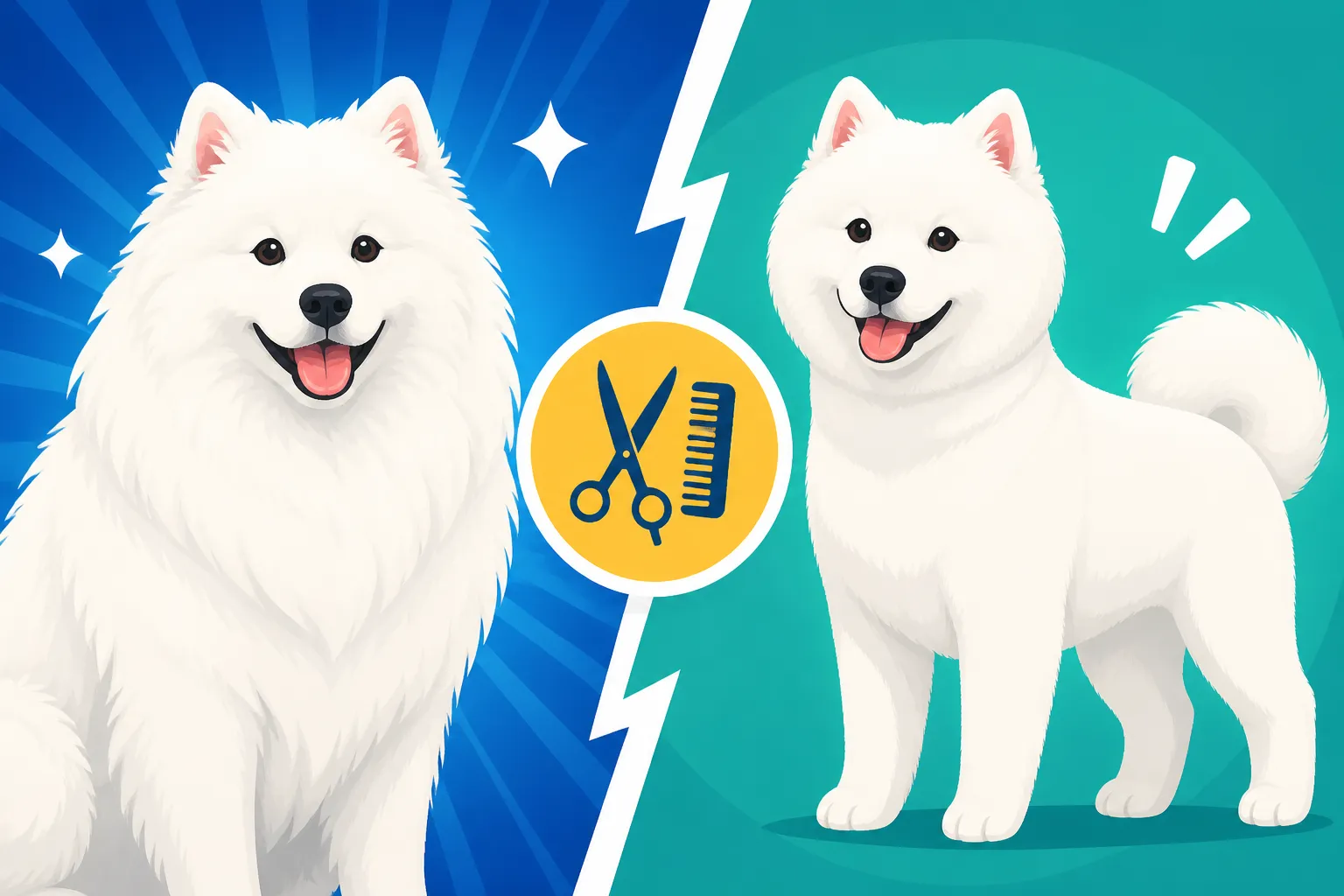
Whether a Show Samoyed Is Trimmed More
It’s a common misconception that show dogs, especially those with glorious coats like our beloved Samoyeds, undergo extensive trimming to achieve that perfect ring-ready look. Many folks envision a stylist with scissors and clippers, shaping and sculpting, much like what you might see with other breeds. But the truth for a Samoyed in the conformation ring is wonderfully, fundamentally different, and often far less about "trimming" than about meticulous care and enhancement of their natural beauty. This guide will help you understand the specific grooming expectations for a show Samoyed and how they stack up against the care of a cherished family pet.
Understanding the Samoyed's Natural Coat Standard
The Samoyed, with its iconic white coat and perpetual smile, is a breed celebrated for its natural, unspoiled beauty. The breed standard, which is the blueprint for what a perfect Samoyed should look like, places immense emphasis on the coat’s natural qualities. It’s not about artifice; it’s about authentic Samoyed elegance.
The Double Coat's Purpose
Our Samoyeds were bred in the harsh Siberian Arctic, and their magnificent double coat isn't just for looks – it's a marvel of natural engineering. Picture those ancient Nenet people, relying on these dogs for warmth and survival. The outer coat consists of long, harsh, and straight guard hairs that are designed to repel snow and ice. Beneath this lies a dense, soft, and woolly undercoat that acts as incredible insulation, keeping them warm in sub-zero temperatures and, surprisingly, also helping to cool them in warmer weather by trapping air. This coat is truly A Samoyed Built for Sixty Below in an American Summer, a testament to its protective qualities.
When you look at a Samoyed, you're looking at centuries of adaptation, not a blank canvas for a groomer. This natural structure is paramount, and any attempt to drastically alter it goes against the very essence of the breed. The standard calls for a coat that is profuse and of correct texture, standing off the body. This means a rich, full coat, not one that is thinned or artificially shaped.
"Untouched" Beauty vs. Practicality
The philosophy in the show ring for Samoyeds leans heavily towards presenting an "untouched" dog. This doesn't mean the dog isn't groomed; quite the opposite. It means the grooming focuses on cleanliness, health, and showcasing the dog's natural form without resorting to significant cutting or shaping that would change the inherent silhouette. Think of it less as a haircut and more as an extremely diligent spa day, every day, leading up to a show.
The goal is to highlight the dog's structure and movement, which can be obscured by a matted or unkempt coat. However, this is achieved through extensive brushing, bathing, and drying, not through dramatic trimming. The integrity of the coat, its length, and its natural flow are guarded fiercely. In a way, it’s a tribute to The Nenets of the Yamal Peninsula Bred the Samoyed for their functional beauty.
The Nuances of Show Grooming for Samoyeds
So, if they're not getting a "trim" in the traditional sense, what exactly do show Samoyeds undergo? It's all about meticulous preparation and subtle refinements that enhance, rather than alter, their natural appearance.
Minimal Trimming: Where It's Allowed and Why
While major cutting is a definite no-no, there are a few very specific areas where minor tidying might occur, often using thinning shears rather than straight scissors to maintain a natural look. These touch-ups are almost imperceptible to the untrained eye but make a difference in the ring.
- Feet: The most common area for trimming. Judges want to see neat, tight feet, often described as "cat feet." This means carefully trimming the hair between the paw pads and around the edges of the pads, and sometimes rounding the top of the foot to make it appear more compact and less "slipper-like." This isn't about shortening the hair on the legs, but about creating a tidy outline for the foot itself.
- Ears: Some Samoyeds have longer feathering around their ears. A minimal amount of tidying with thinning shears can make the ears appear cleaner and more alert, standing crisply upright. This removes wispy hairs that might detract from the elegant shape of the ear, but it is never about shortening the ear leather itself or removing significant amounts of fur. It's about a clean outline, not a new shape.
- Hocks: Occasionally, a tiny bit of tidying around the hocks (the joint above the back paw) might happen to create a cleaner line and emphasize proper angulation. Again, this is about stray hairs, not altering the coat's natural growth pattern or length.
These minor adjustments are about presenting a clean, well-defined silhouette that allows the judge to appreciate the dog's underlying structure and movement without distraction. They are not about giving the dog a haircut like a poodle or a terrier might receive.
The Goal: Enhancement, Not Transformation
Ultimately, the goal of show grooming for a Samoyed is to enhance their natural beauty and conformation, not to transform them into something they are not. Every aspect of the grooming process is geared towards making the dog look its absolute best while remaining true to the breed's standards. This means a focus on:
- Cleanliness: A pristine white coat is essential. Imagine the effort involved in keeping that brilliant white coat spotless during travel and at a show!
- Condition: The coat must be healthy, shiny, and vibrant, indicative of good nutrition and care. This goes back to ensuring the skin beneath is healthy too.
- Texture: The correct harsh guard hairs and soft, dense undercoat must be maintained. Over-softening or harsh treatments are avoided.
- Volume: The coat should be full and stand off the body, a result of thorough drying and brushing that lifts the undercoat.
It's a delicate balance. Judges are looking for a natural Samoyed, and any signs of excessive trimming or artificial shaping would be penalized. The artistry in Samoyed show grooming lies in making it appear effortless, as if the dog simply woke up looking that magnificent.
Common Misconceptions About Show Samoyed Grooming
Many people, even experienced dog owners, hold a few myths about what goes into preparing a Samoyed for the show ring. Let's clear some of those up.
The "Shaving" Myth and Its Dangers
One of the most persistent and harmful myths is that Samoyeds should be shaved, especially in warm climates, or that show Samoyeds get shaved between shows to help the coat "regrow thicker." This couldn't be further from the truth and is actively detrimental to the dog.
- Thermal Regulation: A Samoyed's double coat is its primary defense against both cold and heat. Why a Samoyed's Coat Insulates Against Heat as Well as Cold is a topic we've covered, and it's critical to understand that shaving removes this natural insulation system. It makes the dog more susceptible to overheating and sunburn, not less.
- Coat Damage: Shaving a double-coated breed like a Samoyed can permanently damage the coat. The undercoat often grows back faster and thicker than the guard hairs, leading to a woolly, sparse outer coat that can no longer properly protect the dog or shed dirt as effectively. This "coat blow" can take years to recover from, if it ever fully does. This is why Why Shaving a Samoyed Makes the Heat Worse is a crucial piece of knowledge for any Samoyed owner.
- Show Ring Penalties: In the conformation ring, a shaved or improperly growing coat would lead to immediate disqualification or severe penalties. It's a fundamental alteration of the breed's most distinctive and functional feature.
Beyond Just a "Haircut": The Real Work
The real effort in preparing a show Samoyed isn't about trimming; it's about intense, regular maintenance that keeps that vast amount of fur in impeccable condition. This involves a multi-step process that is incredibly time-consuming and labor-intensive.
- Bathing: Show Samoyeds are bathed far more frequently than pet Samoyeds. This isn't just a quick splash; it involves multiple shampoos, deep conditioning, and thorough rinsing to ensure no residue is left behind, which can weigh down the coat or cause skin issues.
- Drying: This is arguably the most critical and time-consuming step. A Samoyed's double coat must be dried completely, right down to the skin, to prevent matting, hot spots, and to ensure the coat stands off the body properly. This is done with powerful force dryers, often taking several hours per dog. We've talked about Drying a Samoyed to the Skin before, and it's a monumental task.
- Brushing: After drying, the coat is meticulously line-brushed, section by section, to ensure every strand is free of tangles and dead undercoat. This enhances volume and allows the coat to move beautifully. How Often a Samoyed Needs Brushing goes into detail about the commitment this requires.
- Spot Cleaning and Prep: Between full baths, show Samoyeds require constant spot cleaning to maintain their pristine white color. This might involve special whitening shampoos or cornstarch applications. It’s an ongoing battle against dirt, dust, and any stray stain. Remarkably, Why a Samoyed's Coat Stays Clean on Its Own can be true for a pet, but for a show dog, perfection demands more intervention.
This level of grooming is a full-time commitment, demanding specialized tools and products. It’s not a weekend hobby; it’s a passion, and a significant investment in time and resources.
Practical Grooming for Pet Samoyeds Versus Show Samoyeds
So, what does all this mean for the average Samoyed owner? How does the grooming regimen of a show dog compare to that of a beloved family pet? The fundamental principles are the same, but the intensity and frequency differ significantly.
Regular Maintenance for the Pet Samoyed
For a pet Samoyed, the focus is on health, comfort, and keeping them clean enough to live happily in your home without becoming a walking lint trap. The primary goals are preventing mats, keeping skin healthy, and managing shedding.
- Brushing: Regular brushing, typically 2-3 times a week, is crucial to prevent mats and remove loose undercoat. During "coat blow" seasons (usually twice a year), this increases to daily brushing. Tools like undercoat rakes and slicker brushes are your best friends. You can find excellent options on Chewy or Amazon that make this task much more manageable. This helps manage What Twenty Pounds of Samoyed Undercoat Does to a House.
- Bathing: Pet Samoyeds don't need to be bathed nearly as often as show dogs. Most pet owners find that a bath every 4-8 weeks, or as needed when they get particularly dirty, is sufficient. Over-bathing can strip natural oils, leading to dry skin.
- Nail Trims and Ear Cleaning: Regular nail trims (every 2-4 weeks) are vital for foot health and comfort. Ears should be checked weekly and cleaned gently as needed to prevent wax buildup or infections.
- Dental Care: Don't forget their pearly whites! Daily teeth brushing is ideal, but even a few times a week can make a huge difference in preventing dental disease.
This routine is about practicality and maintaining a healthy, happy dog. It's an investment, but not the all-consuming effort required for a show dog.
The Time Commitment for a Show Samoyed
Owning and showing a Samoyed means accepting a significant time commitment, particularly when it comes to grooming. It’s a labor of love that involves more than just a quick brush-down before stepping into the ring.
- Daily Inspection and Spot Cleaning: Show Samoyeds undergo daily inspections for mats, burrs, or any potential stains. A quick run through with a comb and brush is standard, along with immediate spot cleaning of any dirty areas.
- Weekly Full Grooming Sessions: To maintain optimal coat condition, show Samoyeds often receive extensive grooming sessions once a week or every two weeks. These sessions can last 4-6 hours, encompassing a full bath, deep conditioning, thorough drying with a force dryer, and meticulous line brushing.
- Pre-Show Preparation: The days leading up to a show are even more intensive, with specialized bathing and drying techniques aimed at maximizing coat volume and shine. This is when those subtle tidying touches are applied.
- Ongoing Conditioning: Beyond the physical grooming, many show Samoyed owners also pay close attention to diet and supplements to ensure their dog's coat is healthy from the inside out. For instance, Whether a Samoyed Needs Fish Oil is a question many consider for coat health.
The table below offers a simple comparison between the typical grooming focus for a pet Samoyed and a show Samoyed.
| Feature | Pet Samoyed Grooming Focus | Show Samoyed Grooming Focus |
|---|---|---|
| Primary Goal | Health, comfort, mat prevention, manage shedding. | Meet breed standard, impeccable presentation, coat perfection. |
| Trimming | Minimal, for hygiene (pads, sanitary areas), or neatness. | Extremely minimal, specific to ears, feet, hocks for tidy outline. |
| Bathing Frequency | Every 4-8 weeks, or as needed. | Weekly to bi-weekly, plus pre-show baths. |
| Drying Method | Towel dry, air dry, low-heat blow dryer (force dryer for efficiency). | High-velocity force dryer (2-4 hours per dog) for volume. |
| Brushing Frequency | 2-3 times a week (daily during coat blow). | Daily, meticulous line brushing. |
| Coat Products | General dog shampoo, conditioner, detangler. | Whitening shampoos, volumizing products, conditioning treatments. |
| Time Investment | Moderate, regular commitment. | Significant, almost daily, intensive commitment. |
| Common Tools | Slicker brush, undercoat rake, comb. | Force dryer, professional brushes, thinning shears, grooming table. |
The short answer to "Whether a Show Samoyed Is Trimmed More" is actually "no" if you're thinking of a traditional haircut. They are not trimmed more in terms of overall length or drastic reshaping. Instead, they are groomed more intensely, meticulously, and frequently to achieve a state of natural perfection that highlights the breed standard with subtle, targeted tidying. It's a testament to the dedication of Samoyed fanciers to honor the breed's authentic beauty.
Disclaimer
This article is for general informational purposes only and does not constitute professional advice. Laws, prices and regulations vary by location and change over time. Consult a qualified professional for guidance on your specific situation.