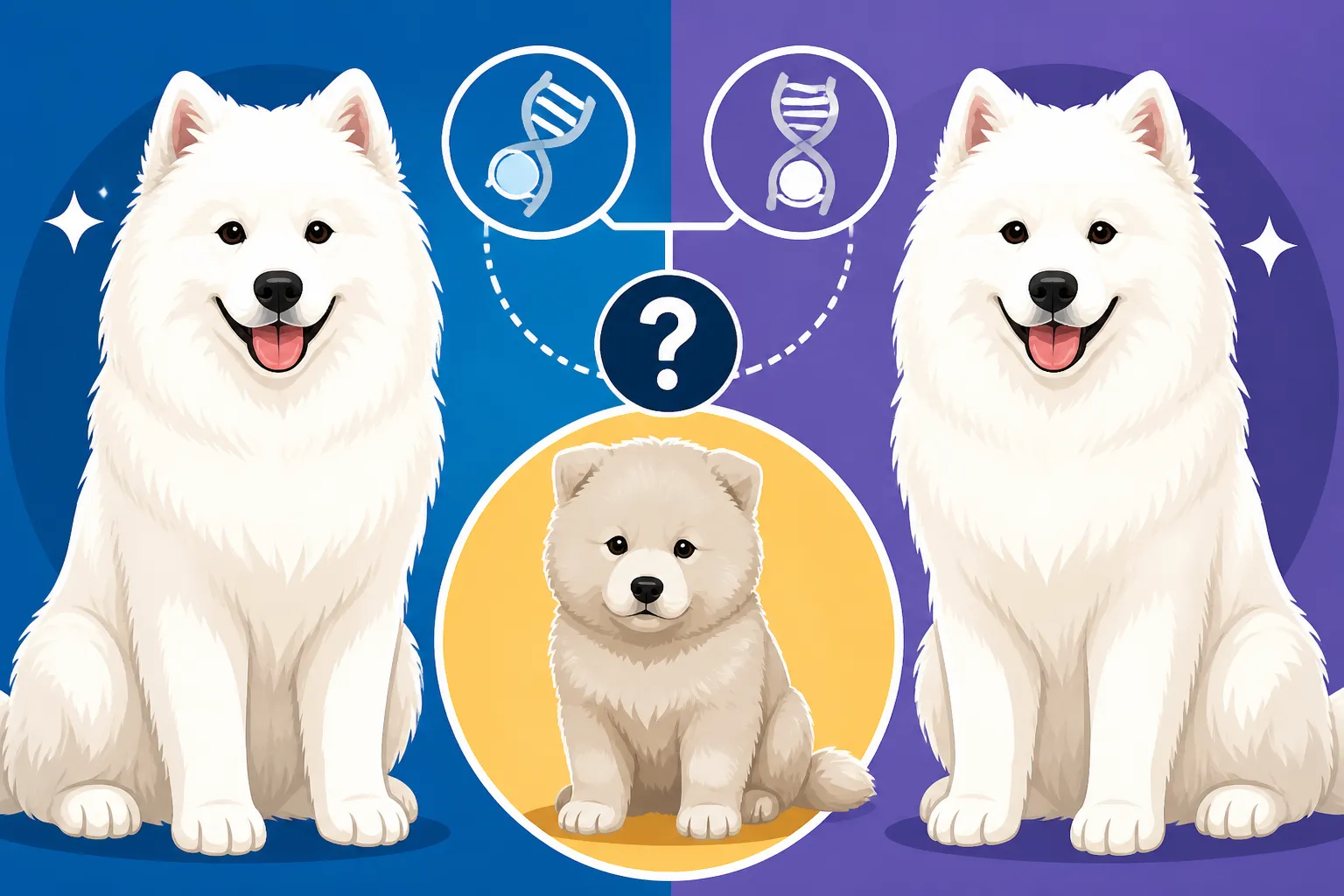
Whether Two Clear Samoyeds Can Produce an Affected Puppy
It's incredibly stressful and heartbreaking to think about bringing a new puppy into your home, only to discover they're suffering from a debilitating genetic condition. The joy of a new family member can quickly turn to anxiety and grief. For Samoyed enthusiasts, one of those deeply concerning conditions is Samoyed Hereditary Glomerulopathy (SHG), a kidney disease that can be devastating. This guide aims to thoroughly address whether two DNA-tested "clear" Samoyed parents can produce a puppy affected by this particular hereditary ailment, offering peace of mind and clarity on this complex genetic issue.
Understanding Samoyed Hereditary Glomerulopathy SHG and Its Inheritance
Samoyed Hereditary Glomerulopathy, or SHG, is a formidable name for a truly serious kidney disease that has historically plagued our beloved fluffy companions. It's not just a run-of-the-mill kidney issue; it's a specific, genetically-linked condition that primarily impacts the collagen in the filtering units of the kidneys, known as glomeruli. Understanding how it works is the first step in appreciating why responsible breeding and testing are so paramount.
The Genetic Basis of SHG
SHG is an X-linked dominant genetic disorder, which makes its inheritance pattern a little different from typical autosomal recessive diseases many people are familiar with. This means the gene responsible, known as COL4A5, is located on the X chromosome. Because males only have one X chromosome (XY), if that single X carries the mutated COL4A5 gene, they will be severely affected. These boys typically develop kidney failure at a young age, often before fifteen months, and their decline can be rapid and relentless. It's a truly heartbreaking prognosis, and one that drives the intense focus on genetic testing within the Samoyed community.
Females, on the other hand, have two X chromosomes (XX). If a female inherits one normal COL4A5 gene and one mutated COL4A5 gene, she is considered a carrier. Because she has a second, healthy X chromosome, it typically compensates, meaning carrier females rarely develop the severe kidney disease seen in males. Their disease progression is often mild, or they may show no outward signs at all for many years, sometimes developing a milder form of kidney issue much later in life. However, even though they may appear healthy, these carrier females can pass the mutated gene on to their offspring. This critical difference in how males and females are affected is a key reason why understanding Why Samoyed Hereditary Glomerulopathy Only Devastates the Boys is so important for Samoyed owners and prospective buyers.
What "Clear" Means in SHG Testing
When we talk about a Samoyed being "clear" in the context of SHG, we're referring to the results of a specific DNA test for the COL4A5 gene. This test is designed to identify the presence or absence of the known mutation that causes SHG. For a male Samoyed, "clear" means his single X chromosome carries the normal, healthy version of the COL4A5 gene. He does not have the mutation, and therefore, he cannot develop SHG or pass it on.
For a female Samoyed, "clear" means both of her X chromosomes carry the normal, healthy version of the COL4A5 gene. She, too, does not have the mutation, will not develop SHG, and cannot pass it on to her puppies. This distinction is crucial because it directly addresses the fear that even healthy-looking dogs might be harboring a hidden genetic risk. The DNA test provides a definitive answer, offering breeders and owners concrete information about their dog's genetic status regarding SHG. Knowing The COL4A5 Test Every Samoyed Buyer Should Ask About is non-negotiable for anyone considering bringing a Samoyed into their life.
Can Two Clear Samoyeds Produce an Affected Puppy? The Definitive Answer
This is the million-dollar question for many prospective Samoyed owners and responsible breeders alike. The anxiety surrounding genetic diseases like SHG can be overwhelming, especially when you're trying your best to make informed, ethical choices. Let's break down the science to give you a clear, reassuring answer.
The Mechanics of X-Linked Inheritance
Given that Samoyed Hereditary Glomerulopathy is an X-linked dominant condition, the inheritance pattern is quite specific. When two Samoyeds are DNA-tested and confirmed to be "clear" for the COL4A5 gene mutation, it means neither parent possesses the faulty gene.
Let's visualize this:
- A clear male (XY) has a normal gene on his X chromosome. He will pass this normal X chromosome to all of his daughters. He passes his Y chromosome to all of his sons.
- A clear female (XX) has normal genes on both of her X chromosomes. She will pass one of these normal X chromosomes to every single puppy she produces, whether male or female.
Therefore, if you breed a clear male with a clear female, all offspring will receive a normal X chromosome from their mother and either a normal X (if female) or a Y (if male) from their father. Since neither parent carries the mutated COL4A5 gene, it is genetically impossible for them to produce a puppy affected by SHG. The genetic material simply isn't there to be passed down. This is different from recessive diseases where two carrier parents (who appear clear themselves) could still produce an affected puppy. With SHG, a "clear" status for both parents truly means they're out of the woods for this specific disease.
The Importance of Accurate Testing and Verified Results
While the genetic science provides a definitive "no" to the question of two clear Samoyeds producing an affected puppy, the reliability of that "clear" status is paramount. This isn't a situation where you can simply take a breeder's word for it. It's absolutely crucial to ensure that the DNA testing for SHG has been performed by a reputable and recognized genetic testing laboratory. Companies like Paw Print Genetics or OptiGen are well-known for their accuracy and expertise in canine genetic health.
Always ask for verifiable results. Responsible breeders are proud to share these with prospective buyers, often providing copies of official lab reports. Many also register their dogs' health clearances with public databases like the Orthopedic Foundation for Animals (OFA), where results can be independently verified. This transparency is your greatest assurance. Don't be shy about asking to see proof of these clearances directly from the lab or OFA. This diligence helps you avoid scams and ensures you're truly getting a puppy from genetically sound parents. This commitment to verified health is one of the pillars of responsible pet ownership, and having pet insurance from providers like Healthy Paws can also offer a safety net for any unexpected health issues, but preventing known genetic diseases through testing is always the first line of defense. Knowing Which Lab Runs the Samoyed Kidney Test can guide your questions.
Beyond SHG: Other Considerations for Puppy Health
While breathing a sigh of relief about SHG from two clear parents is wonderful, it's vital to remember that a dog's health is a multifaceted tapestry. "Clear" for one specific disease doesn't mean "clear" from all possible ailments. Responsible ownership and breeding encompass a much broader spectrum of care.
The Nuance of "Clear" and Other Genetic Concerns
When a breeder states their Samoyeds are "clear," it specifically pertains to the known genetic tests they've conducted. In the context of SHG, it means they don't carry the COL4A5 mutation. However, dogs, like humans, have thousands of genes, and genetic science is constantly evolving. There may be other genetic conditions, specific to Samoyeds or common across breeds, for which a DNA test either doesn't exist yet, or isn't routinely performed. For instance, while you can rule out SHG, other conditions like hip and elbow dysplasia, various eye diseases, and certain cardiac issues still require physical examinations and specialized screenings.
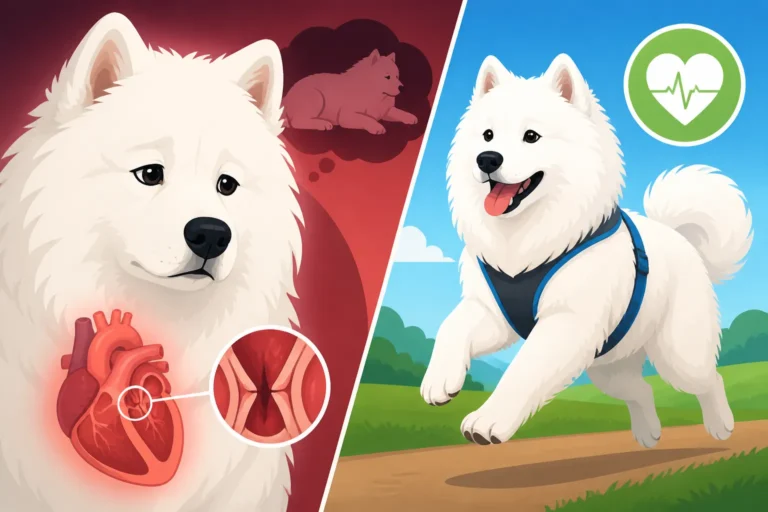
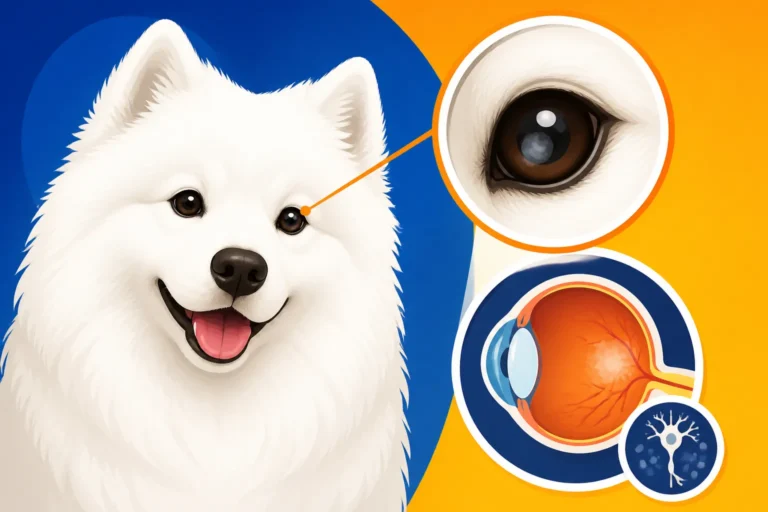
A truly responsible breeding program goes beyond just a single DNA test. Breeders should be routinely screening for conditions such as Hip Dysplasia in a Samoyed through OFA or PennHIP evaluations, Eye Disease and the Samoyed's Retina through ophthalmologist examinations (CERF/OFA Eye), and checking for cardiac health with board-certified veterinary cardiologists. These are all critical parts of understanding The Health Tests Both Samoyed Parents Should Have before considering a breeding pair. A dog might be genetically clear for SHG but still carry genes for other health problems, or develop conditions influenced by multiple genes (polygenic) or environmental factors. It's about looking at the whole picture of health.
Environmental Factors and General Health
Even the most genetically sound puppy, born from parents with impeccable clearances, isn't immune to every health challenge. Environmental factors, nutrition, exercise, and general veterinary care play enormous roles in a dog's overall well-being and lifespan. A puppy needs a consistent, high-quality diet tailored to their growth stage, regular veterinary check-ups, appropriate vaccinations, and parasite prevention.
Exposure to toxins, injuries, infectious diseases, or even prolonged stress can impact a puppy's development and long-term health, regardless of their genetic background. For example, a puppy from two SHG-clear parents could still develop an orthopedic issue if they experience an injury, or suffer from pancreatitis if fed an inappropriate diet. Regular care, observation, and quick action when something seems amiss are vital. Samoyeds, with their stoic and cheerful nature, can sometimes mask illness, making it challenging to spot issues early, which is why owners need to be vigilant about How a Samoyed Hides Illness Behind a Smile. Pet insurance, such as through Healthy Paws, can be incredibly beneficial here, providing financial support for unexpected accidents, illnesses, or chronic conditions that aren't tied to specific genetic tests. It ensures you can always provide the best possible care when things go awry.
Here's a quick overview of SHG inheritance:
| Parent 1 (Female) | Parent 2 (Male) | Male Offspring Status (SHG) | Female Offspring Status (SHG) | Notes |
|---|---|---|---|---|
| Clear (XX) | Clear (XY) | All Clear (XY) | All Clear (XX) | No affected puppies possible from these parents. |
| Clear (XX) | Affected (XY) | All Clear (XY) | All Carrier (XX) | All daughters will be carriers, all sons clear. |
| Carrier (XXc) | Clear (XY) | 50% Clear, 50% Affected | 50% Clear, 50% Carrier | Carrier females pass on mutated gene to half their offspring, regardless of sex. |
| Carrier (XXc) | Affected (XY) | 50% Affected, 50% Affected | 50% Carrier, 50% Affected (rare) | High risk of affected males and affected/carrier females. Not a responsible breeding choice. |
Note: 'c' denotes the mutated COL4A5 gene on one X chromosome.
Why This Knowledge Empowers Samoyed Owners and Breeders
Understanding the genetics of SHG and the meaning of "clear" status is more than just scientific jargon; it's empowering information that profoundly impacts both prospective Samoyed owners and the dedicated breeders working to safeguard the breed's future.
Making Informed Decisions
For anyone dreaming of bringing a Samoyed puppy into their life, this knowledge is invaluable. It empowers you to be an educated consumer, asking pointed questions and demanding transparency from breeders. You're not just buying a cute fluff ball; you're investing in a living, breathing family member, and their health trajectory matters immensely. Knowing that two DNA-tested clear parents cannot produce an SHG-affected puppy provides a significant layer of assurance against one of the most devastating conditions in the breed. This allows you to focus on other aspects of a puppy's health and temperament, rather than constantly worrying about this specific genetic time bomb.
It helps you distinguish between ethical breeders who prioritize health and those who might cut corners. You'll know to ask for actual lab reports, not just verbal assurances. It’s about being proactive in ensuring a healthy start for your future companion. Remember, knowledge is power, and knowing Whether a Samoyed Puppy Should Be Tested Before Purchase and what those results mean is crucial.
The Breeder's Ethical Responsibility
For breeders, the availability of the COL4A5 DNA test for SHG has been a game-changer. It has transformed the ability to make informed breeding decisions, allowing them to systematically reduce and eventually eliminate this devastating disease from their lines. The ethical responsibility of a breeder extends far beyond just producing pretty puppies; it includes a deep commitment to the health and longevity of the breed. By only breeding Samoyeds that are DNA-clear for SHG, breeders are actively working to improve the breed's overall genetic health and prevent future generations from suffering.
This dedicated approach is what defines a responsible breeder. They invest time, money, and emotional energy into health testing, not just for SHG, but for a comprehensive panel of conditions. They meticulously study pedigrees, aiming to produce healthy, well-adjusted puppies that will thrive in their new homes. This diligence in avoiding the production of affected puppies highlights How a Samoyed Breeder Avoids Producing Affected Males and is a testament to their love for the breed. Partnering with pet insurance providers like Healthy Paws can also be a way for breeders to demonstrate their commitment to health, by encouraging new owners to enroll and protect their puppies from the unforeseen, complementing the strong genetic foundation they've worked so hard to establish. It truly offers a comprehensive peace of mind.
Disclaimer
Please remember that this information is for educational purposes only and is not a substitute for professional veterinary advice. Always consult with a qualified veterinarian or a board-certified veterinary geneticist regarding specific health concerns, testing protocols, or treatment plans for your Samoyed. Genetic testing results should always be verified with the official laboratory.