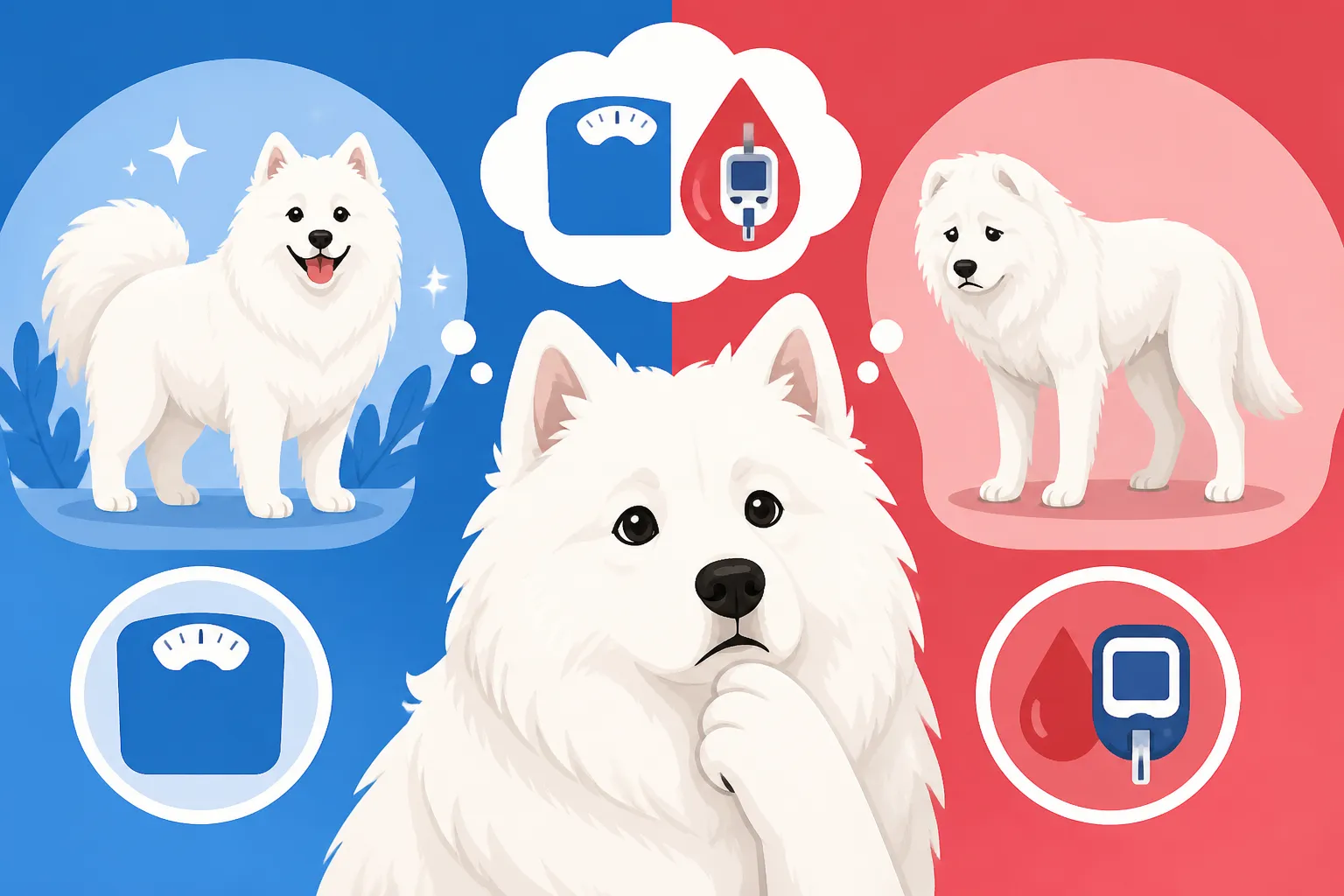
Whether Sudden Weight Loss in a Samoyed Means Diabetes
Seeing your fluffy Samoyed suddenly drop weight can be incredibly alarming, instantly making your heart sink as you wonder what could be going wrong beneath that glorious white coat. It's a worry many Samoyed parents face, and while diabetes is a serious concern, it's crucial to understand all the potential culprits behind this sudden change so you can act quickly and effectively.
The Alarming Sign of Sudden Weight Loss in Your Samoyed
When you live with a Samoyed, you get used to their robust, happy demeanor and that thick, insulating coat that can sometimes make it tricky to gauge their true body condition. But there are moments when you just know something is off. You might notice their harness feels a little looser, or perhaps when you’re giving them a good scratch behind the ears, you feel their ribs more prominently than before. This isn't a gradual shift over months; this is a noticeable, often rapid, decline that signals something serious might be brewing.
It's particularly distressing because Samoyeds are generally known for their sturdy health and lively energy. When that starts to wane, and they're shedding pounds seemingly out of nowhere, it’s a red flag that no Samoyed owner should ignore. It’s easy to panic and jump to the worst conclusions, but the key is to observe other changes in their behavior and appetite to give your vet the best possible picture.
Diabetes Mellitus: A Major Concern When Weight Drops
One of the first conditions that often comes to mind when a dog loses weight rapidly, despite eating normally or even more, is diabetes. Just like in humans, diabetes mellitus in dogs means their body isn't producing enough insulin or isn't using it effectively, leading to high blood sugar. This can have devastating effects on their entire system.
Understanding How Diabetes Causes Weight Loss
It might seem counterintuitive that a dog with diabetes could lose weight, especially if they're still eating a lot. The truth is, without adequate insulin, your Samoyed’s body can't properly absorb glucose from their bloodstream to use as energy. Even if they're consuming plenty of calories, those calories aren't reaching their cells where they're needed. It's like eating a full meal, but your body can't unlock the energy from it.
Instead, their body starts breaking down its own fat and muscle for energy, leading to a noticeable and often rapid loss of condition and muscle mass. You might see a change not just in their overall weight, but also in the firmness of their muscles, especially over their back and hindquarters. This constant "starvation" at a cellular level, despite a full stomach, is the core reason for the weight drop. For more detail, consider reading about Diabetes Mellitus in a Samoyed.
Other Key Signs of Diabetes in a Samoyed
Weight loss rarely occurs in isolation with diabetes; it’s usually accompanied by other very telling symptoms. The classic trio of diabetic signs in dogs includes polyuria (increased urination) and polydipsia (increased thirst), alongside the unexplained weight loss. You might find yourself refilling the water bowl multiple times a day, or your once perfectly house-trained Samoyed suddenly needs to go out much more frequently, or even has accidents indoors.
Beyond these, your Samoyed might seem lethargic, less interested in walks, or just generally "off." Their appetite might actually increase, a phenomenon known as polyphagia, as their body desperately tries to get the nutrients it's missing. Some owners report a sweet or fruity smell to their dog's breath, a sign of ketoacidosis, which is a life-threatening diabetic complication. You might also notice their eyes appear cloudy, which could be a rapidly developing diabetic cataract. Recognizing these Signs a Samoyed Has Become Diabetic is critical for early intervention.
Beyond Diabetes: Other Causes for Weight Loss
While diabetes is a strong contender when considering sudden weight loss, it's certainly not the only reason your Samoyed might be shedding pounds. Many other serious health conditions can manifest with this symptom, making a thorough veterinary examination absolutely essential.
Gastrointestinal Issues and Nutrient Absorption
Issues with your Samoyed's digestive system are common culprits behind weight loss, even if they're still eating well. If their gut isn't able to properly digest food or absorb nutrients, those calories pass right through, leaving their body undernourished. Conditions like inflammatory bowel disease (IBD), severe intestinal parasites, or exocrine pancreatic insufficiency (EPI) can all lead to this malabsorption. With EPI, for example, the pancreas doesn't produce enough digestive enzymes, so food literally passes through undigested, and the dog wastes away despite a ravenous appetite.
Another concern could be chronic pancreatitis, an inflammation of the pancreas that can interfere with digestion and lead to chronic discomfort, reduced appetite, and subsequent weight loss. While often linked to fatty meals, some Samoyeds can develop it without an obvious dietary trigger. If your Samoyed is experiencing vomiting, diarrhea, or abdominal pain in addition to weight loss, these gastrointestinal issues move higher on the list of possibilities. It's good to be aware of Whether Pancreatitis Is Common in Samoyeds.
Kidney Disease and Metabolic Changes
Kidney disease, particularly in its more advanced stages, can cause significant weight loss in Samoyeds. The kidneys play a crucial role in filtering waste products from the blood, regulating blood pressure, and producing hormones. When they start to fail, toxins build up in the system, leading to a general feeling of malaise, nausea, and a reduced appetite. This, combined with muscle wasting and a general decline in health, results in noticeable weight loss.
Early signs might be subtle, like increased thirst and urination, similar to diabetes, but as the disease progresses, you might see a duller coat, lethargy, and a decrease in appetite. It’s imperative to keep up with regular vet check-ups where blood and urine tests can catch these issues early. We know Samoyeds can be predisposed to certain kidney issues, so asking Whether a Samoyed Needs Yearly Kidney Bloodwork is a smart question for your vet. Similarly, understanding Signs a Samoyed Is Losing Protein in Its Urine can be an early indicator.
Cancer and Other Systemic Illnesses
Unfortunately, cancer is a leading cause of weight loss in older dogs, and Samoyeds are not immune. Many types of cancer cause cachexia, a profound wasting syndrome, even if the dog is still eating. The rapidly growing tumor cells consume a vast amount of energy, effectively stealing nutrients from the rest of the body. This metabolic drain, combined with potential pain, nausea, or decreased appetite from the cancer itself, leads to significant weight loss.
Other systemic illnesses, such as Addison's disease (hypoadrenocorticism), severe dental disease that makes eating painful, or even certain fungal infections, can also cause a dog to lose weight. A persistent, underlying infection that the body is constantly fighting can also put a significant drain on their resources. This is why a thorough diagnostic workup is so vital when you notice unexplained weight loss. It’s always good to be proactive in understanding Which Cancers Samoyeds Get.
Navigating Diagnosis and Next Steps with Your Veterinarian
Spotting unexplained weight loss in your Samoyed is a call to action, not a reason to wait and see. Your immediate next step should always be a comprehensive visit to your veterinarian. They are your best resource for unraveling the mystery behind your dog's sudden change.
What to Expect at the Vet Visit
When you bring your Samoyed in, your vet will start with a thorough physical examination, checking their overall body condition, listening to their heart and lungs, and palpating their abdomen. Be prepared to answer detailed questions about your Samoyed’s recent history:
- When did you first notice the weight loss?
- Has their appetite changed (eating more, less, or the same)?
- Have there been any changes in thirst or urination habits?
- Any vomiting, diarrhea, coughing, or lethargy?
- Are they on any medications or supplements?
- Any changes in their environment or diet?
This information is invaluable in helping your vet narrow down the possibilities. Remember, Samoyeds are incredibly stoic, and sometimes How a Samoyed Hides Illness Behind a Smile can make diagnosis tricky, so your observations are key.
Diagnostic Testing Your Vet Might Recommend
To get to the bottom of things, your vet will likely recommend a series of diagnostic tests. These are crucial for confirming or ruling out conditions like diabetes, kidney disease, or other serious issues.
| Test Type | What It Checks For | Why It's Important |
|---|---|---|
| Complete Blood Count (CBC) | Red blood cells, white blood cells, platelets | Detects anemia, infection, inflammation, and can indicate stress or systemic illness. |
| Biochemistry Panel | Organ function (kidneys, liver, pancreas), blood glucose, electrolytes | Crucial for identifying diabetes (high glucose), kidney disease (elevated kidney values), liver issues, etc. |
| Urinalysis | Urine concentration, presence of glucose, protein, blood, bacteria | Screens for urinary tract infections, kidney disease, and confirms glucose presence in urine (strong diabetes indicator). |
| Thyroid Panel | Thyroid hormone levels (T4, TSH) | Rules out hypothyroidism (though usually causes weight gain, hyperthyroidism can cause weight loss). |
| Fecal Exam | Presence of parasites (worms, giardia) | Identifies intestinal parasites that can cause malabsorption and weight loss. |
| Imaging (X-rays, Ultrasound) | Internal organs, masses, foreign bodies, structural changes | X-rays can show organ size, fluid, or large masses. Ultrasound offers a more detailed view of abdominal organs. |
| Specific Tests (e.g., cPLI, TLI) | Pancreatic function tests | Used to diagnose pancreatitis (cPLI) or exocrine pancreatic insufficiency (TLI). |
These tests provide a comprehensive look at your Samoyed’s internal health. Early and accurate diagnosis is the cornerstone of effective treatment, especially when dealing with conditions that can progress rapidly. It's also wise to remember that veterinary care, especially diagnostics and long-term treatment, can add up, so having a plan or even considering pet insurance from a provider like Healthy Paws can be a real lifeline.
Managing and Preventing Future Health Concerns
Once a diagnosis is made, your vet will develop a tailored treatment plan for your Samoyed. This could involve medication, dietary changes, or other therapies. Beyond immediate treatment, adopting proactive management and preventative care strategies can significantly improve your Samoyed's quality of life and potentially prevent future issues.
Lifestyle Adjustments for Diabetic Samoyeds
If your Samoyed is diagnosed with diabetes, it's a significant lifestyle change for both of you, but it's manageable. The core of diabetes management revolves around insulin injections, consistent feeding, and careful monitoring. Your vet will teach you how to administer insulin, which is often given twice a day. Consistency is paramount: sticking to a strict schedule for meals and insulin will help stabilize blood glucose levels. You'll likely need to transition to a prescription diet that's lower in fat and higher in fiber to help regulate blood sugar.
Regular glucose monitoring, initially through vet visits for glucose curves or potentially with home glucose monitors, will be essential to ensure the insulin dose is correct. While it might seem daunting at first, many owners successfully manage their diabetic Samoyeds for years. It's a journey that requires dedication, but with proper care, a diabetic Samoyed can still live a happy, fulfilling life. You can learn more about Managing a Diabetic Samoyed.
General Wellness and Preventative Measures
For all Samoyeds, regardless of a specific diagnosis, maintaining optimal health involves several key pillars.
- Balanced Nutrition: A high-quality, balanced diet appropriate for their age and activity level is fundamental. Avoid excessive treats or table scraps, especially fatty ones, to prevent weight gain and potential pancreatitis. For instance, brands like Purina Pro Plan Veterinary Diets offer specific formulations for various health conditions, including diabetes and kidney support.
- Regular Exercise: Samoyeds are active dogs that need consistent daily exercise to maintain muscle tone, healthy weight, and mental well-being. This doesn't just mean a quick walk around the block; they thrive on longer walks, playtime, and mental challenges.
- Routine Veterinary Care: Annual check-ups are non-negotiable. These visits allow your vet to catch subtle changes, perform crucial blood and urine tests, and keep vaccinations and parasite prevention up to date. Early detection of conditions like kidney disease or even the initial signs of diabetes through routine blood work can make a world of difference in prognosis and treatment success. Investing in a good pet insurance plan, like Healthy Paws, can help cover the costs of these routine visits, and more importantly, unexpected emergencies or chronic disease management.
- Awareness of Breed-Specific Health: Be informed about common health issues in Samoyeds. While not every Samoyed will get every disease, knowing what to watch for can empower you. Understanding The Twelve to Fourteen Years a Samoyed Lives gives you perspective on their potential lifespan and why proactive care is so important throughout those years, especially as they reach The Age a Samoyed Counts as a Senior.
By staying vigilant, working closely with your veterinarian, and adopting a proactive approach to their care, you can help ensure your Samoyed lives the healthiest, happiest life possible, whether they face a challenge like diabetes or any other health concern. Remember, your vet and potentially a robust pet insurance plan from a provider such as Healthy Paws are your best partners in this journey.
Disclaimer
The information provided in this article is for educational purposes only and is not intended to be a substitute for professional veterinary advice, diagnosis, or treatment. Always seek the advice of your veterinarian or other qualified health provider with any questions you may have regarding a medical condition.