Whether a Samoyed Tears a Cruciate Ligament
It's heartbreaking to see your beloved Samoyed suddenly limping, holding up a leg, or struggling with simple movements they once performed with joyful exuberance. One moment they might be bounding through the yard, a fluffy white cloud of energy, and the next, a yelp or an awkward landing can signal something seriously wrong. Among the most common and devastating orthopedic injuries in active dogs, a torn cranial cruciate ligament (CCL) can bring a swift halt to your Samoyed's boundless enthusiasm and leave you feeling utterly helpless. This comprehensive guide will walk you through understanding what a cruciate ligament tear means for your Samoyed, how to spot the signs, and the critical steps you can take for their recovery and long-term well-being.
Understanding the Cruciate Ligament and Its Role in Samoyeds
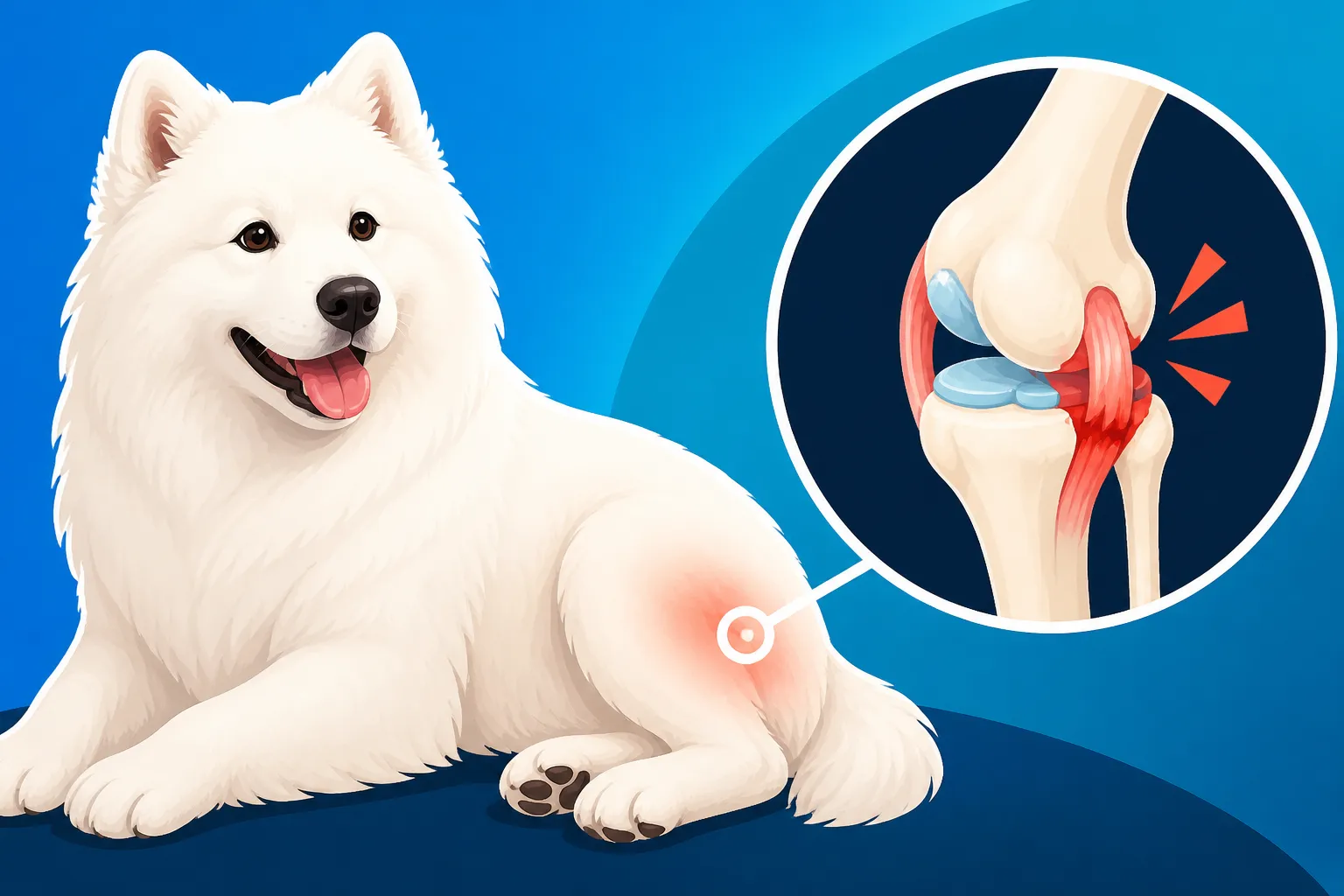
The knee joint in dogs, much like in humans, is a complex hinge system that allows for bending and straightening of the hind leg. Crucial to its stability are the two cruciate ligaments – the cranial (or anterior in humans) and caudal (posterior) – which crisscross inside the joint, preventing unwanted movement. For an active, powerful breed like the Samoyed, these ligaments are under constant stress, particularly the cranial cruciate ligament (CCL), which prevents the shin bone (tibia) from sliding forward relative to the thigh bone (femur). A tear in this ligament can be a debilitating injury, affecting their ability to run, jump, and even just stand comfortably.
Imagine your Samoyed, bred for pulling sleds and herding reindeer, pushing off with their powerful hind legs, making sharp turns while chasing a squirrel, or landing from a playful leap. These actions put immense rotational and shearing forces on their knees. While Samoyeds are generally robust, their active lifestyle and muscular build mean their CCLs are working hard, making them susceptible to injury, whether from a sudden, traumatic incident or gradual wear and tear over time.
Anatomy and Function of the Cruciate Ligament
To truly grasp the impact of a torn cruciate ligament, it helps to understand the anatomy of the canine stifle, which is the dog's knee joint. The stifle is formed by the distal end of the femur (thigh bone), the proximal end of the tibia (shin bone), and the patella (kneecap). Within this intricate joint, the cranial cruciate ligament (CCL) acts as a primary stabilizer. Its main job is to prevent the tibia from translating forward relative to the femur and to limit internal rotation of the tibia. Without a functional CCL, the knee joint becomes unstable, leading to pain, inflammation, and degenerative changes over time.
Think of it like this: when your Samoyed stands, walks, or runs, the CCL is constantly working to keep the knee aligned. Every time they push off or land, there's a delicate balance of forces. For a breed known for its agility and strength, like the Samoyed, the integrity of this ligament is paramount. If your Samoyed loves to pull, whether on a sled or during a spirited walk, those muscles are driving powerful movements through the knee. This constant mechanical stress, compounded by factors like conformation or sudden awkward movements, can push the ligament beyond its limits.
Common Causes of CCL Tears in Samoyeds
Cruciate ligament tears in Samoyeds, as in other dogs, typically fall into two categories: acute traumatic ruptures and chronic degenerative tears. An acute tear often happens during intense activity – a sudden stop, a misstep while running, a bad landing from a jump, or a slip on ice. You might hear a yelp, and your Samoyed will suddenly be three-legged lame. This is a dramatic event that leaves little doubt about an injury.
However, many CCL tears are not a result of a single catastrophic event. More often, they are a degenerative process, where the ligament slowly weakens and frays over time. This chronic degeneration can lead to a partial tear initially, which might present as intermittent lameness that seems to get better with rest, only to recur later. Eventually, the weakened ligament can rupture completely with minimal provocation. Factors contributing to this degenerative process include genetics, conformation (the way a dog is built), weight, and even certain inflammatory conditions within the joint. While Samoyeds aren't listed among the absolute top breeds for genetic predisposition like Rottweilers or Newfoundlands, their active nature means they are still at significant risk. Owners must also be mindful of activities that could place excessive strain on their joints, especially if they enjoy strenuous activities. For example, some owners wonder Whether Sledding Wears Out a Samoyed's Joints over time.
Being overweight significantly increases the risk of CCL tears. Extra pounds place greater stress on all joints, including the knees, accelerating the degenerative process and increasing the likelihood of rupture. It's a cruel irony that a less active, overweight Samoyed might be more prone to this injury, further reducing their ability to exercise and leading to a vicious cycle. Ensuring your Samoyed maintains a healthy weight is one of the most critical preventative measures you can take, not just for their knees but for their overall health and lifespan. If you're concerned about your Samoyed's weight, it's worth exploring Whether an Overweight Samoyed Is More Likely to Get Diabetes, as weight can impact many aspects of their health.
Recognizing the Signs of a Cruciate Ligament Injury in Your Samoyed
One of the biggest challenges for Samoyed owners is recognizing when their beloved companion is truly in pain or distress. Samoyeds are notorious for their stoic nature, often hiding illness or injury behind their characteristic "Sammy smile." This makes observing subtle behavioral changes and understanding the specific symptoms of a cruciate ligament tear absolutely vital. What might seem like a minor limp could quickly escalate, and early intervention can make a significant difference in their recovery and long-term comfort.
A Samoyed's natural resilience and desire to please can often mask discomfort, making it crucial for owners to be vigilant. They might continue to try and engage in activities they love, even with pain, which can unfortunately worsen the injury. It’s not uncommon for a Samoyed to appear almost fine one moment, and then be severely lame the next, leading to confusion and worry for their human companions.
Subtle and Obvious Symptoms to Watch For
When a Samoyed tears its cranial cruciate ligament, the symptoms can range from subtle to overtly dramatic. In the case of a sudden, complete rupture, your Samoyed will likely exhibit immediate, severe lameness, often holding the affected leg up completely and refusing to bear any weight on it. This is usually accompanied by a yelp or clear sign of acute pain. However, many tears begin as partial ruptures or are degenerative, meaning the signs might be less obvious at first.
Keep an eye out for these indicators:
- Intermittent or Persistent Lameness: Your Samoyed might limp sporadically, especially after exercise, or show a consistent limp that doesn't improve with a few days of rest. They might initially "toe-touch" with the injured leg before progression to holding it up.
- "Sitting Sideways" or "Lazy Sit": A classic sign of CCL injury is when your Samoyed sits with the injured leg extended out to the side, rather than tucked neatly underneath their body. This relieves pressure on the painful knee.
- Difficulty with Movement: You might notice reluctance to jump into the car, use stairs, or even get up from a lying position. They might seem stiff after resting.
- Swelling or Firmness Around the Knee: Gently feeling your Samoyed's knees (comparing both sides) might reveal swelling or a firmer feel around the affected joint.
- Muscle Atrophy: Over time, if the leg isn't being used properly, the muscles in the thigh will begin to waste away, making the injured leg look noticeably thinner than the healthy one.
- Decreased Activity Level: Your normally energetic Samoyed might be less enthusiastic about walks, playtime, or their usual activities.
- Licking the Joint: Some dogs will obsessively lick the painful area.
Remember, Samoyeds are experts at masking pain. It's truly incredible How a Samoyed Hides Illness Behind a Smile. They'll often continue to wag their tail and seek affection even when experiencing significant discomfort. This means you, as their dedicated owner, need to be extra observant. If you notice any of these signs, even if they seem minor or intermittent, don't dismiss them. It is important to know Whether a Samoyed Complains When It Hurts at all, as sometimes their quiet suffering can go unnoticed if you're not paying close attention.
When to Seek Veterinary Attention
If you suspect your Samoyed has a cruciate ligament injury, it's crucial to seek veterinary attention promptly. Don't wait to see if it gets better on its own, especially with a breed as active as a Samoyed. Early diagnosis and appropriate management can significantly impact the long-term prognosis and help prevent further damage to the joint. Ignoring the problem can lead to chronic pain, severe arthritis, and a higher likelihood of tearing the CCL in the other leg due to compensatory stress.
When you visit your veterinarian, they will perform a thorough orthopedic examination. This typically involves palpating the knee joint, assessing its range of motion, and attempting specific maneuvers like the "cranial drawer test" and the "tibial compression test." These tests help the vet determine if there is instability in the knee consistent with a CCL tear. Often, your vet will also recommend X-rays of the knee. While X-rays don't directly show the ligament (which is soft tissue), they can reveal signs of joint effusion (fluid buildup), bone spurs (osteophytes) indicative of arthritis, and can help rule out other causes of lameness.
Such a diagnosis and subsequent treatment can be a significant financial undertaking, which is why many Samoyed owners consider robust pet insurance plans from providers like Healthy Paws. Knowing that you have support for unexpected injuries can provide immense peace of mind. The diagnostic process itself can involve multiple visits and tests, quickly adding up. Understanding What a Samoyed's Vet Bills Look Like for such an injury highlights the value of being prepared, whether through insurance or a dedicated savings fund.
Treatment Options and Recovery for a Samoyed with a Torn CCL
Once a cruciate ligament tear is diagnosed in your Samoyed, you'll be faced with decisions about treatment. For most active, larger-breed dogs like Samoyeds, surgical intervention is generally recommended as the most effective long-term solution to stabilize the knee, alleviate pain, and prevent the progression of debilitating arthritis. However, non-surgical management can be an option in specific cases, and rehabilitation, regardless of the chosen path, is absolutely critical for a successful recovery.
The goal of treatment isn't just to fix the immediate problem, but to restore as much function as possible to the joint, minimize pain, and maintain a good quality of life for your Samoyed. This is a journey that requires commitment, patience, and often, significant financial investment.
Surgical Interventions and Their Effectiveness
For a Samoyed with a torn CCL, surgery aims to stabilize the knee joint, preventing the "tibial thrust" (the forward movement of the tibia when weight is placed on the leg) that causes pain and further damage. There are several surgical techniques, each with its own advantages and considerations:
-
Tibial Plateau Leveling Osteotomy (TPLO): This is one of the most common and highly effective surgeries for CCL tears, especially in larger, active breeds. The procedure involves making a curved cut in the top of the tibia (tibial plateau), rotating it to change the angle, and then securing it with a bone plate and screws. This effectively neutralizes the tibial thrust, making the joint stable without directly repairing the torn ligament. TPLO allows for rapid return to weight-bearing and excellent long-term function, making it a popular choice for active Samoyeds.
-
Tibial Tuberosity Advancement (TTA): Similar to TPLO in its goal of altering biomechanics, TTA involves cutting the front part of the tibia (tibial tuberosity) and moving it forward, then securing it with a plate and screws. This change in angle also prevents tibial thrust. TTA is another effective option, often chosen based on the surgeon's preference and the specific conformation of your Samoyed's knee.
-
Lateral Suture (Extracapsular Repair): This older, more traditional technique involves placing a strong surgical suture outside the joint, typically around the fabella bone and through a tunnel drilled in the tibia. This suture mimics the function of the torn CCL, providing stability until the body forms its own scar tissue to reinforce the joint. While less invasive and generally less costly than TPLO or TTA, it may not be as robust for very large or highly active dogs, and some studies suggest a higher risk of meniscal tears or less optimal long-term function compared to the osteotomy procedures.
Choosing the right surgery will depend on several factors, including your Samoyed's size, age, activity level, the extent of the tear, and your veterinary surgeon's expertise. An experienced board-certified veterinary orthopedic surgeon will discuss the best option for your individual Samoyed. While the initial cost of surgery might seem daunting, especially for a complex procedure like TPLO, pet insurance plans from companies like Healthy Paws can often provide substantial reimbursement, making these vital treatments accessible and allowing you to choose the best care without financial compromise.
Non-Surgical Management and Rehabilitation
While surgery is often the gold standard for CCL tears in active Samoyeds, non-surgical management can be considered in specific circumstances. This approach is typically reserved for very small, less active dogs, older dogs with other significant health issues that preclude surgery, or very small partial tears that might respond to conservative measures. However, it's generally not recommended as a sole long-term solution for most Samoyeds due to their size and activity level.
Non-surgical management involves a multi-modal approach focused on pain relief, reducing inflammation, and building compensatory muscle strength:
- Strict Rest: This is paramount. Your Samoyed will need limited activity, often crated or confined, for several weeks to allow scar tissue to form and stabilize the joint as much as possible.
- Anti-inflammatory Medications: Non-steroidal anti-inflammatory drugs (NSAIDs) prescribed by your vet are crucial for pain management and reducing swelling.
- Pain Medications: Additional pain relievers may be needed, especially in the initial stages.
- Physical Therapy: This is critical, whether your Samoyed has surgery or not. A certified canine rehabilitation therapist can guide you through exercises to improve strength, flexibility, balance, and proprioception (awareness of body position). This might include controlled leash walks, balance exercises, underwater treadmill therapy (hydrotherapy), and therapeutic exercises.
- Weight Management: Maintaining a lean body weight is absolutely essential, as excess weight puts undue stress on the knee.
- Joint Supplements: Glucosamine, chondroitin, and omega-3 fatty acids can help support joint health and reduce inflammation. If you're considering these, it's worth learning about the various Joint Supplements for a Samoyed and discussing them with your vet. For an overweight Samoyed, addressing their diet and exercise to facilitate Getting Weight Off a Samoyed is a non-negotiable step in both surgical and non-surgical recovery.
Recovery from a CCL tear, even with surgery, is a marathon, not a sprint. It typically takes several months of dedicated rehabilitation. Without physical therapy, even the best surgery can yield suboptimal results. The commitment to a structured recovery plan is as vital as the surgery itself.
Life After a Cruciate Tear: Preventing Recurrence and Managing Long-Term Health
The successful treatment of a torn CCL in your Samoyed is a huge milestone, but it's important to understand that the journey doesn't end there. Life after a cruciate tear involves a conscious effort to prevent recurrence in the same leg (though surgical stabilization generally minimizes this) and, more commonly, to guard against a tear in the other knee. Studies show that a significant percentage of dogs that tear one CCL will tear the other within 1-2 years, often due to altered gait and increased stress on the "good" leg.
Preventative and long-term management strategies include:
- Maintaining Ideal Body Weight: We can't stress this enough. Every extra pound your Samoyed carries puts additional strain on all their joints, especially their recovering knee and the contralateral (opposite) knee. Regular weigh-ins and a balanced diet are key.
- Consistent, Controlled Exercise: Once cleared by your vet and rehabilitation therapist, stick to a regular exercise routine that builds and maintains muscle strength without overstressing the joints. Think long, steady walks, swimming (which is excellent low-impact exercise), or carefully monitored play sessions. Avoid sudden, explosive movements, jumping, or abrupt turns, especially on slippery surfaces.
- Continued Joint Support: Discuss with your vet whether ongoing joint supplements, specific diets, or even periodic cold laser therapy or acupuncture might benefit your Samoyed's joint health, particularly as they age. This can be crucial in mitigating Arthritis in an Older Samoyed which can be a common sequela of CCL injury.
- Regular Veterinary Check-ups: Consistent monitoring of your Samoyed's gait, joint health, and overall condition by your veterinarian is vital to catch any subtle issues early. They can assess for signs of arthritis progression or increased risk to the other knee.
- Environmental Modifications: Consider providing non-slip mats on slick floors, ramps for cars or beds, and comfortable, orthopedic bedding to support their joints.
- Adaptation of Activities: Your Samoyed might not be able to return to the same level of high-impact activity they once enjoyed. This doesn't mean their life needs to be boring! Explore alternative activities like nose work, advanced obedience, or more relaxed hiking that are less strenuous on their knees. For senior Samoyeds, these adaptations become even more important as you consider Caring for a Samoyed Past Nine.
Thinking ahead about your Samoyed's potential health needs, including the possibility of future injuries or arthritis, highlights the value of continuous coverage. Healthy Paws offers plans that can help manage these ongoing veterinary expenses, ensuring your Samoyed gets the best care throughout its life and that you can focus on their recovery rather than financial strain.
Genetic Predisposition and Responsible Breeding Practices
The question of whether a Samoyed is genetically predisposed to cruciate ligament tears is a complex one. Unlike hip and elbow dysplasia, where specific screening tests and ratings are widely used in breeding programs, there isn't a universally recognized genetic test for CCL rupture. However, it's generally accepted that there is a hereditary component in many breeds, and a multifactorial inheritance pattern – a combination of genetics, conformation, and environmental factors – is often at play.
Responsible breeding plays a crucial role in trying to minimize the incidence of orthopedic issues, even those without a clear genetic marker. By selecting breeding stock with sound structure and healthy knees, breeders can strive to produce puppies with the best possible genetic foundation for lifelong mobility.
The Role of Genetics in Ligament Health
While specific gene markers for CCL tears in Samoyeds haven't been widely identified or adopted for screening, general principles apply. Certain breeds, such as Rottweilers, Labrador Retrievers, Newfoundlands, and some bully breeds, have a higher reported incidence of CCL rupture, suggesting an underlying genetic susceptibility. Factors like the slope of the tibial plateau, the depth of the intercondylar notch (where the cruciate ligaments sit), and overall joint laxity can all be influenced by genetics and contribute to a dog's risk.
For Samoyeds, while they aren't typically highlighted as a breed with a strong primary genetic predisposition to CCL tears compared to, say, hip dysplasia, their active, robust build means that any conformational weaknesses can be exacerbated by their lifestyle. A Samoyed with subtle laxity in the knee or an unfavorable tibial plateau angle might be at higher risk for a degenerative tear, particularly if combined with factors like obesity or high-impact activities. It's a subtle interplay, but the underlying structure passed down through generations certainly contributes to overall joint health and resilience.
Breeder Responsibilities and Buyer Considerations
For prospective Samoyed owners, choosing a responsible breeder is paramount to acquiring a healthy puppy with the best possible start in life. While there isn't a direct "CCL test," a good breeder will be transparent about the health history of their breeding stock and their lines. They should be actively participating in standard orthopedic health screenings, even if those don't directly address CCLs.
Here's what a responsible breeder typically does and what buyers should look for:
- OFA and PennHIP Certifications: While these primarily screen for hip and elbow dysplasia, sound hips and elbows contribute to overall limb alignment and reduce compensatory stress on the knees. A breeder committed to The Health Tests Both Samoyed Parents Should Have is demonstrating a dedication to orthopedic health.
- Structural Soundness: A reputable breeder will prioritize breeding dogs with excellent conformation – strong, well-angulated hindquarters, correct pasterns, and a balanced overall structure that promotes good joint mechanics. They will also be willing to discuss the incidence of orthopedic issues in their lines.
- Health Guarantees: While not a foolproof shield against all future problems, a breeder's What a Samoyed Health Guarantee Covers can offer some peace of mind. Understand what their guarantee covers in terms of orthopedic issues and for what duration.
- Transparency: A breeder should be open to discussing any orthopedic issues that have occurred in their dogs or their puppies' ancestors, including CCL tears, and explain how they are addressing these concerns in their breeding program. This might involve careful selection of mates or removing affected individuals from breeding.
- Temperament: A well-bred Samoyed with a good temperament will be easier to train and manage, allowing for controlled exercise and less frantic, injury-prone behavior.
As a buyer, don't be afraid to ask detailed questions about the parents' health, their activity levels, and any orthopedic history in their lineage. A responsible breeder will welcome these questions and demonstrate their commitment to producing healthy, structurally sound Samoyeds.
Surgical Options for Canine CCL Tears
| Surgical Option | Description | Pros | Cons | Recovery Time | Suitability for Samoyeds (Active, Large Breed) |
|---|---|---|---|---|---|
| Tibial Plateau Leveling Osteotomy (TPLO) | Involves a curved cut in the top of the tibia, rotating the tibial plateau to a new angle, and securing it with a plate and screws to neutralize tibial thrust. | Highly effective, excellent long-term function, rapid return to weight-bearing, often preferred for active, larger dogs. | More invasive (bone cut), generally higher cost, longer general anesthesia, requires specialized equipment and surgeon expertise. | Initial weight-bearing within days; controlled leash walks 4-6 weeks; full activity 4-6 months, sometimes longer for complete athletic return. | Excellent. Often considered the gold standard for active Samoyeds, allowing them to return to high levels of activity with good long-term stability and reduced risk of arthritis progression. |
| Tibial Tuberosity Advancement (TTA) | Involves cutting the tibial tuberosity (front part of the tibia) and advancing it forward, then securing it with a titanium cage, plate, and screws. This changes the patellar ligament angle to neutralize tibial thrust. | Effective, good outcomes for large dogs, less bone rotation than TPLO, potentially faster initial weight-bearing. | Also invasive, higher cost than lateral suture, requires specialized equipment and surgeon expertise, potential for implant-related complications. | Similar to TPLO: initial weight-bearing within days; controlled leash walks 4-8 weeks; full activity 4-6 months. | Very Good. A strong alternative to TPLO, offering similar biomechanical advantages and suitability for the active and robust nature of a Samoyed, depending on individual conformation and surgeon preference. |
| Lateral Suture (Extracapsular Repair) | A heavy nylon or similar suture is placed outside the joint, mimicking the original CCL, to stabilize the knee until scar tissue forms and provides stability. | Less invasive, lower cost, simpler procedure, can be effective for smaller or less active dogs. | Less robust for large/active dogs, higher risk of suture failure or stretching, potentially slower and less complete recovery of full function, higher risk of meniscal damage. | Restricted activity 6-8 weeks; gradual increase in exercise over 3-4 months; full activity 6+ months, but may not achieve full athletic return. | Fair to Moderate. While an option, it may not provide the long-term stability needed for a highly active Samoyed. Best considered for smaller Samoyeds, less active individuals, or when cost is a severe limiting factor. |
Disclaimer
The information provided in this guide is for general educational purposes only and is not intended to be a substitute for professional veterinary advice, diagnosis, or treatment. Always seek the advice of your veterinarian or other qualified health provider with any questions you may have regarding a medical condition for your Samoyed. Never disregard professional veterinary advice or delay in seeking it because of something you have read here.