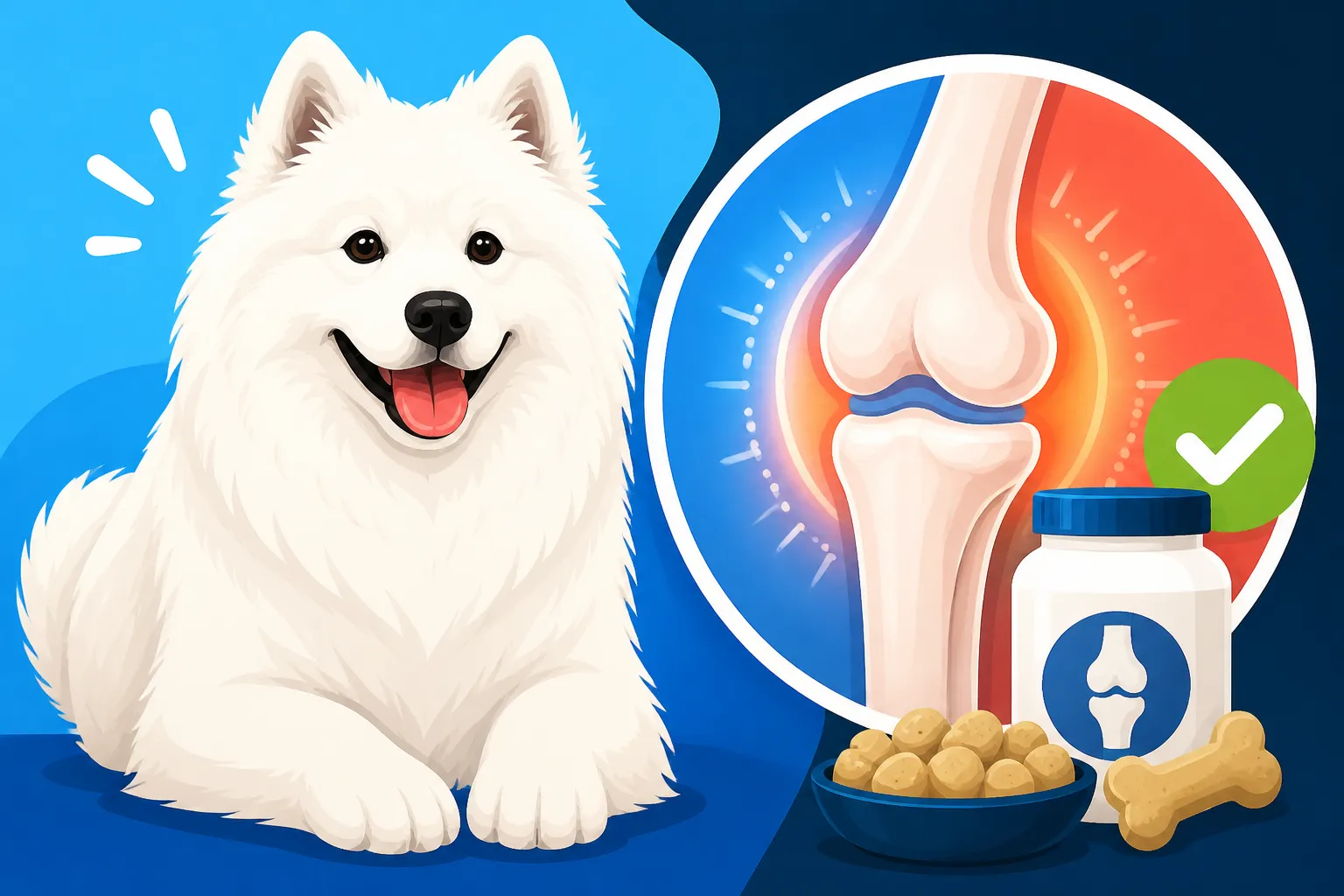
Whether a Samoyed Needs Joint Supplements
It's heartbreaking to see your usually bouncy, joyful Samoyed start to hesitate before jumping onto the couch, or perhaps move a little stiffly after a long nap. As Samoyed owners, we pour our hearts into keeping these fluffy clouds of happiness healthy and active for as long as possible. So, when the topic of joint health comes up, and with it, the question of joint supplements, it's natural to feel a bit overwhelmed and wonder if you're doing enough, or if you're just throwing money at a problem. This guide will walk you through the nuances of Samoyed joint health, help you understand if and when supplements might be beneficial, and explore a holistic approach to keeping your beloved companion moving comfortably.
Understanding Joint Health in Samoyeds
Samoyeds are majestic, active dogs bred for working in harsh Arctic conditions, pulling sleds, and herding reindeer. This history gives them a robust build, but like many larger, active breeds, they can be predisposed to certain joint issues. It's not always about age; sometimes these concerns can begin to manifest much earlier than you might expect.
Common Joint Concerns in the Breed
One of the most talked-about orthopedic conditions in Samoyeds, and indeed many large breeds, is hip dysplasia. This is where the hip joint doesn't form correctly, leading to a loose fit between the ball and socket. Over time, this can cause pain, arthritis, and a reduced range of motion. Elbow dysplasia is another developmental issue that can affect Samoyeds, involving abnormal growth of the cells, tissue, or bone in the elbow joint. Both conditions can lead to chronic discomfort and impact your Samoyed's quality of life if not managed. While not every Samoyed will develop these issues, understanding the possibility is key to proactive care. Early signs might be subtle, like a slight limp after exercise or reluctance to jump. Hip Dysplasia in a Samoyed is a topic many owners worry about for good reason.
Beyond these developmental concerns, even perfectly formed joints will experience wear and tear over a lifetime of activity. For a breed known for its boundless energy and love for running, jumping, and playing, this cumulative stress can lead to osteoarthritis, a degenerative joint disease. This is particularly true as your Samoyed moves into its senior years. Arthritis in an Older Samoyed is almost an inevitability, but its severity and onset can often be mitigated with proper care throughout their lives. It's about recognizing that while they might look like fluffy puppies forever, their bodies are aging just like ours.
The Wear and Tear of an Active Life
Imagine your Samoyed bounding through a field, leaping after a frisbee, or, if you're lucky enough to have snow, joyfully pulling a sled. These are the moments we cherish, but each leap and bound puts stress on their joints. The cartilage, which acts as a cushion between bones, can slowly degrade over time. Ligaments and tendons, which stabilize the joints, can also experience strain. For a breed that was literally bred to pull and endure, their enthusiasm can sometimes outpace the longevity of their joint structures. This isn't to say you should curb their joy, but rather to be mindful of activities that are overly high-impact, especially in younger, growing dogs, or older dogs with existing issues. Knowing The Age a Samoyed Can Start Sledding responsibly, for example, is part of managing this.
Even simple daily activities, if done repetitively or with poor form, can contribute to wear. Think about the way your Samoyed might twist and turn playing with another dog, or the impact of running on hard surfaces. Their powerful musculature can help stabilize joints, but it doesn't eliminate the stress entirely. It’s a delicate balance between providing them with enough exercise to keep their muscles strong and their minds happy, and avoiding excessive strain that could accelerate joint degeneration. Owners often ask Whether a Samoyed Still Wants to Work as they age, and while the spirit is often willing, the body might not be.
Recognizing Signs of Joint Discomfort
Your Samoyed is a master of hiding pain, often sporting that famous "Samoyed smile" even when they're not feeling their best. This stoicism can make it incredibly difficult for owners to spot early signs of joint discomfort. You might notice subtle changes: a slight hesitation before jumping into the car, being slower to get up after resting, or perhaps a reluctance to play as enthusiastically as before. They might shift their weight differently, or you might observe a slight stiffness in their gait, especially in colder weather or after intense activity.
Other signs can include licking or chewing at a particular joint, swelling around a joint, or even just a general decrease in energy or mood. If your Samoyed, who once zoomed up the stairs, now takes them one at a time, or avoids them altogether, that's a significant indicator. A change in appetite or a reluctance to be touched in certain areas could also signal pain. It's crucial to be a detective with your Samoyed; watch their movements, pay attention to their routines, and trust your gut if something feels off. Any new or worsening lameness or stiffness warrants a trip to the vet, not just a guess about supplements. How a Samoyed Hides Illness Behind a Smile is a critical read for any owner.
Deciphering the World of Joint Supplements
Once you start looking into joint supplements, you'll find a bewildering array of options. It's easy to get lost in the marketing jargon and testimonials. The key is to understand what the main ingredients are, what they are supposed to do, and why veterinary guidance is so important.
Key Ingredients and What They Do
Many joint supplements for dogs contain a combination of ingredients, each with a specific purported benefit.
- Glucosamine: This is perhaps the most common ingredient. It's an amino sugar that plays a crucial role in forming and repairing cartilage, the cushioning material between joints. The theory is that supplementing with glucosamine provides the building blocks for healthy cartilage, helping to slow its breakdown and promote repair.
- Chondroitin Sulfate: Often paired with glucosamine, chondroitin is a major component of cartilage. It's believed to help cartilage retain water, which improves its elasticity and shock-absorbing properties. It may also inhibit enzymes that break down cartilage and stimulate its production.
- MSM (Methylsulfonylmethane): A sulfur compound found naturally in some foods, MSM is thought to have anti-inflammatory and pain-relieving properties. It might help reduce discomfort associated with joint stiffness and support overall joint health.
- Omega-3 Fatty Acids (EPA & DHA): These are commonly found in fish oil. Omega-3s, particularly EPA, are well-known for their potent anti-inflammatory effects. While not directly building cartilage, they can significantly help reduce the inflammation that contributes to joint pain and further cartilage damage. This makes them a great addition for general wellness and joint support, not just for specific joint issues.
- Hyaluronic Acid (HA): A component of synovial fluid, which lubricates the joints. Supplementing with HA aims to improve joint lubrication and shock absorption.
- Green-Lipped Mussel (GLM): Hailing from New Zealand, GLM is a natural source of glucosamine, chondroitin, and omega-3 fatty acids, offering a multi-faceted approach to joint support.
It's important to remember that the efficacy of these supplements can vary from dog to dog, and robust scientific evidence supporting all claims across all breeds isn't always available.
When to Consider Starting Supplements
The question of when to start joint supplements for your Samoyed is complex and ideally answered in consultation with your veterinarian. There are generally two approaches:
- Proactive/Preventative: Some owners choose to start joint supplements earlier in their Samoyed's life, perhaps around 2-3 years of age, especially if their dog is very active, from lines with a history of hip or elbow dysplasia, or is an extra-large Samoyed. The idea here is to provide support before significant issues arise, hoping to maintain joint health and potentially delay the onset of degenerative conditions like arthritis. If you've got a Samoyed that loves to pull, Whether Sledding Wears Out a Samoyed's Joints is a valid concern, and preventative measures might be discussed with your vet.
- Reactive/Therapeutic: More commonly, supplements are introduced when a Samoyed begins showing signs of joint discomfort, stiffness, or has been diagnosed with a condition like hip or elbow dysplasia or early arthritis. In these cases, the supplements are used as part of a broader management plan to reduce pain, improve mobility, and slow the progression of joint degeneration.
Never simply start a supplement without a vet visit. Your vet can accurately diagnose the cause of any lameness and recommend the most appropriate course of action, which may or may not include supplements. They can also advise on the proper dosage and potential interactions with other medications.
Evaluating Different Supplement Forms and Quality
Joint supplements come in a variety of forms: chewable tablets, soft chews, powders, and liquids. The best form for your Samoyed will often depend on their preference and how easily you can administer it. Some dogs are picky, and a tasty soft chew might be more successful than a powder mixed into their food.
More importantly than form, however, is the quality and sourcing of the ingredients. The supplement industry for pets isn't always as tightly regulated as human pharmaceuticals, so choosing a reputable brand is crucial. Look for brands that:
- Have third-party testing: This indicates that an independent lab has verified the ingredients and their purity.
- Are recommended by veterinarians: Vets often have experience with brands that consistently deliver results and have good quality control.
- Provide clear ingredient lists and dosages: Transparency is key.
- Avoid excessive fillers or artificial additives: Stick to the core ingredients.
Products available through trusted retailers like Chewy often include detailed product information and customer reviews, which can be helpful, but always cross-reference with your vet's advice. Some pet insurance providers, such as Healthy Paws, might cover prescribed joint supplements if they are part of a vet-diagnosed treatment plan, so it's worth checking your policy.
Beyond Supplements: A Holistic Approach to Samoyed Joint Care
While joint supplements can be a valuable tool, they are rarely a standalone solution. A truly effective approach to maintaining your Samoyed's joint health involves several interconnected strategies. Think of it as a comprehensive wellness plan, where each component supports the others.
Weight Management and Nutrition
This cannot be stressed enough: maintaining a healthy weight is arguably the single most important factor in preventing and managing joint issues. Every extra pound your Samoyed carries puts additional stress on their joints, accelerating cartilage breakdown and increasing pain. Even a slightly overweight Samoyed can experience significantly more discomfort than one at an ideal weight. It's often difficult to tell if a Samoyed is overweight due to their abundant coat, so learning Feeling for Ribs Under a Samoyed's Coat is essential.
A balanced, high-quality diet provides the necessary nutrients for overall health, including strong bones, healthy connective tissues, and a robust immune system that can help manage inflammation. Discussing your Samoyed's specific dietary needs with your vet, especially if they have existing joint issues, is crucial. They might recommend a diet formulated for large breeds, senior dogs, or even specific therapeutic diets that are lower in calories and sometimes fortified with joint-supporting ingredients. Companies like Ollie offer fresh, tailored meal plans which can make it easier to control calories and ensure your Samoyed is getting wholesome ingredients, directly impacting their overall weight and health. Whether a Samoyed Should Be Fed by Weight Rather Than Scoop is a question many owners should consider to avoid overfeeding.
Appropriate Exercise and Activity
An active Samoyed is a happy Samoyed, but there's a difference between healthy activity and activities that might exacerbate joint problems. Regular, moderate exercise helps keep muscles strong, which in turn supports and stabilizes joints. It also aids in maintaining a healthy weight and keeps the synovial fluid flowing, which lubricates the joints.
However, high-impact activities like jumping repeatedly, long runs on hard pavement, or intense agility training without proper conditioning can be detrimental, especially for young, growing puppies or older dogs. Focus on activities that are low-impact but still engaging, such as swimming, walking on soft surfaces (like grass or dirt trails), or canine massage and physical therapy. For puppies, it’s particularly important to avoid over-exercising them during their rapid growth phases to protect developing joints. Remember that Keeping a Samoyed Puppy Off Stairs and other similar precautions can make a big difference in their long-term joint health.
Regular Veterinary Check-ups and Early Intervention
Routine veterinary visits are your first line of defense against serious joint problems. Your vet can perform orthopedic exams, assess your Samoyed's gait, and discuss any concerns you might have. They can also recommend appropriate diagnostic tests, such as X-rays, if they suspect a joint issue. Early diagnosis means earlier intervention, which can often lead to better outcomes and a more effective management plan.
This isn't just about yearly shots; it's a comprehensive health assessment. Your vet can monitor your Samoyed's weight, evaluate their mobility, and suggest lifestyle adjustments or preventative measures tailored to your individual dog's needs and genetic predispositions. If you're wondering Whether a Samoyed Needs Yearly Kidney Bloodwork or similar regular checks, discussing a full preventative health schedule with your vet is vital for addressing all potential breed-specific health concerns, including joint health. A vet can also help you differentiate between normal aging stiffness and something more serious that requires specific medical treatment beyond just supplements.
Making an Informed Decision for Your Samoyed
Deciding whether to add joint supplements to your Samoyed's routine is a personal choice, but it should be an informed one, made in partnership with your veterinarian. There's no one-size-fits-all answer, and what works for one Samoyed might not be necessary or effective for another.
Discussing Options with Your Veterinarian
This is the most crucial step. Before you buy any supplement, talk to your vet. They have a complete understanding of your Samoyed's medical history, current health status, and any potential predispositions. They can also rule out other conditions that might be mimicking joint pain but require different treatments.
During this discussion, ask your vet:
- Do they believe your Samoyed genuinely needs a joint supplement?
- Are there specific ingredients they recommend or advise against?
- Do they have particular brands or formulations they trust?
- What is the appropriate dosage for your Samoyed's weight and condition?
- Are there any potential side effects or interactions with other medications your Samoyed is taking?
- What kind of improvements should you look for, and over what timeframe?
- Are there alternatives or complementary therapies, such as physical therapy or anti-inflammatory medications, that should be considered?
Your vet might also advise on The Health Tests Both Samoyed Parents Should Have if you're getting a puppy, as a good breeder will screen for hip and elbow dysplasia, which can inform your long-term preventative care strategy.
Factors to Consider Before Starting
Before you commit to a joint supplement, take a moment to consider several factors:
- Your Samoyed's Age: Puppies and young adults typically don't need supplements unless they have a diagnosed developmental issue. Older dogs, especially those showing signs of stiffness or with diagnosed arthritis, are more likely candidates. The Age a Samoyed Counts as a Senior is a good time to reassess their overall health needs, including joint support.
- Existing Conditions: If your Samoyed has a confirmed diagnosis of hip or elbow dysplasia, or early arthritis, supplements can be a beneficial part of their treatment plan.
- Activity Level: Highly active working Samoyeds, like those involved in sledding or competitive sports, might benefit from proactive joint support due to the increased stress on their joints.
- Budget: Joint supplements can be an ongoing expense. Factor this into your overall pet care budget. Joint Supplements for a Samoyed can be a significant cost over their lifetime.
- Lifestyle: Consider how easily you can administer the supplement daily. If your Samoyed is particular about food, a tasty chew might be better than a powder.
- Holistic Approach: Remember that supplements work best when combined with weight management, appropriate exercise, and regular vet care. They are not a magic bullet and won't fix underlying problems on their own.
Ultimately, the goal is to enhance your Samoyed's comfort and mobility, allowing them to enjoy their lives to the fullest. A thoughtful, vet-guided approach is always the best path forward.
Here’s a quick overview of some common joint supplement ingredients:
| Ingredient | Primary Role | Common Sources | Potential Benefit |
|---|---|---|---|
| Glucosamine | Cartilage building block | Shellfish (glucosamine HCl), plant-based (N-acetyl glucosamine) | Supports cartilage repair and maintenance |
| Chondroitin Sulfate | Cartilage elasticity & water retention | Bovine or porcine cartilage | Improves cartilage shock absorption, inhibits breakdown |
| MSM | Anti-inflammatory, pain relief | Naturally in plants and animals | Reduces joint pain and inflammation, supports connective tissue |
| Omega-3 Fatty Acids | Anti-inflammatory | Fish oil (salmon, sardine, anchovy), flaxseed oil | Decreases inflammation, improves joint comfort |
| Hyaluronic Acid | Joint lubrication | Fermentation (vegan), rooster combs | Enhances joint fluid viscosity and shock absorption |
| Green-Lipped Mussel | Natural source of Glucosamine, Chondroitin, Omega-3s | Shellfish (Perna canaliculus) | Comprehensive joint support, anti-inflammatory |
Disclaimer
This article is for general informational purposes only and does not constitute professional advice. Laws, prices and regulations vary by location and change over time. Consult a qualified professional for guidance on your specific situation.