Whether a Samoyed Under Fifteen Hundred Was Health Tested
It’s a universally exciting feeling when you’re dreaming of bringing home a fluffy, smiling Samoyed puppy. But then you start looking at prices, and that dream can quickly turn into sticker shock. You might stumble upon a listing for a Samoyed puppy that seems incredibly affordable, perhaps under fifteen hundred dollars, and it makes you wonder: why is this puppy so much cheaper than others, and does that lower price tag mean they haven’t had the necessary health testing? This guide will help you understand the crucial connection between a Samoyed's price and the health screening that safeguards their future and your peace of mind.
The Allure and Alarm of a Lower-Priced Samoyed Puppy
When you're searching for a Samoyed, the price tags can vary wildly, sometimes by thousands of dollars. It's completely understandable to be drawn to a puppy that seems like a bargain. Who doesn't love saving money? However, with a breed like the Samoyed, a significantly lower price point, especially under fifteen hundred dollars, often serves as a blaring siren, signaling that corners might have been cut in critical areas, most notably health testing. Responsible breeding is an expensive endeavor, and those costs are necessarily reflected in the price of a healthy, well-reared puppy.
It's not just about the money, though that's a big part of it. It's about the potential heartbreak and immense financial strain that can come from bringing home a puppy with hidden genetic conditions. That initial "saving" can quickly evaporate and be replaced by a lifetime of vet bills, emotional turmoil, and the pain of watching your beloved companion suffer from preventable illnesses. You might think you're getting a deal, but in reality, you could be setting yourself up for a far greater cost down the line – both financially and emotionally.
What "Health Tested" Truly Means for a Samoyed
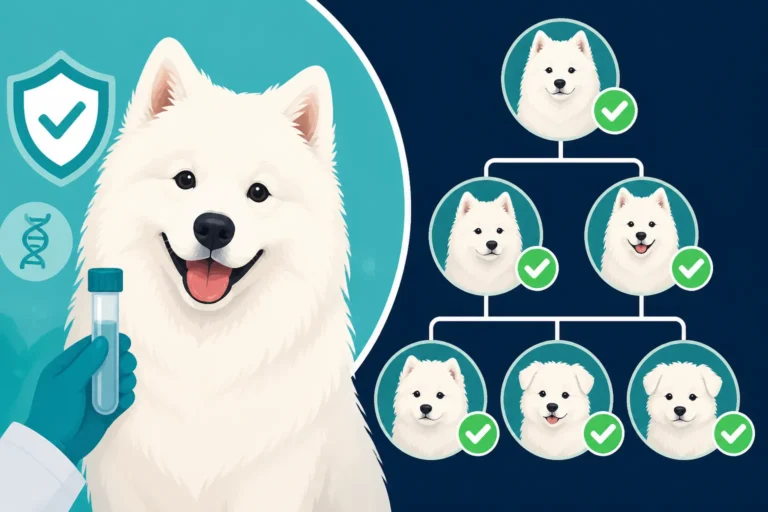
The phrase "health tested" is often thrown around by breeders, but it's crucial to understand what that actually entails for a Samoyed. It’s not just a general check-up; it refers to specific, rigorous screenings for hereditary conditions known to affect the breed. These tests are performed on the parent dogs before breeding, to ensure they aren't passing on genetic predispositions to their offspring.
For Samoyeds, these essential health clearances typically include:
- Orthopedic Foundation for Animals (OFA) Hip and Elbow Dysplasia Clearances: Hip and elbow dysplasia are debilitating conditions that can lead to severe arthritis and pain. The parents should have X-rays reviewed by veterinary radiologists to confirm healthy joints. You can ask Whether a Samoyed's Hip Score Predicts Later Arthritis.
- Canine Eye Registry Foundation (CERF) or OFA Eye Examinations: Samoyeds are prone to various eye issues, including Progressive Retinal Atrophy (PRA) and Retinal Dysplasia. Parents should have annual eye exams performed by a board-certified veterinary ophthalmologist. Checking Eye Disease and the Samoyed's Retina is vital.
- OFA Cardiac Clearances: Certain heart conditions, like subaortic stenosis, can affect Samoyeds. A veterinary cardiologist should examine the parents' hearts. This can indicate if Aortic Stenosis in a Samoyed is a risk.
- Genetic Testing for Samoyed Hereditary Glomerulopathy (SHG) / X-linked Hereditary Nephritis (XLHN): This is perhaps the most critical test for Samoyed males, as it causes fatal kidney disease in young males. Females can be carriers. The parents should be tested to ensure the litter is free of affected puppies. This is why The COL4A5 Test Every Samoyed Buyer Should Ask About is non-negotiable.
These are not cheap tests. Each requires specialized veterinary attention, and the results are often submitted to a central registry for public verification. A breeder who invests in these tests is transparent, ethical, and committed to the long-term health of their puppies and the breed as a whole.
The Real Costs Behind Responsible Breeding
Responsible Samoyed breeders aren't in it to get rich; they do it out of a deep passion for the breed and a commitment to producing healthy, well-adjusted puppies. The costs involved in responsible breeding are substantial, and they are directly reflected in a higher, yet justifiable, puppy price.
Let's break down where that money goes:
- Health Clearances: As discussed, these aren't minor expenses. Each OFA clearance, eye exam, and genetic test for the breeding pair adds up. Good breeders test every dog in their breeding program, not just once, but often annually for eyes and cardiac.
- Quality Nutrition and Care for the Parents: Breeding dogs require top-notch food, regular veterinary care, and an enriched environment. A healthy mother is crucial for healthy puppies.
- Stud Fees: If a breeder uses an outside male, the stud fee alone can be a significant cost, often thousands of dollars, and reflects the health testing and quality of the stud dog.
- Whelping and Puppy Care: From prenatal vet visits for the mother to ultrasounds and potential C-sections, to puppy deworming, vaccinations, microchipping, and high-quality puppy food, these expenses are considerable. Puppies are also typically kept until 8-10 weeks old, requiring constant supervision and care.
- Time and Effort: This is priceless. A responsible breeder dedicates countless hours to socializing puppies, handling them, cleaning up after them, and screening potential buyers. They provide ongoing support to new owners for the lifetime of the dog.
- Showing and Titles: Many responsible breeders show their dogs in conformation or participate in performance events. This proves their dogs meet the breed standard and possess sound temperament, adding to their expenses but also to the quality of the puppies.
When you see a Samoyed puppy priced significantly below the average, it's often because the "breeder" has skipped some or all of these crucial steps. They might not have done any health testing, fed the parents or puppies cheap food, or invested time in proper socialization. That "bargain" price becomes a huge gamble with your future companion's health.
The Hidden Costs of an Untested Puppy
The initial price of a puppy, while a significant consideration, is truly just the tip of the iceberg when it comes to lifetime ownership costs. The real financial burden and emotional toll often emerge when you purchase a puppy from untested lines, even if that puppy seems perfectly healthy at eight weeks old. Many hereditary conditions don't manifest until later in life, leaving unsuspecting owners to shoulder enormous veterinary bills and endure the heartbreak of a sick dog.
It’s easy to think, "It won't happen to me," but the statistics for certain hereditary conditions are real. Without prior testing of the parents, you are essentially rolling the dice, and the odds might not be in your favor. This is where that upfront "saving" on a cheap puppy can truly come back to haunt you, transforming into a financial black hole and immense emotional distress.
Common Health Issues in Untested Samoyeds
When parents aren't health-tested, their offspring are at a much higher risk for specific, painful, and often expensive genetic conditions. For Samoyeds, these can include:
- Hip and Elbow Dysplasia: Imagine your beautiful, fluffy Samoyed, still young, struggling to get up, limping after a walk, or showing signs of pain. This is a common reality for dogs suffering from hip or elbow dysplasia. This condition can require ongoing pain management, anti-inflammatory medications, physical therapy, and in severe cases, costly surgeries like total hip replacement. These treatments can run into many thousands of dollars over the dog's lifetime. Hip Dysplasia in a Samoyed is not something you want your dog to endure.
- Samoyed Hereditary Glomerulopathy (SHG)/X-linked Hereditary Nephritis (XLHN): This is a particularly devastating inherited kidney disease that primarily affects male Samoyeds. Males typically show signs of kidney failure before 15 months of age and often succumb to the disease by two years old. Imagine the devastation of losing your beloved puppy so young, after forming such a strong bond. The ongoing medical management, special diets, and vet visits in the months leading up to their decline are also a significant burden. It's truly heartbreaking, and The Kidney Disease That Kills Samoyed Males Before Fifteen Months is a tragedy that can be avoided with proper testing.
- Eye Diseases: Conditions like Progressive Retinal Atrophy (PRA) can lead to gradual blindness, while Retinal Dysplasia can also impair vision. While some dogs adapt well to blindness, it requires significant adjustments to your home environment and lifestyle. Vet visits to diagnose and monitor these conditions are costly, and managing a blind dog requires extra care and attention. You definitely want to know Eye Disease and the Samoyed's Retina is not a looming threat.
- Diabetes Mellitus: While not always strictly genetic, certain lines can have a predisposition. Untested lines may not have the same careful screening for overall health. If a Samoyed develops Diabetes in a Middle Aged Samoyed, it means daily insulin injections, special diets, frequent vet check-ups, and the constant worry about blood sugar levels.
Long-Term Financial Implications
Let's talk numbers, because the reality of managing these conditions is staggering. A single surgery for hip dysplasia can easily cost thousands of dollars per hip. Daily insulin for a diabetic dog, along with specialized food and regular vet checks, can add up to hundreds of dollars a month, every month, for the rest of their life. Treating kidney disease involves a specialized renal diet, medications, and frequent bloodwork and urine tests.
Consider these potential expenses:
- Vet Visits and Diagnostics: Regular check-ups, specialized tests (like ultrasounds, X-rays, extensive blood panels), and emergency visits for complications.
- Medication: Daily pills for pain, anti-inflammatories, thyroid issues, or insulin. These costs are ongoing.
- Prescription Diets: Many chronic conditions require specific prescription foods, which are often more expensive than regular kibble. For instance, if your Samoyed develops kidney issues, you'll be looking at a renal diet for life. Brands like Chewy and Ollie offer convenient ways to source prescription foods, but they still represent a significant ongoing cost.
- Rehabilitation/Physical Therapy: For orthopedic issues, physical therapy can greatly improve quality of life but comes with its own price tag.
- Pet Insurance: While highly recommended, pet insurance policies generally do not cover pre-existing conditions. If you buy an untested puppy and it later develops a hereditary issue, you might find yourself without coverage for that specific ailment. This makes the upfront health testing even more critical. However, for unexpected accidents and illnesses, a company like Healthy Paws can be a lifesaver, but always read the fine print regarding hereditary conditions and waiting periods.
The peace of mind that comes from knowing your puppy’s parents were thoroughly health-tested is truly invaluable. It doesn't guarantee your Samoyed will never get sick – no living creature comes with such a guarantee – but it dramatically reduces the risk of inheriting these debilitating and costly conditions.
Due Diligence Beyond the Price Tag
The price of a Samoyed puppy should always be secondary to the health and welfare of the animal. If a price seems too good to be true, it almost certainly is. Responsible breeders are transparent and eager to share information about their dogs and breeding practices. They understand that you, as a potential owner, are investing in a family member, and they want to ensure the best possible match. Your due diligence is paramount in protecting yourself and ensuring you bring home a healthy companion.
Questions to Ask a Samoyed Breeder
Don't be shy! A good breeder expects questions and will respect your thoroughness. Here's a comprehensive list to guide your conversation, pushing beyond a simple "yes" or "no":
- "Can I see the health clearances for both parents?" Be specific. Ask for OFA certifications for hips, elbows, and cardiac (heart), as well as current CERF/OFA eye certifications. Crucially, ask for the COL4A5 DNA test results for Samoyed Hereditary Glomerulopathy. Don't just take their word for it; ask to see the actual certificates or links to public databases. Every responsible breeder should be able to provide these.
- "What are the registered names of the sire and dam?" With registered names, you can look up their health clearances independently on public databases.
- "How old are the parents?" Many clearances (like OFA Hips and Elbows) aren't final until a dog is 24 months old. Breeding younger dogs means these critical tests haven't been completed.
- "How often do you breed your females?" Responsible breeders typically allow their females to mature and recover fully between litters, often breeding no more than once every 12-18 months.
- "Can you tell me about the temperament of the parents?" Temperament is hereditary. A good breeder knows their dogs' personalities inside and out and can speak to their suitability for breeding.
- "What kind of socialization do the puppies receive?" Early socialization is critical for a well-adjusted Samoyed. Ask about exposure to different sounds, surfaces, people, and other animals.
- "What kind of diet are the puppies on?" Good nutrition from the start sets a puppy up for a healthy life.
- "What vaccinations and deworming have the puppies received, and when?" Ask for their vet records.
- "Do you have a health guarantee or contract?" A reputable breeder will have a comprehensive contract outlining their responsibilities and yours, often including a health guarantee for hereditary conditions for a certain period. Check Whether a Samoyed Health Guarantee Covers the Kidneys.
- "What happens if I can no longer keep the dog?" Most responsible breeders require that you return the dog to them if you can no longer care for it, showing their lifelong commitment.
- "Can I visit the puppies and meet the parents?" This is crucial. Observe the environment, the health of the parents, and how the puppies interact. If a breeder refuses a visit, especially without a very compelling reason, consider it a major red flag.
- "What support do you offer after I take the puppy home?" A good breeder is a mentor for life, available to answer questions and offer guidance as your Samoyed grows.
Remember, The Health Tests Both Samoyed Parents Should Have is a non-negotiable aspect of responsible breeding.
Verifying Health Clearances
Don't just rely on a breeder showing you a piece of paper or telling you they "did the tests." You have the power to verify!
- OFA (Orthopedic Foundation for Animals): This is the gold standard for orthopedic and cardiac clearances. Visit the OFA website and use their search function. You can typically search by the dog's registered name or registration number. You should find public records for hips, elbows, patellas, and cardiac exams.
- CERF/OFA Eye Examinations: Results from eye examinations by board-certified veterinary ophthalmologists are often registered with OFA.
- Genetic Testing: For conditions like SHG (COL4A5 gene), ask the breeder which lab performed the test (e.g., Optimal Selection, Embark, Canine Health Check) and for the specific results for both parents, indicating whether they are "clear," "carrier," or "affected." A "clear" dog does not carry the gene; a "carrier" carries one copy but is generally unaffected; an "affected" dog carries two copies and will develop the disease. A responsible breeder will never knowingly breed two carriers together, as this can produce affected puppies. You can often verify these results directly through the lab's website if the breeder provides the relevant ID number.
- Pedigree Research: Tools like the Samoyed Club of America's online pedigree database can help you trace a dog's lineage and sometimes link to OFA results, allowing you to research the health history of previous generations.
A breeder who is upfront, provides documentation, and encourages you to verify everything is a strong indicator of ethical practices.
Finding a Reputable Breeder, Not Just a Cheap Puppy
It’s tempting to want that immediate gratification of a puppy, and seeing lower prices can certainly make it seem more accessible. However, the true cost of Samoyed ownership extends far beyond the initial purchase price. Investing in a puppy from a reputable breeder is an investment in health, temperament, and a lifetime of support, which ultimately provides far greater value than a "bargain" puppy. You are choosing a member of your family, and their well-being should be the top priority.
The Value of a Reputable Breeder
A reputable Samoyed breeder is not just selling puppies; they are guardians of the breed. They are dedicated to preserving the Samoyed's unique characteristics, health, and temperament. Here's what you gain by choosing wisely:
- Health Assurance: You significantly reduce the risk of debilitating hereditary diseases. This means fewer heart-wrenching vet visits, less suffering for your dog, and lower long-term medical costs.
- Temperament Guarantees: Reputable breeders pay close attention to the temperament of their breeding dogs, ensuring they are sweet, friendly, and stable – traits essential for a Samoyed. They also provide crucial early socialization.
- Lifelong Support: A good breeder becomes a resource for you for the entire life of your dog. They’ll be there for questions about training, grooming, health, or anything else that comes up. They view their puppies as their responsibility, even after they leave for their forever homes.
- Ethical Practices: You are supporting ethical breeding that prioritizes the welfare of the animals over profit.
- Predictability: While no dog is a robot, a well-bred Samoyed from health-tested parents offers a greater degree of predictability in terms of health, size, and temperament, fitting the breed standard you fell in love with.
While the upfront cost for a well-bred Samoyed might feel significant, usually ranging well over the fifteen hundred dollar mark, it is often a fraction of what you might pay in vet bills and emotional stress for a poorly bred animal over its lifetime. Think of it as preventative medicine.
Alternatives: Rescue vs. Buying
If the price of a well-bred Samoyed is truly prohibitive, and you understand the commitment involved, there are a couple of alternatives to consider, but with their own set of considerations:
- Samoyed Rescues: Samoyed-specific rescues are wonderful organizations dedicated to rehoming dogs that, for various reasons, need a new home. These dogs often come with a known history, sometimes including health issues that the rescue has already addressed or can disclose. The adoption fees are typically much lower than buying from a breeder, and often cover initial vet care, spaying/neutering, and microchipping. While you might not get full genetic health histories of the parents, the rescue will typically provide whatever medical information they have. What Adopting a Samoyed Costs Instead of Buying One will typically give you a good idea of the cost savings. Rescues also often assess temperament very thoroughly before placement.
- Older Samoyeds from Reputable Breeders: Sometimes, reputable breeders may have older puppies or retired adult dogs available. These dogs have often had their full health clearances done, and their temperaments are well-established. They might be available for a lower fee than a young puppy, or sometimes even for free to the right home.
Regardless of whether you choose a puppy from a reputable breeder or an adult from a rescue, the principle remains the same: prioritize health, temperament, and ethical sourcing. A cheap puppy today can lead to devastating costs and heartbreak tomorrow. Doing your homework and being patient will pay dividends in the form of a healthy, happy Samoyed companion for many years to come.
| Feature | Lower-Priced, Untested Puppy (<$1500) | Higher-Priced, Health-Tested Puppy (Often >$2500) |
|---|---|---|
| Upfront Cost | Lower, seems like a "bargain" | Higher, significant initial investment |
| Health Testing of Parents | Unlikely, or only minimal/incomplete tests | Comprehensive OFA (Hips, Elbows, Cardiac), Eye, DNA (SHG) |
| Risk of Hereditary Disease | Significantly higher | Significantly lower |
| Long-Term Vet Bills | Potentially very high for chronic conditions, surgeries, medication | Generally lower, focused on routine care and age-related issues |
| Emotional Toll | High risk of heartbreak, stress, and guilt if dog becomes ill | Lower, peace of mind regarding preventable hereditary issues |
| Breeder Support | Often minimal or non-existent after sale | Lifelong support and guidance |
| Temperament Predictability | Less predictable, as parents' temperaments may not be carefully selected | More predictable, good socialization and stable genetics |
| Pet Insurance Coverage | Pre-existing hereditary conditions often excluded | Better chance of coverage for non-hereditary issues, as fewer pre-existing conditions |
Disclaimer
This article is for general informational purposes only and does not constitute professional advice. Laws, prices and regulations vary by location and change over time. Consult a qualified professional for guidance on your specific situation.