Why a Samoyed Digs Under Fencing
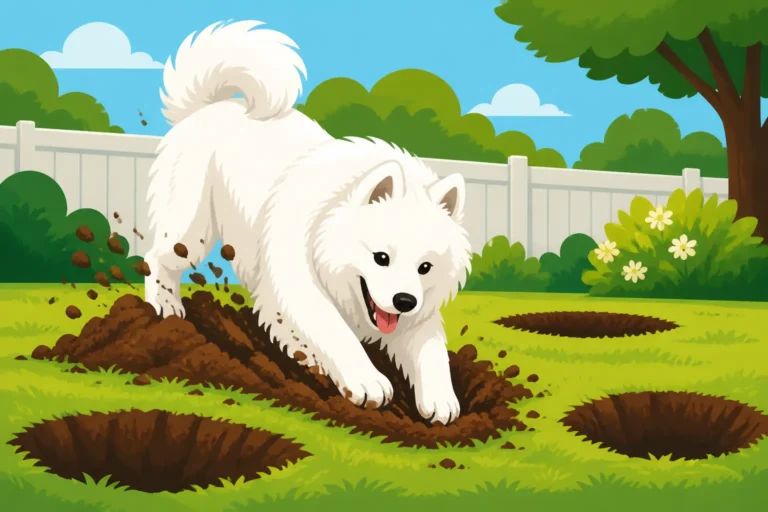
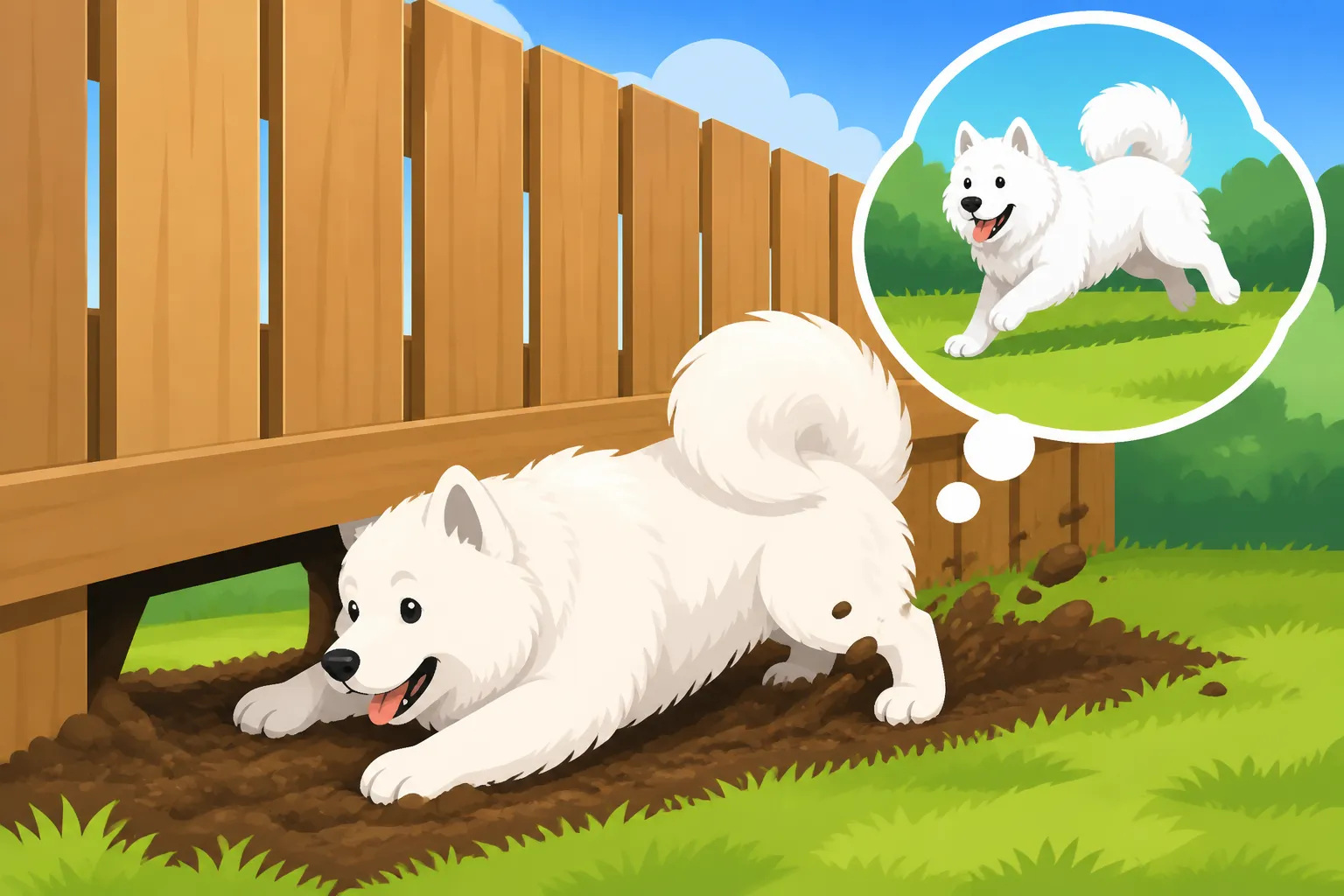
Oh, the infamous Samoyed "excavation project"! If you're reading this, chances are you've walked out into your yard one sunny afternoon only to find a fresh crater near the fence line, a tell-tale smudge of dirt on your pristine white Samoyed's nose, and a sinking feeling in your stomach. It's incredibly frustrating, isn't it? You invest in a secure yard, spend time and money on your furry friend, and then they decide to become an escape artist right under your nose. This guide is here to help you understand why your fluffy companion turns into a dirt-digging machine when faced with a fence, and more importantly, what you can actually do about it without turning your backyard into Fort Knox.
The Instinctive Drive Behind Samoyed Digging
It's easy to take your Samoyed's digging personally, like they're actively trying to annoy you or defy your boundaries. But the truth is, much of this behavior isn't malicious; it's deeply ingrained in their DNA. These dogs come from a long line of working animals that had very practical reasons for interacting with the earth. Understanding these ancient instincts is the first step toward effective management.
Their Ancestral Legacy of Excavation
Imagine the vast, cold expanses of Siberia where the Samoyed's ancestors, the Bjelkier, lived alongside the Nenets people. Life was harsh, and survival often depended on clever adaptations. Digging was not a pastime; it was a necessity. They might have dug out dens to shelter their young from predators or the biting winds, creating safe, warm havens. This denning instinct, while perhaps less critical for survival in your suburban backyard, is still present. A Samoyed might dig to create a perceived safe space, a hideaway, or simply because the act of digging itself feels intrinsically right and satisfying on a primal level. It's a connection to their heritage, even if it looks like pure mischief to us. The sensory experience of cool earth, the scent of the soil, the physical exertion—it all taps into a very old part of their brain that says, "This is what I do."
Temperature Regulation and Comfort
Samoyeds are built for extreme cold, with a magnificent double coat that is the envy of many. However, that thick coat, while brilliant insulation in winter, can become a burden in warmer climates. When the sun beats down, or even when temperatures are just mild, a Samoyed can quickly overheat. They don't sweat like humans do; their primary methods of cooling are panting and seeking out cooler environments. What's cooler than the surface ground? The earth just a few inches deeper. Many Samoyeds instinctively know this and will dig cool hollows to lie in. It's a natural canine air-conditioning system. If your Samoyed is digging primarily in shaded areas or next to the house where the earth might be cooler, especially during warmer parts of the day, it's a strong indicator that they're just trying to get comfortable. We talk more about this specific issue in The Digging a Samoyed Does Because It Is Hot. They aren't trying to escape as much as they are trying to regulate their body temperature and find some relief from the heat that their incredible coats can sometimes trap.
The Thrill of the Hunt
Samoyeds, despite their friendly demeanor, are still working dogs with a prey drive. While they might not be chasing reindeer in your yard, there's a whole world of tiny creatures living under the grass and beyond your fence. Moles, voles, mice, gophers, and even intriguing insects can leave scent trails that are utterly irresistible to a Samoyed's powerful nose. That sudden focused digging at the fence line might not be an escape attempt at all, but rather a determined effort to unearth a hidden treasure—or what they perceive as treasure. The thrill of the chase, even if it's just the scent of a critter that passed by hours ago, can be a huge motivator. They're engaging their hunting instincts, following a scent trail that promises excitement and potential reward. Sometimes, it's not even about catching something, but the pure exhilaration of the hunt and the puzzle-solving aspect of tracking a scent to its source. They might dig vigorously, then stop, sniff, and dig again, completely engrossed in their subterranean detective work.
Boredom and Energy Release
A tired Samoyed is a well-behaved Samoyed, or at least, a less mischievous one. These dogs are intelligent, energetic, and were bred for purpose. If their physical and mental needs aren't being met, that boundless energy and clever mind will find an outlet, and often, that outlet is destructive behavior like digging.
A Mind and Body Underchallenged
Samoyeds are not ornamental lap dogs; they are robust working animals that thrive on activity. They need significant physical exercise, far beyond a quick stroll around the block. If your Samoyed isn't getting enough strenuous activity—think long walks, runs, hikes, or dedicated playtime—they will have a surplus of energy that needs to go somewhere. Digging is a fantastic full-body workout for a dog. It expends physical energy, engages their muscles, and helps them feel "used." Beyond physical exertion, their minds are keen. Without mental stimulation, like training sessions, puzzle toys, or new experiences, a Samoyed can become profoundly bored. A bored dog is an inventive dog, and digging provides both physical and mental engagement, even if it's not the kind you'd prefer. This is why How Much Exercise a Samoyed Needs is so crucial to preventing these kinds of behaviors. They aren't just going through the motions; they're solving a problem – the problem of what to do with all that unused energy and intelligence.
The Samoyed's Need for a "Job"
Historically, Samoyeds had jobs. They herded reindeer, pulled sleds, and kept their human families warm. This innate drive to contribute, to have a purpose, is still very much alive in the modern Samoyed. When they don't have a constructive "job" to do, they often create their own. Digging can become their self-appointed "job" for the day: exploring the unknown, fortifying the perimeter (in their minds), or even just reshaping the landscape. They derive immense satisfaction from completing a task, even if that task is merely moving a pile of dirt from one spot to another. Providing alternative, acceptable outlets for this working drive is essential. This could involve structured training, dog sports like canicross or even just advanced obedience, giving them a sense of purpose and direction. Without it, the fence line becomes their personal project, and they will dedicate themselves to it with the same fervor their ancestors applied to pulling sleds across the tundra. Understanding The Job a Samoyed Actually Needs can transform your approach to managing their energy and behavior.
Seeking Connection and Escaping Loneliness
Samoyeds are profoundly social creatures. They were bred to live and work in close proximity to humans, even sleeping inside tents with their families. This strong desire for companionship means they do not do well with prolonged isolation. If they feel lonely or anxious, digging can become a desperate attempt to rejoin their pack—you.
The Pack Animal's Desire to Join You
A Samoyed views you and your family as their pack. They have an almost insatiable desire to be with you, to participate in whatever you're doing, and to simply be in your presence. This isn't just a preference; it's a fundamental part of their genetic makeup. They followed the Nenets everywhere, and they'll follow you from room to room. When you leave them alone in the yard, especially if they can see or hear you inside, their instinct is to rejoin the pack. The fence then becomes an obstacle to overcome, a barrier preventing them from fulfilling their deepest social need. Digging under it is simply the most direct, albeit most troublesome, way to bridge that gap. This is why you'll often see them digging right where they last saw you or where they can glimpse movement inside the house. For more on this, check out Why a Samoyed Wants to Be in the Room With You. They aren't trying to run away; they're trying to run to you.
Escapism Triggered by Isolation
For some Samoyeds, being left alone for extended periods can trigger genuine separation anxiety. This isn't just mild boredom; it's a profound distress reaction. When they feel anxious, dogs can resort to a variety of coping mechanisms, and digging is one of them. The act of digging can be a self-soothing behavior, a way to release pent-up stress and frustration. If your Samoyed only digs when you're away, and especially if they show other signs of anxiety (like excessive barking, destructive chewing indoors, or pacing), then their digging is likely an attempt to escape the situation that's causing them distress. They are trying to literally dig their way out of their loneliness and back to the security of their human companionship. It's a cry for help, albeit one that can wreak havoc on your landscaping. Addressing the underlying anxiety, rather than just the digging itself, becomes paramount in these cases.
Environmental Factors and Fence Vulnerabilities
Sometimes, it's not just about the dog; it's also about the environment. The design of your fence, the attractions on the other side, and even the type of soil can all play a role in encouraging a Samoyed's digging habits.
The Allure of the Other Side
Think about it from your Samoyed's perspective: there's a whole world out there beyond that fence! Other dogs walking by, squirrels scurrying up trees, intriguing smells from a neighbor's barbecue, or simply the unknown. For an intelligent and curious breed like the Samoyed, the "other side" can be an irresistible draw. If they can see or hear tempting distractions, their desire to investigate them can become overwhelming. They might start digging because they're trying to get to a specific scent, or because they saw a cat saunter by, or simply out of sheer curiosity about what lies beyond their familiar confines. Even if they don't really want to run away, that initial impulse to explore is powerful. The fence might as well be a giant "do not enter" sign, which for a Samoyed, often translates to "challenge accepted."
Weak Points in Your Perimeter
Let's be honest, not all fences are created equal. A determined Samoyed can exploit even the smallest weakness. Here's a table outlining common fence vulnerabilities and how a Samoyed might exploit them:
| Vulnerability Type | Samoyed's Exploitation | Risk Level |
|---|---|---|
| Loose Bottom Edges | Pushing their nose under and expanding the gap with paws. | High |
| Soft Soil/Dirt Mounds | Easy excavation, especially after rain, or starting from a raised spot. | Medium |
| Chain Link Gaps | Can bend or widen the bottom diamond shapes over time. | Medium |
| Rotten Wood/Posts | Chewing and weakening wood, then digging under. | Low |
| Adjacent Structures | Using a shed or tree to gain height and then dig near its base. | Medium |
| Invisible Fencing | No physical barrier; they learn the shock and push through. | High |
Many owners quickly learn How a Samoyed Gets Out of Anything You Build. Standard fences, while fine for many breeds, often don't account for a Samoyed's unique combination of strength, intelligence, and sheer determination. A fence that merely sits on top of the ground, without any underground reinforcement, is an open invitation for a digging dog. They're not just digging; they're testing the boundaries, finding the path of least resistance. It's not uncommon for a Samoyed to find a soft spot, perhaps where a bush died or a sprinkler head was installed, and begin their escape route there.
Addressing the Digging Behavior
Now that we've delved into the why, let's get into the how. It's about a multi-faceted approach, combining physical barriers, environmental enrichment, and smart training.
Reinforcing the Barrier
If your Samoyed is a determined digger, simply telling them "no" won't cut it. You need to make digging under the fence physically impossible or highly undesirable.
Burying Wire Mesh or Concrete
This is often the most effective long-term solution. You'll need to dig a trench along your fence line, about 1-2 feet deep, and install a sturdy barrier. Galvanized welded wire mesh (like hardware cloth) is excellent. Bend it into an "L" shape, with the bottom flap extending outwards from the fence line, buried horizontally a foot or two under the ground. This "L-footer" makes it so that when your Samoyed tries to dig down at the fence, they hit the horizontal mesh first. They'll quickly learn that digging there gets them nowhere. For an even more robust solution, some owners opt for pouring a concrete footer along the fence line, especially in problem areas. This provides an impenetrable barrier. While it's an investment of time and resources, it can save you endless headaches and worries about a missing dog. For a more detailed look, you might want to consider Whether Buried Wire Stops a Samoyed Digging Out.
Installing Rocks or Pavers
For less aggressive diggers, or as a temporary measure, placing large, flat rocks or heavy pavers directly along the inside base of the fence can deter digging. The weight and hardness of the material make it difficult and uncomfortable for them to excavate. This works best in areas where you've observed initial digging attempts or know your fence is vulnerable. It's a quick and relatively inexpensive fix, but a truly dedicated Samoyed might just move a few rocks or find a gap in between them. Still, it adds a layer of deterrence that wasn't there before. Make sure the rocks are too large for your Samoyed to mouth or try to carry away, preventing a new kind of mischief.
Coyote Rollers or Digging Deterrents
Coyote rollers, which are essentially spinning bars attached to the top of a fence, prevent climbing. While not directly addressing digging, they reinforce the idea that the fence is an impenetrable barrier. For digging specifically, some commercial products are designed to make digging unpleasant. These can include plastic mats with nubs that are uncomfortable to step on or dig into, or even motion-activated deterrents that spray water or make a noise. You can find many options for digging deterrents and fence reinforcements on platforms like Amazon. Always test these to ensure they are humane and safe for your Samoyed. Remember, the goal isn't to punish, but to redirect and make the undesirable behavior less rewarding.
Enriching Their Environment
A bored Samoyed is a destructive Samoyed. The best way to reduce unwanted digging is to provide so many satisfying alternatives that digging under the fence loses its appeal.
Dedicated Digging Zone
If your Samoyed loves to dig, why not give them an acceptable outlet? Designate a specific "digging pit" in your yard. Fill a sandbox or a raised garden bed with sand or loose soil, and then bury some high-value treats, toys, or even chew bones for them to "discover." Encourage them to dig only in this spot by praising them enthusiastically when they do, and gently redirecting them if they start to dig elsewhere. Over time, they'll learn that the digging pit is where the fun (and rewards) happen. This satisfies their natural instinct without destroying your yard or risking escape. It's about channeling an innate behavior into a constructive activity.
Increased Exercise and Mental Stimulation
This cannot be overstated: a Samoyed needs exercise. We're talking vigorous, long-lasting exercise. Daily walks are a start, but they often need more. Consider activities like jogging, hiking, dog park visits (if appropriate for your Samoyed), or structured dog sports like canicross or bikejoring. A Samoyed that has burned off excess energy is far less likely to feel the need to dig for entertainment. Beyond physical activity, challenge their minds. Engage them with puzzle toys, teach them new tricks, enroll in obedience classes, or try scent work. A mentally stimulated Samoyed is a happy, tired Samoyed. Consider signing up for an online puppy program like the one offered by BAXTER & Bella; while often focused on younger pups, their approach to positive reinforcement and mental enrichment can be adapted for older dogs struggling with behavioral issues like digging, helping you build a stronger bond and teach impulse control. This deep engagement provides a positive outlet for their intelligence and drive. How a Samoyed Reacts to an Intruder is a good read for understanding their temperament, which, while friendly, still needs direction.
Rotate Toys and Provide Chews
Novelty keeps things interesting. Don't leave all your Samoyed's toys out all the time. Instead, rotate them, introducing a few new ones each day or week. This keeps their interest piqued. Provide durable chew toys that can withstand their strong jaws, giving them a satisfying outlet for their oral fixation and keeping them occupied. Look for toys that dispense treats slowly, requiring them to engage their brains to get the reward. A busy mouth is usually a mouth that isn't digging.
Training and Management Strategies
While environmental changes are crucial, addressing the behavior directly through training and smart management is equally important.
Supervised Yard Time
Never leave your Samoyed unsupervised in the yard, especially if they have a history of digging. Even a few minutes alone can be enough for them to start an escape attempt. When they are outside, actively engage with them. Play fetch, practice obedience commands, or simply sit with them. Your presence can be a strong deterrent, and it also allows you to intervene immediately if they start to dig, redirecting them to an appropriate activity.
Positive Interruption and Redirection
If you catch your Samoyed digging where they shouldn't, avoid harsh punishment. A sharp "No!" or a startling noise (like clapping your hands) can interrupt the behavior. Immediately follow up by redirecting them to an approved activity, like playing with a toy, going to their digging pit, or practicing a "sit" or "stay" command, and reward them handsomely for engaging in the desired behavior. The goal is to teach them what to do instead of just what not to do. Consistency is key; every time they're caught digging inappropriately, the same interruption and redirection should occur.
Addressing Underlying Anxiety
If separation anxiety is suspected, this needs to be addressed holistically. Consult with a professional dog trainer or a veterinary behaviorist. They can help you implement strategies like gradual desensitization, counter-conditioning, and potentially recommend calming aids or medication if the anxiety is severe. Leaving an anxious Samoyed to "dig it out" will only exacerbate their distress. Learning about methods to help a dog cope when alone can be found in resources about Separation Anxiety in a Samoyed. Sometimes, it's not the fence that's the problem, but the feeling of isolation they experience within it.
Proper Introduction to the Yard
When you first bring a Samoyed puppy or even an adult rescue home, don't just let them loose in the yard. Introduce them to the space under supervision. Walk the perimeter with them, engaging them in play and positive reinforcement in safe areas. Help them associate the yard with positive experiences, not just a place where they're left alone. For rescue Samoyeds, especially, their past experiences with fences or confinement might influence their behavior, making a careful introduction even more critical. You can learn more about this in Settling a Rehomed Adult Samoyed.
By understanding the deep-seated reasons behind your Samoyed's digging and implementing a combination of physical barriers, environmental enrichment, and consistent training, you can transform your fence line from a point of frustration into a secure boundary for your beloved companion.
Disclaimer
This article is for general informational purposes only and does not constitute professional advice. Laws, prices and regulations vary by location and change over time. Consult a qualified professional for guidance on your specific situation.