Why a Samoyed Follows You From Room to Room
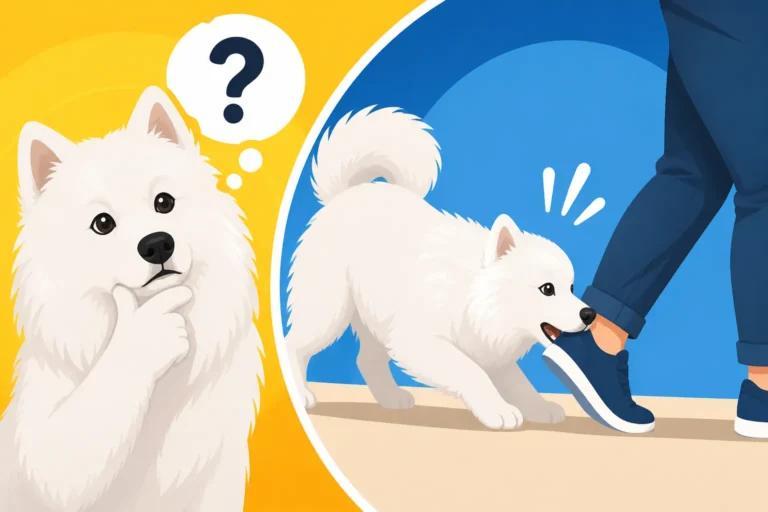
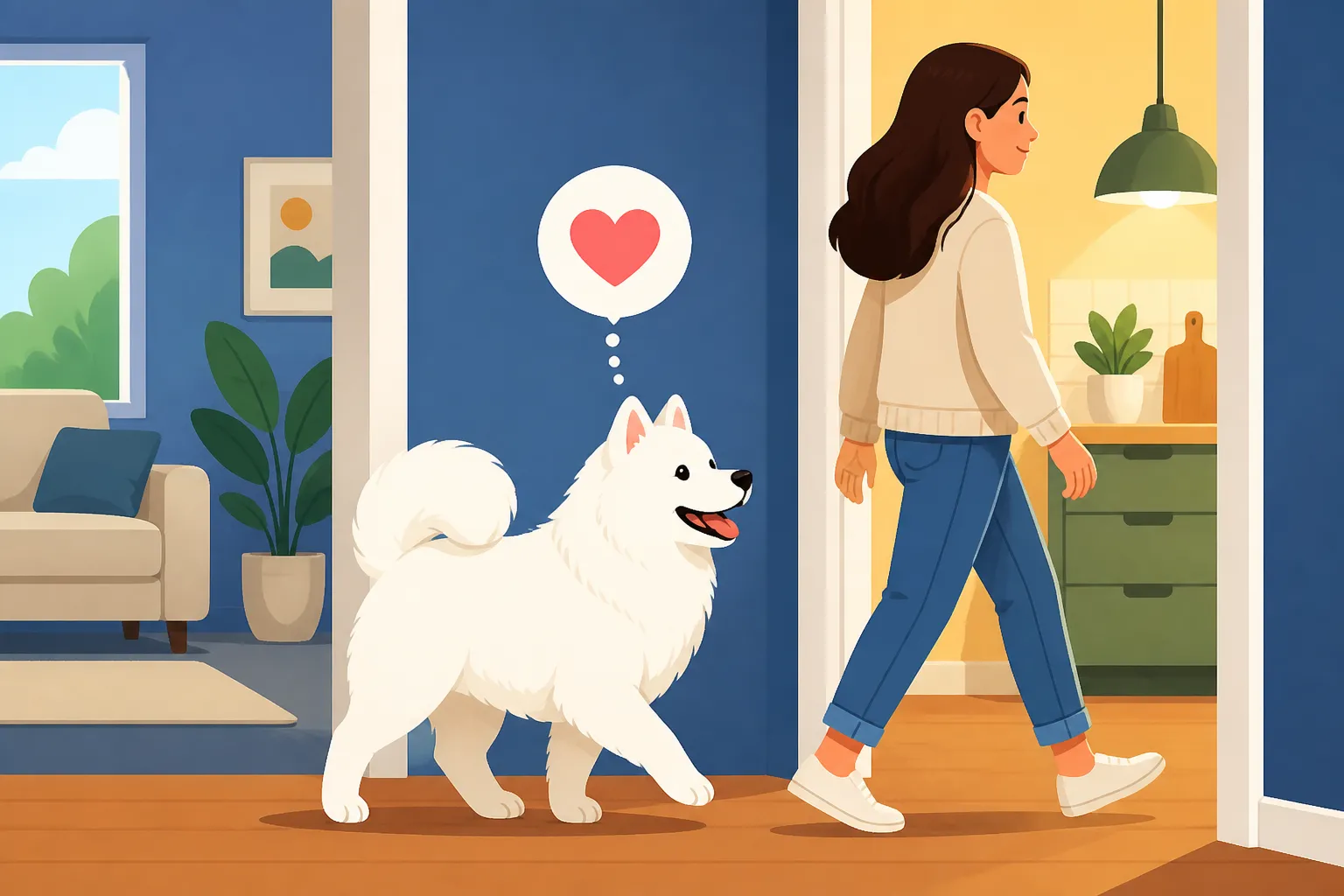
If you share your life with a Samoyed, you know that personal space often becomes a delightful, fluffy illusion. Many Samoyed owners find themselves constantly shadowed by their smiling canine companion, moving from room to room with a furry, white tail just inches behind them. This guide will delve deep into the fascinating reasons behind this endearing, if sometimes tripping-hazard-inducing, behavior, offering insights and practical tips for managing your ever-present Samoyed shadow.
The Historical Roots of the "Samoyed Shadow" Phenomenon
It's easy to assume your Samoyed's constant companionship is just a quirk, but this deeply ingrained behavior has roots stretching back thousands of years to their ancestral lands. Understanding their history helps us appreciate why they feel such an intense need to be by your side.
Bred for Proximity: Tent Dogs, Not Yard Dogs
Imagine the frozen tundras of Siberia, where the indigenous Nenets people relied entirely on their dogs for survival. These weren't dogs kept merely in a kennel or a yard; they were integral family members, sharing the warmth of the chums, or tents, with humans. Samoyeds slept inside the tents, often nestled among the family, serving as living, breathing furnaces to keep everyone warm through brutal nights that could drop to sixty below zero. This wasn't just a comfort; it was a matter of life and death.
This cohabitation fostered an unbreakable bond and a profound expectation of constant closeness. Unlike many other working breeds, which might have been more independent, guarding livestock from a distance or ranging over vast territories, the Samoyed's primary role involved direct interaction and physical presence with their human companions. This means their genetic blueprint includes a powerful drive for proximity. Your living room might not be a sub-zero tent, but for your Samoyed, being close to you still represents safety, warmth, and belonging. The Samoyed Slept in the Tent to Keep People Alive explains this ancient bond in more detail.
Deep-Seated Pack Instincts
Beyond the practical warmth, the Samoyed's history as a herding and hunting dog within a nomadic community also solidified their strong pack instincts. In the wild, a pack sticks together for survival, hunting cooperatively, protecting each other, and sharing resources. When you bring a Samoyed into your home, you become their pack. Their strong social drive means they feel most secure and content when they are an active, present member of this "pack."
This isn't just a passive desire; it's an active need to participate in whatever the pack is doing. If you move, the pack moves. If you're in the kitchen, their instinct tells them to be there, observing, participating, and feeling included. This deeply ingrained social structure is why they seem to crave your presence and why being in the same room, even if just quietly resting, fulfills a fundamental need for them. They're not just a pet; they're a family member with an ancient lineage of togetherness.
More Than Just Proximity: The Samoyed's Need for Engagement
It’s not simply about being in the same physical space; for a Samoyed, following you is often a prelude to potential engagement, an opportunity to participate, or a quest for knowledge about your next move. Their intelligence and desire for interaction drive much of this behavior.
The Desire to Be Involved
Samoyeds are intelligent dogs, and they thrive on being mentally stimulated and involved in their human family's activities. When you move from the living room to the kitchen, or from the kitchen to the bedroom, your Samoyed isn't just following a physical trail; they're trying to figure out what exciting thing might happen next. Are you getting a snack they might share? Are you going to grab the leash for a walk? Are you just settling down for some quiet time that might involve a good head scratch?
They are inherently curious and want to be "in the know." This desire to be involved is particularly strong in a breed that historically worked closely with humans. They’re not content to simply observe from a distance; they want to be close enough to truly understand and, ideally, participate. This means they'll often lie near your feet while you're cooking, or sit by your desk as you work, content just to be part of the action, even if their "job" at that moment is just to supervise. This constant engagement is a hallmark of their personality.
Anticipation of Interaction
Your Samoyed is a master of routine and association. They quickly learn that certain movements or changes in your location can lead to highly desirable outcomes. When you stand up from the couch, it might mean a trip to the treat jar, a visit to the backyard, or even just a quick cuddle. For your Samoyed, following you becomes a positive feedback loop: follow human, good things might happen.
This anticipation isn't always about a direct reward, though those are certainly welcome! Sometimes, it's simply the hope of a gentle word, a playful nudge, or a shared moment of quiet companionship. Their watchful eyes are constantly assessing your body language, your direction, and the objects you interact with, all in an effort to predict when and how they can best engage with you. This constant assessment, driven by their desire for connection, explains why they often seem to "pop up" wherever you are, just waiting for that subtle cue. They are wired for interaction, and your movements are often their clearest signals.
Comfort, Security, and Emotional Connection
At the heart of the "Samoyed shadow" phenomenon lies a profound need for emotional connection, security, and the sheer comfort of your presence. This isn't just about their ancient history; it's about the deep bond they form with their people.
Your Presence as a Comfort Blanket
For many Samoyeds, your mere presence acts like a living, breathing comfort blanket. They feel safe, secure, and deeply content when they are near you. This is particularly true for a breed known for its gentle nature and strong family ties. Being alone, even in a familiar house, can sometimes feel unsettling to them, almost as if a vital piece of their pack is missing. Following you from room to room, therefore, isn't just about curiosity; it's often about maintaining a steady sense of calm and well-being.
Even if you're just sitting quietly, reading a book, or working on your laptop, the fact that you are there is enough. They might settle down with a contented sigh, often within arm's reach, and simply exist in your orbit. This constant monitoring of your location helps reduce any underlying anxieties they might have, ensuring they feel connected and protected. It's a quiet testament to how much they rely on you for their emotional stability and happiness.
The Bond of the "Velcro Dog"
The term "Velcro dog" is often used to describe breeds that form an exceptionally strong attachment to their owners, literally sticking to them wherever they go. Samoyeds absolutely fit this description. Their affection isn't just a fleeting emotion; it's a deep-seated part of their character, leading them to crave constant closeness. This isn't just about being in the same room; it's about feeling intrinsically linked to you, their primary caregiver and most important companion.
This bond manifests in many ways, from leaning against your legs while you stand to nudging your hand for attention, but the "following" behavior is perhaps the most visible expression of their unwavering devotion. They genuinely love being with you, sharing your space, and experiencing life by your side. It's a wonderful, heartwarming trait, and it speaks volumes about the capacity for love and loyalty that Samoyeds possess. Why a Samoyed Follows You Everywhere dives deeper into this affectionate characteristic.
Addressing Practicalities and Potential Challenges
While the Samoyed's desire for companionship is incredibly sweet, it can also present some very real, everyday challenges. Navigating these requires a thoughtful approach that respects their nature while also ensuring a safe and functional home environment.
Managing the "Tripping Hazard" Aspect
Let's be honest: having a fluffy, white shadow constantly underfoot, especially in busy areas like the kitchen or hallway, can be a genuine tripping hazard. You're trying to carry a hot pan, and suddenly, there's a Samoyed weaving between your legs, looking up with that innocent smile. It’s enough to make anyone nervous about taking a tumble. This isn't an uncommon frustration among Samoyed owners; it's a daily reality.
One of the most effective ways to manage this is by teaching a strong "place" or "go to your bed" command. This involves teaching your Samoyed to go to a designated spot—like their bed or a mat—and stay there until released. This can be incredibly useful when you're cooking, cleaning, or just need a moment of clear floor space. Consistent positive reinforcement training is key here. You can find excellent online resources, like those offered by BAXTER & Bella, that break down these commands into easy-to-follow steps. They emphasize positive methods that build your dog’s understanding and willingness to cooperate, which is crucial for a Samoyed who might otherwise find obedience "negotiable." Start with short durations and gradually increase the time they spend on their place, rewarding them generously for compliance.
Balancing Togetherness with Independent Time
While your Samoyed loves being with you, it’s also important for them to develop healthy independence. An over-reliance on your constant presence can sometimes blur the line into mild separation anxiety if not managed carefully. The goal isn't to discourage their affection, but to teach them that being alone for periods is safe and even enjoyable.
Introduce periods of independent play with engaging puzzle toys or long-lasting chews. Products readily available on platforms like Amazon, such as KONG toys stuffed with peanut butter or durable chew bones, can keep them happily occupied in a different room or their crate. Crate training, if introduced positively, can also create a safe, personal den where they feel secure and can relax away from the hustle and bustle. Start with very short periods of separation, gradually increasing the time. For instance, put them in their crate with a special treat while you briefly step into another room, then return before they get anxious. This teaches them that you always come back and that alone time can be rewarding. How Many Hours a Samoyed Can Be Left discusses strategies for helping your Samoyed cope with alone time.
Recognizing When "Following" Becomes Anxiety
It’s crucial to distinguish between a Samoyed’s natural desire for companionship and genuine separation anxiety. While constant shadowing is typical, if it’s accompanied by other distress signals, you might be dealing with something more serious. Normal following is usually quiet, calm, and simply involves their presence. They might settle down and nap, or just observe.
However, if your Samoyed shows excessive vocalization (like incessant barking, howling, or their characteristic "Samoyed scream") when you leave the room, or if they become destructive (chewing furniture, scratching doors), or have accidents in the house, these are red flags. Other signs include frantic attempts to escape, panting, drooling, or trembling when you prepare to leave. These behaviors indicate that your Samoyed isn’t just seeking connection; they are experiencing significant distress at your absence. In such cases, consulting with a professional dog trainer or a veterinary behaviorist is highly recommended. Early intervention can make a huge difference in helping your Samoyed feel more secure. Separation Anxiety in a Samoyed offers more insight into this condition.
Here's a quick comparison of normal shadowing vs. signs of anxiety:
| Behavior Aspect | Normal Samoyed Following (Companionable) | Concerning Samoyed Following (Anxiety-Driven) |
|---|---|---|
| Vocalization | Minimal, occasional sigh or soft whine if seeking attention. | Excessive barking, howling, whining, or the "Samoyed scream" when left alone. |
| Body Language | Relaxed, happy, may lie down near you, tail may wag gently. | Pacing, trembling, panting, drooling, frantic attempts to get closer. |
| Destructive Acts | None, unless bored (e.g., chewing appropriate toys). | Chewing inappropriate objects (doors, furniture), scratching at exits. |
| Potty Accidents | Rare, consistent house-training. | Frequent accidents indoors when alone, even if recently relieved. |
| Purpose | Desire for proximity, curiosity, anticipation of positive interaction. | Fear of abandonment, distress at perceived isolation. |
Embracing the Samoyed's Affectionate Nature
Ultimately, having a Samoyed shadow is one of the most heartwarming aspects of sharing your life with this incredible breed. It’s a constant reminder of their love, loyalty, and deep desire to be a part of your world.
The Gift of a Constant Companion
While it can have its challenges, particularly the occasional stumble, the presence of your Samoyed following you from room to room is truly a gift. It signifies a profound trust and affection that few other breeds offer so openly. They are not merely tolerating your presence; they are actively seeking it out, choosing to spend every possible moment by your side. That ever-present Why the Samoyed Smiles seems to be even brighter when they are close to you.
Think of it as having your own personal, fluffy guardian angel, silently overseeing your daily activities. They are your confidant, your stress reliever, and your most devoted fan. This constant companionship can provide immense emotional support, turning lonely moments into shared experiences and quiet times into opportunities for connection. It’s a testament to the unique bond you share, a bond forged in ancient tents and cherished in modern homes.
Fostering a Healthy, Happy Relationship
Understanding and appreciating your Samoyed's inherent need for closeness is key to a healthy, happy relationship. Instead of trying to curb this natural inclination entirely, find ways to integrate it positively into your daily life. Acknowledge their presence with a soft word or a gentle pat. Make eye contact and let them know you see them. This simple validation often goes a long way in fulfilling their need for connection.
You can also engage them in activities that leverage their desire to be with you, such as training sessions (even short, fun ones in the kitchen!), interactive play in the living room, or simply inviting them to settle at your feet while you work. Providing them with comfortable beds in various rooms where you spend time can give them a designated "spot" nearby. Remember, Samoyeds are motivated by connection and positive reinforcement. What Actually Motivates a Samoyed is often more than just treats – it's your approval and shared experience. Embrace the beautiful, sometimes comically close, relationship you have with your Samoyed. It’s a special bond that truly enriches life.
Disclaimer
This article is for general informational purposes only and does not constitute professional advice. Laws, prices and regulations vary by location and change over time. Consult a qualified professional for guidance on your specific situation.