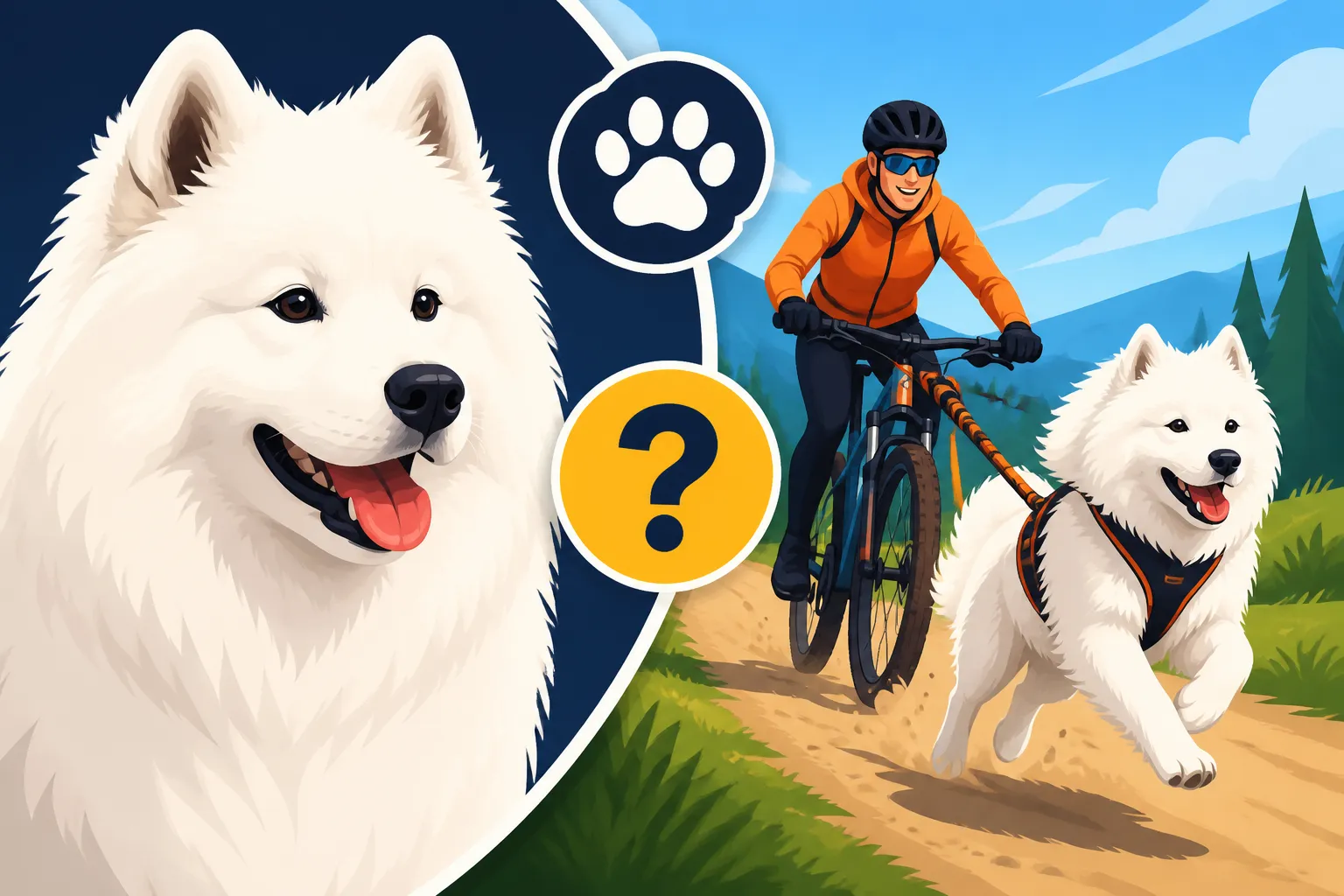
Whether a Samoyed Suits Bikejoring
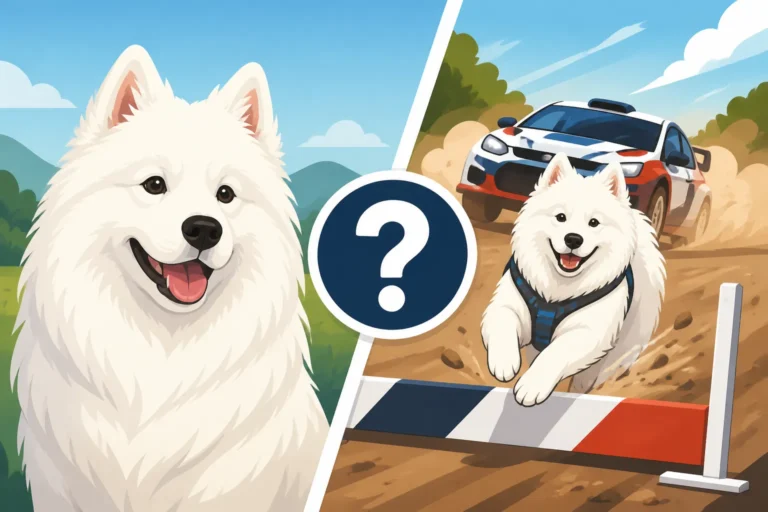
It's a beautiful sunny morning, you're looking at your bicycle, and then your gaze drifts to that fluffy, smiling face looking back at you, practically vibrating with energy. You love cycling, and your Samoyed absolutely thrives on activity. It's only natural to wonder if you can combine these two passions and hit the trails together. This guide will dive deep into whether bikejoring is a good fit for your Samoyed, exploring their natural abilities, the essential safety precautions, and what it truly takes to make this exciting sport a success for both of you.
Understanding Bikejoring and Your Samoyed's Natural Inclinations
Before we strap on helmets and harnesses, let's unpack what bikejoring truly is and why a Samoyed's unique blend of history, energy, and temperament makes them such an intriguing candidate for the sport. It's more than just a dog pulling a bike; it's a partnership, a dance between human and canine.
What Exactly Is Bikejoring?
Bikejoring, in its essence, is a canine pulling sport where one or more dogs run ahead of a cyclist, pulling the bike and rider with a specialized towline. Think of it as urban mushing, a dryland cousin to traditional sledding. It's a fantastic way to give a high-energy dog a truly invigorating workout, covering distances and speeds that simply aren't feasible on a leash alongside a runner.
The setup is crucial for safety and enjoyment. You'll need a mountain bike or a sturdy hybrid, ideally with good suspension, that can handle varying terrains. For your Samoyed, a properly fitted, comfortable harness is non-negotiable. This isn't your everyday walking harness; it's a specific pulling harness designed to distribute weight evenly across their chest and shoulders without restricting their breathing or movement. A bungee-corded towline connects the harness to your bike, absorbing shock and preventing jarring stops or starts. And critically, you'll need a bikejor antenna (often called a "bike arm" or "spreader bar") that extends from the front of your bike, keeping the line from getting tangled in your front wheel. Most importantly, a quick-release mechanism on the towline is an absolute must. This allows you to instantly detach your dog if there's an emergency, a tangle, or simply if you need to stop quickly and safely. Without these key pieces of equipment, you're not bikejoring; you're risking injury to yourself and your precious Samoyed.
Why Samoyeds Are Often Considered for Pulling Sports
When you look at a Samoyed, with their powerful build, deep chest, and innate love for activity, it's easy to see why they're often eyed for sports like bikejoring. Their heritage speaks volumes: these dogs were originally bred by the Nenets people in Siberia to pull sleds, herd reindeer, and even sleep with their families for warmth. Pulling: What a Samoyed Was Actually Bred to Do This history has imbued them with a strong genetic predisposition for pulling and working alongside humans.
They possess an incredible stamina and a zest for life that needs an outlet. A Samoyed isn't content with just a leisurely stroll around the block; they thrive on vigorous exercise that challenges both their bodies and minds. Bikejoring taps directly into that ancestral drive to pull and run, providing a profound sense of purpose and immense physical satisfaction. When you see a Samoyed in a pulling harness, their tail often wags with an almost frantic joy, a clear indication that this is what they were made to do. However, their thick, glorious double coat, while perfect for sixty below, requires careful consideration when engaging in high-intensity activities, especially in warmer climates.
Essential Considerations for Samoyed Bikejoring
So, you're considering taking the plunge into bikejoring with your Samoyed. That's fantastic! But before you hit the trails, there are some absolutely critical factors you need to weigh. This isn't a sport to jump into lightly; it requires careful preparation and an understanding of your Samoyed's unique needs.
The Importance of Age and Physical Conditioning
This is perhaps the most crucial point for any growing Samoyed. You absolutely cannot, under any circumstances, start bikejoring with a puppy. Their growth plates are still open, and putting intense strain on their developing joints can lead to lifelong orthopedic issues. Generally, most Samoyeds aren't physically mature enough for intense pulling sports until they are at least 18 months to two years old, sometimes even older for larger males who take longer to finish growing. The Age a Samoyed Can Start Pulling Consult with your veterinarian to ensure your dog's skeletal system is fully developed and that they are in prime health for this kind of activity.
Once your Samoyed is old enough, physical conditioning is a gradual process. You wouldn't run a marathon without training, and neither should your dog. Start with shorter distances at a comfortable pace, slowly increasing the duration and intensity over weeks and months. This builds their stamina, strengthens their muscles, and toughens their paw pads. A sudden leap into long, fast bikejoring sessions can lead to muscle strains, injuries, and exhaustion. Think of it like a human athlete's training regimen: slow, steady, and consistent progression is key to preventing injury and building lasting fitness. Regular vet check-ups are also vital to catch any underlying issues before they become serious problems.
Managing Heat and Hydration
Here's where the Samoyed's magnificent double coat becomes a double-edged sword. While it’s fantastic insulation against bitter cold, it makes them incredibly susceptible to overheating in warmer temperatures. A Samoyed Built for Sixty Below in an American Summer You must be hyper-vigilant about the weather and adjust your bikejoring schedule accordingly.
- Timing is everything: In most climates, bikejoring should be restricted to the coolest parts of the day – early morning or late evening. In warmer months, even these times might be too hot.
- Seasonal considerations: For many regions, bikejoring is strictly a fall, winter, and early spring activity. Summers are often a complete no-go.
- Hydration: Always carry plenty of fresh water for your Samoyed and offer it frequently. A portable collapsible bowl is a must-have. Keep an eye on their tongue – if it's broad, dark red, and hanging far out, they're likely too hot.
- Recognizing signs of overheating: Excessive panting, lethargy, stumbling, confusion, and bright red gums are all red flags. If you see these, stop immediately, get your dog into the shade, offer water, and consider applying cool (not icy) water to their belly and paw pads.
- Trail choice: Opt for shady trails when possible, and avoid asphalt or concrete, which can radiate heat and burn paw pads.
It's better to skip a session than risk heatstroke. Consider a cooling vest or a cooling bandana on mild days, and always err on the side of caution. Even on Amazon, you can find a good selection of cooling gear.
Training and Equipment Needs
Successful bikejoring hinges on solid training and the right gear. Your Samoyed needs to understand basic directional commands and how to work as a team member.
First, let's talk equipment.
- Harness: As mentioned, a well-fitting pulling harness (like an X-back or H-back style) is paramount. It allows your Samoyed to pull efficiently and comfortably. Avoid harnesses that restrict shoulder movement or put pressure on their throat.
- Towline: A specialized bikejoring line with an integrated bungee section is essential. This absorbs the sudden jolts from pulling, making it much more comfortable for both you and your dog.
- Bikejor antenna/arm: This attaches to your bike and keeps the towline away from your front wheel, preventing dangerous tangles.
- Quick-release: This vital safety feature allows you to detach your dog from the bike quickly in case of an emergency. It could be a panic snap on the line or a quick-release attachment on the bike itself.
Now, for the training. Your Samoyed needs to learn specific verbal cues that are different from typical obedience commands.
- "Gee" (pronounced 'jee'): Turn right.
- "Haw" (pronounced 'haw'): Turn left.
- "Whoa": Stop. This needs to be an instant, reliable stop.
- "On by": Ignore distractions and continue forward.
- "Mush" or "Hike": Go forward, start pulling.
These commands need to be practiced repeatedly, initially without the bike. Start on foot, then with a scooter or rollerblades, before introducing the bike. Samoyeds are intelligent but can be quite independent, so patience and positive reinforcement are key. Training a Samoyed That Finds Obedience Negotiable Using high-value treats and enthusiastic praise will go a long way. Many online training platforms, such as BAXTER & Bella, offer resources that can help you establish a strong foundation using positive, reward-based methods, which are ideal for a Samoyed. They may not have specific bikejoring courses, but their core principles of engagement and motivation are invaluable.
The Benefits and Challenges of Bikejoring with a Samoyed
Bikejoring offers a unique blend of exhilaration and bonding, but like any demanding sport, it comes with its own set of advantages and hurdles. Understanding both sides will help you determine if it's truly the right path for you and your furry companion.
The Joy and Benefits for Both Dog and Owner
The sheer joy a Samoyed expresses when they are running and pulling is truly infectious. Their smile seems to widen, their tail wags vigorously, and they settle into a powerful, rhythmic stride. For a breed with such high energy and a deep-seated working heritage, bikejoring provides an unparalleled physical and mental outlet. It allows them to burn off excess energy in a constructive way, which can significantly reduce destructive behaviors born of boredom. The Job a Samoyed Actually Needs Instead of digging holes in your yard or chewing up furniture, they'll come home happily tired and content.
For you, the owner, bikejoring is an incredible way to deepen your bond. You are a team, relying on each other for direction, pace, and safety. It's a fantastic workout for you too, as you'll be pedaling, steering, and braking, not just passively riding. It allows you to cover much greater distances and explore more diverse trails than you could simply walking or running with your dog. The speed and freedom are exhilarating, and seeing your Samoyed thrive in a role they were historically bred for is incredibly rewarding. It's also a great way to meet other active dog owners and become part of a passionate community.
Common Challenges and How to Address Them
Despite the many benefits, bikejoring with a Samoyed isn't without its challenges. Being realistic about these potential issues is crucial for success and safety.
- Distractions: Samoyeds, with their keen senses and natural prey drive, can be easily distracted by squirrels, rabbits, other dogs, or interesting smells. A sudden swerve can throw you off your bike or tangle the line. This is where the "on by" command becomes essential. Practice it relentlessly in low-distraction environments before progressing to busier trails. Your Samoyed's recall, while important in general, is less effective when they are focused on pulling, so preventing a chase is paramount. Why a Samoyed's Recall Cannot Be Trusted
- Stubbornness and Independence: Samoyeds are smart, but they also have a strong independent streak. They might decide they know a better path, or simply refuse to move if a particular scent captures their attention. Patience, consistency, and making training incredibly rewarding are your best tools. Raising your voice rarely works; instead, reset, re-motivate, and keep sessions positive and engaging. Remember, they often see obedience as negotiable!
- Equipment Issues and Tangling: While safety gear is designed to prevent issues, tangles can still happen if your dog veers sharply or if you misjudge a turn. Always use a proper bikejor arm and a quick-release mechanism. Inspect your equipment before every ride.
- Traffic Safety: Bikejoring on or near roads with vehicle traffic is extremely dangerous. Stick to designated trails, parks, or quiet rural roads where you have ample space and minimal risk from cars.
- Weather Limitations: As discussed, heat is a major concern. But other weather elements can also pose challenges. Muddy trails can be slippery and uncomfortable for both of you. Icy conditions are a definite no-go, risking falls for the cyclist and paw injuries for the dog. While Samoyeds generally love snow, it's a different kind of pulling sport when you're on a bike. Whether a Samoyed Needs Snow to Enjoy Pulling
Successfully navigating these challenges requires patience, preparation, and a deep understanding of your Samoyed's individual quirks and needs.
Making the Decision: Is Bikejoring Right for Your Samoyed?
Ultimately, the decision to engage in bikejoring with your Samoyed is a personal one, but it should be based on an honest assessment of both your dog's temperament and your own commitment. It's not a casual hobby; it's a lifestyle choice that demands dedication to safety, training, and your Samoyed's well-being.
Assessing Your Samoyed's Personality and Drive
Not every Samoyed, despite their breed heritage, will be a natural bikejoring superstar. Just like people, dogs have individual personalities. Consider these questions:
- Energy Level: Is your Samoyed truly high-energy, constantly seeking an outlet, or are they more of a relaxed, albeit active, companion? A dog that thrives on long, fast runs is a better candidate than one who prefers shorter bursts of play. Remember, How Much Exercise a Samoyed Needs is quite significant.
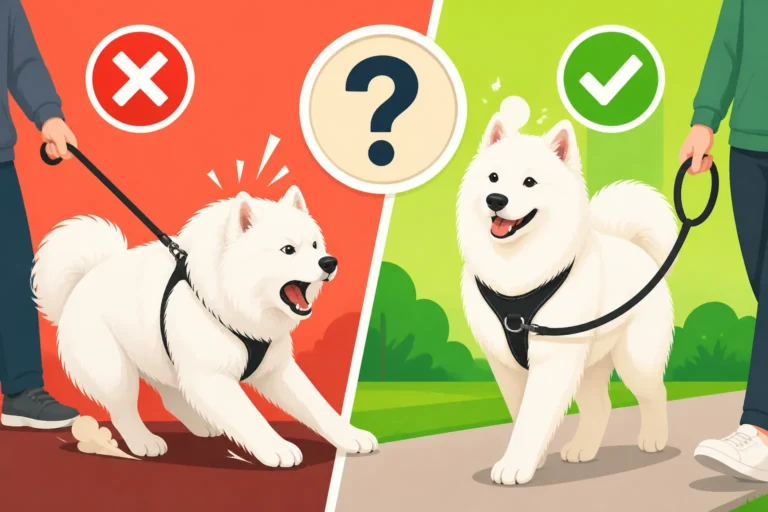
- Desire to Pull: Does your Samoyed already pull on walks, perhaps to your frustration? This "problem" behavior can be redirected into a positive drive for bikejoring. Some Samoyeds naturally lean into a harness and love to move forward.
- Trainability and Focus: While Samoyeds are smart, they can be easily distracted. Does your dog respond well to commands, even with distractions? Are they motivated by praise and treats? A dog that struggles to focus might find bikejoring too overwhelming at first. What Actually Motivates a Samoyed is crucial to understand here.
- Love of the Outdoors: Does your Samoyed revel in being outside, exploring new sights and smells? If they prefer lounging indoors, bikejoring might not spark their enthusiasm.
An honest assessment will help you gauge their potential. Some Samoyeds take to it like a fish to water, while others might need more encouragement or simply aren't suited for the intensity. Many Samoyeds do, however, enjoy activities like skijoring (Whether a Samoyed Enjoys Skijoring), which is very similar in principle.
Your Role as the Human Partner
Your commitment is just as important as your Samoyed's natural inclination. Bikejoring is a team sport, and you are the lead player when it comes to planning, safety, and guidance.
- Commitment to Training: Are you prepared to put in the consistent effort to teach commands, proof them in various environments, and continually reinforce good behavior? This isn't a "train once and done" activity.
- Safety First: Are you committed to always prioritizing your dog's safety, especially regarding weather, equipment checks, and choosing appropriate trails? This means sometimes saying "no" to a ride if conditions aren't ideal.
- Physical Fitness: You won't just be along for the ride. You'll need to pedal to assist your dog, especially uphill or on softer terrain, and be ready to brake and steer effectively.
- Financial Investment: Proper equipment isn't cheap. Quality harnesses, lines, bike attachments, and a suitable bike are essential. You can find many of these items on platforms like Amazon, but always prioritize quality for safety.
- Patience and Understanding: There will be frustrating days, unexpected challenges, and moments where your Samoyed might not perform as expected. Your ability to remain calm, patient, and positive will make all the difference.
If you can confidently answer "yes" to these points, and your Samoyed seems eager for the challenge, then bikejoring could indeed be a wonderfully enriching activity for both of you. It's a chance to bond, explore, and let your magnificent Samoyed truly shine in a role that honors their heritage.
| Aspect | Samoyed Suitability for Bikejoring | Key Considerations |
|---|---|---|
| Pulling Instinct | High | Bred for pulling sleds; naturally enjoys moving forward. |
| Energy Level | High | Needs significant physical and mental stimulation. |
| Trainability | Moderate (Independent) | Requires patience, positive reinforcement, consistent cues. |
| Heat Tolerance | Low | Critical to avoid overheating; careful scheduling needed. |
| Physical Maturity | Late (18-24+ months) | Must wait until growth plates are closed to prevent injury. |
| Distraction Management | Moderate to Low | High prey drive; requires strong "on by" command. |
| Human Commitment | High | Requires consistent training, safety focus, and fitness. |
Disclaimer
This article is for general informational purposes only and does not constitute professional advice. Laws, prices and regulations vary by location and change over time. Consult a qualified professional for guidance on your specific situation.