Whether a Samoyed Needs Snow to Enjoy Pulling
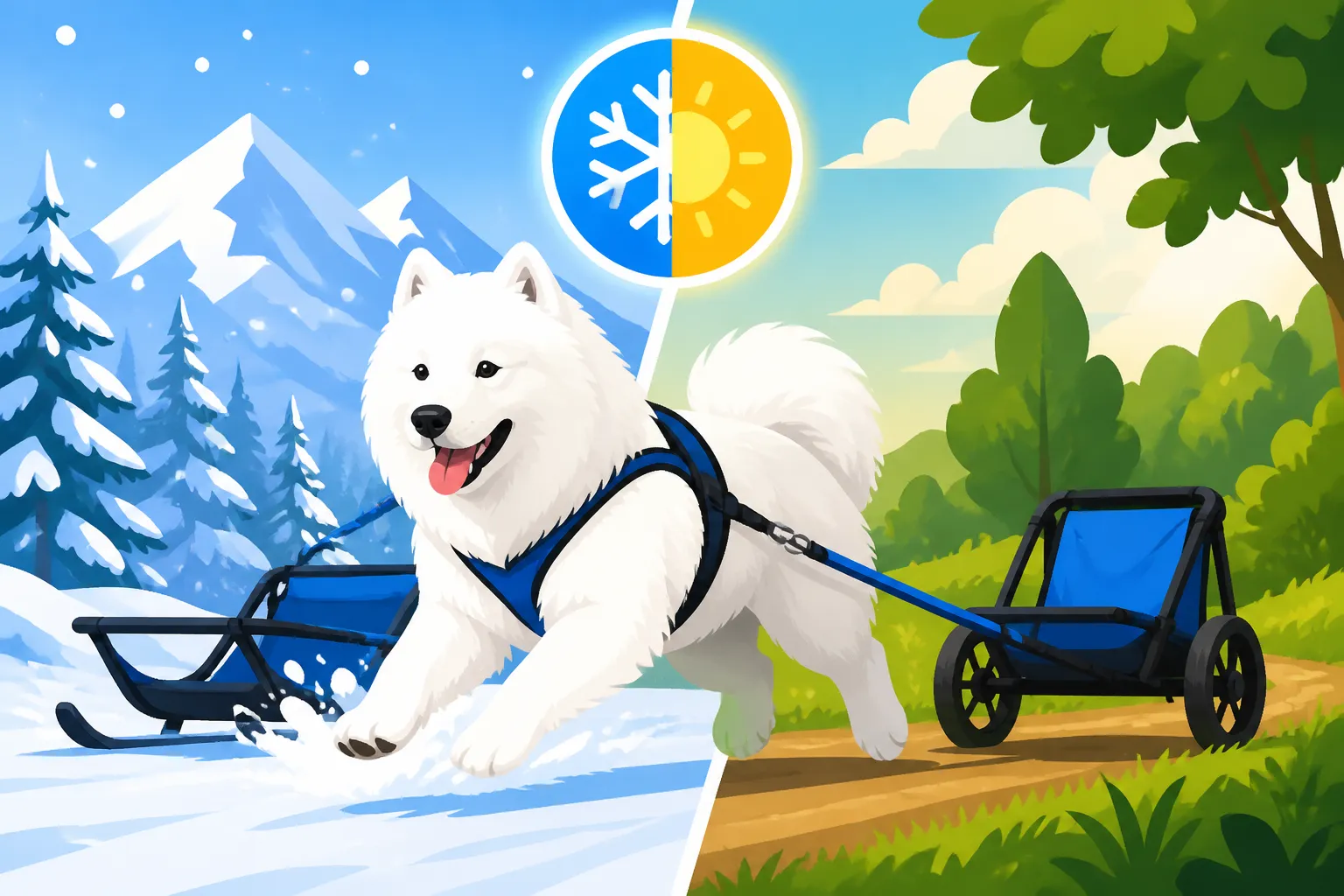
Many Samoyed owners feel a pang of guilt or disappointment when they realize their beloved cloud of fluff lives far from snowy landscapes. They see images of majestic Samoyeds pulling sleds through pristine snow and wonder if their dog is missing out on its true calling, especially since pulling is so deeply ingrained in the breed. The truth is, while snow certainly adds a picturesque element to pulling activities, your Samoyed absolutely does not need winter wonderland conditions to revel in the joy of working and pulling. This guide will explore how Samoyeds' natural instincts translate to year-round pulling activities, the equipment you'll need, and how to train them for exciting dryland adventures, ensuring they get the mental and physical stimulation they thrive on, no matter the weather.
The Samoyed's Innate Drive to Pull: More Than Just Snow
It’s a common misconception that the Samoyed's incredible desire to pull is solely tied to snow and sleds. While they were certainly bred for those conditions, their drive is much more fundamental: it's about having a job, expending energy, and working collaboratively. That beautiful, powerful build isn't just for show; it's designed for sustained effort.
Understanding the Samoyed's Ancestral Purpose
Think about the Samoyed's origins with the Nenets people in Siberia. These dogs weren't just pretty faces; they were integral to survival. They herded reindeer, guarded camps, and yes, they pulled sleds. This pulling wasn't a recreational activity; it was transportation, moving supplies, and assisting their human companions across vast, often harsh, terrain. This history is why so many Samoyeds have a strong desire to pull instinctively. It's in their DNA. Pulling: What a Samoyed Was Actually Bred to Do isn't just about showing off; it's a deep-seated behavioral pattern that provides immense satisfaction to these intelligent, energetic dogs.
Their ancestors didn't stop working when the snow melted, and neither should our modern Samoyeds be expected to. The underlying desire is to engage their body and mind in a purposeful activity that involves moving forward under load. This can be achieved on any number of surfaces and in various forms. The mental engagement of responding to cues, maintaining a steady pace, and being part of a team (even if it's just you and your dog) is incredibly enriching for them.
The Joy of the Job, Regardless of Terrain
For a Samoyed, the surface under their paws is secondary to the act of pulling. Whether it's slush, packed dirt, gravel, or asphalt, if they're hitched to something and given a command to go, many Samoyeds light up with enthusiasm. It's the physical exertion, the mental focus, and the partnership with their human that truly excites them. They aren't thinking, "Oh, if only this were pristine snow!" They're thinking, "Forward! I have a job to do!"
This means that if you live in a climate where snow is a rare luxury, you're not denying your Samoyed a fundamental part of its existence. You're simply adapting the "job" to your environment. Many working dog breeds thrive on having a task, and for a Samoyed, pulling is often that perfect task. It taps into their natural strengths, their endurance, and their desire to be useful. The physical feeling of leaning into a harness, feeling the resistance, and moving forward is deeply satisfying.
Dryland Mushing: Embracing the Sport Off-Snow
Just because you don't have endless snow doesn't mean you can't participate in canine pulling sports. "Dryland mushing" is the umbrella term for all the wheeled versions of dog sledding, and it's incredibly popular in many regions where snow is scarce or seasonal. These activities offer the same physical and mental benefits as their snowy counterparts.
Types of Dryland Activities for Samoyeds
There’s a whole world of dryland pulling sports out there, perfect for a Samoyed who loves to work. These activities replicate the joy of pulling a sled, but on wheels or with a person providing the primary locomotion.
- Canicross: This is essentially cross-country running with your dog pulling you. You wear a specially designed belt, and your Samoyed wears a pulling harness, connected by a bungee line. Your dog helps pull you along, making your run faster and more engaging for both of you. It's a fantastic way to bond and get exercise. Whether a Samoyed Suits Canicross is a resounding yes for many of them!
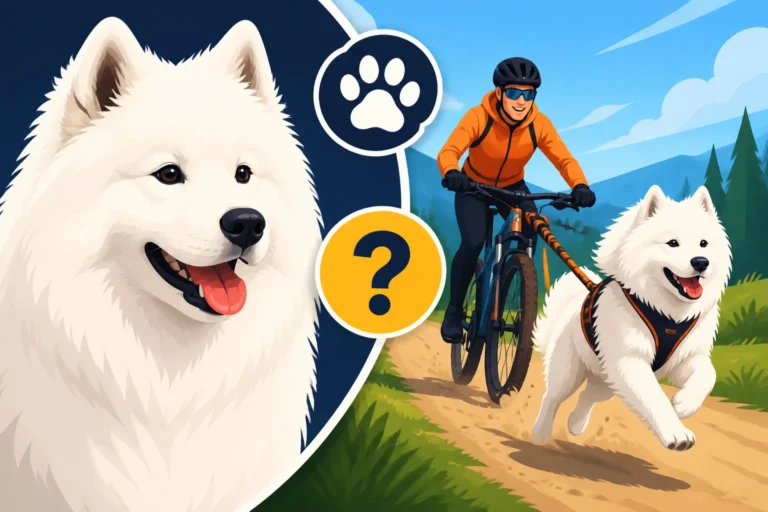
- Bikejoring: Similar to canicross, but you're on a bicycle. Your Samoyed pulls out in front, giving you an extra boost. A special antenna arm attaches to your bike to keep the pulling line away from the front wheel. This allows for faster speeds and longer distances, perfect for an energetic Samoyed.
- Scootering: If you prefer two wheels but not a bike, dog scootering is for you. Your Samoyed pulls you on an off-road scooter. This offers a bit more stability than bikejoring and is a great way to introduce dogs to pulling without the commitment of a full team.
- Dog Carting/Rig Mushing: This is the closest thing to dog sledding on dry land. Your Samoyed (or a team of Samoyeds) pulls a wheeled cart or a multi-wheeled rig. These setups can range from simple two-wheeled carts for one dog to elaborate rigs for multiple dogs, mimicking the dynamics of a sled team. This can be an incredibly rewarding activity, especially if you have a Samoyed with a strong work ethic.
Many of these sports can be enjoyed recreationally on local trails or even in your neighborhood (with appropriate caution and adherence to local leash laws), and there are also organized races and events for those who want to get competitive.
Essential Equipment for Safe and Enjoyable Dryland Pulling
Just like with any sport, having the right gear is crucial for safety and comfort for both you and your Samoyed. You can find most of this equipment through specialized mushing supply stores or even on general online retailers like Amazon.
| Equipment Item | Purpose | Key Features to Look For |
|---|---|---|
| X-Back Harness | Distributes pulling force evenly across the dog’s chest and back. | Padded, well-fitting (no rubbing), allows full shoulder movement. Ensure it's specifically for pulling, not just a walking harness. |
| Bungee Line | Absorbs shock and provides a smoother pulling experience for dog and handler. | Essential for canicross, bikejoring, scootering. Typically 6-8 feet long when extended. |
| Canicross Belt | Worn by the human to attach the bungee line, distributing pull across the hips. | Padded, adjustable, with leg loops or a wide design to prevent riding up. |
| Bike/Scooter | The wheeled vehicle for bikejoring or scootering. | Mountain bike or robust scooter with good brakes and tires suitable for off-road use. |
| Bikejor Antenna | Keeps the pulling line away from the bike's front wheel. | Flexible, strong, attaches securely to the bike frame. |
| Dog Cart/Rig | For dedicated carting, providing a vehicle for the dog(s) to pull. | Varies greatly by design (two-wheeled, three-wheeled, four-wheeled). Needs appropriate braking, sturdy construction, and size suitable for your Samoyed’s weight and strength. Often requires assembly or custom builds. |
| Dog Boots | Protects paws from abrasive surfaces, especially important on dry land. | Durable, breathable, good grip, stays on well. Critical for protecting against gravel, asphalt, or hot pavement. |
| Water Bottle/Bowl | For hydration during and after activity. | Collapsible bowl or dedicated dog water bottle. Always carry more water than you think you'll need. |
Before you embark on any dryland pulling, always ensure your Samoyed is old enough. The Age a Samoyed Can Start Pulling is an important consideration to protect their developing joints. Also, always check the temperature. Even without snow, a Samoyed’s thick coat means they can overheat quickly. Whether a Samoyed Should Pull in Warm Weather is a serious question you need to answer with caution, often meaning early morning or late evening outings in warmer months.
Training Your Samoyed for Year-Round Pulling Adventures
Even if your Samoyed has a natural inclination to pull, some foundational training is essential to make dryland mushing safe, enjoyable, and successful. It’s not just about hooking them up and letting them run; it’s about communication, control, and building their endurance thoughtfully.
Building Foundational Skills on Any Surface
Before you even think about attaching your Samoyed to a bike or scooter, they need to master some basic obedience cues that are absolutely crucial for pulling sports. These commands provide safety and make the experience much more pleasant for both of you.
- "Hike!" (Go!/Forward!): This command tells your dog to start pulling and maintain forward momentum. Practice this by walking with them in a harness, praising them when they lean into the pull.
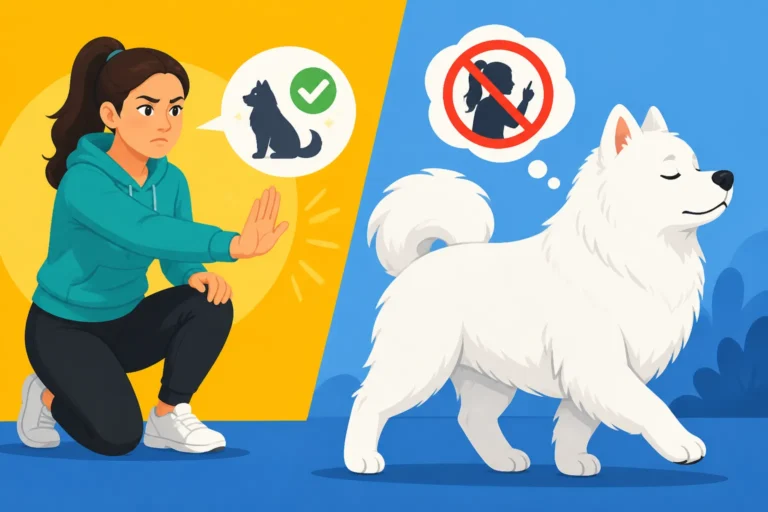
- "Whoa!" (Stop!): This is perhaps the most important command. Your Samoyed must learn to stop reliably on command, especially when approaching roads, other people, or obstacles. Practice this frequently, even during regular walks, rewarding immediate stops.
- "Gee!" (Right!): This tells your dog to turn right.
- "Haw!" (Left!): This tells your dog to turn left.
- "On By!": This command teaches your dog to ignore distractions (other dogs, squirrels, people) and continue focusing on pulling forward. Given the Samoyed's friendly and easily distracted nature, this takes significant practice. Whether a Samoyed Can Be Recalled Off a Squirrel is a good indicator of how much focus training they might need.
- "Line Out!": This command instructs your dog to stretch the line out in front, waiting for the "Hike!" command. This prevents tangles at the start.
Consistent positive reinforcement is key. Treats, praise, and exciting toys can all be powerful motivators for a Samoyed. What a Samoyed Will Work For often includes high-value food rewards and enthusiastic encouragement. Consider online training programs like those from BAXTER & Bella that can help you establish a strong training foundation before moving into specialized pulling commands. Remember, these commands aren't just for mushing; they enhance overall control and safety for your adventurous Samoyed.
Conditioning for Optimal Performance and Health
Just like human athletes, Samoyeds need proper conditioning to safely participate in pulling activities. Jumping straight into a 5-mile bikejoring session without preparation can lead to injuries or exhaustion.
- Start Slowly and Gradually Increase: Begin with short distances and light resistance. A good starting point might be canicrossing for 15-20 minutes a few times a week, gradually increasing the duration and intensity. Watch for signs of fatigue or discomfort.
- Focus on Core Strength and Endurance: Regular walks, hikes, and controlled off-leash play (in a secure area) all contribute to overall fitness. Hill work is excellent for building hindquarter strength.
- Monitor for Overheating: This is critical, especially when pulling on dry land. Samoyeds have incredibly dense coats designed for cold. Exercise during the coolest parts of the day (early morning, late evening), provide frequent water breaks, and always choose shaded routes when possible. Know the signs of overheating (excessive panting, lethargy, bright red gums) and cool your dog down immediately if you suspect trouble. Signs a Samoyed Is in Heat Distress can be subtle until it's an emergency.
- Paw Care: Dry, abrasive surfaces can be hard on paw pads. Regularly inspect your Samoyed's paws for cracks, cuts, or excessive wear. Dog boots are highly recommended for dryland pulling to offer protection.
- Listen to Your Dog: Every Samoyed is an individual. Some have boundless energy; others tire more quickly. Pay attention to your dog's cues. If they seem reluctant, tired, or sore, it’s time for a break or a slower day.
A well-conditioned Samoyed is a happy Samoyed, and proper preparation ensures you both enjoy many years of pulling adventures together.
The Benefits of a Year-Round Pulling Routine for Your Samoyed
Engaging your Samoyed in pulling activities, regardless of whether there's snow on the ground, offers a wealth of benefits that contribute to their overall well-being and strengthens your bond. It's about providing an outlet for their natural drives in a constructive way.
Physical and Mental Enrichment Beyond Winter
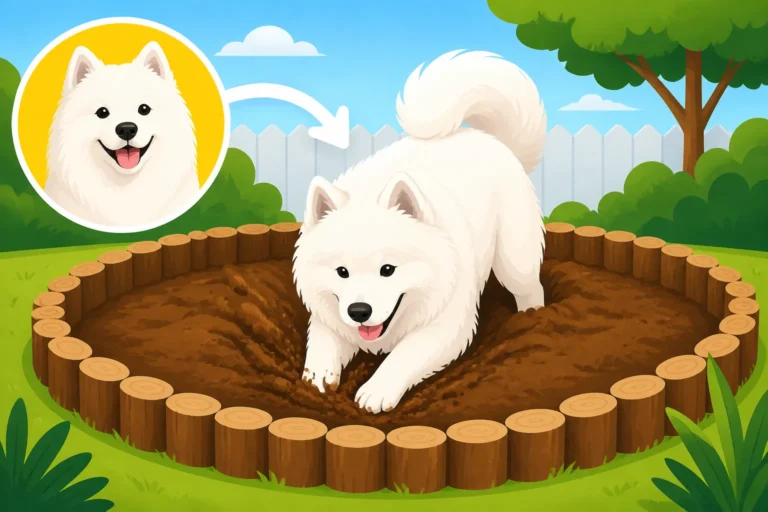
Samoyeds are intelligent and active dogs. They need more than just a walk around the block to truly thrive. Without a fulfilling outlet for their energy and intellect, they can become bored, and a bored Samoyed often invents its own "jobs"—which typically manifest as behaviors we don't appreciate, like excessive barking, digging, or destructive chewing. What a Bored Samoyed Does to a House is a common frustration for owners who underestimate their dog's needs.
- Satisfies the Need for a Job: Pulling gives your Samoyed a clear purpose. This mental engagement, combined with physical exertion, helps prevent boredom and the associated behavioral problems. It's a structured activity that fulfills their innate desire to work.
- Builds Physical Strength and Endurance: Regular pulling keeps your Samoyed in excellent physical condition, maintaining muscle tone and cardiovascular health. How Much Exercise a Samoyed Needs is substantial, and pulling activities are a fantastic way to meet those needs efficiently.
- Enhances Mental Stimulation: Learning commands, responding to directional cues, and navigating trails while pulling demands focus and problem-solving. This kind of mental workout is just as important as the physical one for a smart breed like the Samoyed.
- Promotes Healthy Weight: Consistent exercise helps prevent obesity, which is a common problem in many dog breeds and can lead to other health issues.
So, while snow might be nice, it's the activity of pulling that truly enriches your Samoyed's life, keeping them physically fit and mentally sharp throughout the entire year.
Strengthening the Bond Through Shared Activity
There's something incredibly special about engaging in an activity with your dog that taps into their deepest instincts. When you're out on the trail, working as a team, the bond you share deepens in a unique way.
- Teamwork and Trust: Pulling requires clear communication and mutual trust. Your Samoyed learns to rely on your commands, and you learn to read their body language and understand their pace. This dynamic builds a strong sense of partnership.
- Shared Adventures: Whether you're canicrossing through a local park or exploring new trails with your bikejoring setup, these shared experiences create lasting memories and reinforce your role as their trusted leader and companion. Whether a Pet Samoyed Still Wants to Pull is often answered with a resounding yes when given the opportunity to work alongside their human.
- Positive Reinforcement Cycle: The joy your Samoyed experiences from pulling, combined with your praise and encouragement, creates a positive feedback loop that strengthens their desire to work with you and deepens their affection.
- Understanding Their Breed: Engaging in pulling allows you to truly appreciate the incredible capabilities and instincts that make Samoyeds such a unique and magnificent breed. It gives you insight into their history and what truly makes them happy.
Ultimately, whether your Samoyed is pulling you across a snowy field or along a dirt path, the core joy for them comes from the work itself, the partnership, and the sheer exhilaration of moving forward. Don't let a lack of snow deter you from exploring the wonderful world of dryland mushing with your furry companion.
Disclaimer
This article is for general informational purposes only and does not constitute professional advice. Laws, prices and regulations vary by location and change over time. Consult a qualified professional for guidance on your specific situation.