How a Samoyed Herds by Circling
You might think of Samoyeds as magnificent sled dogs, pulling heavy loads across frozen landscapes with boundless energy and that iconic smile. And you'd be right! They are truly masters of the harness. However, many Samoyed owners are surprised to find a completely different, yet equally ingrained, instinct bubbling beneath that fluffy exterior: a strong, often unexpected, herding drive. This isn't the intense, "eye"-driven herding of a Border Collie, but a unique, ancient style primarily expressed through circling, and understanding it is key to a harmonious life with your Samoyed.
Understanding the Samoyed's Herding Heritage
It’s easy to overlook the herding prowess of a Samoyed when their sledding abilities are so prominent, but their history tells a richer tale. These beautiful dogs weren't just about moving people and supplies; they were integral to the survival of their nomadic human companions, the Nenets people, by managing their most valuable asset: reindeer herds.
From Ancient Taiga to Modern Home
For thousands of years, the Samoyed's ancestors lived alongside the Nenets in Siberia. While sledding was certainly a primary function, especially during migrations, the daily life of these people revolved around their reindeer. Reindeer provided food, clothing, and shelter, and keeping the herd together, moving it to new pastures, and protecting it from predators was paramount. This wasn't a job for a single dog, but for a coordinated effort, and the Samoyed's particular style of herding evolved from this necessity. They learned to gather, move, and contain these semi-wild animals, often over vast, open terrains. This deep-seated instinct to manage a moving flock is still very much alive in the Samoyeds we welcome into our homes today, even if the "flock" has changed from reindeer to children or even the local squirrel population. It’s a fascinating aspect of their heritage that sets them apart from many other northern breeds.
More Than Just Sled Dogs
Many people bring home a Samoyed expecting a loyal, playful, albeit sometimes mischievous, companion who loves the snow and a good run. They often hear about their sledding heritage and their "talkative" nature, but The Herding Instinct Nobody Expects From a Samoyed often comes as a complete surprise. Unlike many dedicated herding breeds that use intense stares and quick, nipping movements to control livestock, the Samoyed’s approach is typically less confrontational. They rely more on movement and positioning, often running wide circles around the "herd" to encourage it to move in a particular direction or to keep it contained. This difference in style is important to recognize because it means their herding behaviors can manifest in subtle ways that might be misinterpreted by an unsuspecting owner. It's not about aggression; it's about an ancient drive to maintain order within their perceived group.
The Distinct Art of Samoyed Circling
When we talk about a Samoyed herding by circling, we're referring to a very specific set of behaviors rooted deeply in their genetic blueprint. It’s a method developed over centuries to manage animals that don't always move in a tight, predictable flock.
Observing the Circular Movement
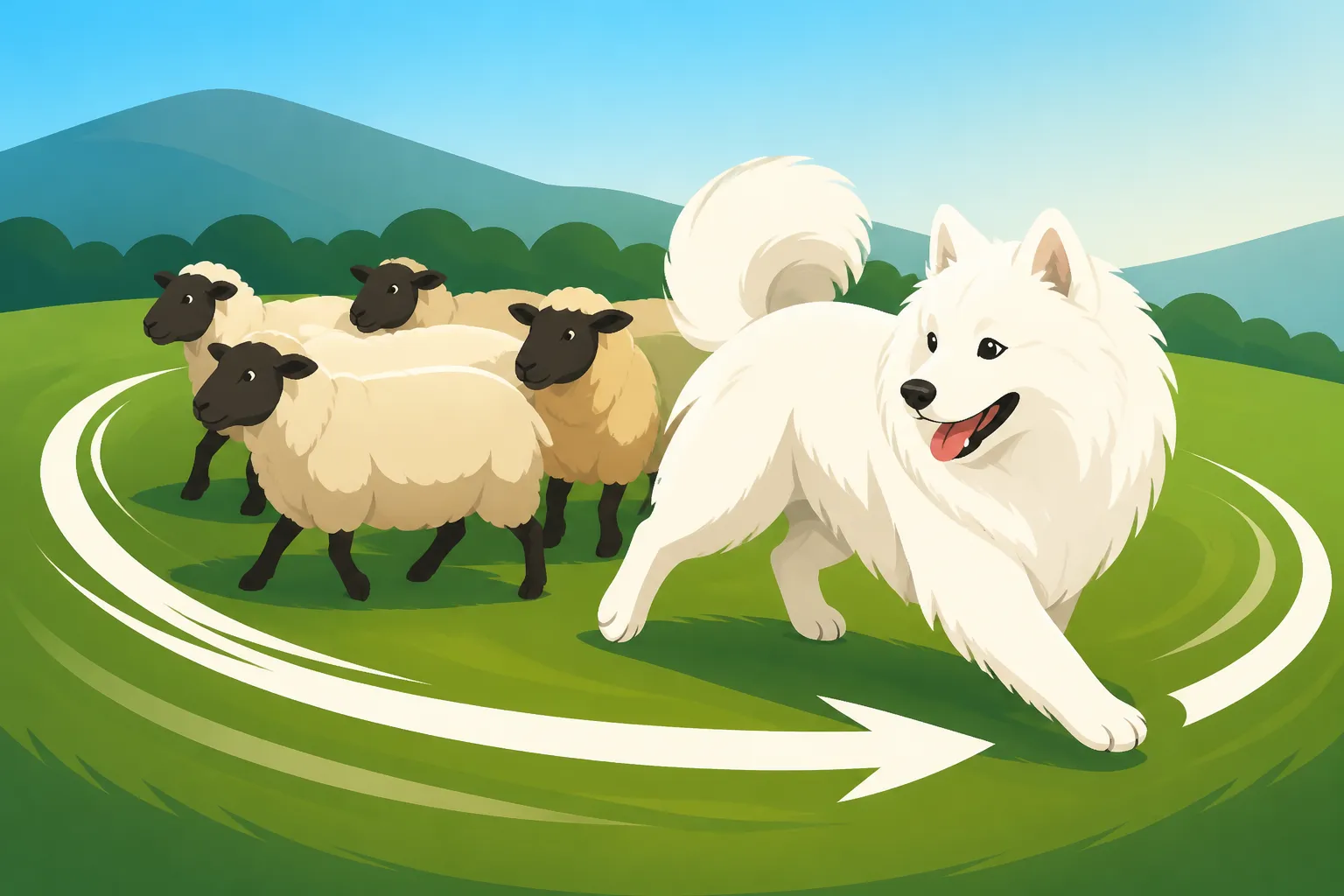
Imagine a Samoyed on a wide-open field, encountering a group of animals it perceives as its "herd." Its first instinct isn't usually to charge or bark aggressively. Instead, you'll likely observe it lowering its head slightly, perhaps with a focused, yet not overly intense, gaze. Then, it will begin to move, often at a trot or a gallop, in a wide arc around the periphery of the group. The dog will repeatedly circle, gradually tightening the perimeter, effectively gathering and containing the animals. This can be seen in a game of chase with another dog, where your Samoyed might consistently try to get around the other dog, or when children are running in the yard, and your Samoyed seems to be trying to cut them off and bring them back towards you. How a Samoyed Herded Reindeer involved vast, open spaces where this circling technique was incredibly effective for gathering scattered animals.
The beauty of this circling technique lies in its efficiency and relative gentleness. It's a non-confrontational way to influence movement. Instead of directly pushing or biting, the Samoyed uses its presence and persistent, sweeping movements to create a psychological barrier, guiding the herd without causing panic or injury. This is a crucial distinction from breeds that might use more force or direct intimidation. For a Samoyed, the goal is often to keep things together, to prevent dispersion, and to bring individuals back into the fold, rather than driving them aggressively. If you watch your Samoyed carefully during play or when new people are around, you might start to notice these subtle circular patterns emerge as they try to "organize" their environment.
The Instinct to Gather and Control
Why circling? The terrain and the nature of reindeer played a huge role. Reindeer are not sheep; they are often more spread out and less inclined to flock tightly. A dog that could cover a large area, using its body to create a moving boundary, was invaluable. The circling maneuver allows the Samoyed to act as a living fence, gently but persistently moving the animals in the desired direction or preventing them from straying too far. This isn't just a physical act; it's a mental one, driven by a powerful desire for order and control within its perceived territory or group. This instinct is What the Nenets Bred the Samoyed to Do so successfully for generations.
This strong desire to gather and control extends beyond live animals. A Samoyed might try to "herd" toys into a pile, or even push you towards a specific room in the house if they feel you're out of place. It’s their way of imposing structure and ensuring everyone is where they should be. For some Samoyeds, this instinct can even manifest as a protective tendency, trying to keep their human family members close by, or steering visitors away from certain areas. It's less about aggression and more about management and preservation of the 'group,' a deeply ingrained behavior that speaks volumes about their historical purpose.
Herding Behaviors in the Domestic Setting
It's one thing to understand the history, but quite another to see this ancient instinct play out in your modern home. Your Samoyed probably isn't rounding up reindeer in your living room, but the underlying drive is still there, looking for an outlet.
Rounding Up the "Flock": Children, Other Pets, Even Objects
In a household without reindeer, your Samoyed will naturally look for substitutes for its innate herding drive. And more often than not, the most active, fastest-moving members of the family become the "flock" – namely, children. It's common for Samoyeds to try and gather children who are running and playing, often circling them, nudging them, or even Whether a Samoyed Nips at Heels gently to steer them in a particular direction. This is rarely done with malice, but rather with a strong, if sometimes misguided, desire to keep everyone together and safe. It's a deeply rooted protective instinct manifesting as herding.
This behavior isn't limited to human children. Other family pets, particularly smaller, faster ones like cats or smaller dogs, can also become targets for a Samoyed's herding attempts. You might see your Samoyed trying to cut off a cat's escape route, or gently push a smaller dog away from a perceived "danger zone" (like the kitchen while you're cooking). Even inanimate objects can become part of the game. A Samoyed might obsessively gather all their toys into a central spot, or push a rolling ball back towards you repeatedly. Understanding that these actions stem from an ancient, positive instinct – to gather and protect – helps us respond with patience and appropriate redirection, rather than frustration.
When Circling Becomes a Nuisance
While the instinct itself is natural, the manifestation of circling behavior in a domestic setting isn't always convenient or safe. A Samoyed trying to herd a toddler can accidentally knock them over, or a persistent nudging can become annoying. Chasing and circling other dogs at the park might be misinterpreted as aggression by other owners, or it could prevent your dog from engaging in appropriate play. If your Samoyed is constantly trying to "manage" everyone's movements, it can lead to a sense of being perpetually herded by your own dog, which isn't ideal for anyone. This is especially important if you have small children, as a herding dog's instinct can be strong. Whether a Samoyed Suits a Family With a Baby is a question that needs careful consideration and proactive training.
Furthermore, a Samoyed with an unfulfilled herding drive might become restless, destructive, or vocal if they don't have appropriate outlets. They might channel that energy into digging holes in your yard, excessive barking (trying to "move" things from a distance), or chewing on furniture. It's not because they're being "bad" but because a fundamental part of their being is seeking expression. Recognizing these signs and understanding their root cause is the first step towards managing them effectively. It's about giving them a job, even if that job looks very different from rounding up reindeer.
Positive Reinforcement and Redirecting the Drive
Living with a Samoyed means understanding and respecting their deeply ingrained instincts, not fighting against them. The goal isn't to eliminate the herding drive, which is impossible, but to redirect it into acceptable and enjoyable activities.
Recognizing and Channeling the Instinct
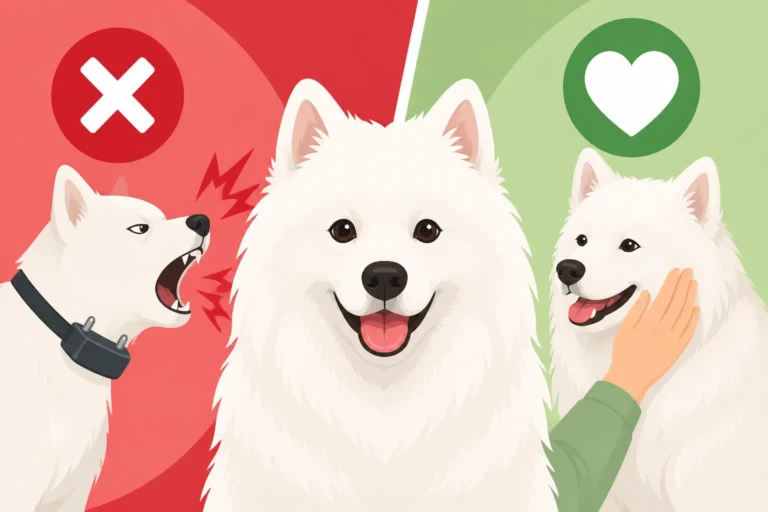
The best approach to a Samoyed's herding instinct is to channel it positively. Instead of scolding them for trying to herd your kids, teach them appropriate boundaries and activities where they can use that drive. Flirt poles, for example, can be excellent for engaging their chase and circling instincts in a controlled way. Large, durable herding balls, often found on Amazon, are another fantastic tool; your Samoyed can push and "herd" these balls around the yard, satisfying their urge to control movement without involving people or other pets. You can even look into actual herding events or Whether a Samoyed Passes a Herding Instinct Test in your area. Many breed clubs offer these evaluations, even for breeds not traditionally seen as herders, simply to see if the instinct is present.
Consider activities that simulate the mental and physical demands of herding, such as treibball, where dogs push large exercise balls into a goal, or even agility, which requires focus, speed, and responsiveness to handler cues. These activities tap into their problem-solving abilities and their desire to work as a team. Providing these outlets not only satisfies their instinctual needs but also strengthens your bond and provides them with much-needed mental and physical exercise. A tired, mentally stimulated Samoyed is a happy Samoyed, and less likely to invent their own "jobs" that might be less desirable.
Foundation Training for Herding Control
Beyond specific activities, strong foundation obedience training is paramount for managing any high-drive dog, including a Samoyed with herding tendencies. A reliable "stay" can prevent them from charging after a running child, and a solid "leave it" or "come" cue can interrupt an unwanted herding attempt before it escalates. Positive reinforcement methods, where desired behaviors are rewarded, are highly effective with Samoyeds, who are intelligent and eager to please when they understand what you want. Programs like BAXTER & Bella offer comprehensive online puppy and dog training courses that can equip you with the tools and techniques to build this solid foundation, often incorporating games that build impulse control and focus. Training a Samoyed That Finds Obedience Negotiable is often more about making it fun and clear for them.
Enrolling in puppy classes and then moving on to intermediate and advanced obedience or even rally classes can be incredibly beneficial. These structured environments help your Samoyed learn to focus on you amidst distractions and provide a constructive outlet for their energy. Consistency is key; every family member needs to be on board with the training and cues. It's about teaching your Samoyed that while their instincts are valid, there are appropriate times and ways to express them. This management and redirection of their natural drives will lead to a more confident, well-behaved dog and a much more peaceful household. Understanding The First Year With a Samoyed Puppy is crucial for laying this groundwork.
| Samoyed Herding Behavior | What It Looks Like | Potential Trigger | How to Redirect/Manage |
|---|---|---|---|
| Circling People/Pets | Running wide arcs around family members, pushing them | Fast movement, play, excitement | Teach "stay" or "settle." Redirect to herding ball or flirt pole. |
| Nudging/Bumping | Gently pushing with nose or shoulder | Desire to gather/contain | Reward calm behavior. Offer a chew toy. Use "off" command. |
| Blocking Pathways | Positioning themselves to impede movement | Attempting to control direction | Teach "move" or "place" command. Ensure they have their own safe space. |
| Chasing/Stalking | Pursuing objects/animals with focused intent | Prey drive mixed with herding | Strong recall training. Leash control. Engage in fetch games with rules. |
| Gathering Objects | Piling toys, shoes, etc., in a central location | Organizing their "flock" | Provide designated toy basket. Celebrate their "tidy" instinct with praise. |
Disclaimer
This article is for general informational purposes only and does not constitute professional advice. Laws, prices and regulations vary by location and change over time. Consult a qualified professional for guidance on your specific situation.