Where the Samoyed Ranks for Obedience Intelligence
It can be incredibly frustrating when you hear discussions about dog intelligence rankings, only to find your beloved Samoyed isn't topping any charts for obedience. Many Samoyed owners, myself included, have felt a little defensive or confused, because we see glimpses of immense cleverness in our fluffy companions every single day. This guide aims to clear up some of the common misconceptions about where the Samoyed truly stands in terms of intelligence, looking beyond traditional obedience scores to understand their unique brand of smarts.
The Nuance of "Obedience Intelligence" for Samoyeds
When we talk about dog intelligence, it's easy to fall into the trap of thinking it's all about how quickly a dog learns to sit, stay, or heel. But just like people, dogs possess different kinds of intelligence. A Samoyed might not be the fastest to respond to a "stay" command if there's a squirrel in sight, but that doesn't mean they aren't incredibly intelligent in their own way.
Defining Dog Intelligence Beyond Simple Commands
Dog intelligence isn't a single, monolithic trait. Researchers often break it down into several categories:
- Instinctive Intelligence: What a dog was bred to do – like a Samoyed's natural inclination to pull or herd.
- Adaptive Intelligence: A dog's ability to learn from its environment and solve problems on its own. This is where you see your Samoyed figure out how to open the pantry door or outsmart a puzzle toy.
- Working & Obedience Intelligence: This refers to how well a dog learns from humans and performs tasks or commands. This is the category most people think of when they talk about "smart dogs" in a traditional sense.
For Samoyeds, their strong instinctive and adaptive intelligence often shines brighter than their eagerness for rote obedience. They’re clever, independent problem-solvers, often requiring a slightly different approach to training than breeds known for their immediate desire to please. It's less about whether they can learn and more about how they learn and what motivates them.
Stanley Coren's Rankings and the Samoyed's Place
Many discussions about dog intelligence refer to Stanley Coren's famous book, "The Intelligence of Dogs," which ranks breeds based on their working and obedience intelligence. In this system, breeds are typically assessed on how many repetitions it takes for them to learn a new command and how reliably they obey that command on the first try.
In Coren's rankings, Samoyeds generally fall into the "Average Working/Obedience Intelligence" category. This places them alongside many other capable breeds, but certainly not at the very top with the Border Collies or Poodles. This ranking often surprises and sometimes disappoints Samoyed owners, because they know their dogs are smart. However, it's crucial to understand the criteria. The ranking reflects a dog's willingness to perform a learned command on the first try, not their overall cognitive ability. A Samoyed might understand the command perfectly, but if they don't see the immediate value or if something more interesting is happening, they might just choose not to comply. It's a matter of motivation and independent thought, rather than a lack of understanding. This isn't stubbornness for its own sake, but rather a characteristic deeply ingrained in their history.
Why Samoyeds Aren't Always Top of the Class in Traditional Obedience
Understanding a Samoyed's history and innate personality is key to grasping why they don't always fit the mold of a "highly obedient" dog in the traditional sense. It's not a flaw in their intelligence, but a reflection of their ancient purpose and inherent independence.
Independent Thinkers by Design: Their Ancient Roots
The Samoyed breed hails from Siberia, where they lived alongside the Nenets people. Their primary roles were diverse and demanding: herding reindeer, pulling sleds, and even keeping families warm by sleeping inside their tents. What's crucial to remember about these roles is that they required dogs to make decisions independently, often without direct human commands.
Imagine herding reindeer across vast, open tundras. A dog couldn't wait for a human to bark every single instruction. They needed to assess situations, react quickly to straying animals, and work collaboratively with the herd and other dogs, using their own judgment. This cultivated a strong sense of self-reliance and problem-solving skills, but less of an ingrained desire for instant, unquestioning obedience to every single human directive. This independent nature is a core part of The Nenets of the Yamal Peninsula Bred the Samoyed. When you ask your Samoyed to "sit" and they pause, look at you, and then perhaps perform the command (or don't!), they're often processing if it's truly necessary or if their own assessment of the situation warrants a different action. It's this independence that makes them such resilient and clever companions, but it can be challenging for owners expecting immediate, robot-like compliance.
The "What's In It For Me?" Mentality
Let's be honest, Samoyeds are opportunists, and bless their fluffy hearts for it! Their motivation often boils down to a simple question: "What's in it for me?" Unlike some breeds that live to please their owners, Samoyeds tend to be more transactional in their approach to obedience. If the reward isn't compelling enough, or if a more exciting stimulus presents itself, their focus can quickly shift.
This isn't to say they can't be trained, far from it! But a trainer accustomed to, say, a Labrador Retriever who lives for praise and a quick kibble will find a Samoyed a different kettle of fish. For a Samoyed, the reward needs to be high value. Think delicious, stinky treats, a favorite squeaky toy, or a brief, exhilarating game of chase. Bland kibble and a pat on the head might work initially, but over time, if the perceived reward diminishes, so might their eagerness to comply. This makes consistency and creativity absolutely essential in their training. They're not stubborn; they're simply excellent negotiators. Their cleverness means they quickly learn what they can get away with, and they'll push those boundaries playfully. This is also why Why a Samoyed Ignores a Cue It Knows is a common frustration for owners.
Unlocking the Samoyed's True Intelligence: Beyond Rote Commands
While traditional obedience rankings might not always favor the Samoyed, anyone who lives with one knows they are incredibly intelligent creatures. Their smarts manifest in various ways, showcasing problem-solving abilities, emotional depth, and a strong drive for specific types of work.
Problem-Solving Prowess
Spend any time with a Samoyed, and you'll quickly witness their remarkable adaptive intelligence. These aren't dogs that wait for you to solve their problems; they're often busy figuring things out for themselves, sometimes to your amusement, and sometimes to your chagrin.
For instance, many Samoyed owners recount tales of their dogs learning to open doors – not just by pawing, but by nudging handles or even pushing down levers. I once had a Samoyed who learned to open the freezer door just enough to slide out a bag of frozen peas, which he apparently considered a delightful, crunchy snack. Another common scenario involves food puzzles; a Samoyed might initially struggle, but they'll quickly devise their own methods, often involving clever paw manipulations or persistent nudges, to get to the delicious prize inside. They excel at figuring out how to bypass barriers, whether it’s the baby gate meant to keep them out of the kitchen or the "escape-proof" crate you bought on Amazon. This isn't just accidental behavior; it's genuine cognitive effort and trial-and-error learning. Their history of independent action in the harsh Siberian wilderness honed these skills.
Emotional Intelligence and Adaptability
Samoyeds possess a wonderful capacity for emotional intelligence, making them incredibly intuitive and empathetic companions. They are highly attuned to the moods and emotions of their human family members, often offering comfort or seeking to engage when they sense distress. This trait is a huge part of Why a Samoyed Wants to Be in the Room With You, as they thrive on connection and being part of the family unit.
Consider a time when you've been feeling down or stressed. Your Samoyed might gently nudge your hand, rest their head on your lap, or even bring you a favorite toy, seemingly trying to cheer you up. This isn't random; it's a keen awareness of your emotional state and an attempt to respond in a comforting way. They can also adapt remarkably well to changes in routine or environment, provided they have their people with them. Moving to a new house, introducing a new pet, or even welcoming a new baby often sees them adjust with a surprising grace, sometimes even taking on a protective, yet gentle, role. Their ability to read subtle cues from their human counterparts demonstrates a sophisticated level of social and emotional understanding.
Working Intelligence and Drive
While they might not top the charts for formal obedience, Samoyeds possess an incredible working intelligence, particularly when it comes to tasks aligned with their heritage. Their breed standard emphasizes their ability as a working sled dog, and this drive for purposeful activity is deeply embedded. Pulling: What a Samoyed Was Actually Bred to Do highlights this innate ability.
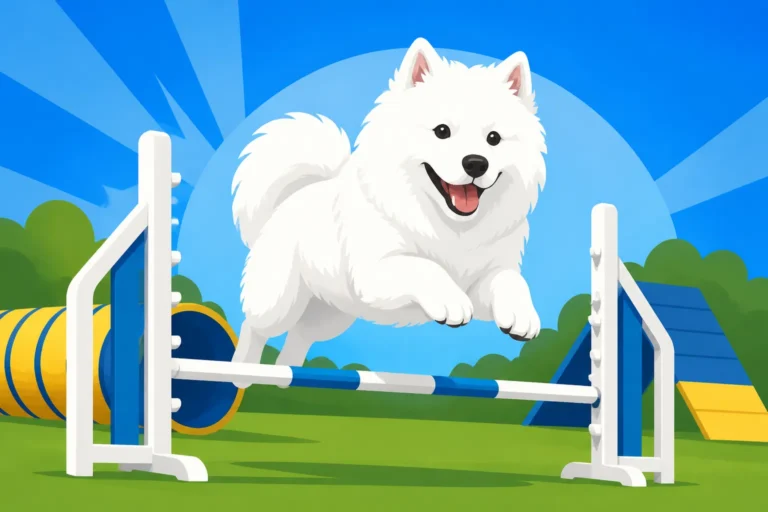
Many Samoyeds absolutely thrive in activities like skijoring, canicross, bikejoring, or traditional sledding. These activities tap into their instinctive intelligence, allowing them to use their strength, endurance, and problem-solving skills in a way that feels natural and deeply satisfying to them. They learn complex commands related to directional changes, speed, and stopping while pulling, often responding with enthusiasm that you might not see in a typical obedience class. They quickly understand concepts like "gee" (right) and "haw" (left) on the trail, demonstrating not just physical prowess but also a strong mental engagement with the task. Furthermore, their herding instincts, a less commonly recognized trait but equally ingrained, show their working intelligence in a different light. The Herding Instinct Nobody Expects From a Samoyed is a fascinating read on this topic. It’s about channeling their intelligence into activities they truly love, where their independent spirit becomes an asset rather than a perceived hurdle.
Practical Training Strategies for Your Smart Samoyed
Training a Samoyed effectively means embracing their unique intelligence rather than fighting against it. It's about understanding their motivations, keeping things interesting, and building a strong, respectful relationship.
Keep Training Fun and Engaging
Because Samoyeds thrive on novelty and engaging activities, repetitive, drill-like training sessions can quickly lead to boredom and disinterest. Instead, focus on making training a game! Incorporate puzzle toys, hide-and-seek with treats, or short bursts of training scattered throughout your day.
Vary your rewards: sometimes it's a super yummy treat, other times it's a quick game of tug, or perhaps an enthusiastic verbal praise. Keep sessions short, usually no more than 5-10 minutes, especially for puppies. Ending on a high note, with success, will keep them eager for the next session. Use toys that stimulate their minds and bodies; you can find a huge variety of enrichment toys on Amazon that are perfect for intelligent, active breeds. Think about integrating training into everyday activities, like asking for a "sit" before opening the door or a "down" before they get their meal. This makes training less of a chore and more a natural part of their daily life.
Consistency, Patience, and Understanding
One of the biggest keys to training a Samoyed is unwavering consistency. These clever dogs are always testing boundaries – not out of malice, but because they're intelligent and want to understand the rules and what they can get away with. If you let them jump on guests one day and correct them the next, they'll become confused and might decide that jumping is sometimes allowed.
Everyone in the household needs to be on the same page with commands and expectations. Patience is paramount; a Samoyed might take a few more repetitions to choose to consistently perform a command compared to a more biddable breed, but once they "get" it and see the value, they're typically reliable. Understanding that their independence is a feature, not a bug, will shift your perspective. Instead of viewing their hesitation as stubbornness, see it as a moment of critical thought. Respond calmly, clearly, and reinforce generously when they make the right choice. Training a Samoyed That Finds Obedience Negotiable delves deeper into navigating their unique approach to learning.
Utilizing Their Drive for Success
The Samoyed's innate drives – pulling, herding, and their need for companionship – can be powerful tools in your training arsenal. Instead of trying to suppress these natural instincts, find healthy outlets for them.
If your Samoyed loves to pull, embrace it with a proper harness and consider dog sports like canicross or even recreational sledding. This gives them a job, burns off energy, and provides mental stimulation, often making them more amenable to other forms of training. For those with a herding instinct, exploring supervised herding classes can be incredibly enriching. Even for a pet Samoyed, simple tasks like carrying a backpack on walks or helping you "fetch" items around the house can tap into their desire to be useful. Many owners find success with structured online puppy and dog training programs, such as those offered by BAXTER & Bella, which can help you channel their natural drives and provide guidance on positive reinforcement techniques. By giving them appropriate jobs and activities that fulfill their intrinsic motivations, you're not just training them; you're building a stronger bond and fostering a truly happy, well-adjusted Samoyed who understands their place and purpose within your family.
Here’s a look at how Samoyed intelligence can be perceived:
| Trait Category | Traditional Obedience View | Samoyed's Practical Intelligence Traits |
|---|---|---|
| Learning Speed | May take more repetitions for consistent, immediate compliance. | Quick to learn routines, problem-solving, and adapt to situations. |
| Motivation | Often requires high-value rewards; less driven purely by pleasing. | Highly motivated by engaging activities, food, play, and companionship. |
| Response to Commands | Can be selective, sometimes choosing to ignore if distracted. | Understands commands, but may analyze "what's in it for me?" first. |
| Problem-Solving | Not typically tested in traditional obedience drills. | Excellent at figuring out how to open gates, get treats, outsmart puzzles. |
| Emotional Acuity | Rarely considered in obedience rankings. | Highly empathetic, tunes into owner's moods, offers comfort. |
| Focus & Attention Span | Can be easily distracted by environmental stimuli. | Can focus intensely on tasks they enjoy (e.g., pulling, digging). |
| Independence | Can be perceived as stubbornness or lack of biddability. | Strong independent thought, decision-making, self-reliance. |
| Working Drive | Not directly measured in basic obedience. | Strong instinct for pulling, herding, thrives with a "job." |
This table really highlights that while your Samoyed might not be performing complex obedience routines with military precision, their intelligence is incredibly rich and multifaceted. It's about celebrating the unique way their clever minds work.
Disclaimer
This article is for general informational purposes only and does not constitute professional advice. Laws, prices and regulations vary by location and change over time. Consult a qualified professional for guidance on your specific situation.