Whether Puppy Class Is Enough for a Samoyed
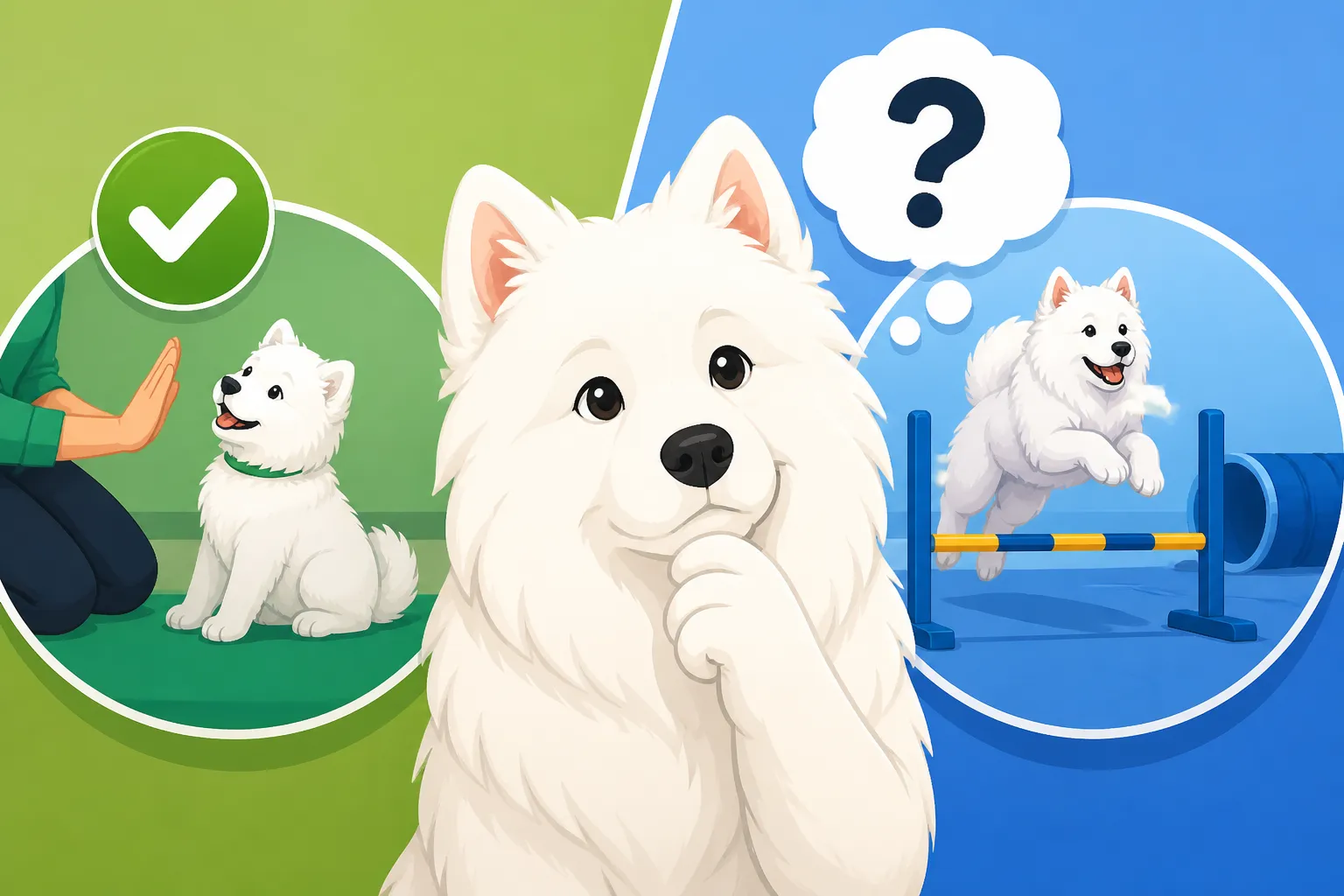
It’s easy to fall into the trap of thinking that enrolling your adorable Samoyed puppy in a basic puppy class is the ultimate ticket to a perfectly behaved adult dog. Many first-time Samoyed parents, and even seasoned dog owners, find themselves scratching their heads when their fluffy cloud-dog breezes through puppy class with flying colors, only to ignore them completely the moment a squirrel appears or a new person walks by. This guide aims to shed light on what puppy class can offer, and more importantly, why it’s often just the first step on a much longer, incredibly rewarding training journey with your intelligent, charming, and often hilariously independent Samoyed.
The Unique Mindset of a Samoyed Learner
Bringing a Samoyed into your life means welcoming a dog steeped in a history of independent problem-solving. These dogs were bred for thousands of years to work alongside the Nenets people, herding reindeer and pulling sleds in the vast, often isolated, Siberian tundra. This isn't a breed designed for unquestioning obedience; they are thinkers, problem-solvers, and collaborators, and that impacts their approach to learning and training.
Intelligence and Independent Thought
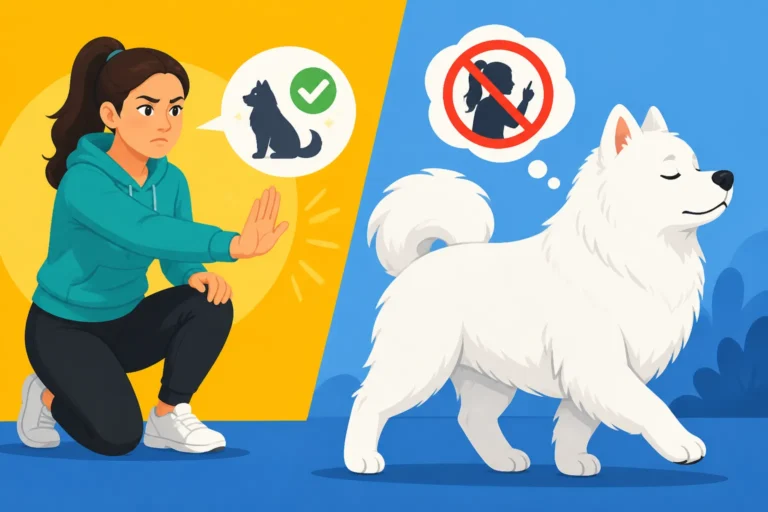
Samoyeds are undeniably smart. They can pick up new cues quickly, sometimes even too quickly, which can be a double-edged sword. Their intelligence often comes with a healthy dose of independent thought. They weigh their options, assess the value of performing a command, and sometimes, well, they decide it's simply not worth their time if a more interesting distraction is present. This isn't stubbornness in the malicious sense; it's a deeply ingrained trait that allowed them to survive and thrive in challenging environments. A Samoyed on a sled team had to make decisions on its own if the musher was incapacitated, and a reindeer herder needed to react quickly without constant human input. This legacy means they're not always looking to you for every single instruction, which can be frustrating if you expect immediate, robot-like compliance.
Consider a situation where you're asking your Samoyed to "come" at the dog park. They know the command, you've practiced it countless times indoors and in your backyard. But now, there's another Samoyed bounding by, or a tantalizing smell in the grass. Their ancestral programming kicks in: "Is coming to mom or dad really more rewarding than investigating this exciting new thing?" For many Samoyeds, the answer is often "no," or at least, "let me just finish this first." This is why consistency and high-value rewards are absolutely paramount. You're constantly negotiating with a canine entrepreneur.
Motivation and What Works Best
Understanding what truly motivates your Samoyed is the key to unlocking their training potential. While some dogs are perfectly happy with a simple "good boy!" and a pat on the head, Samoyeds often require a bit more… convincing. They thrive on positive reinforcement and engaging, varied training sessions. Repetition can lead to boredom, and a bored Samoyed is an uncooperative Samoyed.
For many Samoyeds, food is a powerful motivator. Think beyond plain kibble; small pieces of cooked chicken, cheese, or specialized high-value training treats can make all the difference. Beyond treats, praise and play can also be incredibly effective, especially if you tap into their natural desire to be near you and engage in joyful, high-energy activities. Interactive toys that you can use together, or a quick game of fetch, can be excellent rewards. They also respond well to novelty, so varying your training locations, mixing up commands, and making it feel like a game rather than a chore will keep them engaged. Remember, a Samoyed isn't just performing for you; they're learning to enjoy the process of working with you. This is crucial for building a strong bond and a dog who wants to listen.
What Puppy Class Actually Offers
Puppy classes are wonderful, truly! They serve several vital functions, especially for a social and impressionable breed like the Samoyed. However, it's important to approach them with realistic expectations. They are a foundation, not a complete education.
Essential Socialization Opportunities
One of the greatest benefits of puppy class, especially for a Samoyed, is the structured socialization it provides. Samoyeds are generally friendly dogs, but like all breeds, they benefit immensely from positive experiences with other puppies, people, and novel environments during their critical developmental window. A good puppy class will expose your Samoyed to puppies of different breeds, sizes, and temperaments, teaching them appropriate dog-to-dog communication skills. This can help prevent shyness, fear, or over-exuberance in future interactions. The First Year With a Samoyed Puppy is full of insights into this crucial period.
Imagine your fluffy Samoyed puppy, barely twelve weeks old, meeting a wiggly Pug, a boisterous Labrador, and a tiny Chihuahua. They learn to navigate different play styles, how to initiate play politely, and when to back off. This is invaluable, as a poorly socialized Samoyed, despite their inherent friendliness, can become overwhelmed or overly pushy if they haven't learned these nuances. Puppy class provides a safe, controlled environment under the watchful eye of an instructor to help guide these interactions, preventing negative experiences that could lead to behavioral issues down the line.
Basic Obedience Foundations
Puppy class typically covers fundamental obedience cues like "sit," "stay" (for very short durations), "down," "come" (in a low-distraction environment), and "leave it." These are absolutely vital building blocks for any well-behaved dog, and your Samoyed will likely pick them up quickly. The structured environment, with consistent teaching methods, helps lay that initial groundwork.
For instance, learning "sit" and "stay" in a classroom setting, where other puppies are also practicing, helps your Samoyed generalize the behavior. They learn that "sit" means sit, regardless of whether other dogs are barking or playing nearby. This is a crucial first step in building reliability. However, it's key to remember that these are just foundations. A "stay" in a quiet classroom is a world away from a "stay" when a delivery truck pulls up to your house, or when you're out on a busy street. The leap from classroom success to real-world reliability requires much more dedicated practice and proofing, which puppy class simply doesn't have the time or scope to cover in depth.
Limitations of a Standard Puppy Class
While beneficial, a standard puppy class has inherent limitations, particularly for a breed with the Samoyed's unique characteristics. It's often a short course, perhaps 6-8 weeks long, and the curriculum is designed for a broad range of breeds, not tailored specifically to the Samoyed's quirks.
Think about the Samoyed's infamous vocalizations – their barks, grumbles, and particularly their "Samoyed Scream." While a trainer might offer a general tip, a short class won't provide the dedicated time to address The Samoyed Scream and Why It Is Not Barking or other breed-specific issues like their strong prey drive, propensity for digging, or their cunning ability to escape. What's more, the focus is often on initial learning, not on "proofing" behaviors in increasingly distracting environments. For a Samoyed, who can be masters of selective hearing, true reliability means practicing commands in parks, busy sidewalks, and around other dogs, something that a single puppy class can only touch upon lightly. It’s a bit like learning to read the alphabet; you know the letters, but you’re far from writing a novel.
Beyond Puppy Class: Essential Next Steps for Samoyed Training
Once puppy class is over, the real work, and the real fun, truly begins. Think of puppy class as getting your driver's permit; you've learned the basics, but you're not ready for the open road yet. For a Samoyed, consistent, varied, and ongoing training is not just a recommendation, it's a necessity.
Consistent Practice and Proofing in Real-World Scenarios
The skills learned in puppy class need to be continuously practiced and "proofed" in a wide variety of environments and with increasing levels of distraction. This is where many owners hit a wall. Your Samoyed might sit beautifully in your living room, but will they sit and stay at the vet's office? At a busy park? When a child runs past them? This transition from controlled environment to chaotic reality is critical.
Start by practicing commands in slightly more distracting areas, gradually increasing the challenge. For example, if your Samoyed knows "sit" in the quiet of your home, practice it with the TV on, then in your backyard, then on a quiet street, then a busier one. Always use high-value rewards for success in new, challenging situations. This constant reinforcement helps your Samoyed understand that these commands are universal, not just things they do in certain places. This process of proofing is often what truly defines a well-trained Samoyed from one that only performs when it feels like it. It's also vital for something like their recall; Why a Samoyed's Recall Cannot Be Trusted highlights how much more work it takes compared to some other breeds.
Advanced Obedience and Specialty Classes
Don't stop at basic obedience! Samoyeds thrive on mental stimulation and enjoy learning new things. Exploring advanced obedience classes can deepen their understanding of cues, improve their focus, and strengthen your bond. Beyond that, consider specialty classes that tap into their natural instincts and abilities.
Canine Good Citizen (CGC) classes are an excellent next step, focusing on polite manners in public. After that, you might explore rally obedience, which is less formal than traditional obedience and more engaging for a Samoyed's independent spirit. Many Samoyeds also excel in dog sports like agility, canicross, or even sledding, if you're in a suitable climate and they're old enough. These activities provide an incredible outlet for their energy and intelligence. You can find excellent online resources, like BAXTER & Bella, which offer comprehensive video libraries and personalized support for every stage of training, from puppyhood through advanced skills. This can be a fantastic supplement or even alternative if in-person classes aren't readily available or if your schedule is unpredictable. Remember, What a Samoyed Will Work For often depends on making it fun and engaging.
Addressing Breed-Specific Behaviors
Samoyeds come with some wonderful traits, but also some behaviors that require specific management and training. These often aren't deeply covered in a general puppy class. For example, their strong prey drive means they might chase small animals, making a reliable "leave it" and a strong recall absolutely critical for their safety and the safety of wildlife. Their love for digging, often intensified by seeking cool spots in warmer weather, might need redirection to a designated digging pit in your yard. The Digging a Samoyed Does Because It Is Hot offers more insight into this.
| Training Focus | What Puppy Class Provides | What a Samoyed Truly Needs Long-Term |
|---|---|---|
| Socialization | Controlled exposure to other puppies & people | Ongoing positive exposure to diverse dogs, people, environments |
| Basic Cues | Sit, stay (short), down, come (low distraction) | Proofing all cues in high-distraction, real-world settings |
| Recall | Introduction to "come" cue | Extensive, high-value reward-based practice, often with a long line, in all environments |
| Leash Manners | Basic walking on a leash | Consistent training against pulling, addressing excitement, distractions |
| Vocalization | General tips for quiet | Specific strategies for managing alert barking, "Samoyed screams," and boredom vocalizations |
| Impulse Control | "Leave it," "wait" (basic) | Advanced impulse control around prey, food, other dogs |
| Enrichment | Minimal | Mental stimulation, problem-solving toys, dog sports, jobs |
It's also important to manage their environmental interactions. Their curious nature and intelligence means they're quite adept at escaping fences or opening gates if not properly secured. How a Samoyed Gets Out of Anything You Build is a testament to this ingenuity. For specific training tools, such as long lines for recall practice or durable puzzle toys for mental enrichment, checking a site like Amazon can provide a wide array of options to support your ongoing training efforts. Never underestimate the power of finding the right tools to aid your training.
In essence, puppy class is a fantastic start, offering foundational skills and crucial socialization. But for a Samoyed, it’s merely the opening chapter of a lifelong journey of learning, bonding, and mutual understanding. Be prepared to invest time, creativity, and patience, and you'll be rewarded with a truly magnificent companion. It's not about making them into something they're not, but about guiding their natural brilliance into a harmonious life with you. Your Samoyed wants to be a part of everything you do, and building on that initial training will ensure they can safely and happily Why a Samoyed Wants to Be in the Room With You.
Disclaimer
This article is for general informational purposes only and does not constitute professional advice. Laws, prices and regulations vary by location and change over time. Consult a qualified professional for guidance on your specific situation.