How a Samoyed Should Be Cooled Down
There’s nothing quite as terrifying as seeing your beloved fluffy Samoyed panting heavily, looking distressed, and struggling in the heat. Their magnificent coats, built for the Arctic, can become a real challenge when temperatures rise, leading to serious concerns about overheating. This comprehensive guide will walk you through exactly how to effectively and safely cool down your Samoyed, from immediate emergency measures to long-term preventative strategies.
Understanding Why Samoyeds Struggle with Heat
Before we dive into cooling strategies, it's really important to grasp why Samoyeds are so susceptible to heat-related issues. It’s not just their luscious fur; their entire physiology is geared towards cold environments, and that can catch even the most attentive owner off guard when summer rolls around.
The Double Coat Paradox
It seems counterintuitive, doesn't it? A dog with all that fur should be boiling, right? But the Samoyed's double coat is actually an incredible insulator, designed to keep them warm in sub-zero temperatures and to a certain extent, keep them cool by creating an air barrier against heat. Think of it like the insulation in your house – it keeps the warmth in during winter and helps block the heat out in summer. The dense, soft undercoat and the longer, harsher guard hairs work together to regulate body temperature.
The problem arises when this natural system is overwhelmed by high ambient temperatures, humidity, or excessive exertion. If the trapped air can't dissipate heat, or if the dog is too active, their body temperature can quickly climb. Many people make the mistake of thinking shaving their Samoyed will help, but in reality, it often makes things worse, stripping them of their natural protection. Why Shaving a Samoyed Makes the Heat Worse explains this in detail.
Samoyed Physiology in Warm Climates
Beyond the coat, Samoyeds, like all dogs, primarily cool themselves through panting. Unlike humans who sweat profusely through their skin, dogs have very few sweat glands and rely heavily on evaporative cooling from their tongues and respiratory tracts. When it's hot and humid, the effectiveness of panting drops significantly because the air is already saturated with moisture, making it harder for evaporation to occur.
This breed, with its origins in Siberia and association with The Nenets of the Yamal Peninsula Bred the Samoyed, is inherently less efficient at regulating heat in warm environments compared to breeds developed in hotter climates. Their compact body structure, relative lack of skin surface area compared to their body mass, and that thick coat mean they have to work harder to shed excess heat. This physiological predisposition is why A Samoyed Built for Sixty Below in an American Summer often struggles when the mercury climbs above 70 degrees Fahrenheit, let alone when it pushes into the 80s or 90s.
Immediate Steps When Your Samoyed is Overheating
Recognizing the signs of overheating early and acting quickly can literally be a lifesaver. Time is of the essence when your Samoyed's core body temperature starts to climb dangerously high.
Recognizing Heatstroke in a Samoyed
It's crucial to know the red flags. Early signs of overheating in a Samoyed might be subtle: excessive panting, drooling more than usual, and seeking out cool spots to lie down. As it progresses to heatstroke, the symptoms become far more alarming. You might see very rapid, frantic panting, bright red gums, a fast heart rate, and thick, ropy saliva.
More severe signs include weakness, staggering, collapse, vomiting, diarrhea (sometimes bloody), seizures, or even loss of consciousness. If you see any of these advanced signs, you're dealing with a serious medical emergency, and you need to act immediately while preparing to head to the vet. Signs a Samoyed Is Overheating provides a comprehensive list of what to look for.
Emergency Cooling at Home
If you suspect your Samoyed is overheating, every second counts. Get them into the coolest possible environment immediately – indoors with air conditioning or in the shade. Start applying cool (not icy!) water to their body. Focus on areas with good blood flow, like their belly, paw pads, armpits, and groin. You can use a hose on a gentle setting, wet towels, or even just your hands to pour water over them.
A fan directed at them will help with evaporative cooling as the water on their fur starts to evaporate. Continuously check their temperature if you have a rectal thermometer; you're aiming to bring it down to around 103°F (39.4°C) before stopping the active cooling, as their temperature can continue to drop. Do not over-cool them, and remember this is a first-aid step, not a cure.
When to See the Vet
Even if your Samoyed seems to recover quickly from overheating, a veterinary visit is absolutely essential. Heatstroke can cause internal damage to organs like the kidneys, liver, and brain that isn't immediately obvious. Your vet will perform a thorough examination, check for dehydration, and may run blood tests to assess organ function. They can also provide intravenous fluids to help with hydration and circulation.
It's always better to be safe than sorry. A quick call to your vet on the way, explaining the situation, will allow them to prepare for your arrival. Don't delay; the faster they receive professional medical attention, the better their prognosis.
Practical Strategies for Everyday Cooling
Prevention is always better than cure, especially when it comes to keeping a Samoyed cool. Incorporating these daily habits can make a huge difference in their comfort and safety during warmer months.
Hydration is Key
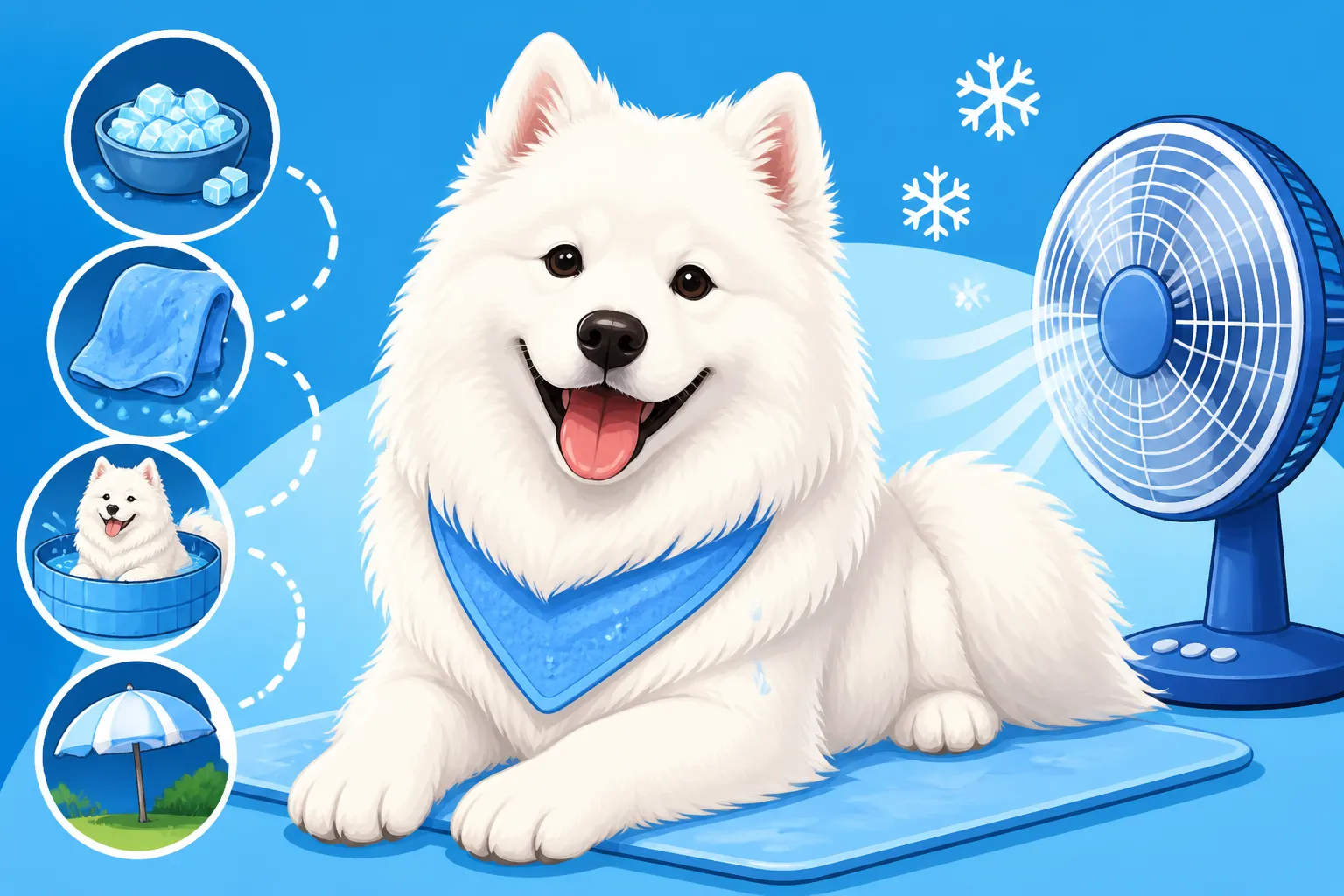
Just like us, Samoyeds need plenty of water to stay hydrated, especially when it's hot. Always ensure your Samoyed has access to fresh, cool water. This means multiple water bowls around the house and yard, and bringing water with you on walks or outings. Consider adding ice cubes to their water bowl to keep it cooler for longer, or even making large ice blocks with treats inside to encourage them to drink and stay engaged.
Some Samoyeds love to play in water, so a shallow kiddie pool in the yard can be a fantastic way for them to cool off while also getting some mental stimulation. Just make sure the water isn't too cold, and always supervise them. You can find sturdy, chew-resistant options on sites like Chewy or Amazon that hold up well to a Samoyed's playful nature. How Much Water a Samoyed Needs in Summer is a good read for more hydration tips.
Shade and Timing Walks
This might seem obvious, but it's worth reiterating: shade is your Samoyed's best friend. Whether you're in your backyard or out for a walk, always seek out shaded areas. Limit their outdoor time during the hottest parts of the day, typically between 10 AM and 4 PM. Early morning or late evening walks are much safer and more enjoyable for your Samoyed.
If you absolutely must take them out during warmer hours, keep it short and always on grass, as pavement can get incredibly hot and burn their sensitive paw pads. Think about how hot the sidewalk feels on your bare feet – it's the same for them. Whether a Samoyed Refuses to Walk in Heat can give you an idea of their tolerance, but don't rely on it entirely; some Samoyeds will push themselves to be with you even when uncomfortable.
Creating a Cool Indoor Haven
Your home should be a sanctuary from the heat for your Samoyed. Air conditioning is truly a game-changer for these northern breeds. Keep your house cool, especially when you're not home, or when they're most active. What Air Conditioning Adds to a Samoyed Household goes into the costs and benefits, but for a Samoyed, it's often a necessity, not a luxury.
If air conditioning isn't an option or you want to supplement it, strategic use of fans can help move air and create a breeze. Tiled floors or concrete basement floors are often much cooler than carpets, so encourage them to lie on these surfaces. Closing blinds and curtains during the day can also help keep the indoor temperature down.
Tools and Products to Help Your Samoyed Stay Cool
The market is full of innovative products designed to help dogs beat the heat. While none are magic bullets, they can certainly contribute to your Samoyed's overall comfort.
Cooling Vests and Bandanas
Cooling vests and bandanas work by using evaporative cooling. You wet them, wring them out, and then put them on your dog. As the water evaporates from the fabric, it helps draw heat away from your Samoyed's body. These can be particularly useful for short periods outdoors, like a quick potty break or a shaded walk.
They aren't meant for intense exercise in high heat, but for daily comfort, they can offer a noticeable difference. Look for brands that offer good coverage without being too bulky, and always ensure a comfortable fit. Many pet supply stores, including Chewy and Amazon, offer a wide range of options.
Elevated Beds and Cooling Mats
Elevated dog beds allow air to circulate underneath your Samoyed, preventing heat from building up between their body and the floor. This simple design can make a big difference in comfort. Pair this with a cooling mat, and you've got a fantastic spot for them to relax. Cooling mats typically contain a gel that activates when pressure is applied, providing a cool surface without needing refrigeration or electricity.
These mats can be placed anywhere your Samoyed likes to lie down – in their crate, under a favorite window, or next to your desk. Just make sure to check reviews for durability, as Samoyeds can be quite enthusiastic with their bedding. Whether a Cooling Mat Helps a Samoyed is a useful resource for understanding their effectiveness.
Outdoor Play Options
Even in warm weather, your Samoyed still needs exercise and mental stimulation. Consider activities that involve water, like a splash pad or a trip to a dog-friendly lake (if they enjoy swimming and it's safe). Some Samoyeds enjoy retrieving toys from a shallow pool. Remember that Whether a Samoyed Likes Water at All varies widely, so introduce water play slowly and positively.
Another option is to create frozen treats. You can freeze broth, pureed pumpkin, or even a blend of dog-safe fruits and vegetables in ice cube trays or Kong toys. These provide a cool, stimulating snack that takes time to consume, helping to keep them occupied and hydrated. You can find dog-safe treat ingredients and molds on Amazon or Chewy.
Common Mistakes to Avoid When Cooling Your Samoyed
In an effort to help our furry friends, we can sometimes inadvertently do more harm than good. Being aware of these common pitfalls can save you a lot of worry and potentially prevent serious health issues.
The Shaving Myth
This is perhaps the most persistent myth out there. Many well-meaning owners believe shaving their Samoyed will make them cooler. However, as we discussed, their double coat is an insulating marvel. Shaving it removes both the protective guard hairs and the dense undercoat. This leaves their delicate skin exposed to the sun, increasing the risk of sunburn and even skin cancer.
Furthermore, the coat often doesn't grow back correctly after shaving – it can become patchy, thin, and lose its insulating properties, leading to an even less efficient system for temperature regulation in future seasons. Instead of shaving, focus on regular, thorough grooming to remove loose undercoat, which helps with air circulation. A Samoyed's Coat Is Insulation, Not Decoration is a must-read on this topic.
Ice Water Dangers
While cool water is excellent for cooling an overheated Samoyed, ice-cold water can be dangerous, especially if administered internally or applied too aggressively. If a dog drinks ice-cold water too quickly when overheated, it can sometimes lead to a sudden drop in core body temperature, which can cause shock or even gastric dilatation-volvulus (bloat).
Similarly, plunging an overheated dog into an ice bath can cause vasoconstriction, where blood vessels constrict. This actually traps heat inside the body and can lead to thermal shock. Stick to cool (tap water temperature) water for external cooling, and offer slightly cool or room-temperature water for drinking.
Over-exercising in Heat
It's tempting to want to give your Samoyed their usual run, but pushing them to exercise vigorously in hot weather is extremely risky. Their high energy levels and desire to please might make them continue even when their body is screaming for a break. As the temperature climbs, reduce the intensity and duration of walks and playtime.
Focus on mental stimulation indoors or very short, low-impact outdoor activities during the coolest parts of the day. A tired Samoyed isn't necessarily a well-exercised one in summer; it might be an overheated one. Listen to their cues, watch for Signs a Samoyed Is Getting Old if they're a senior, and err on the side of caution. Remember, The Age a Samoyed Can Start Sledding is generally when they are older and more mature, and even then, only in appropriate weather.
Long-Term Management for Samoyeds in Warm Climates
For those of us living in regions where summer brings prolonged heat, managing a Samoyed's comfort requires a holistic approach that goes beyond day-to-day cooling tactics. It's about building a lifestyle that supports their unique needs.
Diet Adjustments
Believe it or not, your Samoyed's diet can play a small role in how they handle heat. While major changes aren't usually needed, ensuring they're on a high-quality, easily digestible diet helps maintain their overall health and energy levels without overburdening their system. Overweight dogs struggle much more with heat, so maintaining a lean body condition is paramount.
Talk to your vet about whether any dietary supplements might be beneficial for hydration or general well-being in warmer weather. Some owners consider fresh food options, which often have higher moisture content, such as those offered by services like Ollie, to aid hydration. However, always consult your vet before making significant dietary changes.
Regular Grooming
Consistent and thorough grooming is your first line of defense against overheating. Regular brushing, especially during coat blow season, removes dead undercoat, allowing air to circulate close to the skin. This improves the coat's natural insulating properties and prevents matting, which can trap heat and create hotspots.
Invest in good quality grooming tools, such as an undercoat rake and a high-velocity dryer. Learning to properly "line brush" your Samoyed will ensure you're getting deep into the undercoat. If DIY grooming feels overwhelming, a professional groomer experienced with double-coated breeds can be invaluable. They can perform a thorough deshedding treatment that will significantly help.
Climate Considerations and Lifestyle
Ultimately, a Samoyed is a northern breed through and through. If you live in a perpetually hot and humid climate, you need to be realistic about the challenges this poses. This might mean having a strict indoor-only policy during peak summer, ensuring robust air conditioning, and adapting your entire routine to your dog's needs.
For families considering getting a Samoyed, thinking about Whether a Samoyed Suits a Hot Climate is a critical question. It requires a significant commitment to their comfort and safety. If you travel with your Samoyed, plan routes that offer plenty of cool stops and consider The Temperature at Which a Samoyed Should Stay Indoors even when on vacation. It’s about creating an environment where your Samoyed can thrive, rather than just survive, in the heat.
| Cooling Method | Pros | Cons | Best Use |
|---|---|---|---|
| Cool Water Application | Immediate relief, effective | Can over-cool if water is too icy, messy | Emergency cooling, moderate heat relief |
| Fans/Air Conditioning | Consistent cooling, comfortable environment | Energy cost, not portable, relies on power | Indoor primary cooling, recovery |
| Shade | Natural, free, always available | Limited in open areas, doesn't actively cool | Preventing overheating outdoors |
| Cooling Mats | Portable, no electricity, easy to use | Can be chewed, limited surface area | Rest/relaxation on cool surfaces |
| Elevated Beds | Air circulation, durable | Doesn't actively cool, better with a mat | Rest/relaxation, improved airflow |
| Cooling Vests/Bandanas | Portable, aids evaporative cooling | Needs re-wetting, not for intense activity, can be bulky | Short outdoor stints, mild heat relief |
| Kiddie Pool | Fun, active cooling, hydration | Messy, requires supervision, not all Samoyeds like water | Supervised outdoor play, active cooling |
| Frozen Treats | Hydrating, stimulating, slow consumption | Can be messy, requires preparation | Enrichment, mild cooling, distraction |
Disclaimer
This article is for general informational purposes only and does not constitute professional advice. Laws, prices and regulations vary by location and change over time. Consult a qualified professional for guidance on your specific situation.