Foods That Are Dangerous to a Samoyed
Our beautiful Samoyeds, with their ever-present smiles and mischievous personalities, are often masters of persuasion when it comes to snagging a tasty morsel. Whether it's a dropped crumb from the kitchen counter or an unattended snack on the coffee table, their keen noses and boundless curiosity can quickly lead them into trouble. Understanding which everyday human foods are truly dangerous for your fluffy companion is absolutely critical for their health and well-being. This guide will walk you through the most common household foods that pose a significant risk, explain why they're so harmful, and help you create a safer environment for your beloved Samoyed.
The Truly Toxic: Foods That Can Cause Serious Harm or Even Death
Some foods are more than just indigestible; they contain compounds that are actively poisonous to dogs, even in small amounts. These are the items you need to keep absolutely locked away and out of paw's reach.
Chocolate, Caffeine, and Related Stimulants
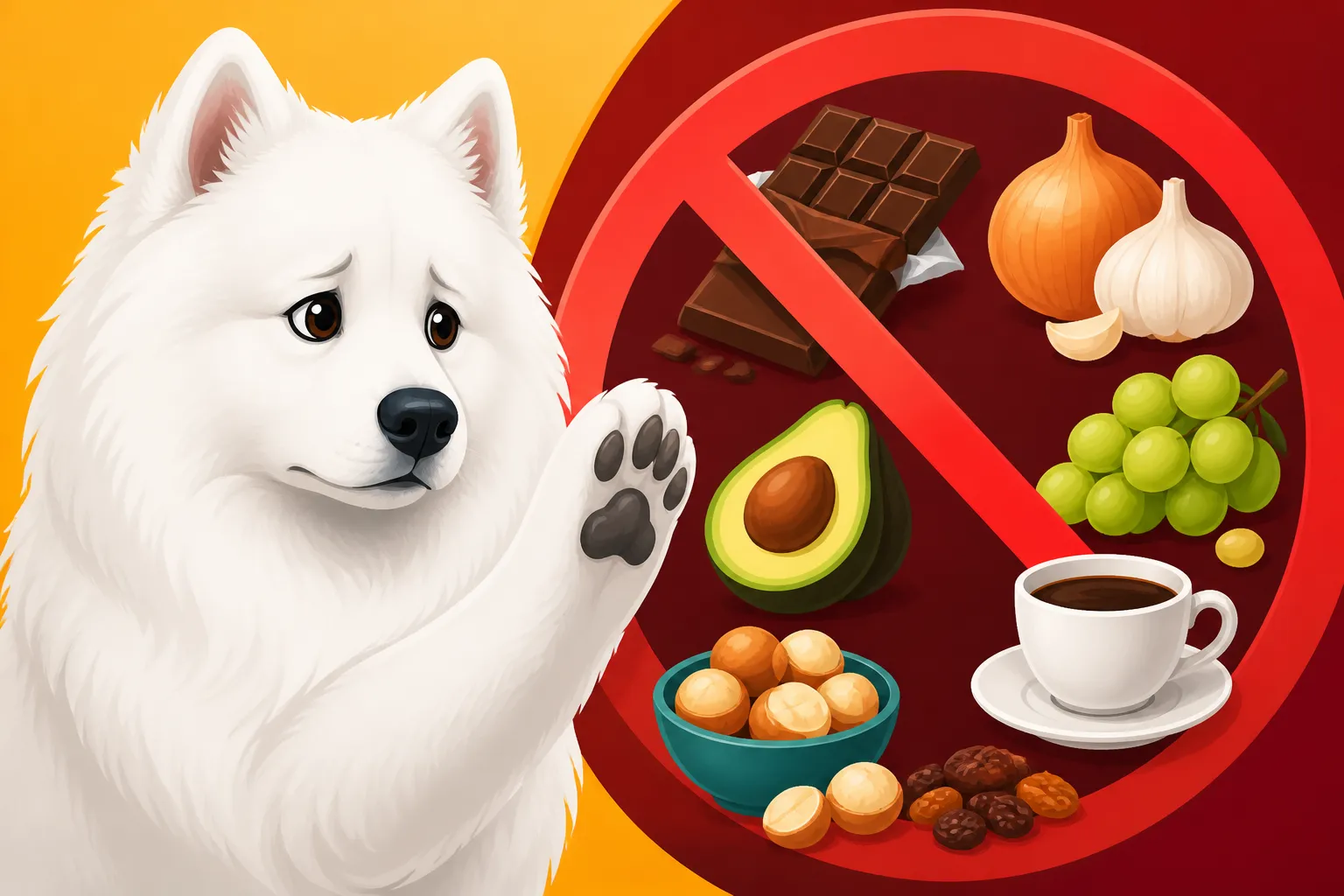
Ah, chocolate. It's a treat for us, but a potential killer for our dogs. The culprit here is a compound called theobromine, along with caffeine, both of which are stimulants. Dogs metabolize these substances much more slowly than humans do, allowing toxic levels to build up in their system. The darker the chocolate, the higher the concentration of theobromine, making baking chocolate, cocoa powder, and dark chocolate the most dangerous forms. Even milk chocolate, while less concentrated, can still be harmful in larger quantities or for smaller dogs.
Imagine leaving a half-eaten bar of dark chocolate on your nightstand, thinking it's safe. Your clever Samoyed, ever the opportunist, could easily jump up and devour it before you even realize what's happened. Within hours, you might notice symptoms like hyperactivity, restlessness, excessive thirst, vomiting, diarrhea, tremors, and in severe cases, seizures and heart problems. This isn't something to "wait and see" about; immediate veterinary attention is crucial. The same goes for coffee beans, coffee grounds, tea bags, and energy drinks – anything high in caffeine. It's truly startling how quickly a happy, energetic Samoyed can become gravely ill from something we consider a comforting treat.
Xylitol: A Hidden Danger in Many "Sugar-Free" Products
This is one of the sneakiest and most dangerous toxins out there for dogs, and it’s found in an alarming number of everyday products. Xylitol is an artificial sweetener that, while perfectly safe for humans, causes a rapid and severe drop in a dog's blood sugar (hypoglycemia) and can lead to liver failure. The effects can be incredibly swift and devastating.
Where do you find xylitol? Think beyond just "sugar-free gum." It's in many brands of toothpaste, sugar-free candies, mints, some peanut butters (always, always check the label!), certain baked goods, chewable vitamins, and even some medications. Your Samoyed might be happily enjoying a spoonful of "peanut butter" that you thought was a safe treat, only for you to discover later that it contained xylitol. Or perhaps a child accidentally drops a stick of gum. The smallest amount can be catastrophic. Symptoms can appear within 15-30 minutes and include vomiting, lethargy, loss of coordination, seizures, and collapse. If you suspect your Samoyed has ingested anything containing xylitol, this is a definite emergency. Secure all products containing xylitol in cabinets that are completely inaccessible, perhaps even using childproof locks that you can find easily on Amazon, just to be extra safe.
Grapes, Raisins, and the Mysterious Kidney Killer
The exact mechanism by which grapes and raisins cause toxicity in dogs remains unknown, which is perhaps what makes them so frightening. What we do know is that even a small amount can lead to acute kidney failure in some dogs. There's no clear dose-response relationship, meaning one grape might cause severe issues in one dog, while another might tolerate a few without immediate problems – but you simply cannot risk it. This mystery is what makes them so insidious.
Think about a common scenario: you’re enjoying a healthy snack of grapes, and a few roll off the counter onto the floor. Or perhaps your Samoyed, ever the scavenger, finds a box of raisins dropped by a child in the car. It’s so easy for this to happen. Symptoms typically begin with vomiting, lethargy, and increased thirst within a few hours. As kidney damage progresses, dogs may become weak, dehydrated, and eventually stop producing urine altogether. It's a heartbreaking and often fatal condition. Given the severity and the unknown factors, grapes and raisins should be considered strictly off-limits and kept far away from your Samoyed.
Digestive Disasters: Foods That Lead to Upset Stomachs and Worse
While not always immediately life-threatening like the truly toxic items, certain foods can cause immense discomfort, severe illness, or even require emergency surgery due to digestive issues. Samoyeds, with their dense coats and stoic nature, can sometimes hide their discomfort, as detailed in How a Samoyed Hides Illness Behind a Smile, making vigilance even more important.
Fatty Foods and the Threat of Pancreatitis
Samoyeds, like many breeds, are prone to a painful and potentially life-threatening condition called pancreatitis, which is an inflammation of the pancreas. The most common trigger for pancreatitis is the ingestion of rich, fatty foods. This isn't just about giving your dog a whole stick of butter (though that's certainly a no-go!). We're talking about seemingly innocuous scraps from the dinner table.
Consider the holiday season: a bit of turkey skin here, some bacon grease dropped from breakfast there, leftover gravy, or fatty meat trimmings from your roast. Your Samoyed's system simply isn't equipped to handle this sudden influx of fat, especially not in the quantities we might consume. The pancreas, overwhelmed, becomes inflamed, leading to excruciating abdominal pain, persistent vomiting, severe diarrhea, and lethargy. A dog suffering from pancreatitis is truly miserable, and treatment can involve hospitalization, intravenous fluids, pain management, and a specialized, often low-fat, diet for recovery. It’s a costly and frightening experience for everyone involved. For more on this, check out Whether a Fatty Meal Triggers Samoyed Pancreatitis and Signs a Samoyed Has Pancreatitis. To protect your Samoyed, always err on the side of caution and avoid feeding them any fatty human foods. If you're looking for safe, nutritious alternatives, many high-quality dog food brands available on Chewy or Ollie offer perfectly balanced, appropriate treats and meal options that cater to your Samoyed's specific dietary needs without risking such a serious condition.
Cooked Bones and Other Choking Hazards
It’s a classic image: a dog happily gnawing on a bone. However, cooked bones are a serious danger. Cooking makes bones brittle, causing them to splinter easily into sharp fragments. These fragments can then cause a whole host of problems: they can get lodged in your Samoyed’s throat, cause punctures or lacerations in the esophagus, stomach, or intestines, or lead to a severe intestinal blockage. Raw bones are a different discussion entirely, with their own set of considerations, but cooked bones should be strictly off-limits.
Beyond bones, there are other surprising choking hazards. Corn cobs, for instance, are notoriously dangerous. A Samoyed might chew off pieces that are too large to pass, leading to a severe intestinal obstruction that often requires emergency surgery. Fruit pits from peaches, apricots, cherries, and even whole avocado pits can also cause blockages or contain cyanide in their seeds (though the pit itself is primarily a physical hazard). Even hard plastic toys or other non-food items can become lodged if swallowed. Your Samoyed's strong jaws can make short work of many things, so ensuring their environment is clear of these kinds of hazards is paramount. If your Samoyed is a vigorous chewer, always opt for veterinarian-approved, durable chews that are sized appropriately and supervise their chewing sessions.
Onions, Garlic, and the Allium Family
The entire allium family – including onions, garlic, chives, leeks, and shallots – contains compounds that can damage a dog's red blood cells, leading to a serious condition called hemolytic anemia. This means their body can't carry enough oxygen, making them weak and ill. What makes this particularly tricky is that the effects can be cumulative and delayed. Your Samoyed might not show symptoms immediately after ingesting a small amount, but repeated exposure or a single large dose can eventually trigger the anemia.
These ingredients are pervasive in human cuisine. Think about all the dishes we prepare with them: onion rings, garlic bread, soups, stews, sauces, gravies, and even baby food. If your Samoyed manages to snag a piece of a dropped burger patty that was heavily seasoned with onion powder, or laps up a puddle of leftover stew, they could be at risk. Symptoms might include lethargy, weakness, pale gums, an elevated heart rate, and dark, reddish urine. Prevention is key here; always ensure your Samoyed's food is prepared separately and human dishes are kept far out of reach.
The Sneaky Dangers: Everyday Items and Long-Term Health Risks
Not all dangerous foods cause immediate, acute toxicity or blockages. Some pose insidious threats through allergic reactions, digestive upset, or contribute to long-term health problems like obesity and diabetes. When considering The Twelve to Fourteen Years a Samoyed Lives, proper nutrition and avoiding these long-term pitfalls become even more important.
Dairy Products and Lactose Intolerance
While we might imagine a happy dog lapping up milk, the reality is that many adult dogs are lactose intolerant, much like humans. As puppies, they produce lactase, the enzyme needed to digest milk sugar (lactose), but this enzyme production often decreases significantly after weaning. Feeding dairy products to a lactose-intolerant Samoyed can lead to some rather unpleasant symptoms.
Imagine sharing a spoonful of your ice cream or a cube of cheese with that adorable, pleading Samoyed smile looking up at you. Within a few hours, you might notice gas, bloating, stomach upset, and diarrhea. While typically not life-threatening, it's certainly uncomfortable for your dog and messy for you. Some dogs tolerate small amounts of plain yogurt (due to the probiotics breaking down some lactose) or hard cheeses, but it's always best to introduce any new dairy product in tiny quantities and observe your dog's reaction. If you're considering dietary changes or looking for healthy, palatable treats, reputable brands like Ollie offer fresh food options tailored for sensitive stomachs, ensuring your Samoyed gets nutrition without the unnecessary digestive upset.
Excessive Salt, Sugar, and Unbalanced Diets
Our Samoyeds thrive on a balanced diet formulated for their specific needs, providing all the necessary nutrients without excessive fillers. Regularly feeding them human "treats" that are high in salt or sugar can throw this balance completely off and lead to significant health problems over time.
High salt intake, often found in processed snacks like chips, pretzels, or even some deli meats, can lead to excessive thirst, increased urination, and in severe cases, sodium ion poisoning, which manifests as tremors, seizures, and neurological issues. While severe poisoning from table scraps is rare, consistent high-sodium consumption can exacerbate existing heart or kidney conditions. As for sugar, it’s not just about the empty calories. Regular intake of sugary foods contributes to obesity, dental problems, and can predispose your Samoyed to developing diabetes later in life. Whether an Overweight Samoyed Is More Likely to Get Diabetes is a very real concern for Samoyed owners. Imagine a scenario where you consistently feed your Samoyed bits of your sugary breakfast cereal or dessert; over time, those small indulgences can truly add up. Remember, dogs have different nutritional requirements than we do, and what’s a harmless treat for us can be detrimental to them. Rely on high-quality dog treats from providers like Chewy, which are formulated with canine health in mind. To stay on top of your Samoyed’s overall health, it's also helpful to routinely monitor their weight and food intake, as detailed in How Much a Samoyed Should Eat and What a Samoyed Actually Weighs, and definitely check Whether a Samoyed Owner Must Watch Its Weight Closely.
Yeast Dough and Alcohol
These two often go hand-in-hand in the context of kitchen dangers. Raw yeast dough, the kind used for bread, pizza, or pastries, poses a double threat. First, if ingested, the warm, moist environment of your Samoyed's stomach acts as an incubator, causing the yeast to ferment and the dough to expand rapidly. This expansion can lead to gastric dilatation-volvulus (GDV), or bloat, a life-threatening condition where the stomach twists. Even without twisting, the expanding dough can cause intense pain and pressure on internal organs.
Second, as the yeast ferments, it produces alcohol. This means your Samoyed isn't just suffering from an expanding stomach; they're also experiencing alcohol poisoning. Symptoms of dough ingestion include a distended abdomen, retching without vomiting, lethargy, and signs of alcohol intoxication like disorientation, weakness, and difficulty walking. Alcohol itself, whether from alcoholic beverages, fermented fruits, or even uncooked dough, is highly toxic to dogs, affecting their central nervous system and potentially causing respiratory depression or cardiac arrest. Keep any rising dough covered and well out of reach, and ensure no alcoholic beverages are ever left where your Samoyed could get into them.
Here's a handy table summarizing some of the most common dangerous foods:
| Food Group | Specific Foods | Primary Danger | Common Symptoms (if ingested) | Severity |
|---|---|---|---|---|
| Sweeteners | Xylitol (sugar-free gum, candies, peanut butter) | Rapid blood sugar drop, liver failure | Vomiting, lethargy, loss of coordination, seizures, collapse | High |
| Allium Family | Onions, Garlic, Chives, Leeks, Shallots | Red blood cell damage, anemia | Weakness, pale gums, increased heart rate, dark urine, vomiting | Medium-High |
| Stimulants | Chocolate, Coffee, Tea, Energy Drinks | Theobromine/caffeine toxicity | Hyperactivity, tremors, vomiting, diarrhea, seizures, heart problems | Medium-High |
| Fruits | Grapes, Raisins (all forms) | Acute kidney failure | Vomiting, increased thirst, lethargy, decreased/no urine production | High |
| Fats | Bacon grease, fatty meat trimmings, fried food | Pancreatitis, digestive upset | Vomiting, severe diarrhea, abdominal pain, lethargy | Medium-High |
| Bones | Cooked bones | Choking, internal punctures, obstruction | Gagging, vomiting, abdominal pain, lethargy | Medium-High |
| Yeast/Alcohol | Raw yeast dough, alcoholic beverages | Bloat, alcohol poisoning | Distended abdomen, retching, disorientation, weakness, collapse | High |
| Nuts | Macadamia nuts | Unknown toxin, weakness | Weakness (especially hind legs), tremors, vomiting, joint pain | Medium |
| Fruit Pits/Cobs | Peach pits, corn cobs, avocado pits | Choking, intestinal obstruction | Gagging, vomiting, abdominal pain, lethargy, difficulty defecating | Medium |
Creating a Safe Food Environment for Your Samoyed
Preventing your Samoyed from ingesting dangerous foods really comes down to constant vigilance and thoughtful practices. Always assume your Samoyed is more clever and persistent than you think when it comes to food. Store all human foods in secure containers or cabinets that they cannot open or reach. Even seemingly innocent crumbs on the floor can be a magnet for a curious nose.
Educate everyone in the household, especially children and guests, about what foods are off-limits. Remind them that sharing "just a little bit" of human food can have serious consequences. Provide appropriate, high-quality dog treats as positive reinforcement, perhaps from a trusted brand like Chewy, ensuring they are always readily available. For any new food or treat, even those marketed for dogs, always check ingredient labels carefully. Remember, your Samoyed's health and happiness are in your hands, and a little extra caution around food can prevent a lot of heartache. If you ever suspect your Samoyed has eaten something dangerous, contact your veterinarian immediately. Time is often of the essence.
Disclaimer
This article is for general informational purposes only and does not constitute professional advice. Laws, prices and regulations vary by location and change over time. Consult a qualified professional for guidance on your specific situation.