The Age a Samoyed Counts as a Senior
It’s a bittersweet moment when you realize that your perpetually fluffy, playful Samoyed, who seems to defy the very concept of aging with their puppy-like enthusiasm, is actually starting to accumulate years. Many of us find ourselves wondering, when exactly does my Samoyed officially become a senior dog? It feels like they stay young forever, but time marches on, and understanding this transition is key to ensuring their continued health and happiness. This comprehensive guide is here to walk you through what to expect, how to recognize the subtle shifts, and how to best care for your beloved Samoyed as they enter their golden years.
Understanding the "Senior" Label for Your Samoyed
When we talk about a dog being a "senior," it's not a universal, one-size-fits-all age. Just like people, dogs age at different rates depending on their breed, size, and even individual genetics. For a medium-to-large breed like our beautiful Samoyeds, the general consensus among veterinarians and breed experts is that they typically enter their senior years somewhere between 7 and 9 years old. It might feel surprisingly early, especially when they still act like exuberant goofballs, but their bodies begin subtle changes long before you see overt signs of slowing down.
This designation isn't just a label; it's a prompt for a shift in how we approach their veterinary care and daily routine. A senior Samoyed might look and act much the same on the outside for a while, but internally, organs are starting to work a little less efficiently, joints might be feeling more wear, and their immune system might not be as robust. It's a gentle nudge to us as owners to be more observant, more proactive, and more attuned to their needs.
The Age Bracket for Samoyed Seniors
While 7-9 years is the common range, it's really more of a sliding scale. Some Samoyeds might show early signs of aging at seven, while others might still be romping around like youngsters well into their ninth or tenth year. This variability is perfectly normal, and it highlights why it’s so important to treat your Samoyed as an individual rather than strictly adhering to a number on a calendar. However, around that 7-year mark, your veterinarian will likely start discussing age-related screenings and adjustments to their care plan.
Think of it this way: your Samoyed might still have the spirit of a two-year-old, chasing squirrels with gusto, but their internal machinery is performing closer to that of a senior. Factors like their overall health history, diet, exercise level throughout their life, and even whether they’ve had any previous injuries can influence when they truly start feeling their age. A Samoyed that has been consistently active and maintained a healthy weight throughout its life may show signs of aging later than one who has been less active or carried extra pounds.
Why This Age is Significant to Vets
Veterinarians consider the 7-9 year mark significant because it's when the risk for many age-related diseases begins to increase substantially. Conditions like arthritis, kidney disease, heart conditions, diabetes, and certain cancers become more prevalent. By identifying your Samoyed as a "senior" at this stage, it allows your vet to recommend more frequent check-ups, often twice a year instead of annually, and to incorporate specific diagnostics into their routine care.
These proactive measures can make a world of difference. Catching a developing issue early, such as subtle changes in kidney function or the onset of joint pain, often leads to better management and a higher quality of life for your furry friend. It's not about sounding an alarm, but about shifting to a more vigilant, preventative mindset. Regular bloodwork, urine analyses, and more thorough physical exams become crucial tools in their care, helping to monitor organ function and spot any red flags before they become full-blown problems. Many owners find that having pet insurance, such as Healthy Paws, can be incredibly helpful in covering these increased diagnostic and treatment costs as their Samoyed ages.
Early, Subtle Signs Your Samoyed is Aging
Our Samoyeds are masters of disguise when it comes to discomfort. Their famous "Samoyed smile" can sometimes hide a multitude of aches and pains, making it challenging for owners to notice the subtle cues that indicate they're entering their senior years. This stoicism means we need to be extra observant and tuned into even the smallest changes in their routine, energy levels, and physical appearance. It's rarely a dramatic shift overnight, but rather a slow, creeping accumulation of small indications.
The key is to remember that these aren't necessarily signs of illness, but rather indicators that their body is starting to feel the effects of time. By recognizing these early signs, you can start making proactive changes to their environment and care, making their transition into senior life much smoother and more comfortable.
Changes in Energy and Activity Levels
One of the most common and often overlooked early signs of aging in a Samoyed is a subtle dip in their energy. They might not stop playing altogether, but you might notice they're a little less eager for that extra long walk, or perhaps they're happy to cut playtime short. A common scenario might be that they still get excited for their walk, but instead of pulling you along with boundless energy for 45 minutes, they’re content after 20 or 30, and spend more time sniffing or walking at a slower pace. You might find them choosing a comfy spot on the couch over joining every family bustling activity.
It’s easy to dismiss these changes as "just being lazy" or "settling down," but for a breed known for its boundless stamina, any noticeable decrease in their usual zest for life is worth noting. They might sleep more during the day, or take longer to "wake up" and get moving after a nap. This isn’t about them becoming sedentary, but rather a natural slowing down as their bodies require more rest and recovery from activity. Observing how enthusiastically they greet you, how quickly they tire on walks, or how often they choose rest over play are all vital clues. This subtle shift is often among the first signs a Samoyed is getting old.
Physical and Behavioral Shifts
Beyond energy, look for minor physical and behavioral changes. Their coat, for instance, might start to thin slightly, lose some of its pristine white brilliance, or develop a coarser texture. You might notice more gray hairs appearing around their muzzle, eyes, or paws – a classic sign of aging, even if it’s still charming on their happy faces. Their eyes might develop a slight haziness, sometimes referred to as lenticular sclerosis, which is a normal age-related change that doesn't usually impair vision significantly but should still be checked by a vet.
Behaviorally, a senior Samoyed might become a little less tolerant of rambunctious puppies or overly energetic children. They might seek out quieter spaces more often or become a bit more sensitive to loud noises. You could also notice subtle changes in their gait – maybe a little stiffness after lying down, or a slight hesitation before jumping into the car. Some Samoyeds might even start to show minor cognitive changes, such as getting disoriented in familiar surroundings or changes in their sleep-wake cycles, which is often referred to as canine cognitive dysfunction. These aren't always dramatic, but cumulatively, they paint a picture of a dog gracefully entering their later years. Watching for Signs a Samoyed is Getting Old can provide a more detailed checklist.
Recognizing Subtle Discomfort
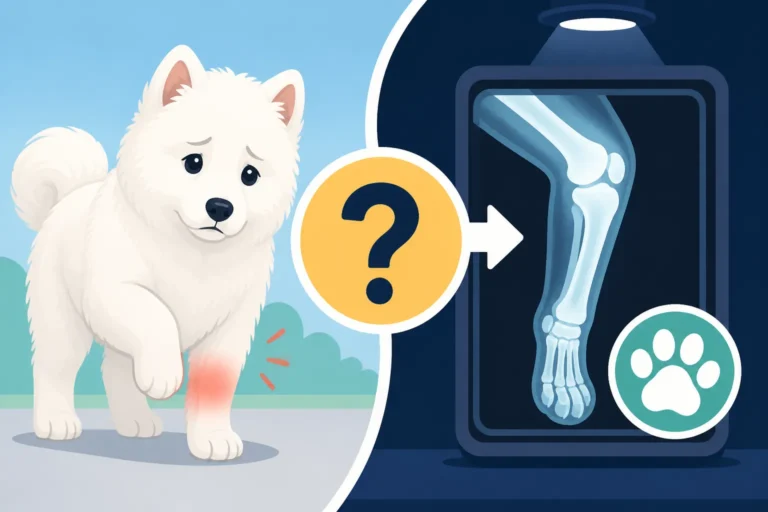
Because Samoyeds are so adept at hiding pain, recognizing subtle discomfort is paramount. A slight limp that comes and goes, a reluctance to use stairs they once bounded up, or a change in how they sit or lie down could all be indicators of developing arthritis. They might lick a particular joint more often, or even shiver slightly when moving in certain ways. They might also become less enthusiastic about being petted in certain areas.
If your Samoyed used to jump onto the sofa with ease and now hesitates, or perhaps needs a little help, it's not just "getting old" – it could be an early sign of joint stiffness or pain. Changes in appetite or water consumption, even minor ones, can also be red flags, potentially indicating underlying health issues like kidney or thyroid problems. It’s important to remember that How a Samoyed Hides Illness Behind a Smile means you need to be their advocate, paying close attention to these quiet signals. If you're observing any of these shifts, a chat with your vet is definitely in order to rule out any treatable conditions and ensure your Samoyed remains as comfortable as possible.
Common Health Concerns in Senior Samoyeds
As Samoyeds move into their senior years, their bodies become more susceptible to certain health conditions. It's not a guarantee that your dog will develop all or even any of these issues, but being aware of them allows you to be proactive with veterinary care and early detection. Understanding these common ailments can help you and your vet tailor a preventative and supportive care plan that keeps your Samoyed thriving.
Many of these conditions can be managed effectively, especially if caught early. This is where those bi-annual vet visits become invaluable, allowing your vet to perform thorough examinations and recommend appropriate diagnostic tests. Thinking ahead about how to cover these costs, perhaps through a pet insurance provider like Healthy Paws, can also alleviate financial stress during an already emotionally challenging time.
Joint Problems and Mobility Issues
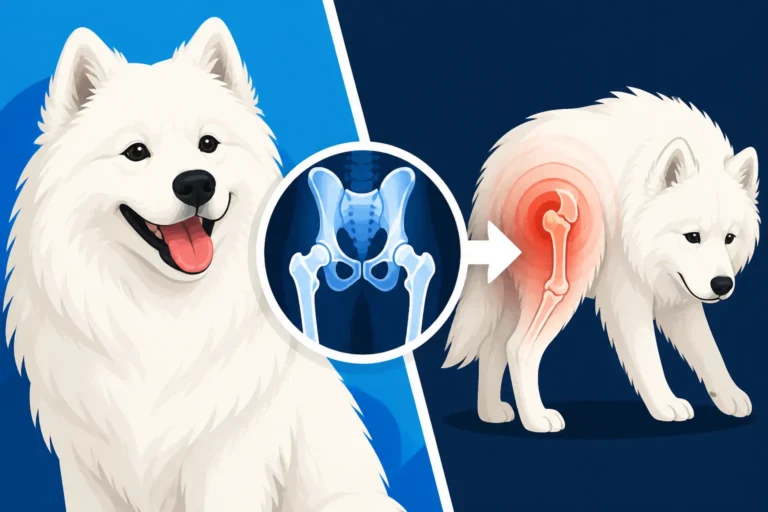
Arthritis is arguably one of the most widespread issues affecting senior Samoyeds. Years of activity, running, jumping, and pulling can take a toll on their joints. You might notice your Samoyed struggling to get up after resting, a general stiffness, especially in the mornings or after exercise, or a reluctance to jump into the car or climb stairs. While some degree of stiffness is normal with age, significant pain or reduced mobility isn't something they simply have to endure.
Managing arthritis often involves a multi-faceted approach. This can include anti-inflammatory medications prescribed by your vet, joint supplements containing glucosamine and chondroitin, controlled exercise, weight management, and physical therapy. Creating a comfortable environment with orthopedic beds and ramps for accessing furniture can also make a huge difference. For more insights, refer to Arthritis in an Older Samoyed. Early intervention can significantly slow the progression of joint degeneration and keep your Samoyed moving comfortably for longer.
Organ System Decline
As Samoyeds age, their internal organs, particularly the kidneys, liver, and heart, can become less efficient. Kidney disease is a silent threat, often showing no outward signs until it's quite advanced. This is why regular blood and urine tests are so crucial for senior Samoyeds. Your vet will monitor kidney function through specific markers in bloodwork and by checking urine specific gravity and protein levels. Whether a Samoyed Needs Yearly Kidney Bloodwork is a common question, and for seniors, the answer is almost always yes. Catching subtle changes in Whether a Samoyed's Creatinine Should Be Watched or elevated protein in their urine can allow for dietary changes or medication that can extend their quality of life.
Heart disease, such as degenerative valve disease, can also develop, leading to symptoms like coughing, reduced exercise tolerance, or fainting. Your vet will listen for heart murmurs during routine exams and may recommend further diagnostics like X-rays or an echocardiogram if concerns arise. Thyroid function can also decline, leading to hypothyroidism, which might manifest as weight gain, coat changes, or lethargy. Whether a Samoyed Needs Yearly Thyroid Bloodwork becomes an important consideration for older dogs. These conditions, while serious, are often manageable with medication and careful monitoring.
Cognitive Dysfunction and Sensory Changes
Just like people, older Samoyeds can experience cognitive decline, sometimes referred to as Canine Cognitive Dysfunction (CCD). This can present as disorientation, changes in sleep patterns, house-soiling accidents, decreased interaction with family members, or increased anxiety. It can be heartbreaking to see your intelligent, loving companion struggle with basic routines or forget familiar commands. Whether an Old Samoyed Gets Confused is a real and often distressing concern for owners.
Alongside cognitive changes, senior Samoyeds may experience a decline in their senses. Their eyesight might worsen, making them bump into furniture in dimly lit rooms, or their hearing may diminish, leading to them not responding to commands they once knew instantly. While these changes can be frustrating for both dog and owner, they can be managed with patience and environmental adjustments. Keeping furniture in consistent places, using hand signals alongside verbal commands, and providing familiar routines can help your Samoyed navigate their world more confidently. Certain diets and supplements may also help support brain health.
Adjusting Care for Your Senior Samoyed
Once your Samoyed officially enters their senior years, it's time to reassess their care routine. This isn't about dramatically overhauling everything but rather making thoughtful adjustments that support their changing needs and maximize their comfort. It's about being proactive and empathetic, ensuring their golden years are as enjoyable and pain-free as possible. From diet to exercise, every aspect of their daily life can benefit from a little senior-specific tweak.
This period is all about quality over quantity. While they might not be able to do everything they once did, we can help them enjoy what they can do with enthusiasm and without discomfort. A thoughtful approach now can prevent many issues down the line, ultimately extending the happy, healthy time you have together. This is where Caring for a Samoyed Past Nine truly comes into play.
Tailoring Diet and Nutrition
As Samoyeds age, their metabolism often slows down, and their activity levels may decrease. This means their caloric needs will likely reduce, making weight management even more critical. An overweight senior Samoyed puts extra strain on already aging joints and organs. Discuss with your vet whether a senior-specific dog food is appropriate. These diets often have fewer calories, lower fat, and adjusted protein levels to support muscle mass without overworking the kidneys, and they might include supplements for joint health. Feeding an Old Samoyed is a nuanced topic that requires careful consideration.
Monitoring their weight regularly at home and during vet visits is essential. Don't rely solely on visual checks, as their fluffy coat can hide weight gain effectively. Instead, learn to feel their ribs – you should be able to feel them easily but not see them protruding. You might also consider offering smaller, more frequent meals if they have a sensitive stomach, and ensure they always have access to fresh, clean water, especially if kidney function is a concern.
Adapting Exercise Routines
Gone are the days of marathon hikes or hours of intense sledding for most senior Samoyeds. While exercise remains vital for maintaining muscle mass, joint health, and mental stimulation, the intensity and duration need to be adjusted. Instead of one long, strenuous walk, consider two or three shorter, gentler strolls throughout the day. Focus on flat, soft surfaces rather than rough terrain or steep inclines.
Swimming can be an excellent low-impact exercise for senior Samoyeds, as it supports joints without bearing full weight. Mental stimulation, through puzzle toys or gentle training sessions, also becomes more important to keep their minds sharp. Even if your Samoyed still appears to have energy for a long trek, prioritize their long-term comfort. Over-exertion can lead to increased pain and recovery time, so it's best to err on the side of caution. Remember, Whether an Old Samoyed Still Wants to Work depends on the individual, but their bodies have limitations.
Environmental Adjustments for Comfort
Making your home more senior-friendly can significantly improve your Samoyed's quality of life. Consider investing in orthopedic dog beds that provide extra cushioning for aching joints. Ramps or pet stairs can help them access favorite couches, beds, or vehicles without painful jumps. Ensure they have non-slip surfaces, especially on slick floors like tile or hardwood, by using rugs or traction socks.
Easy access to food and water bowls can also make a difference. Elevated bowls can reduce strain on their neck and joints while eating. Keep their environment consistent to help those with cognitive decline. If their vision or hearing is deteriorating, avoid rearranging furniture, and be mindful of approaching them slowly and gently to avoid startling them. Creating a quiet, comfortable space where they can retreat when they feel overwhelmed or tired is also beneficial.
Maximizing Quality of Life for Your Senior Samoyed
Watching your beloved Samoyed age can be tough, but it also presents a wonderful opportunity to shower them with extra love, comfort, and specialized care. Maximizing their quality of life isn't just about managing health issues; it's about enriching their days, keeping them engaged, and ensuring they feel cherished every step of the way. It’s about celebrating every wag of their tail and every happy 'woo.'
The goal is to maintain their joy and comfort for as long as possible, recognizing that their needs are evolving. This proactive and compassionate approach can truly make their golden years shine, even if they're a little slower or need a bit more assistance.
Regular Veterinary Care and Monitoring
Consistent, proactive veterinary care is the cornerstone of a healthy senior life. As mentioned, most vets recommend twice-yearly check-ups for senior Samoyeds. These visits are vital for early detection of potential health problems, allowing for timely intervention. Your vet will conduct thorough physical exams, discuss any changes you've observed, and recommend age-appropriate diagnostic tests.
Common Senior Samoyed Health Screenings
| Test Type | Purpose | Frequency (Senior Samoyed) |
|---|---|---|
| Comprehensive Bloodwork | Assess organ function (kidney, liver), check blood cell counts, screen for diabetes. | Every 6-12 months |
| Urinalysis | Evaluate kidney function, check for urinary tract infections, diabetes. | Every 6-12 months |
| Thyroid Panel | Screen for hypothyroidism, which is common in older dogs. | Every 12 months |
| Blood Pressure | Screen for hypertension, which can impact kidneys and heart. | Every 12 months |
| Dental Exam | Check for dental disease, which can lead to systemic health issues. | Every 6-12 months (or more) |
| Pain Assessment | Identify subtle signs of arthritis or other chronic pain. | Every 6 months |
These regular screenings can catch issues like Diabetes in a Middle Aged Samoyed or early signs of kidney decline before they become critical. Don't hesitate to contact your vet between scheduled appointments if you notice anything unusual, as early detection is key for effective management. This vigilant approach ensures that any emerging health concern is addressed promptly, often preventing more serious complications down the road. Pet insurance plans, such as those offered by Healthy Paws, can be invaluable for helping manage the costs of these frequent check-ups and treatments for age-related conditions.
Mental Stimulation and Engagement
While their bodies might be slowing down, a senior Samoyed's mind still needs to be engaged. Mental stimulation is just as important as physical exercise for overall well-being. Continue with gentle training sessions, focusing on positive reinforcement and short durations to avoid tiring them out. Puzzle toys filled with healthy treats can provide hours of entertainment and problem-solving opportunities.
New scents on a sniff walk or a change in walking route can also be incredibly stimulating. Interactive play, even if it's just a gentle game of tug or rolling a soft toy, can keep them happy and connected. These activities help to combat cognitive decline and keep their spirits high. Keeping their minds active helps them feel purposeful and joyful, reminding them that they are still a vital part of the family.
Emotional Support and Companionship
Perhaps the most crucial aspect of caring for a senior Samoyed is providing unwavering emotional support and companionship. They might need more reassurance, especially if their senses are declining or they're experiencing cognitive changes. Maintain consistent routines, which can be very comforting for an aging dog. Spend quality time cuddling, grooming, or just being present in the same room.
Be patient with accidents or behavioral changes that might arise from age-related issues. Remember, your Samoyed has given you years of unconditional love; now it's your turn to provide that same boundless support. Their temperament is generally gentle, but they might become a bit more sensitive to changes or loud environments. A calm, loving presence is the greatest gift you can offer your senior Samoyed, helping them feel secure and cherished during their twilight years. For more on what to expect, consider reading The Twelve to Fourteen Years a Samoyed Lives.
The Emotional Journey for Samoyed Owners
Owning a Samoyed is an incredible journey filled with joy, laughter, and an abundance of fluff. As they transition into their senior years, that journey takes on a more reflective, and sometimes challenging, emotional dimension for us as owners. It’s natural to feel a mix of sadness, concern, and deep love as you navigate this new chapter. You might find yourself grappling with the reality of their mortality, even when they’re still full of smiles and tail wags.
This emotional aspect is often overlooked, but it's a very real part of owning a senior dog. It's important to acknowledge your feelings and understand that it's okay to mourn the loss of their youthful exuberance while still celebrating the wisdom and deep bond that comes with age.
Coming to Terms with a Samoyed's Aging
It can be difficult to accept that your vibrant, seemingly ageless Samoyed is indeed getting older. We often wish they could stay puppies forever. You might catch yourself reminiscing about their puppy antics or their prime adventuring years. This nostalgia is a natural part of the process. It's a testament to the profound impact they've had on our lives.
The challenge lies in balancing these nostalgic feelings with the present reality. Your senior Samoyed might not be able to join you on those epic mountain hikes anymore, but they can still enjoy a gentle stroll around the neighborhood or a cozy afternoon nap beside you. Learning to adjust your expectations and finding joy in their current capabilities, rather than focusing on what they can no longer do, is a significant step in this emotional journey. It’s about cherishing every single moment you have left with them.
Dealing with Health Challenges and Decisions
One of the most emotionally taxing aspects of owning a senior Samoyed is facing the inevitable health challenges that may arise. From managing chronic pain to making difficult decisions about treatments, these can weigh heavily on your heart. It's easy to feel overwhelmed, guilty, or even resentful at times, especially when your previously healthy companion starts requiring more medical attention and care.
It's crucial to lean on your veterinarian for guidance and support during these times. They can help you understand prognoses, treatment options, and most importantly, your Samoyed's quality of life. Making decisions about their comfort, especially if they are in pain, is one of the hardest parts. Remember that you are their advocate, and your primary responsibility is to alleviate suffering and ensure they have the best possible quality of life for as long as possible. Sometimes, knowing Whether an Affected Samoyed Should Be Euthanized Early becomes a heart-wrenching consideration. Trust your instincts and the advice of your veterinary team.
Cherishing Every Moment
Despite the challenges, the senior years with your Samoyed can be incredibly rewarding. The bond deepens, and there's a profound sense of mutual understanding. They rely on you more, and you become even more attuned to their needs and subtle cues. These quiet years offer a unique opportunity for connection and reflection.
Take extra photos, record videos, and simply spend time soaking in their presence. Their affectionate nudges, their contented sighs, and that ever-present Samoyed smile will become even more precious. You'll learn to appreciate the slower pace and the quiet companionship. The love you share with your Samoyed only grows stronger with age, and cherishing these moments ensures that their final years are filled with comfort, happiness, and unwavering love. Knowing When an Old Samoyed Has Had Enough is a hard but necessary step in this journey, reminding us to savor every moment until that time comes.
Disclaimer
The information provided in this article is for general informational purposes only and is not a substitute for professional veterinary advice. Always consult with a qualified veterinarian for any health concerns or before making any decisions about your Samoyed's medical care or treatment.