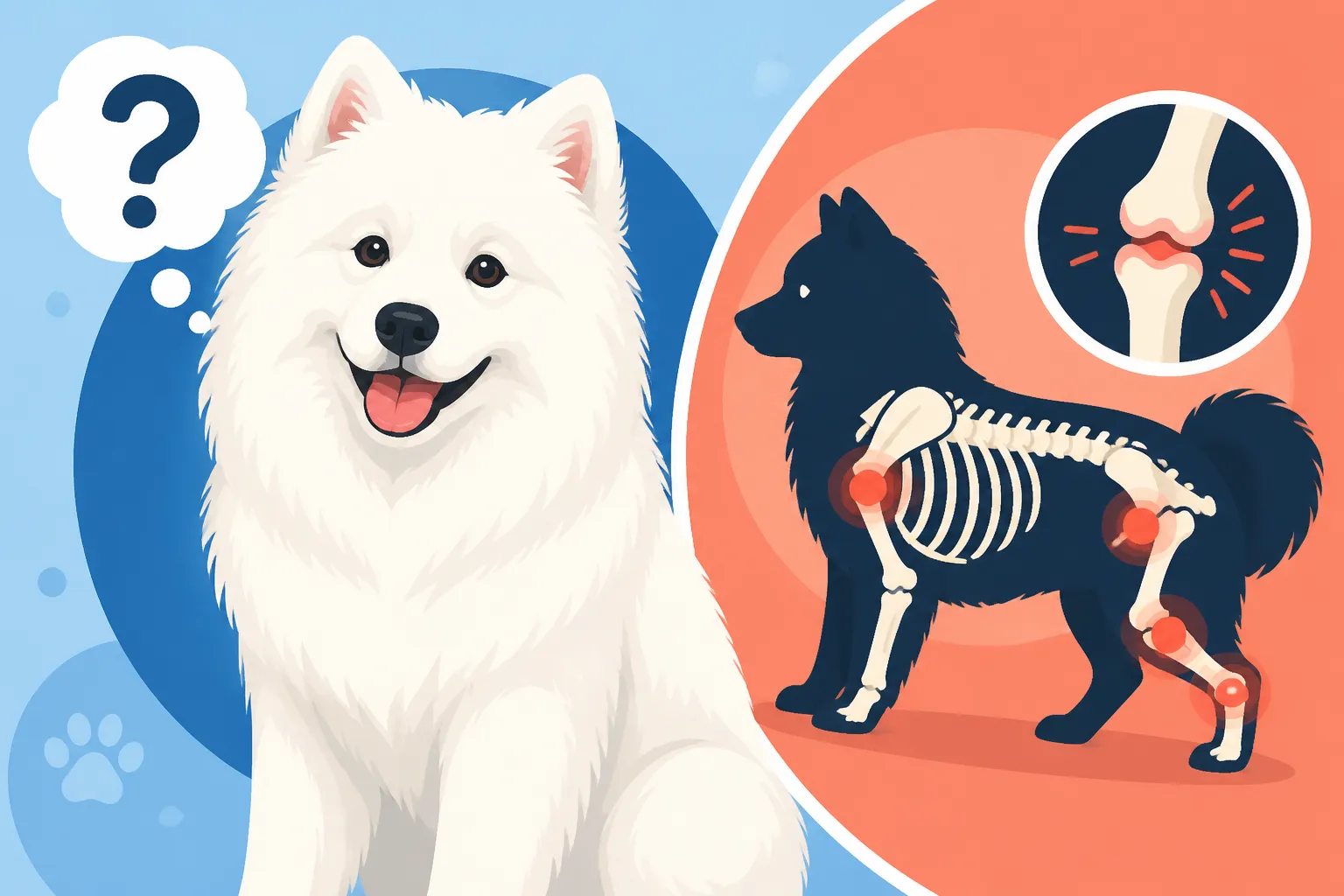
Whether Oculoskeletal Dysplasia Affects Samoyeds
It's incredibly disheartening when you start digging into potential health issues for your beloved Samoyed, and you stumble upon conditions like Oculoskeletal Dysplasia. The worry is immediate and intense – could my fluffy cloud of joy be at risk for something that affects both their eyes and their bones? This guide aims to thoroughly explore Oculoskeletal Dysplasia, its relevance (or lack thereof) to the Samoyed breed, and what you, as a loving owner, really need to focus on to keep your Sammy healthy and happy.
Understanding Oculoskeletal Dysplasia (OSD)
When we talk about Oculoskeletal Dysplasia, it sounds like a mouthful, and the name itself can conjure up a lot of anxiety. It's a serious condition, but understanding what it truly means is the first step to knowing if it's something you genuinely need to worry about with your Samoyed. Let's break it down.
What Exactly is OSD?
Oculoskeletal Dysplasia is a group of inherited genetic disorders that primarily affect a dog's eyes (oculo-) and skeleton (-skeletal), leading to developmental abnormalities. These conditions are typically characterized by features like disproportionate dwarfism, meaning the dog's limbs might be shorter or abnormally shaped compared to its body. Simultaneously, affected dogs often present with eye anomalies, which can range from retinal detachment and cataracts to more severe forms of blindness. It's not just a single disease, but rather a spectrum of conditions with similar manifestations, all stemming from specific genetic mutations that interfere with normal development. The severity can vary, but generally, OSD is a debilitating condition that significantly impacts a dog's quality of life.
Symptoms and Clinical Signs of OSD
The signs of OSD can become apparent fairly early in a dog's life, sometimes even in puppyhood. From a skeletal perspective, you might notice disproportionately short limbs, often with bowed or malformed bones. The dog might have an abnormal gait or difficulty moving around, perhaps struggling with jumping or climbing. Their joints might appear swollen or have limited range of motion. On the ocular side, signs can include cloudiness in the eyes, which could indicate cataracts, or a pupil that doesn't react normally to light. In more severe cases, complete retinal detachment can occur, leading to sudden blindness. It’s crucial to understand that these symptoms don’t all have to be present for a dog to be affected, and they can manifest with varying degrees of severity. Any unusual gait, difficulty with vision, or changes in eye appearance should always warrant a prompt visit to your veterinarian.
Breeds Primarily Affected by OSD
Now, here’s where a collective sigh of relief might be in order for many Samoyed owners. While OSD is a real and serious condition, it is primarily associated with specific breeds, and thankfully, the Samoyed is generally not one of them. Breeds where OSD is more commonly found include Labrador Retrievers, particularly a form known as OSD1 or Retinal Dysplasia/Oculoskeletal Dysplasia 1, and various types of dwarfism in breeds like the Alaskan Malamute and Samoyed that were formerly misidentified and later linked to other skeletal disorders. Certain chondrodystrophic (cartilage development defect) breeds, like some forms of Poodles, also have related conditions. It's vital to differentiate between generic skeletal or eye problems and the specific genetic conditions grouped under OSD. The genetic mutations responsible for OSD in breeds like Labradors are well-studied, and DNA tests are readily available for breeders of those affected lines to screen their breeding stock.
OSD and the Samoyed Breed
It's natural to worry about any potential health issue that could affect your furry family member, especially when you see information about serious genetic conditions. However, the good news regarding OSD and Samoyeds is quite reassuring.
Why Samoyeds Are Not Typically Associated with OSD
When you look at the documented genetic health concerns for Samoyeds, OSD simply doesn't feature prominently, if at all. The Samoyed breed does have its own specific genetic predispositions that responsible breeders focus on, such as The Kidney Disease That Kills Samoyed Males Before Fifteen Months or certain eye conditions, but OSD isn't part of that list. This is largely because the genetic mutations causing OSD in other breeds have not been identified as prevalent, or even present, within the Samoyed gene pool. Canine health organizations and breed clubs, like the Samoyed Club of America, meticulously track health concerns and recommend specific health clearances for their breed. For Samoyeds, these generally include evaluations for hips, eyes, and certain genetic tests. OSD is not on the standard recommended health testing panel for Samoyeds because the breed has not shown a significant incidence of the specific genetic form of this disorder.
Other Eye and Skeletal Conditions Samoyeds Face
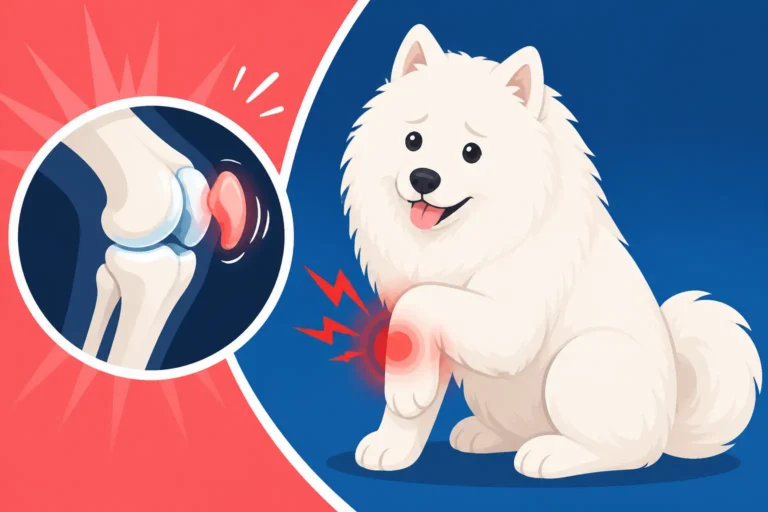
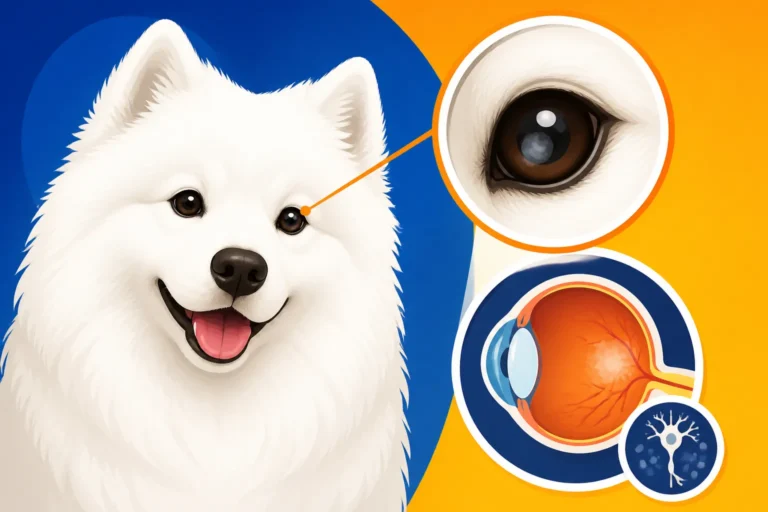
While OSD itself isn't a primary concern for Samoyeds, it doesn't mean they are entirely free from eye or skeletal issues. Like many purebred dogs, Samoyeds can be prone to other conditions that might have similar symptoms to some aspects of OSD but are distinctly different diseases. For example, Samoyeds can be affected by Progressive Retinal Atrophy in a Samoyed, a group of degenerative diseases that cause the retina to gradually waste away, leading to blindness. They can also get Retinal Dysplasia in a Samoyed, which is an abnormal development of the retina. On the skeletal side, Hip Dysplasia in a Samoyed is a well-known concern, where the hip joint doesn't form correctly, leading to arthritis and pain. Other orthopedic issues, such as elbow dysplasia or patellar luxation, can also occur, though less commonly than hip dysplasia. This is why a comprehensive approach to health testing and regular veterinary care is so vital. Understanding what truly affects Samoyeds allows owners and breeders to focus their efforts on preventing and managing the real threats to the breed's health.
The Importance of Reputable Breeding and Health Clearances
Given that Samoyeds have their own set of potential health challenges, finding a reputable breeder who conducts comprehensive health clearances is paramount. A responsible breeder will be transparent about the health history of their breeding stock, including not just the immediate parents but also several generations back. They perform screenings such as OFA (Orthopedic Foundation for Animals) certifications for hips and elbows, and CERF (Canine Eye Registration Foundation) or ECVO (European College of Veterinary Ophthalmologists) eye examinations to check for conditions like PRA or retinal dysplasia. They will also be up-to-date on DNA tests for conditions specific to Samoyeds, such as The COL4A5 Test Every Samoyed Buyer Should Ask About for Samoyed Hereditary Glomerulopathy. While these specific tests aren't for OSD, they demonstrate a commitment to producing healthy puppies. It's a green flag when a breeder can provide documentation for these clearances and discuss the results openly. Don't be shy about asking for proof; a good breeder will appreciate your diligence and desire for a healthy puppy.
Diagnosing and Managing Eye and Skeletal Issues in Samoyeds
Even with the best breeding practices, health issues can sometimes arise. Knowing how to recognize problems and what steps to take for diagnosis and management is crucial for any Samoyed owner.
Early Detection and Veterinary Consultations
One of the most powerful tools in your arsenal as a Samoyed owner is attentive observation and consistent veterinary care. Samoyeds are stoic creatures, often hiding discomfort or illness behind their famous "Samoyed smile," which can make early detection tricky. Regularly observing your dog's gait, how they rise from a lying position, their enthusiasm for walks, and any subtle changes in their eyes or vision can provide early clues. Signs like excessive tearing, squinting, rubbing at their eyes, clumsiness, reluctance to jump, or a decrease in activity level should never be ignored. Annual wellness exams with your veterinarian are non-negotiable, and don't hesitate to schedule an appointment if you notice anything out of the ordinary. Your vet can perform routine checks that might catch issues before they become severe. For instance, they might suggest Why a Samoyed's Urine Should Be Tested Young to catch early kidney issues, or listen to their heart for signs of conditions like Aortic Stenosis in a Samoyed.
Diagnostic Tools for Eye and Skeletal Health
When a concern arises, your veterinarian has a range of diagnostic tools at their disposal. For skeletal issues, X-rays are a primary method for evaluating joint health, identifying hip or elbow dysplasia, or looking for signs of arthritis. In some cases, more advanced imaging like MRI or CT scans might be recommended for a detailed look at bone, cartilage, and soft tissue structures. For eye conditions, a veterinary ophthalmologist is your best friend. They can perform a thorough eye examination, including checking for cataracts, retinal abnormalities, glaucoma, and other issues. This might involve dilating the pupils, using specialized lights, and even performing electroretinography (ERG) to assess retinal function, especially for conditions like Progressive Retinal Atrophy. Genetic testing, as mentioned before, plays a huge role in responsible breeding and can sometimes help diagnose or confirm specific inherited conditions in an individual dog, such as the aforementioned kidney disease or certain forms of PRA.
Supporting a Samoyed with Health Challenges
If your Samoyed does receive a diagnosis for an eye or skeletal condition, remember that you're not alone, and there are many ways to support them. Management often involves a multi-faceted approach tailored to the specific condition. For orthopedic issues like arthritis secondary to hip dysplasia, this could mean pain management medication, anti-inflammatory drugs, joint supplements, weight management, and physical therapy. Special ramps or steps can help a dog with mobility issues navigate stairs or furniture. For eye conditions, treatment can range from medicated eye drops for conditions like glaucoma to surgical intervention for cataracts or retinal reattachment (though this is often complex and not always successful).
It's in these moments that having a reliable pet insurance plan can truly be a lifesaver. Companies like Healthy Paws can help significantly offset the costs of specialist consultations, diagnostic tests, medications, and surgeries. Without such support, managing chronic conditions can place an immense financial burden on owners, sometimes forcing difficult decisions. Think of it as investing in your peace of mind and your Samoyed's future well-being, allowing you to focus on their care rather than worrying about the bill.
Proactive Steps for Samoyed Owners
Being a Samoyed owner is a journey filled with joy, fluffy cuddles, and sometimes, a bit of worry about their health. But by taking proactive steps, you can significantly increase the chances of your Samoyed living a long, healthy, and happy life.
Choosing a Responsible Samoyed Breeder
This cannot be stressed enough: the single most important decision you'll make regarding your Samoyed's health is choosing a responsible breeder. A good breeder is dedicated to the health and betterment of the breed, not just making a quick sale. They will perform all recommended health clearances on their breeding dogs, including OFA evaluations for hips and elbows, eye certifications (CERF/ECVO), and any available DNA tests for breed-specific genetic conditions. They'll be transparent, willing to share documentation, and happy to answer your questions about the health history of their lines. They will also be eager to educate you on potential breed-specific issues, like Why Samoyed Hereditary Glomerulopathy Only Devastates the Boys, and how they work to minimize risks. Steer clear of breeders who make excuses for not testing, claim their dogs are "too healthy" to need tests, or offer puppies at unusually low prices without proof of clearances. These are often red flags that indicate a lack of commitment to ethical breeding practices.
Regular Health Monitoring and Lifestyle Choices
Once your Samoyed is home, ongoing care becomes your responsibility. This includes providing a high-quality diet appropriate for their age and activity level, ensuring they maintain a healthy weight (as obesity can exacerbate skeletal issues), and consistent exercise. Samoyeds need regular exercise to maintain muscle tone and joint health, but it should be appropriate for their age and physical condition. A young Samoyed might enjoy vigorous play and walks, while an older one might need gentler, shorter strolls. You should also be mindful of Caring for a Samoyed Past Nine and how their needs change as they age.
Regular veterinary check-ups are essential, ideally once a year for adult dogs and more frequently for puppies and seniors. These visits are critical for early detection of potential health problems. During these appointments, your vet will perform a comprehensive physical exam, check their weight, listen to their heart and lungs, and discuss any concerns you might have noticed. They might recommend routine blood work, especially as your dog ages, to monitor organ function and catch issues like Diabetes in a Middle Aged Samoyed early on. Don't forget their teeth! Regular dental care, either through brushing at home or professional cleanings, can prevent a host of health problems.
The Value of Pet Insurance
Let's be realistic: vet care can be expensive, especially when unexpected illnesses or accidents occur. Pet insurance isn't just for emergencies; it can be incredibly helpful for managing chronic conditions or ongoing diagnostic work. Investing in a good pet insurance policy, like those offered by Healthy Paws, when your Samoyed is young and healthy can provide invaluable financial peace of mind throughout their life. Most policies have a waiting period, so enrolling early ensures that any future conditions aren't considered pre-existing. While OSD may not be a common Samoyed issue, having insurance means you're prepared for whatever health challenges might come their way, from an unforeseen accident to other genetic conditions that are more common in the breed. It allows you to make decisions based on what's best for your dog's health, rather than what your wallet can currently afford.
| Condition | Primary System Affected | Typical Samoyed Relevance | Common Signs/Symptoms | Diagnostic Method |
|---|---|---|---|---|
| Oculoskeletal Dysplasia (OSD) | Eyes & Skeleton | Very Rare / Not Breed Specific | Disproportionate dwarfism, limb deformities, blindness, retinal detachment | Genetic testing (not for Samoyeds), X-rays, eye exams |
| Hip Dysplasia | Skeleton | Moderate | Lameness, "bunny hopping," difficulty rising, pain, arthritis | X-rays (OFA certification) |
| Progressive Retinal Atrophy (PRA) | Eyes | Moderate | Night blindness, loss of vision over time, dilated pupils, tapetal reflection | Ophthalmic exam, ERG, genetic test |
| Retinal Dysplasia | Eyes | Moderate | Retinal folds, geographic lesions, sometimes blindness | Ophthalmic exam |
| Hereditary Glomerulopathy (COL4A5) | Kidneys | Significant | Protein in urine, excessive thirst, weight loss, kidney failure | Urine test, specific DNA test |
| Diabetes Mellitus | Endocrine | Moderate | Excessive thirst & urination, sudden weight loss, lethargy, cataracts | Blood & urine tests |
Disclaimer
This article is intended for informational purposes only and does not constitute professional veterinary advice. Always consult with a qualified veterinarian for any health concerns or before making any decisions about your pet's health or treatment.