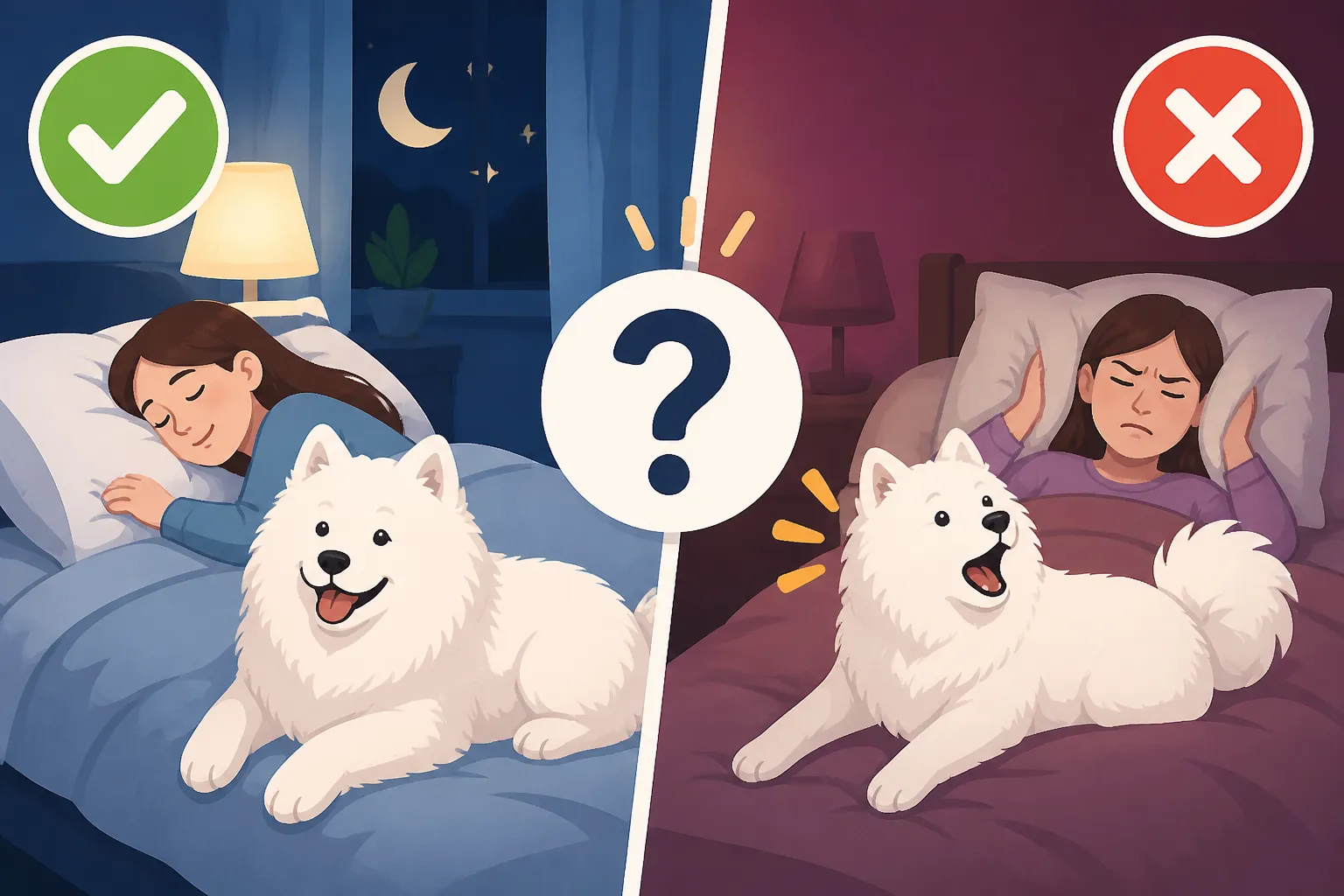
Whether a Samoyed Sleeps in the Bedroom
It’s a common dilemma for Samoyed owners, isn't it? That fluffy, smiling face looking up at you with those deep, dark eyes as you head to bed, silently asking if they can join you. Many of us grapple with whether our beloved Samoyeds should sleep in the bedroom with us, balancing our desire for closeness with the practicalities of a good night's rest and setting healthy boundaries. This guide will explore the unique bond you share with your Samoyed and help you decide where your furry family member should spend their nights for everyone's well-being.
The Samoyed's Innate Desire for Closeness
Let's face it, Samoyeds are not known for their independence. These dogs were bred for centuries by the Nenets people of Siberia to be true partners, living and working alongside their human families. This isn't just a cute quirk; it's deeply ingrained in their genetic makeup. They weren't just sled dogs or herders; they were tent warmers, companions that slept right in the chum (tent) with their people to provide warmth and security during brutal Siberian winters.
A History of Co-Existing with Humans
Imagine temperatures plummeting far below zero. In such an environment, a thick-coated Samoyed wasn't just a pet; it was a living, breathing hot water bottle. Families would huddle with their dogs, benefiting from their body heat to survive the night. This isn't a forgotten instinct; it's very much alive in your Samoyed today. They thrive on close proximity, and for many, the idea of being separated from their "pack" (you!) at night can be a source of genuine distress. It’s why you might find your Samoyed Why a Samoyed Follows You From Room to Room throughout the day, always wanting to be in the same space.
This historical role also means they often form incredibly strong bonds with their primary caregivers. You might find that your Samoyed seems to have a favorite human, though they'll usually shower everyone with affection. This isn't to say they can't be content elsewhere, but understanding this deep-seated need for connection helps explain why they might whine at the bedroom door or try to sneak onto your bed at the first opportunity. They’re simply trying to fulfill what their ancestors knew as normal and necessary.
How Samoyed Temperament Influences Sleep Habits
Beyond their ancient history, the typical Samoyed temperament plays a huge role in their nighttime desires. They are known for being incredibly social, affectionate, and people-oriented. They're not the kind of dog that's content to be left entirely to their own devices for long stretches, day or night. This friendliness and desire for interaction extends to their sleeping habits.
For many Samoyeds, sleeping in the same room as their human means feeling safe, secure, and truly a part of the family. If they're relegated to another part of the house, especially behind a closed door, it can trigger feelings of isolation. This isn't just "being spoiled"; it's how they're wired. Some Samoyeds, particularly younger ones or those prone to Separation Anxiety in a Samoyed, might become quite vocal if left alone at night. This vocalization isn't necessarily disobedience; it's often an expression of their discomfort at being separated. They might The Noise a Samoyed Makes When Left Alone, which can be a real disruption for both you and your neighbors.
Weighing the Pros and Cons of Bedroom Sleep
Deciding whether your Samoyed sleeps in your bedroom is a personal choice, and there are valid reasons for both yes and no. It’s important to consider what works best for your household, your lifestyle, and your Samoyed’s individual personality.
The Benefits of a Shared Sleep Space
Let's start with the heartwarming stuff. For many Samoyed owners, having their furry friend in the bedroom brings a profound sense of comfort and companionship. There's something incredibly reassuring about feeling their presence nearby, hearing their soft snores, or knowing they're just a hand's reach away.
- Enhanced Bonding: Sharing your sleep space can strengthen the bond you have with your Samoyed. This quiet, intimate time reinforces their sense of belonging and helps them feel more connected to you. It's an extension of that all-important connection they crave throughout the day. This is particularly true if your Samoyed tends to How a Samoyed Bonds to One Person very deeply, as this dedicated nighttime presence can really solidify that connection.
- Reduced Anxiety for Your Samoyed: For Samoyeds prone to anxiety or those who simply detest being alone, sleeping in your bedroom can be a huge comfort. It mitigates feelings of loneliness and can prevent nighttime Separation Anxiety in a Samoyed from developing or worsening. A Samoyed who feels secure is a much calmer, happier dog.
- Early Detection of Issues: Believe it or not, having your Samoyed close by at night can sometimes alert you to potential health issues sooner. Changes in breathing, unusual restlessness, or subtle signs of discomfort might be noticed more quickly if they're right next to you compared to a different room. Of course, they are also prone to How a Samoyed Hides Illness Behind a Smile, so any small change is worth noting.
- Mutual Comfort: Let’s be honest, many of us sleep better with our dogs nearby. Their steady breathing, the warmth of their body, and their protective presence can be incredibly soothing, helping us relax and drift off to sleep.
Potential Drawbacks and Challenges
Now for the realistic side. While the idea of a fluffy Samoyed snuggled up beside you sounds idyllic, it's not always a perfect picture. There are some genuine challenges that can arise from having a large, furry dog in your private sleep sanctuary.
- Sleep Disruption: This is probably the biggest concern for most people. Samoyeds can snore, dream-bark, shift around, get up for water, or even get the "zoomies" in the middle of the night if they haven't had enough exercise. Their shedding, which is considerable, can also contribute to dust and allergens in your sleep environment, potentially affecting your breathing or triggering allergies.
- Space Invasion: Samoyeds are not small dogs. Even if they have their own bed, they have a way of expanding to take up more space than you ever thought possible. If they're on your bed, you might find yourself clinging precariously to the edge, or waking up with a furry head on your pillow. A king-sized bed might feel like a twin once a Samoyed decides to sprawl out.
- Hygiene Concerns: Despite their naturally clean coats, dogs bring in dirt, dander, and sometimes even fleas or ticks (even with preventative measures). Having them on your bed or very close can mean more frequent bedding changes and deeper cleaning, especially if they’ve just come in from a rainy walk. For a breed like the Samoyed, known for their beautiful white coat, keeping things pristine can be a constant battle.
- Difficulty Establishing Boundaries: If you start with your Samoyed in your bed, it can be incredibly difficult to move them out later. They quickly learn what they're allowed to do and will resist changes. This can lead to whining, scratching at the door, or even destructive behavior if they're suddenly denied access to what they consider their rightful place. Remember, Training a Samoyed That Finds Obedience Negotiable can be a marathon, not a sprint, and consistency is key from day one.
Setting Up the Ideal Sleep Environment for Your Samoyed
Whether you decide your Samoyed is a bed-sharer, a bedroom-sleeper-on-the-floor, or a happy inhabitant of another part of the house, creating a comfortable and consistent sleep environment is crucial. This is about meeting their needs while also ensuring you get your rest.
Choosing the Right Sleep Spot
The "right" spot is subjective, but it always involves safety, comfort, and consistency.
- In Your Bed: If you choose this option, embrace it fully. Ensure your bed is large enough for everyone to be comfortable. Invest in durable, washable bedding, and be prepared for regular laundry days. Many owners swear by waterproof mattress protectors underneath their sheets, just in case.
- A Dog Bed in Your Bedroom: This is a popular compromise. Your Samoyed gets to be in the same room as you, benefiting from your presence, but has their own designated space. Look for a large, supportive dog bed that cushions their joints, especially as they get older. orthopedic beds with memory foam are excellent choices for larger breeds. You can find a huge variety of options, from basic to luxurious, on platforms like Amazon. Just make sure it’s big enough for them to stretch out fully.
- Crate Training for Nighttime: Crate training is a fantastic tool for Samoyeds, especially puppies. A crate provides a den-like, secure space that can become their sanctuary. It's also invaluable for house training, as dogs are less likely to soil their sleeping area. For an adult Samoyed, a What a Crate Sized for a Samoyed Costs needs to be spacious enough for them to stand, turn around, and lie down comfortably. Many Samoyed owners find that starting with a crate helps tremendously with establishing a routine and giving their dog a secure place to rest. Whether a Samoyed Puppy Should Be Crated is often a resounding yes from experienced owners and trainers. This method can also help mitigate Separation Anxiety in a Samoyed as it teaches them to be comfortable in their own space, even if you are nearby.
Essential Sleep Accessories
Once you've picked a spot, gear it up!
- Comfortable Bedding: Whether it's a dedicated dog bed or blankets in a crate, comfort is key. Look for machine-washable covers. For Samoyeds, who have such thick coats, breathability can also be a factor, so look for materials that don't trap too much heat.
- Water Bowl: Always have fresh water available, even at night. A spill-proof bowl is a good idea, especially if it's on carpet.
- Calming Aids: If your Samoyed struggles to settle, consider a white noise machine to block out external sounds, or even a dog-specific calming pheromone diffuser. Some owners use an elevated bed or cot, which can provide airflow underneath their dense coat, helping them stay cooler.
- Grooming Tools: Keep a brush or undercoat rake nearby. A quick brush before bed can reduce the amount of loose fur that ends up in your bed or floating around the room. Regular grooming is a big part of What a Samoyed Needs Every Day.
Managing Your Samoyed's Nighttime Behavior
Consistency is king when it comes to any form of dog training, and nighttime routines are no exception. Whatever you decide for your Samoyed's sleeping arrangements, stick to it. Mixed signals only confuse your dog and make training harder.
Establishing a Predictable Routine
Dogs thrive on routine, and Samoyeds are no different. A predictable evening schedule can make a world of difference in how well your dog settles down for the night.
- Evening Exercise: Ensure your Samoyed gets plenty of physical and mental stimulation during the day, with a final burst of activity in the evening. A tired dog is a good sleeper! This doesn't mean just a quick potty break; it means a proper walk, some playtime, or a training session that engages their mind. Remember, How Much Exercise Quiets a Samoyed often surprises new owners.
- Last Potty Break: Take your Samoyed out for a final potty break right before bed, every single night. This reduces the chances of nighttime accidents. This is particularly crucial for puppies who are still learning How Long a Samoyed Puppy Takes to House Train.
- Wind-Down Period: Just like humans, dogs benefit from a wind-down period. Avoid stimulating play right before bed. Instead, engage in quiet activities like gentle petting, a chew toy, or a short, calm cuddle session.
- Consistent Location: Decide where your Samoyed will sleep and stick to it. If it's a crate, lead them to it with a treat and praise. If it's their dog bed, encourage them to settle there.
- Verbal Cues: Use a consistent verbal cue like "bedtime" or "go to your place" to signal it's time to settle for the night. Over time, your Samoyed will associate this cue with winding down.
Addressing Nighttime Disruptions
Even with the best routine, Samoyeds can sometimes have nighttime "opinions."
- Whining or Barking: If your Samoyed whines or barks when you put them in their designated spot, especially if it's a crate or another room, it's essential to differentiate between genuine need (like needing to potty) and attention-seeking behavior. If you've met all their needs (potty, water, exercise), then ignore the attention-seeking behavior. Responding to it, even by scolding, teaches them that vocalizing gets your attention. This can be tough, especially if they unleash The Samoyed Scream and Why It Is Not Barking, but consistency is key. Resources from dog training platforms like BAXTER & Bella can offer excellent guidance on managing puppy and adolescent nighttime vocalization through positive reinforcement.
- Restlessness: If your Samoyed is restless, consider if they’re too hot, need water, or simply need to reposition. Sometimes a quick, calm potty break is all they need. If it’s a consistent issue, reassess their daytime exercise or consider a cooler sleeping surface.
- House Training Accidents: If accidents happen in the middle of the night, it might mean their last potty break wasn't effective, or they need more frequent breaks. For puppies, a middle-of-the-night potty trip is often necessary. If an adult Samoyed suddenly starts having accidents, a vet visit is in order to rule out any underlying health issues.
- Creating a "Spa Day" for Sleep: For Samoyeds that struggle to settle, consider investing in products designed for relaxation. Many owners find a comfortable, supportive dog bed helps. For example, a quality orthopedic dog bed found easily on Amazon can make a huge difference in comfort for a large breed like a Samoyed, particularly as they age. Some even respond well to calming chews or supplements if approved by your vet.
Table: Samoyed Nighttime Sleeping Options Comparison
| Feature | In Your Bed | Dog Bed in Bedroom | Crate in Bedroom (or nearby) | Crate in Another Room |
|---|---|---|---|---|
| Pros | Maximum bonding, mutual comfort, easy monitoring. | Close proximity, designated space, good compromise. | Secure den, excellent for house training, builds independence. | Builds highest independence, can reduce shedding in bedroom. |
| Cons | Potential for sleep disruption, hygiene concerns, space invasion. | Can still cause minor disruption, takes up floor space. | Initial training effort, takes up space, dog might resist initially. | Risk of separation anxiety, vocalization, less direct bonding time. |
| Samoyed's Preference | High (naturally seeks closeness) | High (still close to pack) | Varies (often accepts after training) | Low (prefers proximity) |
| Human Effort | High (cleaning, space compromise) | Medium (regular cleaning) | Medium (training, setup) | High (dealing with potential distress) |
| Ideal For | Deep sleepers, owners who love closeness, smaller Samoyeds (rare). | Most owners seeking a balance, older Samoyeds. | Puppies, dogs needing structure, escape artists. | Highly independent Samoyeds, owners with allergies. |
Ultimately, the decision of whether your Samoyed sleeps in the bedroom is yours alone. There's no single right answer, only what's right for you and your furry companion. The key is to make a thoughtful choice, establish clear boundaries, and be consistent with your routine. Your Samoyed's happiness and your own peace of mind depend on it.
Disclaimer
This article is for general informational purposes only and does not constitute professional advice. Laws, prices and regulations vary by location and change over time. Consult a qualified professional for guidance on your specific situation.