Water, Shade and the Summer Plan for a Samoyed
The summer months can be a beautiful time for many of us, filled with long days and outdoor adventures. But if you share your life with a magnificent, fluffy Samoyed, you know that summer also brings a unique set of worries and challenges. That glorious double coat, so perfect for arctic winters, suddenly becomes a source of anxiety, and the sun-drenched backyard turns into a potential hazard. This guide is here to walk you through how to truly keep your beloved Sammy comfortable, safe, and happy when the temperatures climb, focusing on the absolute non-negotiables: constant fresh water, abundant shade, and a proactive summer plan.
Understanding Your Samoyed's Natural Climate and How It Impacts Summer
Let's face it, your Samoyed wasn't designed for blistering summer days. Their very essence is rooted in a world of ice, snow, and bone-chilling winds. Understanding this fundamental truth about their origins is the first step in creating a safe and comfortable summer for them in climates far removed from their ancestral home.
The Origins of the Samoyed: A Land of Ice and Snow
Imagine a place where winter doesn't just bite, it devours. The Samoyed breed hails from the vast, unforgiving expanses of Siberia, specifically the Yamal Peninsula. This region is home to the Nenets people, who developed these incredible dogs over thousands of years. Their lives, quite literally, depended on their Samoyeds, who were indispensable for herding reindeer, pulling sleds across endless frozen tundras, and even sharing their warmth in sleeping tents during blizzards that would swallow lesser beings whole. The climate here is characterized by extreme cold, often dipping to sixty degrees below zero, with long, dark winters and short, cool summers.
Every single cell in your Samoyed's body, every strand of their magnificent fur, is a testament to this incredible evolutionary journey. They developed a robust physique, powerful lungs, and a keen intelligence to survive and thrive in such harsh conditions. Their physiology is geared towards generating and retaining heat, a survival mechanism honed over millennia. This deep-seated heritage means that while they are adaptable and loving companions, their bodies are simply not equipped to dissipate heat as efficiently as breeds from warmer climates. They don't just "feel" the heat; their internal systems are actively battling against it in ways other dogs might not.
The Paradox of the Double Coat: Insulation for All Seasons
Perhaps the biggest misconception about Samoyeds, and often the source of well-meaning but misguided advice, revolves around their iconic double coat. Many people, upon seeing a Samoyed in summer, will immediately suggest shaving them to "cool them down." This couldn't be further from the truth, and it actually harms your dog's natural defense against heat.
A Samoyed's coat is a marvel of natural engineering. It consists of two distinct layers:
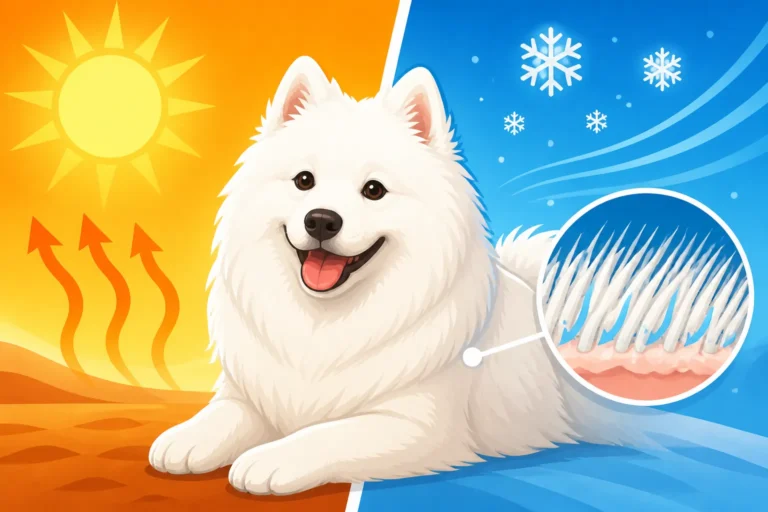
- The Outer Guard Hairs: These are long, coarse, and straight, designed to be weather-resistant. They shed dirt and moisture, protecting the undercoat and skin from the elements. Think of them as the roof tiles on a house. They also play a crucial role in reflecting sunlight, preventing the sun's rays from penetrating directly to the skin.
- The Dense Undercoat: This is a thick, woolly, and incredibly soft layer. It's so dense it almost feels like a cloud. This undercoat is what truly provides the insulation – and this is where the paradox comes in. In winter, this dense layer traps warm air close to the body, keeping the dog toasty. In summer, when properly maintained and groomed, it acts as a barrier against external heat. It traps a layer of cooler air next to the skin, preventing hot air from reaching it, much like the insulation in your house keeps it cooler in summer. It allows for air circulation, which helps with evaporative cooling. How a Samoyed's Double Coat Is Made Of delves deeper into this fascinating structure.
The key phrase here is "properly maintained and groomed." If the undercoat is matted, packed, or full of dead fur, it cannot perform its insulating function effectively. It becomes a thick, suffocating blanket that traps heat against the body, leading to rapid overheating. This is why brushing, which we'll discuss later, is so critically important in summer.
Why Modern Climates Are a Challenge for a Samoyed
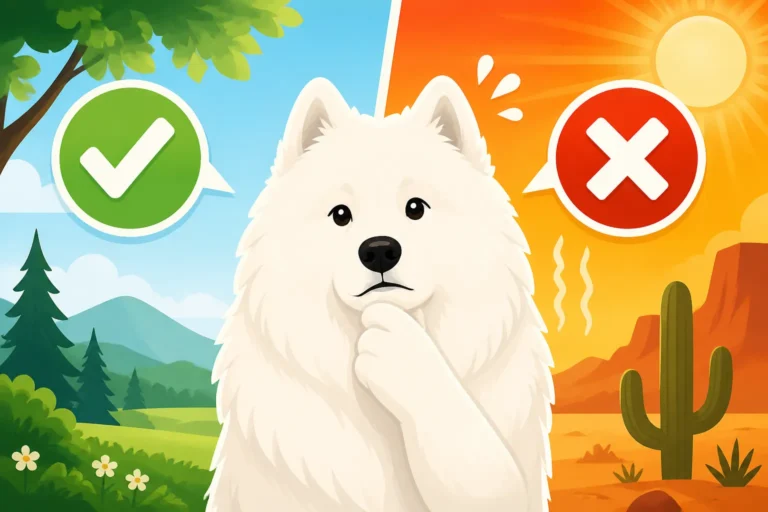
The challenge for Samoyed owners in contemporary society is that few of us live in Siberia. Most of us reside in areas with warm to hot summers, often accompanied by high humidity. This combination is particularly dangerous for a Samoyed.
In their native environment, even if temperatures rose, the air was typically dry. Dry air allows for efficient evaporative cooling through panting. When a Samoyed pants, moisture evaporates from their tongue and respiratory tract, drawing heat away from their body. However, in humid climates, the air is already saturated with moisture, making it much harder for this evaporation process to occur effectively. It’s like trying to dry clothes on a rainy day – it just doesn't happen efficiently.
This means your Samoyed is working twice as hard to cool down in an environment their body wasn't designed for. The heavy panting you observe isn't just a sign they're warm; it's a desperate attempt by their system to regulate a rising core temperature. It's a fight they can easily lose if we don't provide the right support. Validating this frustration is key: it's not "just a dog being hot," it's a dog with specific physiological needs battling an unsuitable climate. Their natural hardiness in cold weather makes their vulnerability in heat even more pronounced, leading many owners to underestimate the danger until it's too late.
The Absolute Essentials: Water and Shade
When the mercury climbs, water and shade transition from conveniences to absolute lifelines for your Samoyed. These aren't just suggestions; they are non-negotiable pillars of their summer survival plan.
The Critical Role of Constant Hydration
Imagine being incredibly thirsty on a hot day and not being able to reach a cool drink. That's a mild approximation of what your Samoyed might feel if water isn't readily available and plentiful. Adequate hydration is paramount for several reasons:
First, it supports efficient panting. Water loss through panting is how dogs cool themselves, and if they become dehydrated, their body can't produce enough moisture for this process to be effective. Second, water helps regulate internal body temperature by circulating through the system, absorbing heat, and allowing it to be released. Third, dehydration puts enormous strain on a Samoyed's organs, especially their kidneys, which are already susceptible to specific genetic conditions in the breed. Proper hydration supports overall organ function and blood volume, which are critical when the body is under heat stress.
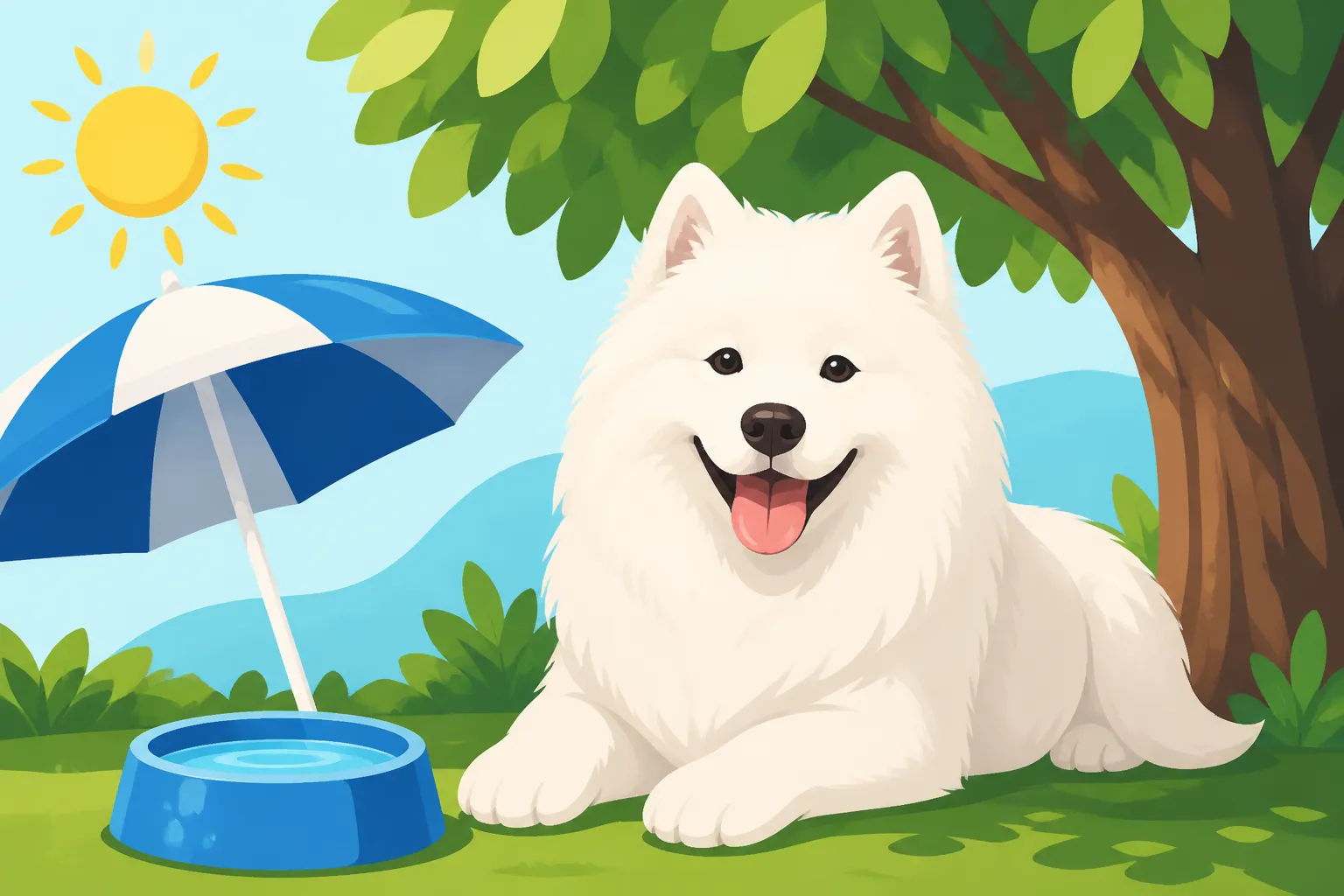
You should always have fresh, cool water available to your Samoyed, both indoors and outdoors. This means multiple bowls, strategically placed. Think about investing in large ceramic bowls that stay cooler longer, or even a pet-specific water fountain that encourages drinking and keeps the water circulating and fresh. Brands like Pioneer Pet or PetSafe offer various options that can be found on Amazon or Chewy. Consider getting a bowl with a wide base that's difficult to tip over, as a clumsy Samoyed can easily spill their only water source.
When you're out and about, whether it's a short walk or a trip to the park during cooler hours, always carry water with you. Collapsible silicone bowls or dedicated dog water bottles with attached drinking troughs are excellent investments. Don't rely on finding water sources spontaneously; always be prepared. How Much Water a Samoyed Needs in Summer is often more than you think, especially if they are even mildly active. Pay attention to how quickly their bowl empties. If it seems unusually fast, refill it immediately and consider adding another water station. Some Samoyeds are particular about water temperature, preferring it cool. Adding a few ice cubes to their indoor bowls can encourage more drinking, but avoid giving large quantities of ice water to a dog that is already overheated, as it can cause stomach upset.
Creating Dedicated Shade Havens
Sunshine feels lovely, but for a Samoyed, direct sun exposure, even on a mild day, can quickly lead to overheating. Their thick coats absorb solar radiation, trapping heat, and their dark skin, if exposed through thinner areas or shaving, is highly susceptible to sunburn. Shade is not just a preference; it's a necessity.
While a natural tree provides some shade, it's often not enough, especially as the sun moves throughout the day. You need to create dedicated shade havens that remain cool and protected regardless of the sun's position. Consider a large, sturdy pop-up canopy or a shade sail in your yard, positioned over a cool patch of grass or concrete. Even a large patio umbrella can work if anchored securely and big enough to provide ample coverage. For Samoyeds who spend time outdoors, a well-ventilated dog house or a sturdy, elevated dog bed placed under a permanent structure can provide respite.
Crucially, monitor the shade. What might be shaded at 9 AM will be fully exposed to the sun by 1 PM. If your Samoyed is outside, you need to be constantly aware of where the sun is and move them, or their shaded area, accordingly. Never assume they will move themselves if they are already feeling sluggish from the heat. The ground itself can retain heat, so try to choose shaded spots with grass or dirt rather than asphalt or dark paving stones, which can become scorching. Also, remember that radiant heat from nearby surfaces, even if your dog is in direct shade, can still contribute to overheating. Walls, fences, and concrete can radiate significant heat, creating a "hot spot" even in a visually shaded area. A simple hand test on the surface your Samoyed will be resting on is always a good idea. If it's too hot for your hand, it's too hot for them.
Crafting Your Samoyed's Summer Schedule
Living with a Samoyed in a warm climate means accepting that your daily routines will need a significant overhaul during the summer months. Their well-being depends on a thoughtfully planned schedule that prioritizes cooling and minimizes heat exposure.
Adjusting Exercise Routines for Cooler Hours
That joyful, energetic burst of enthusiasm your Samoyed has for walks and playtime is wonderful, but it needs to be strictly managed in summer. Strenuous exercise in heat rapidly elevates their core body temperature, pushing them quickly towards dangerous levels of heat stress.
The golden rule for summer exercise is this: early mornings and late evenings only. This typically means before 8:00 AM and after 8:00 PM, though this will vary greatly depending on your specific climate and local temperatures. Even then, you need to gauge the temperature and humidity. A seemingly mild evening can still be dangerous if the humidity is sky-high. Think about the surfaces you'll be walking on. Asphalt, concrete, and even dark-colored sidewalks absorb and retain heat throughout the day, becoming scorching hot even after the sun goes down. The "seven-second rule" is a great guideline: if you can't hold the back of your hand comfortably on the pavement for seven seconds, it's too hot for your Samoyed's paws. These delicate pads can blister and burn very quickly, leading to painful injuries.
When you do venture out, keep walks shorter and less intense. Focus on sniffing and exploring rather than long, brisk trots. Consider alternative, low-impact ways for them to burn off energy. If your Samoyed enjoys water, a swim in a clean, safe lake or a shallow, supervised kiddie pool in your yard can be a fantastic way to cool down and get some exercise. However, always supervise them closely, and make sure they can easily get out of the water. Some Samoyeds aren't huge fans of swimming, but many love to simply wade and splash. Whether a Samoyed Should Walk in Summer is a nuanced question, and the answer is usually "yes, but carefully." Avoid dog parks during daylight hours; the excitement and potential for overexertion, combined with lack of consistent shade and water, make them risky. Instead, explore shaded trails or large, grassy fields during the coolest times of the day.
Indoor Time: The Importance of Air Conditioning and Cooling Aids
Your home needs to be a sanctuary from the summer heat for your Samoyed. For most climates with true summer temperatures, air conditioning isn't a luxury; it's a necessity for a Samoyed. They simply cannot regulate their body temperature efficiently enough in consistently warm indoor environments.
Set your thermostat to a comfortable, cool temperature, typically between 70-75°F (21-24°C). If you're leaving your Samoyed alone during the day, resist the urge to turn off the AC to save money. The cost of an emergency vet visit for heatstroke will far outweigh any savings.
Beyond air conditioning, there are numerous cooling aids that can make a huge difference:
- Cooling Mats: These typically contain a gel that activates with pressure, providing a cool surface for your dog to lie on. Place them in your Samoyed's favorite resting spots. You can find a wide variety of these on Chewy or Amazon.
- Elevated Dog Beds: These beds lift your dog off the floor, allowing for air circulation underneath them. This simple change can make a surprising difference in comfort, especially if they enjoy lying on a patio or other hard surfaces.
- Fans: Strategic placement of floor fans or oscillating fans can help circulate air and create a refreshing breeze. Point them towards your Samoyed's resting areas.
- Creating "Cool Zones": Designate specific areas in your house as cool zones. This might be a tiled floor in the bathroom or kitchen, or a shaded corner near an air vent. Encourage your Samoyed to use these spots, perhaps by placing their favorite cooling mat or an elevated bed there.
- Damp Towels: A slightly damp (not soaking wet) towel placed on your Samoyed's belly or armpits can help them cool down, as these areas have less fur and more blood vessels close to the surface. Never cover their entire body, as this can trap heat.
Remember that even with AC, if your Samoyed is actively playing or wrestling indoors, they can still overheat. Monitor their panting and activity levels, and encourage quiet rest during the hottest parts of the day.
Avoiding Peak Heat Activities and Times
This point cannot be stressed enough: avoid peak heat at all costs. This means generally between 10 AM and 6 PM, but again, depends entirely on your local weather conditions. If the heat index is high, those times expand.
This isn't just about avoiding walks; it's about avoiding any situation where your Samoyed might be exposed to unnecessary heat or exertion.
- Dog Parks: We mentioned this earlier, but it bears repeating. The excitement, the unpredictable play, and the potential for a lack of shade or water make dog parks extremely risky during warm weather.
- Car Rides: Unless absolutely necessary, limit car travel. Even with the AC blasting, a car can quickly become an oven if parked or if the AC struggles to keep up. Never, ever, ever leave your Samoyed unattended in a car, not even for "just a minute." Temperatures inside a car can rise to life-threatening levels within minutes, even on a seemingly mild day with the windows cracked. This is a fatal mistake many owners tragically make.
- Outdoor Events/Patios: Resist the urge to bring your Samoyed to outdoor festivals, farmers' markets, or even shaded restaurant patios if the ambient temperature is too high. The ground will be hot, the air will be stagnant, and they'll have no way to properly cool down. This is especially true if there's a lot of pavement or asphalt, which radiates heat back up.
- Strenuous Play: Even in your own backyard, avoid fetching, vigorous tug-of-war, or extended playtime during peak heat. A Samoyed might love to play, but they won't always stop when they're truly overheated. It's your responsibility to monitor and enforce rest.
The message is clear: when the sun is high and the air is warm, your Samoyed needs to be indoors, ideally in an air-conditioned space, resting comfortably. Their enthusiasm for activity might make you feel guilty, but their safety comes first. A bored but safe Samoyed is infinitely preferable to an active and dangerously overheated one.
Nutrition and Diet Considerations for Summer
While food might not be the first thing that comes to mind when you think about keeping your Samoyed cool, their diet and feeding routine can play a subtle yet important role in their overall comfort and health during the warmer months. Adjusting how and what they eat can support hydration and prevent unnecessary internal heat generation.
Adjusting Food Intake and Type
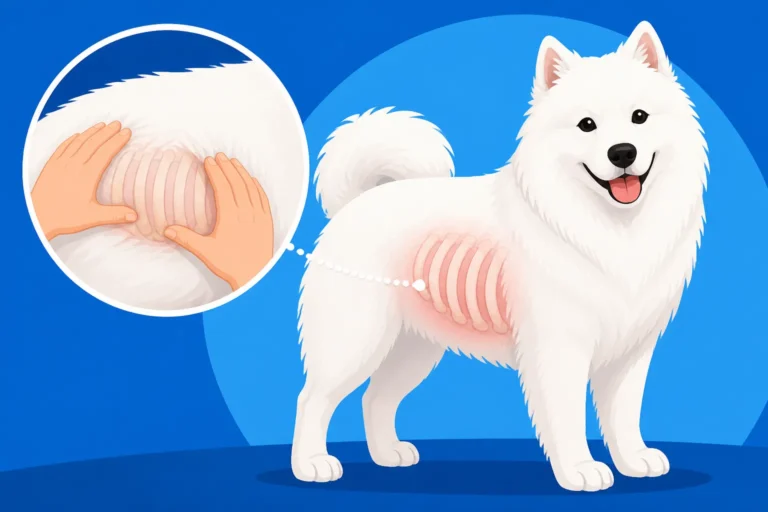
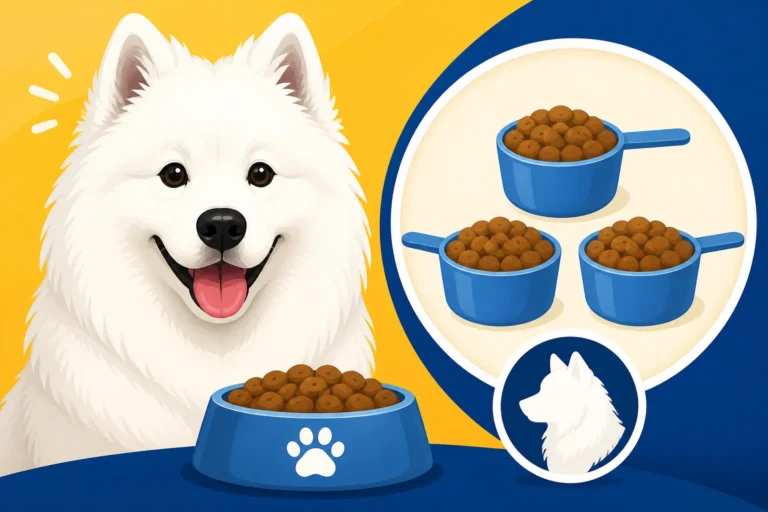
In general, dogs tend to be less active during hot weather, and a less active dog requires fewer calories. If your Samoyed is spending more time resting indoors and less time exercising, you might consider slightly reducing their food intake to prevent unhealthy weight gain. An overweight Samoyed will struggle even more with heat, as extra fat acts as an additional layer of insulation and their body has more mass to cool down. Regularly checking How Much a Samoyed Should Eat is important, especially when their activity levels fluctuate. Feeling for ribs under that thick coat is the best way to monitor their condition.
Beyond quantity, consider the type of food. Some owners find that feeding smaller, more frequent meals can be easier on their dog's digestive system during hot weather, reducing the metabolic heat generated from processing a large meal all at once. For some, incorporating more easily digestible food options might be beneficial. If you're considering a fresh food diet, brands like Ollie offer pre-portioned, human-grade meals that can be appealing and hydrating. However, any significant dietary changes should always be discussed with your veterinarian, especially if your Samoyed has any underlying health conditions. Regardless of the food type, ensure it's always fresh and never left out for extended periods in warm temperatures, as it can spoil quickly.
Hydrating Through Food and Frozen Treats
While free access to water is non-negotiable, you can also sneak in extra hydration through your Samoyed's food.
- Add Water to Kibble: If your Samoyed eats kibble, adding some warm water (then letting it cool) to create a gravy-like consistency can increase their daily water intake. Many dogs enjoy this added moisture and find it makes their food more palatable.
- Wet Food: Incorporating a portion of high-quality wet food into their diet can also boost hydration. Wet foods typically have a much higher moisture content than dry kibble.
- DIY Frozen Treats: These are fantastic for both hydration and entertainment.
- Ice Cubes: Plain ice cubes are a simple, safe treat. You can also freeze low-sodium broth (chicken or beef) or diluted fruit juices (like apple juice, ensuring no xylitol) into ice cube trays.
- Frozen Kongs: Stuff a Kong or similar chew toy with wet dog food, plain yogurt (unsweetened, no artificial sweeteners), mashed banana, or peanut butter (again, check for xylitol!), then freeze it. This provides a long-lasting, cooling diversion.
- Fruit Pops: Blend dog-safe fruits like watermelon (seedless), blueberries, or bananas with a little water or plain yogurt and freeze in molds or ice cube trays. These are refreshing and delicious.
These hydrating treats not only help keep your Samoyed cool from the inside out but also provide mental stimulation, which is extra important when outdoor activity is limited due to heat.
Recognizing Changes in Appetite or Thirst
It's vital to be observant during the summer months. Any significant change in your Samoyed's eating or drinking habits could be a red flag.
- Decreased Appetite: While a slight reduction in appetite during hot weather isn't uncommon due to lower activity levels, a complete refusal to eat, or eating only tiny amounts for more than a day, warrants attention. It could be a sign of heat stress, an upset stomach, or another underlying issue.
- Excessive Thirst: If your Samoyed suddenly seems constantly thirsty, emptying their water bowl far more rapidly than usual, this is a symptom to watch carefully. While they need more water in summer, a drastic increase can sometimes indicate health problems like diabetes or kidney issues. Signs a Samoyed Is Losing Protein in Its Urine or Diabetes in a Middle Aged Samoyed are serious concerns.
- Lethargy and Disinterest in Food/Water: If your Samoyed is unusually sluggish and shows no interest in even their favorite treats or water, it's a serious concern that could point to overheating or other illness.
Always err on the side of caution. If you notice any drastic or persistent changes, contact your veterinarian. Early intervention can make all the difference in preventing a minor issue from escalating into a serious health crisis. Monitoring these seemingly small details is part of the comprehensive care package your Samoyed needs, especially as they age, as Caring for an Old Samoyed requires even greater vigilance.
Grooming Myths and Realities in Summer
The glorious, abundant coat of a Samoyed is both their defining feature and, often, the biggest source of misinformation when it comes to summer care. Understanding how to properly maintain it is crucial for their comfort and health.
Why Shaving Your Samoyed Is Always a Bad Idea
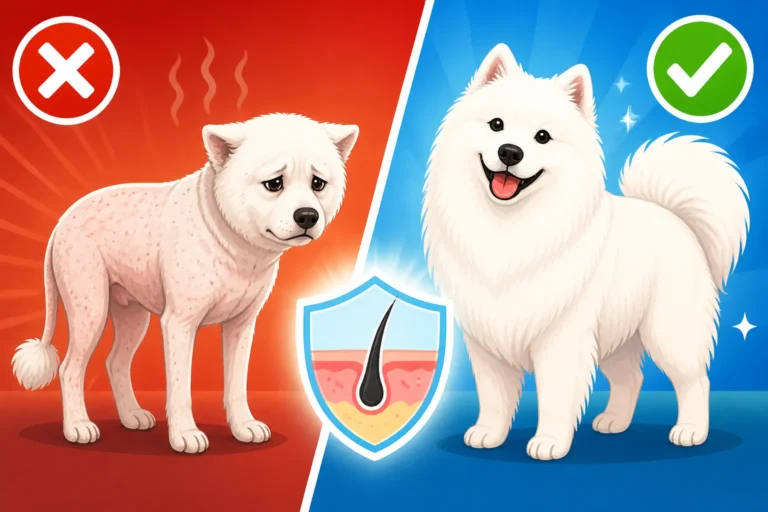
Let's debunk the most persistent and dangerous myth right now: do not shave your Samoyed to keep them cool. It seems counterintuitive, right? Less fur, less heat? But for a double-coated breed like the Samoyed, shaving is incredibly detrimental and actually makes them hotter and more vulnerable. Why Shaving a Samoyed Makes the Heat Worse is a crucial topic every owner needs to understand.
Here's why shaving is so harmful:
- Destroys Natural Insulation: As discussed, the Samoyed's double coat acts as a natural insulator against both cold and heat. It traps a layer of air close to the skin, which helps regulate body temperature. When you shave it, you remove this protective barrier, exposing their skin directly to the sun and environmental heat.
- Increased Risk of Sunburn: Their skin, usually protected by a thick coat, is not designed for direct sun exposure. Shaving makes them highly susceptible to painful and dangerous sunburn, increasing their risk of skin cancer.
- Ineffective Cooling: Without the insulating layer of air provided by their undercoat, their body has to work harder to cool down. They lose the evaporative cooling benefit that the coat provides by allowing air to circulate.
- Coat Damage and Poor Regrowth: Shaving can permanently damage a Samoyed's coat. The guard hairs grow back much slower than the softer undercoat. This often results in a patchy, uneven, coarse, and sometimes discolored coat that no longer offers the same protection or aesthetic beauty. It can take years, if ever, for the coat to fully recover its natural texture and function.
- Risk of Follicle Damage: The trauma of shaving can sometimes damage the hair follicles, leading to "post-clipping alopecia" where the hair simply doesn't grow back in certain areas.
So, while it might seem like a quick fix, shaving your Samoyed creates far more problems than it solves and significantly jeopardizes their health and comfort in the heat.
Essential Brushing and Coat Care for Airflow
Instead of shaving, the true secret to keeping a Samoyed comfortable in summer lies in rigorous, consistent grooming. A well-maintained coat is a healthy, functional coat.
Your Samoyed "blows" their coat at least once or twice a year, shedding massive amounts of dead undercoat. This process is especially noticeable in spring as they prepare for warmer weather. During these times, and throughout summer, daily or every-other-day brushing is absolutely essential.
- Tools: Invest in good quality grooming tools: a sturdy slicker brush, an undercoat rake, and a wide-toothed comb are indispensable.
- Technique: Use the undercoat rake to gently but thoroughly remove all the loose, dead undercoat. Work in sections, getting right down to the skin. The goal is to create space within the coat for air to circulate. Think of it like thinning out a dense forest to allow for a breeze.
- Airflow: Once the dead undercoat is removed, the remaining healthy coat can function as intended, trapping that insulating layer of cool air next to the skin. This airflow is vital for temperature regulation.
A force dryer (not a hot blow dryer) can also be a fantastic tool, especially after baths. It blasts air deep into the coat, pushing out loose fur and ensuring the undercoat is completely dry and fluffed, which enhances its insulating properties. Professional groomers often use these and can offer advice.
Keeping the coat clean also plays a role. A dirty or matted coat can't breathe or reflect heat effectively. While Samoyeds are known for their self-cleaning qualities, a gentle bath with a whitening shampoo (if needed) can help keep their coat bright and reflective, enhancing its ability to deflect sunlight.
Spot Cleaning vs. Full Baths
While a full bath can be a big undertaking with a Samoyed, especially ensuring they are dried thoroughly to the skin, tactical spot cleaning and rinsing can be beneficial in summer.
- Quick Rinses: On particularly hot days, a quick rinse with cool (not cold) water, focusing on their belly and paws, can provide temporary relief. Their paw pads are important for heat dissipation, and a cool belly can help cool circulating blood. Make sure to towel dry thoroughly afterward, especially deep within the fur, to prevent skin irritation.
- Targeted Cleaning: Samoyeds are prone to getting dirty paws or a stained muzzle. Spot clean these areas as needed rather than resorting to a full bath. There are specific pet-safe dry shampoos or stain removers available on Chewy and Amazon that can help keep their coat pristine without over-bathing.
- Avoid Over-Bathing: Too frequent bathing can strip natural oils from their coat and skin, potentially leading to dryness and irritation. Stick to a schedule that works for their individual needs and activity level, and always ensure complete drying. Drying a Samoyed to the Skin is non-negotiable to prevent hot spots and fungal infections.
The overarching principle here is to work with your Samoyed's natural coat, not against it. Provide the tools and time for proper maintenance, and their coat will do its job in helping them manage the summer heat.
Recognizing and Responding to Heat Stress and Heatstroke
One of the most critical aspects of summer care for a Samoyed is the ability to recognize the subtle, and then overt, signs of heat stress and, critically, heatstroke. Samoyeds are stoic animals, often How a Samoyed Hides Illness Behind a Smile, so you need to be acutely aware of any changes in their behavior. Heatstroke is a medical emergency that can be fatal very quickly.
Early Signs of Heat Stress
Your Samoyed will likely try to tell you they're too hot before things become critical. Learning to read these early warning signs is your first line of defense.
- Excessive Panting: This is the most obvious sign. While panting is normal for a dog, excessive, continuous, or labored panting indicates they are struggling to cool down. Their breathing might seem shallow and rapid, or deep and gasping.
- Increased Drooling: As they pant more intensely, they will often produce more saliva. This might appear as thick, stringy drool around their mouth.
- Lethargy or Restlessness: They might seem unusually tired, reluctant to move, or, paradoxically, restless and unable to settle comfortably. They might try to lie on cool surfaces like tile or concrete for extended periods.
- Reddened Gums: Their gums might appear brighter red than usual as blood rushes to the surface to help cool down.
- Seeking Cool Places: They'll actively try to find the coolest spots in the house or yard. This is a good instinct, but if they are desperately seeking these places and still seem uncomfortable, it's a sign of heat stress.
- Tail Drop: A Samoyed's tail typically curls over their back. If you notice their tail is uncurled and hanging low, especially when combined with other symptoms, it can be a sign of discomfort or distress.
At the first sign of any of these symptoms, act immediately. Get your Samoyed into an air-conditioned space, offer cool water, and apply damp (not cold) towels to their armpits and groin. Monitor them closely. These early interventions can often prevent the situation from escalating. Signs a Samoyed Is Overheating is something every owner should memorize.
Recognizing Full-Blown Heatstroke Symptoms
If early heat stress isn't addressed, it can rapidly progress to heatstroke, which is a life-threatening emergency. The symptoms become more severe and indicative of systemic collapse.
- Staggering or Disorientation: Your Samoyed might appear confused, stumble, or even collapse. Their coordination will be severely impaired.
- Vomiting and Diarrhea: This can occur as the body tries to shut down non-essential functions, often with blood in the vomit or stool in severe cases.
- Bright Red/Purple Gums and Tongue: This indicates extreme overheating and a compromised circulatory system.
- Thick, Foamy Saliva: Their drool may become very thick and foamy, sometimes bubbling around their mouth.
- Rapid Heart Rate: Their heart will be racing as it tries to pump blood to cool the body.
- Seizures or Unconsciousness: In the most severe cases, heatstroke can lead to seizures, loss of consciousness, and ultimately, death.
- Glassy Eyes: Their eyes may appear glazed over or unfocused.
These are critical signs that your Samoyed is in imminent danger. Do not hesitate.
Emergency First Aid and When to Seek Veterinary Care
If you suspect your Samoyed is experiencing heatstroke, immediate action is paramount. Every second counts.
Emergency First Aid (while preparing to go to the vet):
- Move Immediately: Get your Samoyed to the coolest possible environment – an air-conditioned car, home, or a shaded spot.
- Apply Cool Water: Wet their entire body with cool (not ice-cold) water. Focus on areas with less fur, like the belly, armpits, and groin. You can use a hose on a gentle setting, wet towels, or even submerge their paws in cool water. Do NOT use ice-cold water as it can cause blood vessels to constrict, hindering cooling, and can shock their system.
- Use Fans: If available, place a fan near them to aid evaporative cooling.
- Offer Water (if conscious): If they are conscious and able to drink, offer small amounts of cool water. Do not force them to drink if they are not able.
- Monitor Temperature: If you have a rectal thermometer, take their temperature. A dog's normal temperature is between 100-102.5°F (37.8-39.2°C). If it's over 104°F (40°C), you are in a danger zone. Stop cooling once their temperature drops to 103°F (39.4°C) to prevent hypothermia.
Seek Veterinary Care IMMEDIATELY: Even if your Samoyed seems to cool down and perk up after first aid, they MUST see a veterinarian. Heatstroke can cause internal damage to organs that might not be immediately apparent, leading to delayed complications like kidney failure, clotting issues, or brain damage. The vet will assess their internal temperature, vital signs, and run blood tests to check for organ damage. They can provide IV fluids, oxygen, and other supportive care. How a Samoyed Should Be Cooled Down is always a balance between immediate action and avoiding further harm.
This is not a situation where you can "wait and see." A Samoyed suffering from heatstroke is literally fighting for its life, and only professional medical intervention can fully address the damage being done. Knowing What Samoyeds Actually Die Of helps put these risks into perspective; heatstroke is a preventable cause of tragic loss.
Travel and Outings: Planning for a Samoyed in the Heat
Bringing your Samoyed with you on outings and trips is one of the joys of dog ownership, but during the summer, it requires meticulous planning and, sometimes, the difficult decision to leave them at home. Their safety must always take precedence.
Car Travel: Dangers and Precautions
The car presents one of the most significant heat dangers for Samoyeds. The speed at which temperatures can escalate inside a vehicle is alarming and often underestimated.
- The Oven Effect: Even on a mild 70°F (21°C) day, the temperature inside a car can reach 90°F (32°C) in just 10 minutes, and 100°F (37.8°C) in 20 minutes. Cracking windows does almost nothing to prevent this rapid heat build-up. For a Samoyed, these temperatures are deadly.
- Never Leave Unattended: This cannot be emphasized enough: never, under any circumstances, leave your Samoyed alone in a parked car, even for a minute, even with windows down, even on a cloudy day. Running into a store for "just five minutes" can be a fatal decision.
- Necessary Car Trips: If car travel is unavoidable during warm weather (e.g., vet visits, emergency transport), take every precaution.
- Blast the AC: Ensure the air conditioning is on full blast before your Samoyed gets into the car, and keep it running for the entire trip.
- Cooling Vests/Wraps: Consider investing in a cooling vest or bandanna for the journey. These work by evaporative cooling or containing gel packs. You can find options for cooling vests for dogs on Chewy or Amazon.
- Plenty of Water: Have a spill-proof bowl or water bottle readily accessible, and offer water frequently.
- Monitor Closely: Keep a constant eye on your Samoyed for any signs of discomfort or heat stress. If you notice heavy panting, pull over immediately and take steps to cool them down.
- Plan Stops: If it's a long trip, plan for shaded rest stops where your Samoyed can get out, walk on cool grass, and drink water.
These precautions aren't overly cautious; they're essential for preventing a preventable tragedy.
Trips to the Vet or Groomer
Even routine appointments become a logistical puzzle during summer.
- Schedule Wisely: Try to schedule vet or groomer appointments for the coolest parts of the day – early morning or late afternoon.
- Call Ahead: Ask the clinic or groomer if they have air conditioning and if you can bring your Samoyed directly inside rather than waiting in a warm reception area or outside.
- Prepare for Transport: Ensure your vehicle's AC is working efficiently. If you have a portable fan or a small cooler with damp towels, bring them along. Minimize the time spent in the car.
- Hydrate Before and After: Offer plenty of water before you leave and as soon as you arrive home.
Remember that even a short trip can be stressful for a Samoyed in the heat, so make the experience as seamless and comfortable as possible.
Vacationing with a Samoyed in Warm Climates
This is a tough one, but it needs to be said: if your vacation destination is a warm or hot climate, seriously reconsider bringing your Samoyed. Their well-being simply isn't compatible with sustained heat exposure.
- Re-evaluate Destinations: While you might love the beach or a desert hike, these environments are incredibly dangerous for a Samoyed. Opt for cooler climates, perhaps mountains, northern regions, or places with genuinely mild summers.
- Climate-Controlled Accommodation: If you must travel to a warm area, ensure your accommodation is fully air-conditioned and that you can maintain a cool temperature 24/7. Never rely on hotel staff to keep the AC running if you leave the room.
- Limited Activities: Be prepared for very limited outdoor activities. Your "vacation" might mean your Samoyed spends most of their time inside, only venturing out for short, cool-hour potty breaks. This often leads to frustration for both owner and dog, as the dog may become bored or agitated from confinement.
- Consider a Sitter/Boarder: It might be a difficult decision, but for your Samoyed's safety and comfort, a trusted pet sitter or a reputable, air-conditioned boarding facility at home might be the kindest option if your summer travel plans involve warm climates. This allows them to stay in a familiar, cool environment while you enjoy your trip without constant worry. What a Samoyed Copes at a Boarding Kennel is an important consideration for many owners.
The joy of sharing experiences with your Samoyed is immense, but their unique physiological needs mean that summer travel requires a thoughtful, responsible, and sometimes self-sacrificing approach. Prioritizing their health ensures you have many more years of happy adventures together. The Twelve to Fourteen Years a Samoyed Lives are precious, and good summer care is integral to maximizing that lifespan.
| Summer Safety Factor | Description | Precaution for Samoyed Owners |
|---|---|---|
| Outdoor Exercise | Any physical exertion increases body temperature. | Restrict walks to early morning/late evening. Keep walks short. Avoid pavement. Consider indoor mental games. |
| Direct Sun Exposure | Solar radiation quickly penetrates the coat, leading to rapid overheating. | Provide constant, changing shade. Keep Samoyed indoors during peak sun hours (10 AM – 6 PM). |
| Pavement/Surfaces | Asphalt, concrete, and dark surfaces absorb and radiate intense heat. | Test pavement with your hand (7-second rule). Walk on grass/dirt. Consider dog booties for essential walks. |
| Humidity | High humidity impedes evaporative cooling through panting. | Be extra vigilant in humid conditions. Ensure powerful air conditioning indoors. Limit all outdoor time. |
| Car Travel | Cars heat up rapidly, creating a deadly "oven effect." | NEVER leave a Samoyed unattended in a car. Use AC, cooling vests, and water for necessary trips. Schedule trips for coolest parts of the day. |
| Access to Water | Dehydration quickly compromises the body's cooling mechanisms. | Provide multiple sources of fresh, cool water indoors and outdoors. Carry water for all outings. Encourage drinking with ice cubes or wet food. |
| Grooming/Coat | Matted undercoat traps heat; shaved coat removes natural insulation. | Brush daily to remove dead undercoat for airflow. NEVER shave your Samoyed. Keep coat clean for reflectivity. |
| Activity Level | High energy breeds often don't know when to stop, leading to overexertion. | Monitor and enforce rest periods. Limit strenuous play during warm hours. Focus on calm, indoor activities. |
| Observation | Samoyeds can hide discomfort until an emergency. | Learn early signs of heat stress (heavy panting, lethargy, drooling). Act immediately and seek vet care for severe symptoms. |
Disclaimer
This article is for general informational purposes only and does not constitute professional advice. Laws, prices and regulations vary by location and change over time. Consult a qualified professional for guidance on your specific situation.