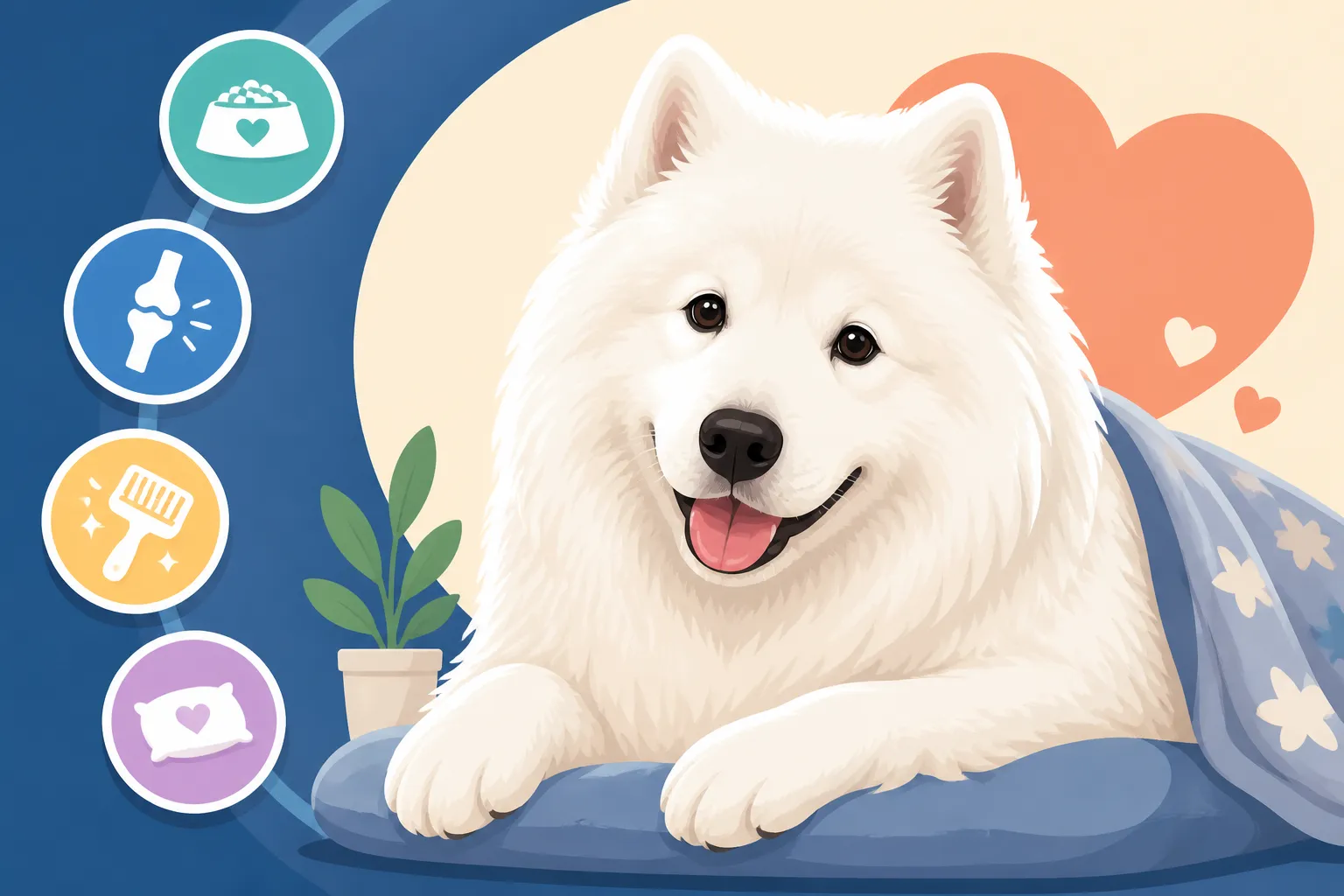
Caring for an Old Samoyed
Watching your beloved Samoyed, with that perpetually cheerful smile, begin to slow down and show the gentle hallmarks of age can be a bittersweet experience. We all want our furry family members to stay puppy-like forever, but just like us, Samoyeds gracefully transition into their golden years, bringing with them a new set of needs and challenges. This guide is here to walk you through what to expect and how to provide the most comfortable, loving, and supportive environment for your senior Samoyed, ensuring their twilight years are as joyful and comfortable as possible.
Understanding Seniority in Samoyeds: When the Fluff Starts to Show Its Age
It's tough to pinpoint an exact moment when your Samoyed officially becomes "old." Unlike turning 65 for humans, there isn't a single birthday that magically shifts them into senior status. For a breed like the Samoyed, known for its robust health and impressive lifespan, these changes often creep up gradually. Generally, a Samoyed is considered a senior around The Age a Samoyed Counts as a Senior, which is typically between 7 and 9 years old. However, this is just a guideline; some Samoyeds will seem to defy time, still romping like youngsters well past this mark, while others might show signs of slowing down a bit earlier. It's less about the calendar year and more about observing subtle shifts in their behavior and physical capabilities.
Recognizing the Subtle Shifts
The first signs of aging in a Samoyed are often incredibly subtle, easily mistaken for just a lazy day or a temporary mood. They might not be as eager for that long walk they once adored, or perhaps they take a little longer to stand up after a nap. Their famously boundless energy might become a little more intermittent, with bursts of activity followed by longer periods of rest. You might notice them sleeping more deeply or for extended periods throughout the day. Their reactions might not be as sharp, or they might seem a little less tolerant of rambunctious younger dogs or children. It's not that they're losing their Samoyed spirit, but rather that their capacity for constant high-level engagement is naturally diminishing. These initial changes are your cue to start thinking about adapting their routine.
Common Physical and Behavioral Indicators
As they progress into their senior years, the signs become a bit more pronounced. Physically, you might notice a bit of graying around their muzzle, though with a white Samoyed, this can be harder to spot! Their eyes might develop a slight haziness, known as lenticular sclerosis, which is a normal part of aging and doesn't usually affect vision significantly, unlike cataracts. Their gait might become stiffer, especially after lying down for a while, indicating potential joint discomfort. They might hesitate before jumping into the car or climbing stairs. Behaviorally, you might see changes in their eating habits, increased vocalization at night, or even slight disorientation in familiar surroundings. It’s important to remember that many of these changes are normal, but some can also be indicators of underlying health issues that need veterinary attention. Keeping a close eye on Signs a Samoyed Is Getting Old is crucial for their well-being.
Nutritional Adjustments for the Golden Years: Fueling a Senior Samoyed
Just like us, an aging Samoyed's metabolism slows down, and their dietary needs change significantly. They're often less active, which means their calorie requirements decrease. Continuing to feed them the same high-energy adult formula they enjoyed in their prime can lead to unwanted weight gain, putting extra strain on their joints and internal organs. Conversely, some older Samoyeds might lose their appetite due to dental issues, illness, or a dulling sense of smell and taste. It's a delicate balance, and adjusting their diet is one of the most impactful ways you can support their health.
Tailoring Their Diet to Lower Activity Levels
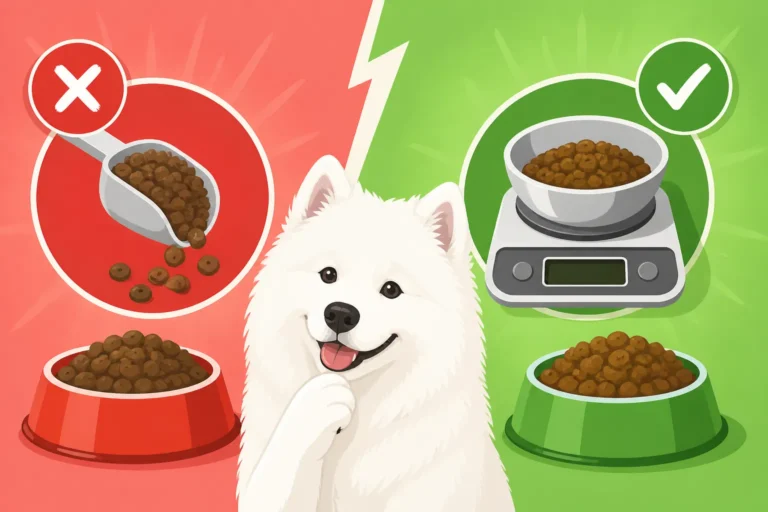
The primary goal for a senior Samoyed's diet is to maintain a healthy weight without compromising nutrient intake. Look for high-quality senior dog foods specifically formulated for less active older dogs. These diets typically have fewer calories, lower fat content, and often increased fiber to aid digestion and promote satiety. Protein content should remain adequate to support muscle mass, which can naturally decline with age. If your Samoyed is showing signs of kidney issues, your vet might recommend a specific renal diet. Always transition new foods slowly over several days to avoid upsetting their sensitive stomachs. Companies like Chewy offer a wide selection of specialized senior dog foods, making it easier to find one that suits your Samoyed's unique needs. Feeding an Old Samoyed is not just about what you give them, but how much.
Supporting Joints and Digestion with Supplements
Beyond a balanced diet, certain supplements can be incredibly beneficial for older Samoyeds. Glucosamine and chondroitin are popular choices for supporting joint health, helping to ease the stiffness that often comes with age. Omega-3 fatty acids, often found in fish oil, can also help reduce inflammation and promote joint, skin, and coat health. Probiotics can aid digestion, which can become more sensitive in senior dogs. It's always best to consult your veterinarian before adding any supplements to your Samoyed's regimen, as they can recommend the best products and dosages based on your dog's specific health profile. Brands like Amazon often carry a variety of reputable joint supplements for dogs. Regularly evaluating Joint Supplements for a Samoyed can make a real difference in their comfort.
Hydration and Meal Frequency
Older Samoyeds are at a higher risk of dehydration, especially if they have underlying health conditions or are on certain medications. Always ensure fresh water is readily available. You might even consider adding a bit of water or low-sodium broth to their kibble to increase fluid intake, or offering wet food which has a higher moisture content. As for meal frequency, some senior Samoyeds benefit from smaller, more frequent meals throughout the day rather than one or two large ones. This can be easier on their digestive system and help prevent bloat. If you're exploring fresh food options, companies like Ollie deliver nutritionally balanced, human-grade meals that can be particularly palatable for finicky senior eaters, and their higher moisture content can contribute to hydration.
Managing Aches and Pains: Keeping Them Comfortable
It's a sad truth that with age often comes aches and pains. Many senior Samoyeds develop arthritis, a degenerative joint disease that can make movement painful and inhibit their playful spirit. This is where your careful observation and proactive care become paramount. Samoyeds are stoic by nature, and their famous smile can often mask discomfort, making it harder to tell when they're truly hurting. How a Samoyed Hides Illness Behind a Smile is a serious consideration, as they don't complain easily.
Addressing Arthritis and Joint Discomfort
Arthritis can manifest as stiffness, lameness, reluctance to move, difficulty rising, or even changes in temperament. If you notice your Samoyed hesitating before jumping, moving slowly, or showing discomfort when touched in certain areas, it's time to talk to your vet. They can recommend a variety of treatments, from anti-inflammatory medications and pain relievers to physical therapy, cold laser therapy, and acupuncture. Maintaining a healthy weight is also incredibly important, as excess pounds put additional stress on already compromised joints. Furthermore, providing Arthritis in an Older Samoyed with a warm, soft, orthopedic bed can make a world of difference for their daily comfort, easing pressure points and promoting restful sleep.
Supporting Mobility and Preventing Falls
As mobility declines, your Samoyed might need some assistance getting around. Ramps can be invaluable for helping them get into vehicles or onto furniture if they're still allowed on the couch. Non-slip rugs or runners can provide better traction on slippery floors, reducing the risk of falls, especially if they are getting Whether an Old Samoyed Gets Confused. Consider a supportive harness with a handle if you need to help them up and down stairs or provide stability during walks. Regular, gentle exercise tailored to their abilities, such as short, slow walks, can help maintain muscle mass and joint flexibility without overexertion. Swimming can also be a wonderful low-impact exercise for older dogs, as the water supports their weight while allowing them to move their joints.
Maintaining Their Magnificent Coat: Grooming for Senior Comfort
That glorious Samoyed coat, a hallmark of the breed, requires diligent care throughout their lives, and this doesn't change in their senior years – in fact, it often becomes more important. An older Samoyed might have less energy for self-grooming, and their skin can become more delicate or prone to issues. Mats and tangles are not just unsightly; they can pull on the skin, cause pain, hide skin infections, and make your senior Samoyed utterly miserable.
Gentle Brushing and Mat Prevention
Regular brushing is paramount. Your senior Samoyed's skin might be thinner and more sensitive, so use a soft-bristled brush or a gentle slicker brush. Aim for daily, or at least every-other-day, brushing sessions. These sessions are not only for coat health but also offer an opportunity to check their skin for lumps, bumps, or sores that might go unnoticed under all that fluff. Pay special attention to areas prone to matting, such as behind the ears, armpits, and feathering on the legs and tail. If you encounter a mat, try to gently work it out with your fingers and a wide-toothed comb rather than pulling roughly. If it's too dense, it's better to carefully cut it out with blunt-nosed scissors or seek professional help. Remember, keeping them brushed helps with What Twenty Pounds of Samoyed Undercoat Does to a House too!
Bathing and Skin Care Considerations
Bathing a senior Samoyed might become a more challenging endeavor. Their balance might not be as good, and standing for long periods in a tub can be uncomfortable. Consider using a non-slip mat in the tub and a handheld shower sprayer. Use a gentle, moisturizing shampoo, perhaps one formulated for sensitive skin, and rinse thoroughly to prevent residue that can irritate. Ensure they are dried completely, especially the dense undercoat, to prevent skin infections, though this can be a long process. For skin issues, such as dry patches or mild irritations, your vet might recommend specific medicated shampoos or topical treatments. If bathing at home becomes too stressful for your dog or too physically demanding for you, a professional groomer who is experienced with senior dogs can be a lifesaver.
Navigating Cognitive Changes and Sensory Decline: Keeping Their Minds Engaged
Aging isn't just about physical changes; it can affect their minds and senses too. Just like people, Samoyeds can experience cognitive decline as they age, sometimes manifesting as canine cognitive dysfunction (CCD), a condition similar to Alzheimer's in humans. Their senses of sight and hearing can also diminish, which requires understanding and adaptation from their human family. These changes can be frustrating and heartbreaking to witness, but with patience and adjustments, you can help your Samoyed navigate these challenges.
Addressing Canine Cognitive Dysfunction (CCD)
If you notice your Samoyed getting lost in familiar rooms, staring blankly at walls, having accidents in the house, changes in sleep-wake cycles (waking up disoriented at night), or a decrease in interaction with the family, these could be signs of CCD. It's crucial to consult your veterinarian if you suspect CCD. While there's no cure, certain medications, dietary supplements (like antioxidants and Omega-3s), and enrichment activities can help slow its progression and improve quality of life. Maintaining a consistent routine, providing mental stimulation through puzzle toys or gentle training exercises, and ensuring a safe, familiar environment are key. Whether an Old Samoyed Gets Confused is a common concern, and early intervention can make a significant difference.
Supporting Vision and Hearing Loss
Diminished eyesight or hearing loss can be disorienting and frightening for a Samoyed. If their vision is failing, avoid rearranging furniture, keep pathways clear, and use consistent commands and hand signals. Consider adding night lights in frequently used areas. For hearing loss, relying on hand signals, vibrations (like clapping hands loudly on the floor nearby), or visual cues becomes essential. Speak clearly and calmly, even if they can't hear you, as your tone can still convey comfort. Never startle a dog with vision or hearing impairment; always approach from the front and make your presence known gently. Patience and empathy are your greatest tools in helping your Samoyed adapt to these sensory changes, ensuring they still feel secure and loved in their home.
Adapting Their Environment for Comfort and Safety: A Senior-Friendly Home
Your Samoyed's home, once a playground, needs to evolve into a sanctuary as they age. What was once easy for them – jumping on the couch, navigating stairs, even getting a drink of water – can become challenging or even dangerous. Creating a senior-friendly environment is about anticipating their needs and making small, thoughtful adjustments that provide comfort, safety, and maintain their independence for as long as possible.
Creating Comfortable and Accessible Spaces
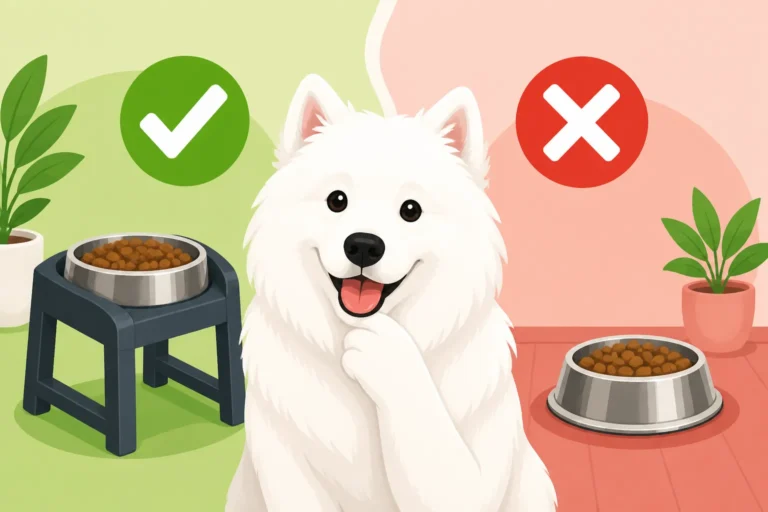
Soft, orthopedic bedding is a must for any senior Samoyed, especially one prone to What an Arthritic Samoyed Should Sleep On. Look for beds with supportive memory foam that alleviate pressure on joints and provide insulation from cold floors. Place these beds in quiet, easily accessible spots where your Samoyed likes to rest, away from drafts but still close to family activity. Consider adding ramps or pet stairs next to favorite furniture or beds if your Samoyed still enjoys being up high but can no longer jump safely. Raised food and water bowls can also reduce strain on their neck and joints, making meal times more comfortable. Think about areas where they struggle and brainstorm simple solutions.
Navigating the Home Safely
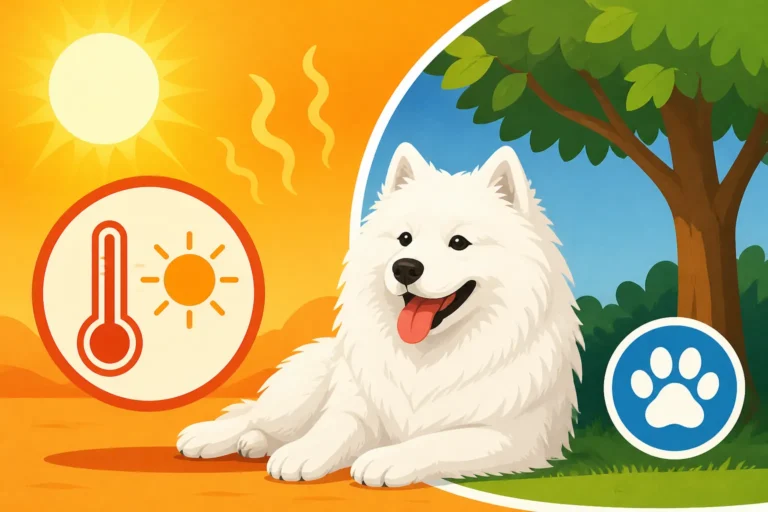
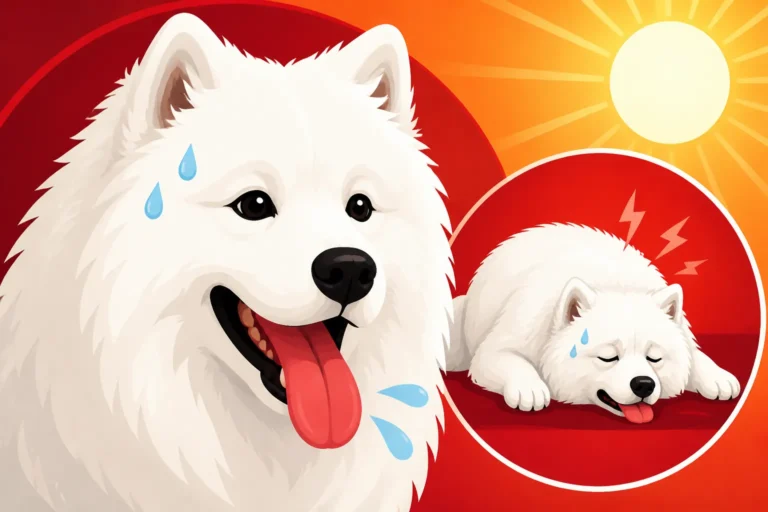
Slippery floors can be a major hazard for older Samoyeds with reduced mobility or balance. Lay down non-slip rugs or carpet runners on hardwood or tiled areas, particularly in high-traffic zones. If stairs become an obstacle, consider blocking off access to certain floors or carrying your Samoyed if they are small enough and the stairs aren't too steep. For dogs with declining eyesight, maintaining a consistent furniture arrangement is vital to prevent collisions. Keep clutter off the floor and ensure clear pathways. During the colder months, ensure their sleeping areas are warm and draft-free, as cold can exacerbate joint pain. And as the weather warms, remember that A Samoyed Built for Sixty Below in an American Summer means they need cool, shady spots to rest.
Routine Veterinary Care and Early Detection: The Best Defense
Regular veterinary check-ups are important for dogs of all ages, but they become absolutely critical for senior Samoyeds. As they age, the risk of developing various health conditions increases, and early detection is often key to effective management and maintaining their quality of life. Your vet is your most important partner in navigating your Samoyed's golden years.
The Importance of Biannual Vet Visits
Instead of just once a year, consider taking your senior Samoyed to the vet every six months. In a dog's life, a lot can change in a year, and catching issues early can prevent them from becoming serious. These visits allow your vet to monitor their weight, listen to their heart and lungs, palpate their joints, check their teeth, and discuss any changes you've observed at home. They can also perform routine blood work and urinalysis, which can catch issues like kidney disease, diabetes, or thyroid problems before they become clinically obvious. Whether a Samoyed Needs Yearly Kidney Bloodwork is a definite yes, especially as they get older, as kidney function can slowly decline.
Proactive Health Monitoring
Beyond physical exams, your vet might recommend specific diagnostic tests to screen for common senior ailments. This could include a full blood panel, urinalysis, thyroid checks, and potentially radiographs to assess joint health. Dental care is also incredibly important; older dogs are prone to dental disease, which can lead to pain, difficulty eating, and even systemic infections. Your vet can advise on professional dental cleanings or strategies to maintain oral hygiene at home. Remember, your Samoyed's ability to live The Twelve to Fourteen Years a Samoyed Lives often comes down to consistent, proactive care. Don't hesitate to voice any concerns, no matter how minor they seem; you know your dog best.
The Emotional Journey of Caring for a Senior Samoyed: Love and Support
Caring for an old Samoyed is a deeply emotional journey. It's a testament to the bond you share and the years of companionship you've enjoyed. While there will be challenges and heartaches, it's also a time for deepening your connection, cherishing every moment, and providing unwavering love and support. Your Samoyed has been a constant source of joy and affection, and now it's your turn to return that gift.
Maintaining Routine and Mental Stimulation
Even with cognitive decline, routine remains incredibly important for a senior Samoyed. Predictability provides a sense of security and reduces anxiety. Keep meal times, walks, and bedtime consistent. While their physical activity might decrease, mental stimulation is still vital. Gentle puzzle toys, short training refreshers (using positive reinforcement and high-value treats), or even just new smells on a slow sniff-walk can keep their minds engaged. Continued interaction and attention, even if it's just gentle petting or quiet companionship, are crucial for their emotional well-being. Whether an Old Samoyed Still Wants to Work might be different from when they were young, but they still want a purpose and interaction with you.
Supporting Them Emotionally and Preparing for Farewell
Your senior Samoyed might become more dependent on you, seeking comfort and reassurance more often. Be patient with accidents, offer gentle encouragement, and ensure they always feel safe and loved. This period also requires an emotional toll on you. It’s natural to feel grief, sadness, and even frustration at times. Seek support from fellow Samoyed owners, online communities, or your veterinary team. They understand the challenges and emotions involved. Cherish the quiet moments, the gentle nudges, and the unwavering loyalty your senior Samoyed offers. Knowing When an Old Samoyed Has Had Enough is one of the hardest decisions a pet owner faces, but providing comfort and love until that time is the greatest gift you can give them.
| Common Senior Samoyed Challenges | Signs to Watch For | Management Strategies |
|---|---|---|
| Arthritis/Joint Pain | Stiffness, limping, reluctance to jump/climb, slow gait | Vet-prescribed pain meds, joint supplements, orthopedic bed, gentle exercise, ramps |
| Cognitive Decline (CCD) | Disorientation, house accidents, altered sleep, staring | Vet consultation, cognitive supplements, consistent routine, mental games |
| Vision Impairment | Bumping into objects, hesitation, dilated pupils | Avoid furniture changes, clear pathways, consistent verbal cues, night lights |
| Hearing Loss | Not responding to name/commands, easily startled | Hand signals, gentle touch to get attention, approach from front |
| Dental Disease | Bad breath, difficulty eating, pawing at mouth | Regular vet dental checks, professional cleaning, home brushing |
| Weight Changes | Sudden gain or loss, visible ribs/excess fat | Adjust diet (senior formula), monitor portions, vet check for underlying causes |
| Incontinence | Accidents inside, leaking urine while resting | Vet check (UTI, kidney, CCD), frequent potty breaks, doggy diapers |
Disclaimer
This article is for general informational purposes only and does not constitute professional advice. Laws, prices and regulations vary by location and change over time. Consult a qualified professional for guidance on your specific situation.