Whether a Pet Samoyed Still Wants to Pull
It’s a common scenario: you bring home your fluffy Samoyed puppy, full of dreams of snowy adventures and tales of their ancestors pulling sleds across vast, icy landscapes. But then reality sets in. Your sweet, often mischievous companion seems perfectly content with a leisurely walk around the block, a good nap on the cool tile floor, or perhaps a spirited game of fetch in the backyard. You start to wonder, with a slight pang of disappointment, "Does my pet Samoyed really still want to pull? Or is that just a romanticized notion from their past?" It's a valid question, and one that many Samoyed owners grapple with, caught between the breed's storied history and the realities of modern pet life. This guide will delve deep into the Samoyed's innate drive, how it manifests in a pet environment, and how you can tap into this powerful instinct responsibly and joyfully, even if you never see a snow-covered tundra.
Understanding the Samoyed's Innate Drive to Pull
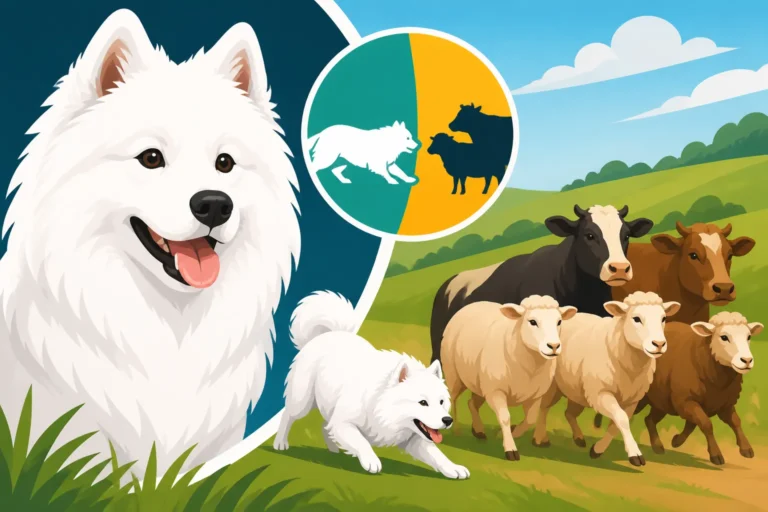
To truly grasp whether your pet Samoyed still harbors a desire to pull, we have to look back at where they came from. These aren't just pretty faces; they are working dogs, bred for millennia by the Nenets people of Siberia. Their entire existence was intertwined with pulling sleds and herding reindeer, tasks that required immense stamina, strength, and an unwavering drive to move forward. This isn't just a learned behavior; it's hardwired into their very being.
A Glimpse into Their History as Working Dogs
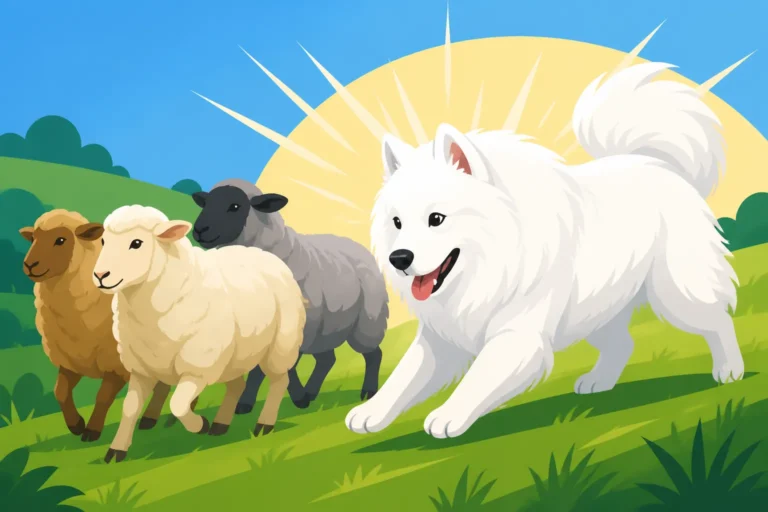
Imagine the brutal conditions of the Arctic Circle, where the Nenets relied on their Samoyeds for survival. These dogs weren't just pets; they were vital members of the family and the workforce. They pulled heavy sleds laden with supplies, helped herd reindeer across vast expanses, and even slept in the tents with their human companions, providing warmth. The ability to pull, to lean into a harness and move forward with purpose, was not merely a skill; it was an evolutionary advantage. Dogs who lacked this drive, or the physical capacity for it, likely didn't thrive in such a harsh environment. This history means that the instinct to pull is incredibly strong, almost like a primordial memory within them. It's why many Samoyeds naturally lean into their leash, not always out of defiance, but often out of an inherent desire to go and pull. You can learn more about their incredible heritage in The Nenets of the Yamal Peninsula Bred the Samoyed.
The Deep-Seated Instinct vs. Modern Pet Life
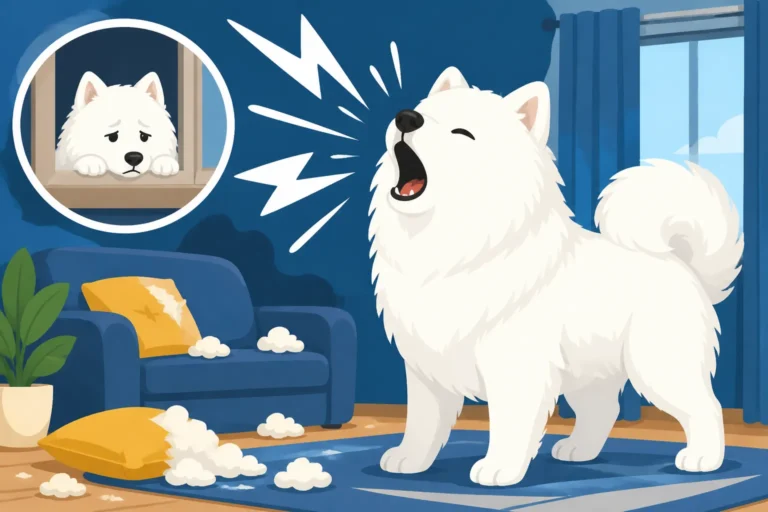
Here's where the disconnect often happens for modern pet owners. We bring these magnificent creatures into our suburban homes or city apartments, providing soft beds, gourmet food, and all the cuddles they could wish for. While these comforts are wonderful, they don't always cater to the deep-seated, genetic programming that tells a Samoyed they should be working. That drive to pull, to have a job, doesn't just disappear because they're a beloved companion animal. Instead, it might manifest in other ways: pulling on the leash during walks, becoming easily bored, or perhaps even exhibiting some destructive behaviors if not given adequate mental and physical stimulation. The challenge for us as owners is to recognize this instinct and provide appropriate, safe outlets for it, even if it’s just a casual jog with a canicross belt rather than a full-on sled team.
Recognizing the Signs Your Samoyed Wants to Pull
So, how do you know if your particular floof is itching to put their shoulders into a harness? It's not always obvious, especially if they haven't been introduced to pulling sports before. However, many Samoyeds will give you subtle (and not-so-subtle) clues.
Body Language and Enthusiasm
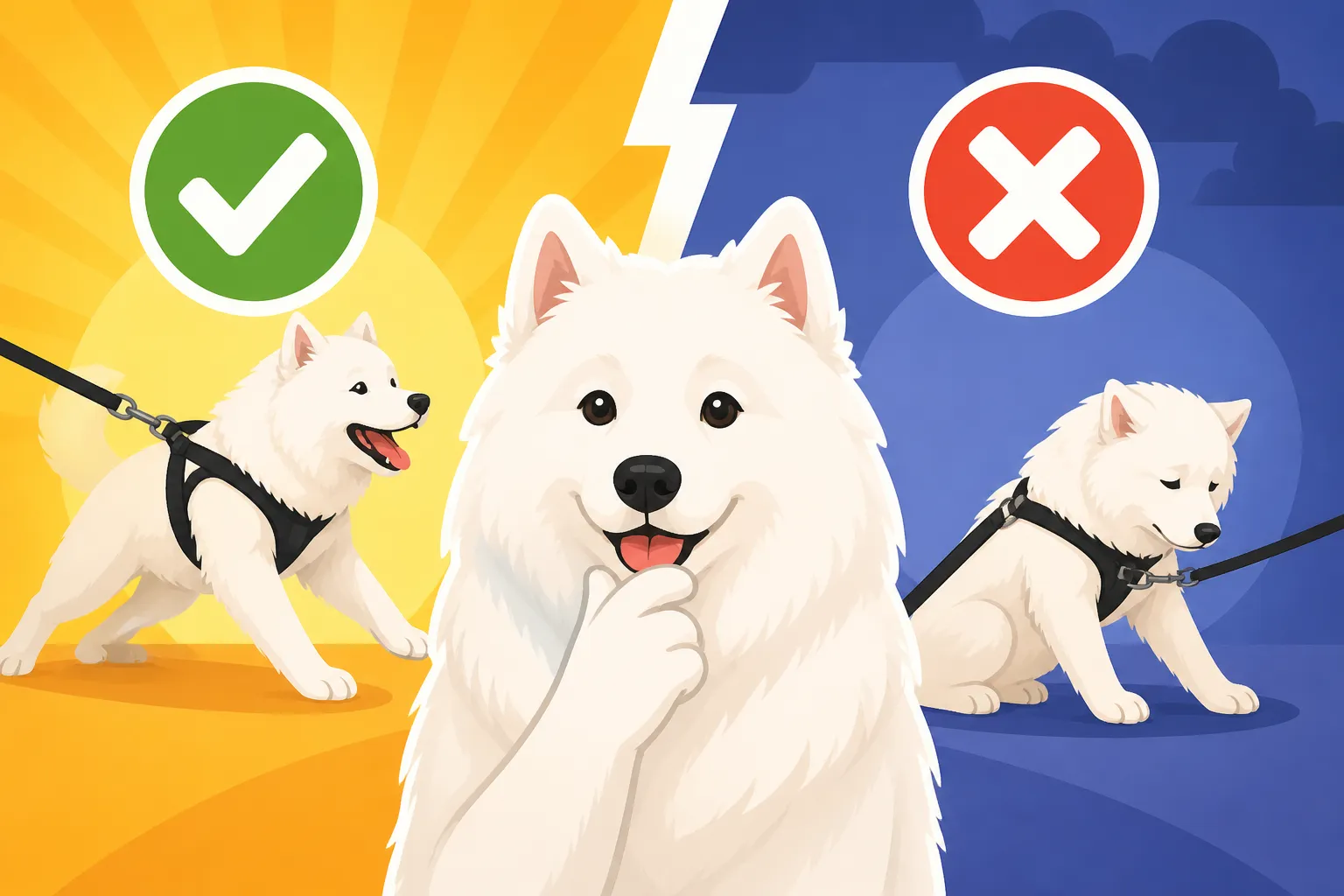
A Samoyed who enjoys pulling or wants to work will often display a particular kind of enthusiasm. They might get incredibly excited when you bring out their walking harness, rather than just their collar. On a walk, they might lean forward with all their weight, eager to forge ahead, even if you're holding them back. When you're out in the cooler weather, or especially in snow, their energy levels might seem to soar, and they'll seem to move with an effortless grace and power. Pay attention to how they engage with their environment when they have a sense of purpose. Do they seem more focused, happier, when there's a clear direction to move in? That strong, forward momentum isn't always "bad leash manners"; it can be a genuine expression of their heritage. You might notice they're particularly invigorated on a crisp morning, truly coming alive in conditions that mimic their ancestral home. How a Samoyed Hides Illness Behind a Smile might explore their general demeanor, but for pulling, look for that focused drive.
The "Zoomies" and Controlled Energy Release
Sometimes, the desire to pull manifests as general high energy or what we affectionately call "the zoomies." These sudden bursts of frantic running and play can be a sign of pent-up energy, and a Samoyed's genetic predisposition to work means they have a lot of it. If your Samoyed gets the zoomies frequently, especially after a period of relative inactivity, it could indicate they're craving a more structured, purposeful outlet for their physical capabilities. Structured pulling activities can offer a fantastic way to channel this energy, giving them a job to do and leaving them feeling much more content and tired in a good way. Rather than just running wildly, they are working with you, engaging both body and mind. This kind of work is often far more satisfying for them than just free play, though free play is important too.
Providing Outlets for Their Pulling Instinct
If you suspect your Samoyed has that innate drive to pull, the good news is there are many safe and enjoyable ways to channel it, even if you don't live in Alaska! You don't need a full sled team to honor their heritage.
Introducing Harnesses and Equipment
The first step is getting the right equipment. A regular walking collar or even a front-clip harness isn't designed for pulling activities. You'll want a specialized pulling harness that distributes weight evenly across their chest and shoulders, allowing them to pull comfortably and efficiently without straining their neck or joints. Companies like Ruffwear or Non-Stop Dogwear make excellent harnesses designed specifically for dog sports. You can find a wide array of options on platforms like Amazon, but always make sure to measure your dog carefully according to the manufacturer's guidelines. A properly fitting harness is crucial for their comfort and safety. Along with a good harness, you'll need a bungee line (a specialized leash with shock absorption) and a canicross belt if you plan to run with them. What a Sled and Harness for a Samoyed Cost can give you an idea of investment.
Exploring Different Dog Sports and Activities
There's a whole world of dog sports that embrace a Samoyed's pulling instinct. Here are a few popular ones:
- Canicross: This is essentially cross-country running with your dog. You wear a waist belt, and your Samoyed wears a pulling harness, connected by a bungee line. Your dog pulls you forward, setting the pace, and you run together. It's a fantastic cardiovascular workout for both of you and a great way to bond. Many pet Samoyeds absolutely adore canicross.
- Bikejoring: Similar to canicross, but you're on a bicycle. Your dog pulls you while you steer. This requires a bit more control and training, as speed can be higher, but it's incredibly exhilarating for dogs who love to run.
- Scootering/Rigid Carting: If you prefer something on wheels but not a bike, dog scooters or rigs are an option. Your Samoyed (or a team of Samoyeds) pulls a scooter or cart, which you stand or sit on. This is a great way to simulate sledding in non-snowy environments.
- Recreational Sledding: If you live in a snowy region, even a small, recreational sled for one or two dogs can be a blast. It allows them to truly experience what they were bred for.
- Weight Pull: This is a more formal sport where dogs pull increasingly heavy weights for short distances. It focuses on strength and technique and is often done in controlled, competitive environments. It's not for every Samoyed, but some find it incredibly satisfying.
| Activity | Description | Ideal Environment | Equipment Needed | Benefits for Samoyed |
|---|---|---|---|---|
| Canicross | Running with your dog pulling you via a harness and bungee line. | Trails, parks, open spaces | Pulling harness, bungee line, canicross waist belt | Cardiovascular health, mental stimulation, teamwork |
| Bikejoring | Cycling with your dog pulling you. | Trails, quiet roads | Pulling harness, bungee line, bike antenna, bicycle | High-speed exercise, endurance, focused work |
| Dog Scootering | Dog(s) pull a specialized scooter; you stand on it. | Trails, quiet roads, open areas | Pulling harness, bungee line, dog scooter | Strength, endurance, low-impact for handler, sense of purpose |
| Recreational Sledding | Dog(s) pull a small sled on snow. | Snowy trails, open fields | Pulling harness, gangline, sled, dog booties (optional) | Authentic breed experience, winter fun, stamina |
| Urban Mushing | Dog(s) pull a three or four-wheeled cart or rig on pavement/trails. | City parks, trails, roads | Pulling harness, gangline, urban mushing cart/rig | All-season pulling, strength, discipline |
Before starting any new activity, especially if it involves pulling, always consult with your veterinarian to ensure your Samoyed is physically fit and old enough for the activity. The Age a Samoyed Can Start Sledding is a good resource for understanding age requirements.
Training for Safe and Enjoyable Pulling
Just like any other dog sport, pulling requires training. You can't just throw a harness on your Samoyed and expect them to know what to do. Start with basic obedience commands like "stop," "go," "left," and "right" while on a regular leash, and then gradually introduce them in the pulling harness without any weight. Positive reinforcement, using treats and praise, is key. Think of it as teaching them a new skill, not just letting them run wild. Online resources, like those offered by BAXTER & Bella, can provide structured training programs that can be adapted to teach your Samoyed commands for pulling, focusing on positive and rewarding methods. Getting a good foundation in general obedience, such as a strong "stay" and reliable recall, will make introducing pulling commands much easier. Training a Samoyed That Finds Obedience Negotiable might give you some insights into their unique training style!
Remember to keep sessions short and fun, especially in the beginning. Build up duration and intensity gradually. Always watch your Samoyed for signs of fatigue or overheating, particularly in warmer weather. Samoyeds are built for cold, so adjusting activities to suit the climate is critical. Whether a Samoyed Should Pull in Warm Weather is essential reading here.
When a Samoyed Might Not Want to Pull (and Why)
While the pulling instinct is strong in Samoyeds, it's not a universal guarantee that every single Samoyed will love or even be capable of these activities. Individual personalities, health, and past experiences all play a role.
Factors Influencing Their Desire to Work
Some Samoyeds, despite their heritage, simply aren't as driven to pull as others. This could be due to individual temperament – some are more laid-back or less physically inclined than their brethren. A Samoyed's early experiences also shape their desire to work; if they were never exposed to purposeful exercise or encouraged to use their natural strength, they might not develop the keen interest. Furthermore, physical limitations, even minor ones that aren't obvious, can deter a dog from wanting to engage in strenuous activities. Perhaps a subtle joint issue, or just a lower energy level. It's crucial not to force a dog into an activity they clearly don't enjoy or find uncomfortable. The goal is to provide fulfilling outlets, not to fulfill a human expectation. How Much Exercise a Samoyed Needs touches on overall activity levels.
Prioritizing Health and Comfort
Always, always prioritize your Samoyed's health and comfort above all else. If your dog shows any signs of discomfort, pain, or reluctance, stop the activity immediately. Common issues like hip or elbow dysplasia, even if mild, can make pulling painful. Regular veterinary check-ups are essential, especially if you plan to engage in demanding physical activities. An overweight Samoyed, for instance, should never be asked to pull heavy loads, as it puts undue strain on their joints. Likewise, older Samoyeds may still have the heart for it, but their bodies might not be able to keep up. Arthritis in an Older Samoyed or Hip Dysplasia in a Samoyed are important considerations.
If your Samoyed doesn't take to pulling, that's perfectly okay! There are countless other ways to engage their intelligent minds and energetic bodies. Agility, obedience, scent work, hiking, or even just long, sniffy walks can provide plenty of enrichment. The most important thing is that your Samoyed is happy, healthy, and gets enough mental and physical stimulation to thrive in your home.
Ultimately, the inherent desire to pull is a beautiful part of what makes a Samoyed a Samoyed. It’s a testament to their incredible history and genetic makeup. Whether your pet Samoyed will actively want to pull depends on a mix of their individual personality, your commitment to proper training, and creating safe, engaging opportunities. By understanding their instincts and providing appropriate outlets, you can not only honor their heritage but also deepen the bond with your remarkable fluffy companion.
Disclaimer
This article is for general informational purposes only and does not constitute professional advice. Laws, prices and regulations vary by location and change over time. Consult a qualified professional for guidance on your specific situation.