Whether an Older Samoyed Is Easier to Adopt
It’s a common dilemma for anyone dreaming of bringing a Samoyed into their life: do you start with a fluffy, mischievous puppy, or open your heart to a mature, perhaps more settled, adult? The idea of an "easier" adoption is tempting, especially when considering the significant commitment these beautiful dogs require. This guide will delve into the nuances of adopting an older Samoyed, exploring whether they truly offer a less challenging path than a puppy, and what you can expect when welcoming a senior fluffball into your home.
The Allure and Reality of Adopting an Older Samoyed
When people think about getting a dog, puppies often steal the spotlight with their boundless energy and undeniable cuteness. However, many seasoned dog owners, and even some first-timers, are increasingly turning their attention to adult and senior dogs in rescue. There's a certain wisdom and calm that comes with age, and for a breed like the Samoyed, known for its spirited personality, an older dog can seem like a more predictable choice. But let's be realistic – "easier" isn't always the right word, though "different" certainly is.
Why Many Owners Consider Senior Samoyeds
The reasons for seeking an older Samoyed are varied. Perhaps you've had a Samoyed puppy before and remember the intense training, the constant supervision, and the sheer amount of energy involved. Maybe your lifestyle has changed, and you find yourself with less time for the round-the-clock demands of a puppy, but still yearn for the companionship of this magnificent breed. For some, the emotional pull of providing a loving "retirement home" to a dog who might have spent years being a cherished family member is incredibly strong. You might be at a stage in life where you appreciate a dog that's already past the chewing, house-training, and initial socialization hurdles. The vision of a calm, well-behaved Samoyed ready to settle into your routine without much fuss is certainly appealing.
There's also the element of knowing what you're getting. With a puppy, you're looking at a blank slate, full of potential but also unknowns in terms of temperament and eventual size. An older Samoyed, particularly one that has been in a foster home or rescue for a while, comes with a more developed personality. The rescue organization can often tell you about their preferences, quirks, and general demeanor, which removes some of the guesswork. This can be particularly helpful if you have specific household dynamics, such as other pets or children, where knowing a dog's established behavior is crucial.
Common Misconceptions About Older Dogs in Rescue
While the idea of a ready-made, perfectly behaved adult Samoyed is lovely, it's essential to clear up some common misconceptions. Firstly, not all older dogs are in rescue because they have "issues." Life happens. People move, experience financial hardship, become ill, or pass away. Dogs are sometimes surrendered through no fault of their own, simply victims of circumstances. These dogs are often well-adjusted, house-trained, and have known love.
Secondly, the term "senior" can be misleading. For a Samoyed, a dog might be considered senior around The Age a Samoyed Counts as a Senior, but that doesn't mean they're ready for the rocking chair. Many Samoyeds remain playful and active well into their later years, though perhaps with less intensity than a rambunctious two-year-old. They still enjoy walks, mental stimulation, and being an integral part of the family. The expectation that an older Samoyed will be a "couch potato" right out of the gate can sometimes lead to disappointment if you're not prepared for their continued need for engagement and activity. They might still need exercise, just tailored to their individual needs, rather than the marathon runs of their youth.
Potential Advantages of Bringing Home a Mature Samoyed
There are indeed many compelling reasons why adopting an older Samoyed can be a truly rewarding experience, offering unique benefits that a puppy simply cannot. The path might not be "easier" in every sense, but it can certainly be more predictable and, for many, a much better fit for their lifestyle.
Training and Temperament: What You Might Already Get
One of the biggest advantages of an older Samoyed is that they often come with a foundational level of training and socialization already in place. Think about it: a puppy needs to learn everything from house-training to leash manners, bite inhibition, and basic commands. This is a significant investment of time, patience, and consistency. While Samoyeds are intelligent, they are also famously independent and can make Training a Samoyed That Finds Obedience Negotiable. An adult Samoyed, on the other hand, might already be house-trained, know common commands like sit, stay, and come (though "come" is always an ongoing negotiation with a Samoyed!), and be comfortable with various household noises and routines.
They've likely lived in a home environment before, understanding the rhythm of family life. This means less immediate "crash course" training for you and less stress for the dog during the initial adjustment period. For example, you won't typically need to worry about nightly potty breaks in the middle of a winter storm or constant redirecting from chewing on furniture. While you might still need to reinforce certain behaviors or introduce new ones, the basic framework is often there. Rescues often perform temperament evaluations and place dogs in foster homes, which gives them a chance to observe the dog's true personality. They can tell you if a particular Samoyed is good with kids, other dogs, or even cats, offering a level of certainty you just don't get with an eight-week-old puppy. The Household a Samoyed Was Built For can still greatly benefit from an adult dog who already understands the rules of the house.
Established Routines and Lower Energy Needs
Another fantastic benefit is that many older Samoyeds have already established routines and, while still active, might have slightly lower and more manageable energy levels compared to their younger counterparts. A Samoyed puppy is a whirling dervish of fluff and energy, requiring significant exercise and mental stimulation to prevent boredom and destructive behaviors. While older Samoyeds still need their daily walks and playtime, they might be perfectly content with a couple of moderate walks a day and some indoor enrichment, rather than needing hours of intense outdoor activity. This can be a huge relief for busy families or individuals who want a companion but can't commit to the extreme exercise demands of a young, high-energy breed.
They've also typically moved past the puppy chewing phase, sparing your furniture and shoes. Their internal clocks are usually set for a regular feeding and potty schedule, which integrates more smoothly into a typical adult human household. This predictability can greatly reduce the initial stress of bringing a new dog home. Imagine bringing home a dog that already sleeps through the night, understands what "bedtime" means, and is simply happy to be near you rather than demanding constant engagement. This isn't to say they don't have energy, but it's often a more refined, less chaotic energy.
A Chance to Understand Their Health History
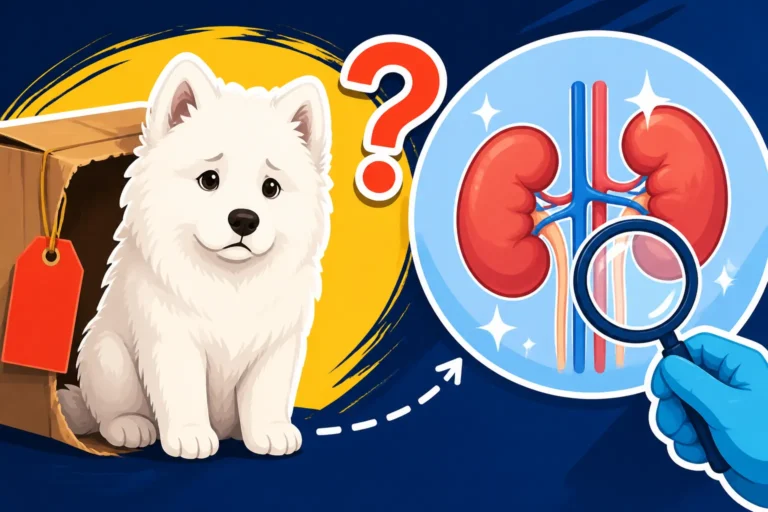
When you adopt a puppy, you're often given information about the parents' health clearances, but the puppy's individual health journey is just beginning. With an older Samoyed, especially one coming from a reputable rescue or an owner who has provided thorough medical records, you might have a much clearer picture of their health history. This can include past illnesses, injuries, allergies, and vaccination records. Many rescues also conduct a full veterinary check-up upon intake, including blood work and dental assessments.
This transparent health background allows you to prepare better for any ongoing medical needs. For instance, if an older Samoyed already shows signs of Arthritis in an Older Samoyed, you can immediately start them on appropriate joint supplements or consider a supportive bed. While any dog, regardless of age, can develop new health issues, having a known history can help you make informed decisions. Some senior dogs may even come spayed or neutered, and up-to-date on all their shots, saving you those initial veterinary costs. For unexpected illnesses or injuries down the road, having pet insurance like Healthy Paws can be a real lifesaver, but understanding pre-existing conditions (or lack thereof) is invaluable upfront.
Navigating the Unique Challenges of Older Samoyed Adoption
While the benefits of adopting a mature Samoyed are substantial, it would be disingenuous to suggest it's entirely without its unique hurdles. Just like any deeply rewarding relationship, bringing an older dog into your life comes with its own set of considerations and responsibilities. It’s important to approach this with open eyes and a prepared heart.
Dealing with Potential Behavioral Quirks or Past Trauma
It's true that some older Samoyeds in rescue might come with a bit of "baggage." This isn't always negative, but it means they might have ingrained habits or sensitivities that require patience and understanding. A dog might have been rehomed due to a specific behavior that the previous owner found challenging, such as excessive barking (the famous The Samoyed Scream and Why It Is Not Barking), digging, or being a bit of an escape artist (How a Samoyed Gets Out of Anything You Build). These aren't necessarily "bad" behaviors, but they are Samoyed traits that might have become problematic in a previous environment.
More seriously, some dogs might have experienced neglect or trauma. While Samoyeds are generally known for their resilient and loving nature, a past negative experience could manifest as shyness, fear of certain sounds or people, or resource guarding. It's crucial to understand that these behaviors aren't typically malicious but are often rooted in fear or confusion. Whether a Rescue Samoyed Trusts Again is a question of patience and consistent positive reinforcement. Working with a qualified professional trainer or behaviorist might be necessary to help them overcome these hurdles and Settling a Rehomed Adult Samoyed. The key is to provide a stable, predictable, and loving environment, and to be prepared to invest time in gentle rehabilitation if needed. This isn't always an "easier" path than puppy training, but it's a deeply meaningful one.
The Financial Realities of Senior Dog Healthcare
While the initial adoption fee for an older Samoyed might be comparable to, or even less than, a puppy, the potential long-term financial commitment for healthcare can be significant. Just as humans accumulate aches, pains, and health issues with age, so do dogs. An older Samoyed is simply more likely to develop age-related conditions such as Arthritis in an Older Samoyed, dental disease, thyroid issues, or even kidney disease. While we talked about the benefit of knowing their health history, that history might reveal existing conditions that require ongoing medication, special diets (like those available through Chewy or Ollie for specific needs), or regular vet visits.
For example, a senior Samoyed might need joint supplements, pain management, or more frequent dental cleanings under anesthesia. They might require yearly blood panels to monitor organ function, which can add up. While pet insurance can help mitigate the costs of new conditions, it typically won't cover pre-existing ones. This means you need to be financially prepared for the possibility of increased veterinary expenses as they age. Think of it not as a burden, but as an investment in their comfort and quality of life during their golden years.
The Emotional Aspect of a Shorter Lifespan
This is perhaps the most difficult challenge to face: an older Samoyed, by definition, has fewer years left than a puppy. While a Samoyed can live The Twelve to Fourteen Years a Samoyed Lives, adopting a dog who is already 7 or 8 means you might only have a few precious years together. This knowledge can be bittersweet. You fall in love, you bond deeply, and you know that goodbye is likely closer than if you'd started with a puppy.
This emotional reality can be tough, especially for those who have experienced the grief of losing a beloved pet before. However, many adopters find immense satisfaction in knowing they gave a deserving dog a comfortable, loving, and dignified final chapter. Every moment becomes more precious, every wag of the tail, every lean into your hand, a testament to the love you share. It's not about how many years you have, but the quality of the years you create together. The love of an older dog is profound, and they often seem to appreciate their new lease on life with an incredible depth of gratitude. Caring for a Samoyed Past Nine requires a special kind of dedication and love.
How to Find and Prepare for Your Older Samoyed
If you've weighed the pros and cons and feel that an older Samoyed is the right fit for your home and heart, congratulations! You're about to embark on an incredibly rewarding journey. Finding the right senior Samoyed and preparing your home for their arrival are crucial steps to ensure a smooth transition for everyone.
Working with Reputable Samoyed Rescues
The absolute best place to find an older Samoyed is through a breed-specific rescue organization. These groups are dedicated to the Samoyed breed, meaning they deeply understand their unique needs, temperament, and potential health concerns. They often have dogs in foster homes, which allows them to observe the dog in a real-world setting and provide detailed insights into its personality, habits, and any quirks. This information is invaluable when trying to match a dog with the right family.
Here’s what to look for when working with a rescue:
- Thorough Application Process: Expect a detailed application, references, and often a home visit. This isn't to be intrusive, but to ensure you can provide a safe and suitable environment for a Samoyed.
- Comprehensive Health Checks: Reputable rescues invest in veterinary care. They should be able to provide Whether Rescue Samoyeds Come With Health Records, including vaccination history, spay/neuter status, and any known medical conditions. They may even perform some basic health screenings that a typical owner might not think of, such as a full blood panel or dental assessment.
- Transparency About Behavior: They should be upfront about any known behavioral issues, fears, or past traumas. They'll work with you to find a dog whose personality and needs align with your lifestyle. They might even offer guidance on Whether a Samoyed Needs a Professional Trainer for specific issues.
- Post-Adoption Support: Good rescues offer ongoing support and advice after adoption. They want these placements to be forever homes.
Don't be afraid to ask questions. Inquire about the dog's history (if known), their routine in foster care, how they interact with children or other pets, and their energy levels. Patience is key; finding the perfect match might take some time, but it's worth the wait. Many breed-specific rescues operate regionally or nationally, so you might need to broaden your search beyond your immediate locality. You can usually find them through the Samoyed Club of America website or by doing a quick search for "Samoyed rescue near me." Understand that What a Samoyed Rescue Charges will cover some of the extensive care they provide.
Creating a Welcoming Environment for an Adult Dog
Preparing your home for an older Samoyed is similar to preparing for a puppy in some ways, but with a few key differences focused on comfort and minimizing stress.
- Safe Space: Designate a quiet, comfortable "den" area where your Samoyed can retreat when they need peace and quiet. This could be a crate (with the door open, never forced!), a soft bed in a low-traffic area, or a corner of a room. Make sure they have a plush, orthopedic bed – especially if they are getting on in years and might have joint stiffness. What an Arthritic Samoyed Should Sleep On makes a huge difference to their comfort.
- Food and Water: Have appropriate food and water bowls ready. Inquire with the rescue about the dog's current diet and try to maintain it, at least initially, to avoid digestive upset. You can gradually transition them to a new food if desired, perhaps a high-quality senior formula available from Chewy or Ollie, after they've settled in.
- Leash and Collar/Harness: Ensure you have a sturdy leash and a comfortable collar or harness that fits well. An older Samoyed might be more accustomed to a specific type of walking gear, so ask the rescue if they have a preference.
- Safety Proofing: While they're past the puppy chewing stage, older dogs can still get into trouble. Secure any toxic substances, remove breakable items from tail-wagging height, and ensure your yard is securely fenced. Samoyeds are notorious for being escape artists, so double-check gates and fence integrity.
- Patience and Routine: The first few weeks are all about adjustment. Maintain a predictable routine for feeding, walks, and potty breaks. Speak in a calm, reassuring voice. Don't overwhelm them with too many new experiences or visitors right away. Give them space and time to decompress and bond with you at their own pace. Remember, they're learning a whole new life with you.
Essential Questions to Ask Before Adoption
When you’re seriously considering an older Samoyed, think of yourself as an investigative journalist. The more information you gather, the better prepared you'll be.
- Age and Health History: What is their estimated age? Have they had any significant health issues, surgeries, or chronic conditions? What medications are they currently on? What were the results of their last vet check-up and bloodwork?
- Temperament and Personality: What is their general disposition? Are they playful, calm, cuddly, independent? How do they react to strangers, children, other dogs, or cats? Are they house-trained? Do they have any known fears or anxieties (e.g., thunderstorms, loud noises)?
- Daily Routine and Habits: What is their typical daily schedule for eating, potty breaks, and exercise? Do they have any quirky habits, like digging (The Digging a Samoyed Does Because It Is Hot) or vocalizing a lot? Do they enjoy car rides?
- Reason for Surrender: While sometimes unknown, understanding why the dog entered the rescue can offer valuable insights into potential challenges or past living situations.
- Foster Parent Insights: If the dog is in a foster home, ask the foster parent specific questions. They can provide invaluable anecdotal information about the dog's true personality in a home environment.
- Adoption Fee and What It Includes: Understand What Adopting a Samoyed Costs Instead of Buying One and exactly what this fee covers (vet care, microchipping, spay/neuter).
- Post-Adoption Support: What kind of support does the rescue offer after you bring your Samoyed home? Do they have a return policy if things don't work out?
By asking these comprehensive questions, you empower yourself to make the most informed decision, ensuring that both you and your new older Samoyed are set up for a successful and loving future together. Adopting an older Samoyed might not always be "easier," but it is unquestionably a deeply rewarding and often smoother transition for those prepared to embrace the unique joys and responsibilities that come with it.
Disclaimer
This article is for general informational purposes only and does not constitute professional advice. Laws, prices and regulations vary by location and change over time. Consult a qualified professional for guidance on your specific situation.