What Samoyeds Actually Die Of
It's heartbreaking to even think about, isn't it? We look at our Samoyeds with their perpetual smiles, their fluffy coats, and their boundless energy, and it's easy to fall into the trap of believing they're invincible. But the truth is, like all living beings, Samoyeds face specific health challenges, and understanding what risks truly lurk can empower us as owners. This guide will take an honest look at the real, sometimes difficult, reasons Samoyeds pass away, helping you prepare and advocate for your beloved companion.
Understanding the Samoyed Lifespan and What Influences It
When you bring a Samoyed into your home, you envision years of happy, fluffy companionship. And for many, that's exactly what they get! But the idea that Samoyeds are universally hardy and free from serious health concerns is a misconception that can set owners up for a painful surprise. Knowing the general expectations and the breed's vulnerabilities is the first step toward proactive care.
The Typical Lifespan of a Samoyed
Generally speaking, a well-cared-for Samoyed can live a good, long life, often gracing our lives for somewhere between 12 to 14 years. This range, however, isn't a guarantee for every individual dog. Just like with people, genetics, diet, exercise, environment, and access to quality veterinary care all play massive roles in determining how many years you get with your furry best friend. You might even find yourself caring for a Samoyed past nine, enjoying their senior years with them.
Factors that positively influence a longer lifespan include being fed a balanced diet tailored to their life stage and activity level, getting consistent and appropriate exercise, maintaining a healthy weight to prevent strain on joints and organs, and receiving regular preventative veterinary check-ups. Unfortunately, even with the best care, some Samoyeds will be predisposed to conditions that can shorten their time with us.
Debunking the "Always Healthy" Myth
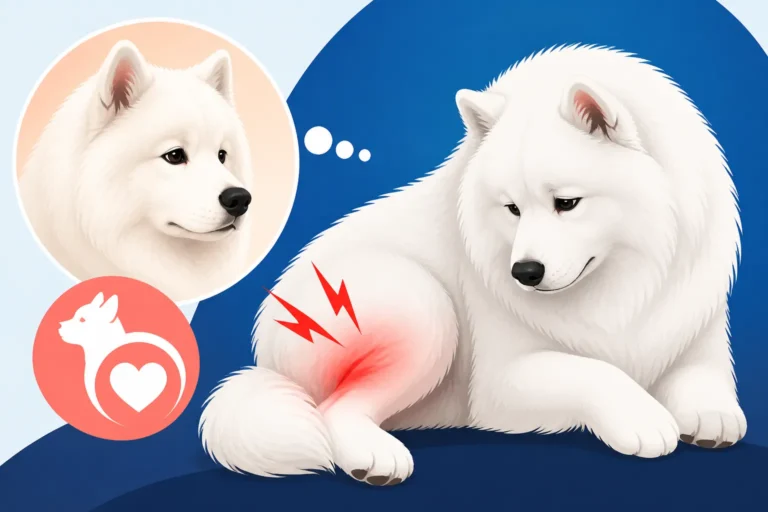
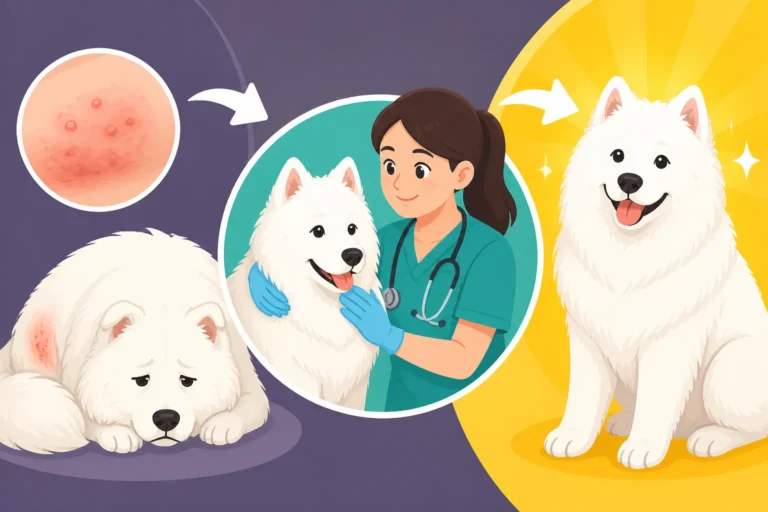
The Samoyed's iconic "smile" is utterly charming, isn't it? It makes them look perpetually happy, friendly, and robust. But this wonderful trait, a result of their slightly upturned mouth corners, can sometimes mask a deeper truth: Samoyeds are incredibly stoic when it comes to pain or illness. They are masters at hiding discomfort, often carrying on with their happy demeanor even when something is seriously wrong. This natural tendency to appear fine means that by the time a Samoyed visibly shows signs of illness, the condition might already be quite advanced.
This can be incredibly frustrating and frightening for owners. You might only notice a subtle shift in appetite, a slight decrease in energy, or a tiny change in their routine, and by the time you realize it's significant, you're already playing catch-up. This stoicism is why vigilant observation and regular vet visits are so crucial for Samoyeds, as even the slightest change could be an indicator of a much larger problem. Understanding How a Samoyed Hides Illness Behind a Smile is vital for every owner.
Genetic Health Concerns That Can Cut Lives Short
While Samoyeds are generally considered a robust breed, they, like all purebreds, have a predisposition to certain genetic conditions that can unfortunately lead to premature death or significantly impact their quality of life. Responsible breeding practices have made strides in reducing the incidence of some of these, but awareness remains paramount for every Samoyed owner.
Hereditary Glomerulopathy (Samoyed Hereditary Nephritis)
This condition, often referred to as Samoyed Hereditary Nephritis (SHN), is perhaps one of the most devastating genetic diseases that can affect the breed. It's a progressive kidney disease that primarily affects male Samoyeds, leading to kidney failure at a very young age. The heartbreaking reality is that The Kidney Disease That Kills Samoyed Males Before Fifteen Months can often take these beautiful boys from us far too soon. It's an X-linked dominant condition, meaning males, with only one X chromosome, are severely affected, while carrier females typically have a much milder form or remain asymptomatic, though they can still pass the gene on.
The disease targets the glomeruli, the tiny filtering units in the kidneys, causing them to break down and leak protein. Early signs can be subtle, like increased thirst or urination, but they quickly progress to more severe symptoms as the kidneys fail. For affected males, the prognosis is grim, and it's a condition that truly devastates families. This is precisely why The COL4A5 Test Every Samoyed Buyer Should Ask About is so incredibly important for breeders and prospective owners, as it can identify affected or carrier dogs, helping to prevent the breeding of affected puppies. Learning Why Samoyed Hereditary Glomerulopathy Only Devastates the Boys offers deeper insight into its genetic mechanism.
Cardiac Issues: Subaortic Stenosis
Another serious genetic concern in Samoyeds, although less common than SHN, is Subaortic Stenosis (SAS). This is a congenital heart defect, meaning it's present from birth, where a fibrous ring or ridge develops just below the aortic valve. This obstruction forces the heart to work much harder to pump blood to the body, leading to thickening of the heart muscle and potential heart failure. The severity can vary greatly, from mild cases that might go unnoticed for years to severe obstructions that can lead to sudden death, especially during exercise or stress, even in young dogs.
Diagnosing SAS often involves a veterinarian detecting a heart murmur during a routine check-up. Further diagnostics like an echocardiogram are then needed to confirm the diagnosis and assess the severity. Unfortunately, there's no cure for SAS, and treatment primarily focuses on managing symptoms and slowing the progression of heart disease with medication. It's a frightening thought that your smiling, energetic Samoyed could be carrying such a silent threat, which is why understanding Aortic Stenosis in a Samoyed and Subaortic Stenosis in a Samoyed is so critical.
Certain Cancers
Like many breeds, Samoyeds are not immune to cancer, which remains a leading cause of death in older dogs across the board. While specific types of cancer aren't exclusively unique to Samoyeds, they can be predisposed to certain forms that can be aggressive and life-limiting. Lymphoma, osteosarcoma (bone cancer), and various types of carcinomas are unfortunately seen in the breed.
The insidious nature of cancer means it can strike at any age, though it becomes more prevalent as dogs get older. Symptoms are often vague initially and can mimic other conditions, making early diagnosis challenging. A lump that grows quickly, unexplained weight loss, lethargy, loss of appetite, or persistent lameness are all red flags that warrant immediate veterinary attention. Advances in veterinary oncology mean that treatments like chemotherapy, radiation, and surgery can extend quality of life for a time, but ultimately, many cancers prove fatal.
Acquired Diseases and Metabolic Conditions
Beyond the genetic predispositions, Samoyeds, like all dogs, can develop a range of acquired diseases and metabolic conditions throughout their lives. These conditions aren't necessarily inherited but can significantly impact their health and lifespan, often requiring ongoing management and dedicated care.
Diabetes Mellitus
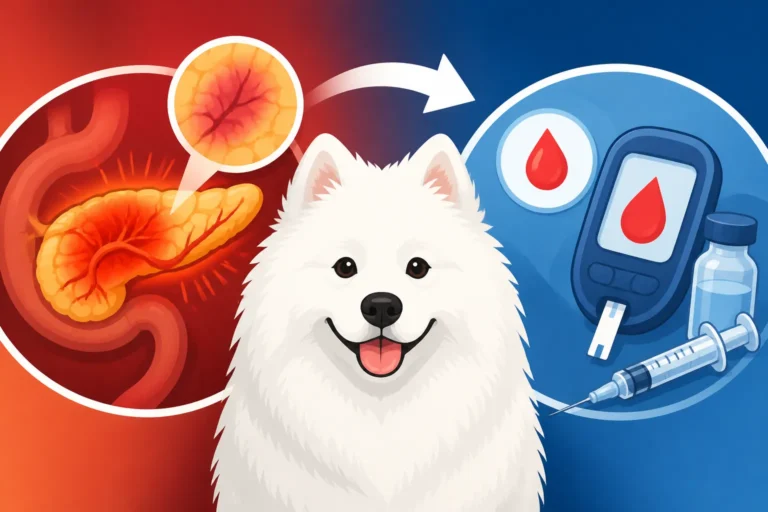
Diabetes in dogs, specifically Diabetes Mellitus, is a condition where the pancreas either doesn't produce enough insulin or the body's cells don't respond properly to the insulin produced. Insulin is crucial for regulating blood sugar (glucose) levels, which cells need for energy. Without proper insulin function, glucose builds up in the bloodstream, leading to a cascade of health problems. Samoyeds, particularly those in their middle age, are among the breeds that can develop this condition. If you notice your Samoyed constantly drinking water, urinating frequently, or experiencing sudden weight loss despite eating, these could be signs a Samoyed has become diabetic.
Managing a diabetic Samoyed is a lifelong commitment, typically involving daily insulin injections, a carefully controlled diet, and regular monitoring of blood glucose levels. While it sounds daunting, many owners successfully manage their diabetic dogs, allowing them to live happy, fulfilling lives. However, if left undiagnosed or improperly managed, diabetes can lead to severe complications like cataracts (which can lead to blindness), kidney failure, and a life-threatening condition called diabetic ketoacidosis, which can be fatal. Learning about Diabetes in a Middle Aged Samoyed and Diabetes Mellitus in a Samoyed is crucial for early detection and management. Interestingly, inflammation of the pancreas, known as pancreatitis, often precedes diabetes in dogs, so understanding Why Pancreatitis Precedes Samoyed Diabetes can offer preventative insights.
Bloat (Gastric Dilatation-Volvulus – GDV)
Bloat, or Gastric Dilatation-Volvulus (GDV), is an acute, life-threatening condition that can affect deep-chested breeds like Samoyeds. It occurs when the stomach fills with gas, food, or fluid (dilatation) and then twists upon itself (volvulus), trapping the contents and cutting off blood supply. This is an extreme emergency, and if not treated immediately, it is almost always fatal. The symptoms can come on very quickly: a swollen, hard abdomen, retching without producing anything, excessive drooling, restlessness, weakness, and collapse.
It's one of those conditions that strikes fear into the hearts of large breed owners because time is of the essence. You literally have minutes, not hours, to get your dog to an emergency veterinary clinic for surgery. Prevention strategies often include feeding smaller meals more frequently, avoiding intense exercise right before or after eating, and for some high-risk dogs, a prophylactic gastropexy (surgically tacking the stomach to the abdominal wall) can be performed. This procedure can prevent the stomach from twisting, though it won't prevent bloat itself. For more detailed information, consider reading up on Bloat in a Samoyed.
Organ Failure (Non-Genetic Causes)
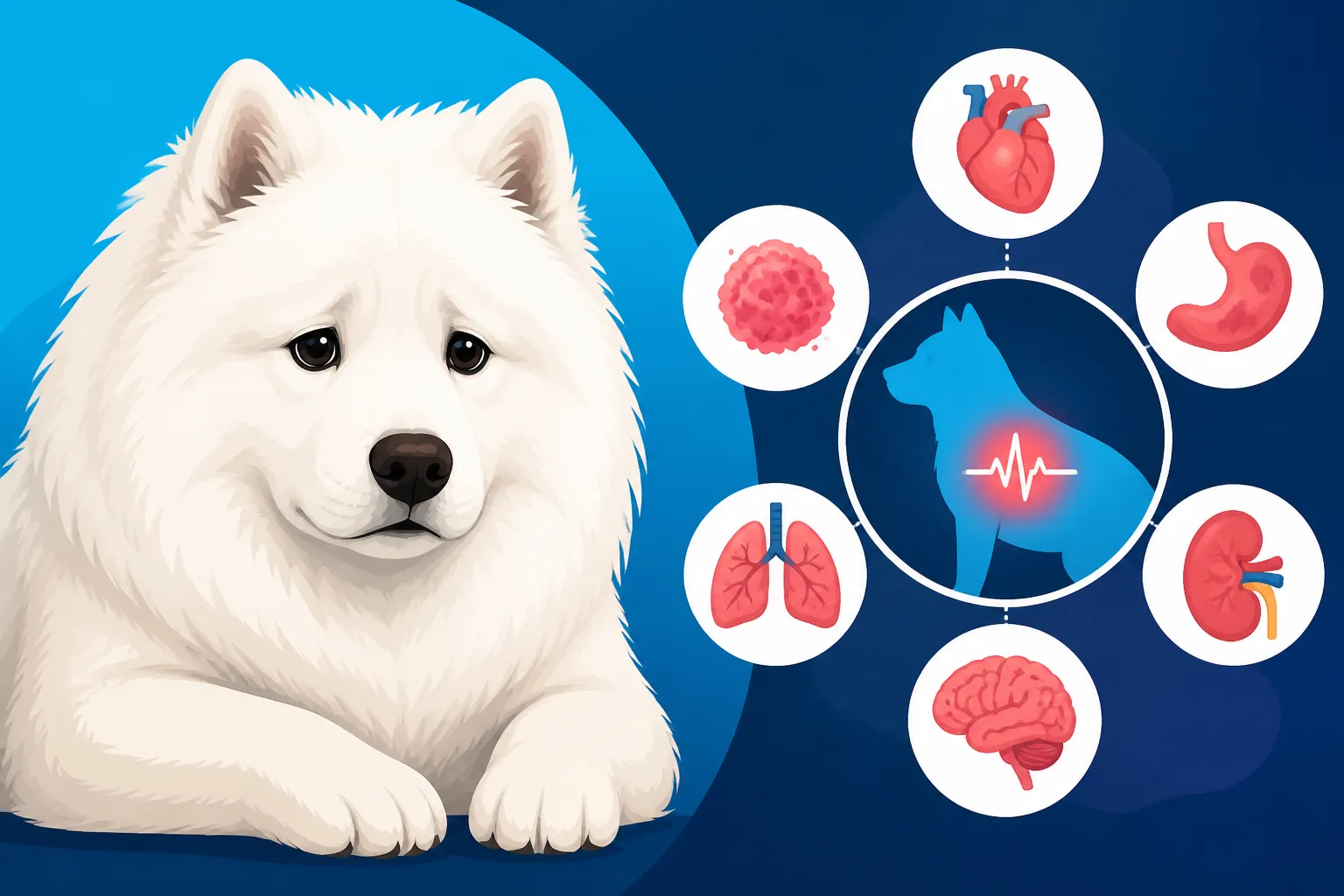
Beyond specific hereditary conditions like SHN, Samoyeds can, like any dog, experience organ failure due to a variety of non-genetic causes. The kidneys, liver, and heart are vital organs that can fail due to age, infection, toxin exposure, or chronic diseases. For example, acute kidney failure can result from ingesting certain poisons (like antifreeze or lily plants) or from a severe infection, while chronic kidney disease is often a slow, progressive decline linked to aging or underlying issues.
Liver disease can manifest in many ways, from acute injury to chronic inflammation, impacting the liver's ability to filter toxins, produce essential proteins, and aid digestion. Heart failure, separate from congenital defects like SAS, can develop from chronic valvular disease or dilated cardiomyopathy, where the heart muscle weakens over time. The signs of organ failure are often vague and can include lethargy, loss of appetite, vomiting, increased thirst, and changes in urination. Early detection and aggressive supportive care are key, but in many cases, severe organ failure is ultimately life-limiting.
Accidents, Environment, and Sudden Tragedies
Sometimes, the unfortunate reasons Samoyeds pass away have nothing to do with genetics or disease, but rather with external factors, environmental hazards, or unforeseen accidents. These are often the most heartbreaking because they can strike without warning, leaving owners reeling.
Heatstroke and Overheating
The Samoyed is a magnificent breed, built by nature for the brutally cold Arctic. Their dense, double coat is a marvel of insulation, designed to keep them warm in freezing temperatures, but it also means they are incredibly susceptible to overheating, especially in warmer climates or during strenuous activity. A Samoyed built for sixty below in an American summer is already at a disadvantage. Their thick fur, while insulating against both cold and heat, cannot prevent heatstroke when temperatures soar, humidity is high, or they are over-exercised.
Heatstroke is a medical emergency where the dog's body temperature rises to dangerous levels, leading to organ damage and potentially death. Symptoms include excessive panting, profuse drooling, staggering, weakness, vomiting, diarrhea, and collapse. It's a silent killer that can strike quickly. Never leave a Samoyed in a hot car, even for a few minutes, and always provide ample shade and cool water during outdoor activity. Many Samoyed owners in hot regions choose to restrict outdoor exercise to early mornings or late evenings in summer, or simply keep their Samoyeds indoors with air conditioning running. It's often debated Whether Heat Kills More Samoyeds Than Disease in certain parts of the world.
Accidental Injuries and Toxins
A tragic reality is that accidents can happen to even the most carefully watched Samoyeds. Road accidents are a leading cause of accidental death for dogs, especially those with a strong prey drive and an independent streak that might lead them to dart into traffic if given the opportunity. Even a perfectly fenced yard can have a weak spot, or a gate might accidentally be left ajar. Given how easily a Samoyed gets out of anything you build, this is a very real concern.
Beyond traffic, other accidental injuries like falls, serious fights with other animals, or even freak incidents during play can sometimes be severe enough to be fatal or necessitate euthanasia due to irreversible damage. Ingesting toxins is another major threat. Common household items like certain human medications, cleaning products, rat poison, slug bait, certain plants (like sago palms or lilies), and even seemingly innocuous human foods like chocolate, grapes, xylitol (a sugar substitute), or onions can be deadly to dogs. A curious Samoyed might easily get into something harmful, making it crucial for owners to "dog-proof" their homes and yards thoroughly.
The Inevitable March of Time: Senior Samoyed Health
While we wish our Samoyeds could stay puppies forever, the reality is that they age, and with age come a new set of challenges that can ultimately lead to their passing. Embracing their senior years and understanding these changes allows us to provide the best possible comfort and care.
Arthritis and Mobility Issues
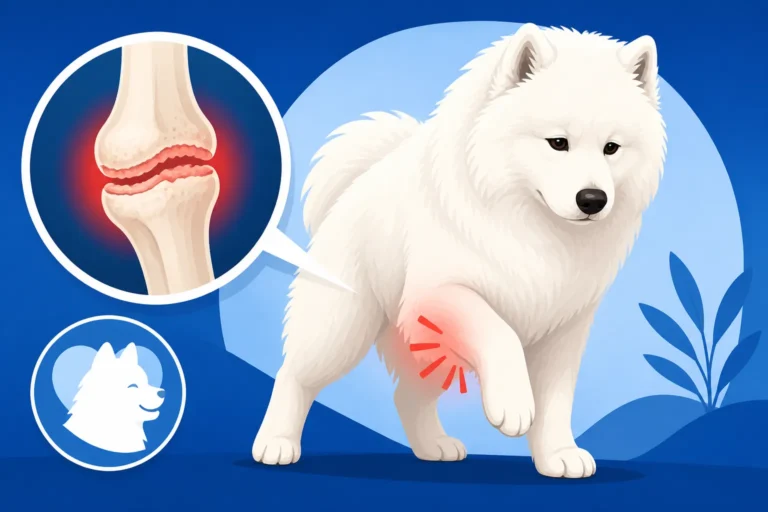
As Samoyeds reach their golden years, typically starting around The Age a Samoyed Counts as a Senior, arthritis and other mobility issues become increasingly common. While not directly fatal, chronic pain and severe loss of mobility can drastically reduce a dog's quality of life, often leading owners to make the heart-wrenching decision of euthanasia. Conditions like hip dysplasia in a Samoyed, even if mild in youth, can progress into debilitating arthritis later in life.
Arthritis causes inflammation and degeneration of the joints, leading to stiffness, pain, difficulty getting up, reluctance to climb stairs, and a general slowing down. It's heartbreaking to see your once energetic Samoyed struggle just to stand up. Management involves a combination of pain medication, joint supplements, physical therapy, weight management, and creating a comfortable home environment with orthopedic beds and ramps. Arthritis in an Older Samoyed is a common, often chronic, issue that requires careful attention and compassion from owners. Taking good care of Caring for a Samoyed Past Nine means being mindful of their changing physical needs.
Cognitive Decline and Organ System Failure
Just like humans, older Samoyeds can experience cognitive decline, often referred to as Canine Cognitive Dysfunction (CCD). This is essentially doggie dementia, and it can manifest as disorientation, changes in sleep-wake cycles, altered interactions with family members, house-soiling accidents, and increased anxiety. While CCD itself isn't directly fatal, it can severely impact a dog's quality of life and the human-animal bond, making care increasingly challenging.
More commonly, age leads to a general decline in organ function, eventually resulting in what we broadly term "organ system failure." The kidneys and liver, having worked tirelessly for over a decade, may begin to fail. The heart may weaken, leading to congestive heart failure. These are often not acute, sudden events, but a slow, progressive deterioration where the body simply can no longer sustain itself. The signs are usually a combination of lethargy, decreased appetite, weight loss, increased thirst, and a general lack of enthusiasm for activities they once loved. It's a natural, albeit painful, part of the aging process, and the focus shifts to palliative care and ensuring comfort in their final days.
Proactive Steps for a Longer, Healthier Samoyed Life
While some fates are unavoidable, there's a great deal we, as Samoyed owners, can do to increase the odds of our beloved companions living long, healthy, and happy lives. It all comes down to informed decisions, preventative care, and a dedicated commitment to their well-being.
Responsible Breeding and Health Testing
One of the most impactful ways to safeguard a Samoyed's health from the outset is to choose a puppy from a responsible breeder who prioritizes health testing. This means breeders should be diligently screening their breeding stock for known genetic conditions prevalent in the breed. For Samoyeds, this absolutely includes DNA testing for Samoyed Hereditary Glomerulopathy (COL4A5 gene) and ensuring all breeding dogs have current cardiac and orthopedic clearances, such as hip and elbow evaluations through organizations like the Orthopedic Foundation for Animals (OFA).
A responsible breeder will be transparent about their health testing results and readily share them with prospective buyers. They understand that breeding isn't just about producing beautiful puppies, but about ensuring those puppies have the best possible chance at a healthy life. Asking about The Health Tests Both Samoyed Parents Should Have is not just smart, it's essential. Choosing a puppy from parents with clear health certifications significantly reduces the risk of inheriting devastating genetic diseases, giving your Samoyed a much better head start.
Preventative Veterinary Care and Lifestyle
Even with the best genetics, a Samoyed's health is largely shaped by the daily care and environment we provide. This starts with regular preventative veterinary check-ups, ideally annually for adults and twice a year for seniors. These visits allow your vet to catch subtle changes early, address minor issues before they become major problems, and keep vaccinations and parasite prevention up to date. Routine blood work and urine tests, especially as your Samoyed ages, can monitor organ function and catch early signs of kidney or liver disease, even for issues like Whether a Samoyed Needs Yearly Kidney Bloodwork.
A balanced, high-quality diet appropriate for their age, activity level, and any specific health needs is paramount. Maintaining a healthy weight is critical, as obesity exacerbates conditions like arthritis and increases the risk of diabetes and other metabolic issues. Consistent exercise tailored to their individual energy levels helps keep their bodies and minds healthy. Finally, considering pet insurance, such as through providers like Healthy Paws, can be an absolute lifesaver. It provides a financial safety net, allowing you to pursue the best diagnostic and treatment options without agonizing over cost during an emergency or when managing a chronic illness. Having a good insurance plan can make a world of difference when unexpected illnesses or accidents occur, removing a significant burden from your shoulders.
Regular grooming is also crucial, not just for aesthetics, but for health. A matted coat can lead to skin infections and hide lumps or injuries. Regular brushing also allows you to physically check your dog for any new lumps, bumps, or tender spots that might warrant a vet visit. By being proactive and attentive to both their physical and mental needs, we can significantly contribute to our Samoyed's overall well-being and increase their chances of a long, joyful life.
Disclaimer
Please remember that this article provides general information and insights into common health concerns and causes of death in Samoyeds. It is not a substitute for professional veterinary advice. Every dog is an individual, and health situations can vary greatly. Always consult with a qualified veterinarian for any health concerns or before making any decisions regarding your Samoyed's medical care.