Whether a Samoyed Daughter of an Affected Male Is a Carrier
It’s an agonizing moment for any Samoyed owner: discovering your beloved fluffy companion might be at risk for a serious genetic health condition. The thought alone can keep you up at night, imagining the worst. When a male Samoyed is affected by a condition as devastating as Samoyed Hereditary Glomerulopathy (SHG), often referred to as "Samoyed Hereditary Nephritis," it leaves a lasting impact, not just on that individual dog, but on how we view the health of his lineage. A common and deeply troubling question that arises is about his female offspring: if a male Samoyed tragically falls victim to SHG, are his daughters automatically carriers of this formidable kidney disease? This guide will meticulously unravel the genetics behind this specific scenario, offering clarity and peace of mind, along with crucial information for responsible Samoyed ownership.
Understanding Samoyed Hereditary Glomerulopathy and its Unique Inheritance
Navigating the complex world of canine genetics can feel like learning a whole new language, especially when it concerns a condition as specific and serious as Samoyed Hereditary Glomerulopathy. Many owners are just trying to understand what’s happening, and the scientific jargon can be overwhelming. Let's break down why this particular kidney disease presents such a unique challenge for our fluffy friends and how its inheritance pattern specifically impacts male and female Samoyeds differently.
What is Samoyed Hereditary Glomerulopathy?
Samoyed Hereditary Glomerulopathy (SHG) is not just any kidney disease; it's a genetically inherited disorder that primarily and severely impacts male Samoyeds. It's caused by a mutation in the COL4A5 gene, which is responsible for producing a specific type of collagen, Type IV. This collagen is absolutely vital for the structural integrity and proper function of the kidney's filtering units, called glomeruli. Think of the glomeruli as tiny, intricate strainers within the kidneys, working tirelessly to filter waste products from the blood while keeping essential proteins within the body. When the collagen scaffolding of these filters is faulty due to the COL4A5 mutation, these strainers become leaky.
For affected male Samoyeds, this leaky filter system leads to a progressive and irreversible decline in kidney function. They start losing vital protein in their urine, a condition known as proteinuria. Over time, the damage escalates, leading to full-blown kidney failure. The heartbreaking reality is that male Samoyeds affected by SHG typically don't live past 15 months of age, with many succumbing even earlier. It's a truly devastating diagnosis, often manifesting when they are still playful, energetic puppies. This rapid progression and early demise are part of what makes SHG such a critical concern within the breed. For a deeper dive into the tragic timeline, you might want to read about The Kidney Disease That Kills Samoyed Males Before Fifteen Months.
Decoding X-Linked Dominant Inheritance in Samoyeds
The reason SHG behaves so differently in males versus females lies squarely in its mode of inheritance: it's an X-linked dominant genetic disorder. If you're scratching your head, you're not alone! Many people are familiar with dominant or recessive traits, but "X-linked" adds another layer of complexity.
Let's simplify. Chromosomes are the structures within cells that carry our genes. In dogs, as in humans, sex is determined by a pair of sex chromosomes: females have two X chromosomes (XX), and males have one X and one Y chromosome (XY). The mutated COL4A5 gene responsible for SHG is located specifically on the X chromosome. This is key.
Because the gene is dominant, only one copy of the mutated gene is needed for the trait to be expressed.
- For Males (XY): A male Samoyed only has one X chromosome. If that single X chromosome carries the mutated COL4A5 gene, there's no "backup" X chromosome to compensate. Therefore, any male who inherits the mutated gene on his X chromosome will be affected by SHG. This is why you often hear the heartbreaking statistic that Why Samoyed Hereditary Glomerulopathy Only Devastates the Boys.
- For Females (XX): A female Samoyed has two X chromosomes. If she inherits one X chromosome with the mutated COL4A5 gene and one normal X chromosome, she is considered a carrier. Because she has that second, healthy X chromosome, it often provides enough normal collagen production to prevent the severe, early-onset kidney failure seen in males. While she might exhibit very mild, often subclinical, signs of kidney disease later in life, she generally does not experience the devastating progression that affects her male relatives. This "protective" effect of the second X chromosome is what distinguishes carriers from affected individuals. Understanding this X-linked mechanism is fundamental to comprehending how the disease is passed down through generations and why females typically fare so much better than males even when carrying the gene.
The Inevitable Truth: Daughters of Affected Samoyed Males are Carriers
This is the question that weighs heavily on the hearts of anyone who has witnessed the tragic reality of Samoyed Hereditary Glomerulopathy. If a male Samoyed has suffered from this devastating disease, what does that mean for his female offspring? The answer, unequivocally, comes down to the fundamental principles of X-linked inheritance. There’s no sugar-coating it, and it’s a truth that every owner and prospective breeder needs to understand fully.
Why Every Daughter Inherits the Gene
Let's revisit how genes are passed from parent to offspring in the context of sex chromosomes. As we discussed, a male dog has an XY chromosome pair. His X chromosome is derived solely from his mother, and his Y chromosome from his father. When this male reproduces:
- He will always pass his Y chromosome to his sons.
- He will always pass his X chromosome to his daughters.
Now, here's the critical piece of information directly addressing your question: if a male Samoyed is affected by Samoyed Hereditary Glomerulopathy, it means his only X chromosome must carry the mutated COL4A5 gene. There is no other explanation for an affected male. He doesn't have a second, healthy X chromosome to mask the effects; he simply has the one X, and that one X is faulty.
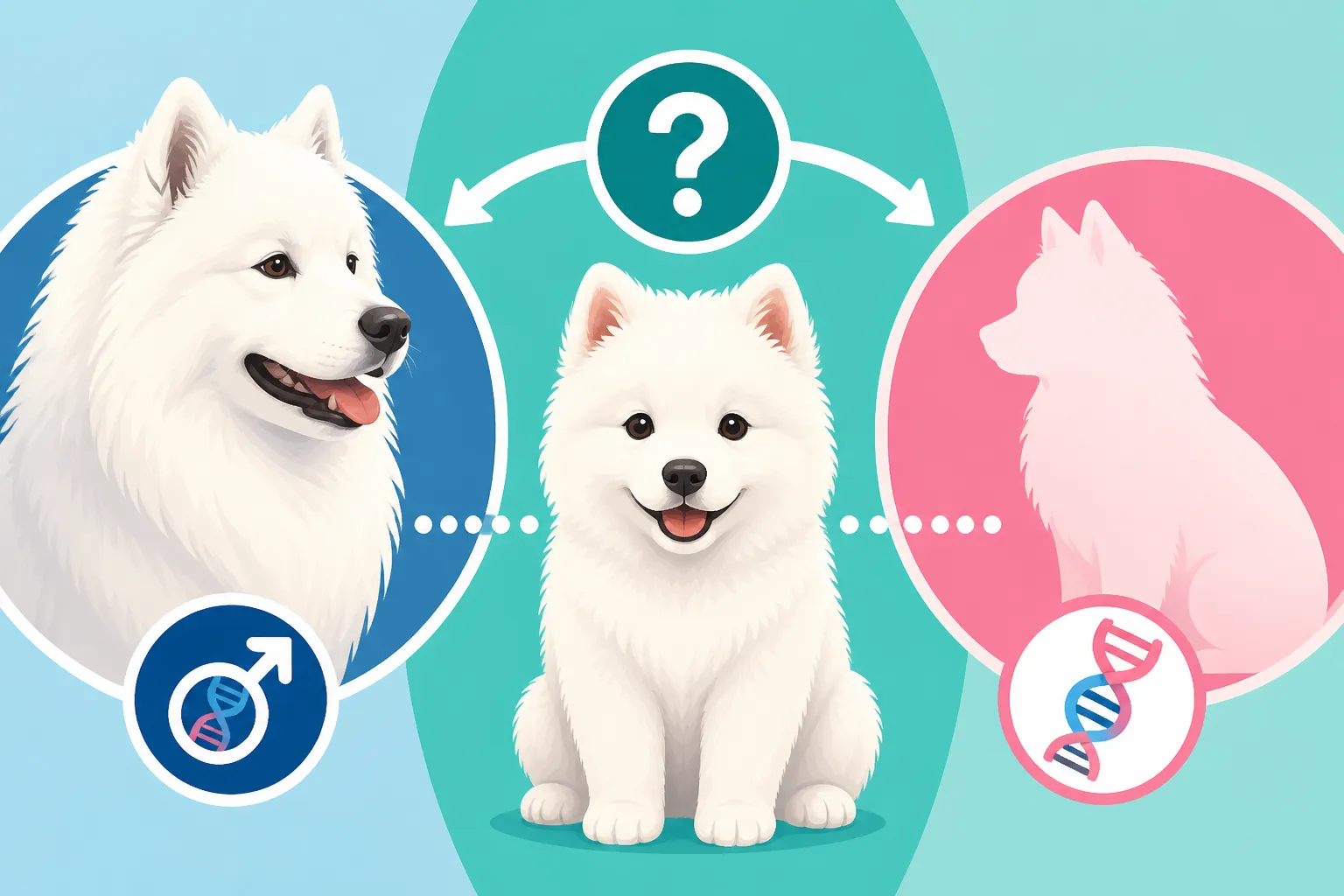
Therefore, because he passes this same, single, affected X chromosome to every single one of his daughters, it stands to reason that all of his daughters will inherit the mutated gene. There's no escaping it. Each and every female pup he produces will receive that compromised X chromosome from her father. She will also inherit a second X chromosome from her mother. This means that, genetically speaking, all daughters of an affected male Samoyed will be carriers of the SHG mutation. There’s no chance for them to be genetically clear, given the father’s affected status. This contrasts sharply with a male puppy, who receives his X chromosome exclusively from his mother, as explored in Whether a Samoyed Male Inherits the Gene From His Mother.
What Being a Carrier Means for a Female Samoyed
While the genetic certainty that all daughters of an affected male are carriers can sound alarming, it's crucial to understand what "carrier" truly signifies for a female Samoyed. It does not mean she will suffer the same fate as her affected father. This is the nuanced, yet incredibly important, distinction in X-linked dominant inheritance.
As a carrier female, she has one X chromosome with the mutated COL4A5 gene (from her affected father) and one healthy X chromosome (from her mother). This healthy X chromosome often provides enough functional collagen production to largely compensate for the faulty gene. As a result, carrier females typically experience:
- Mild or Subclinical Symptoms: Unlike affected males who develop severe, rapidly progressing kidney failure and rarely live beyond 15 months, carrier females usually lead long, otherwise healthy lives. They may exhibit very mild proteinuria (protein in the urine) that develops much later in life, often in middle to old age. This proteinuria might be detectable on routine veterinary tests, but it rarely progresses to severe kidney disease or kidney failure.
- Normal Lifespan: Most carrier females will live out a full, normal Samoyed lifespan of 12-14 years, without any overt signs of kidney issues. Their carrier status does not generally impede their quality of life or longevity. For more information on the typical lifespan, check out The Twelve to Fourteen Years a Samoyed Lives.
- Reproductive Implications: The main significance of a carrier female is her ability to pass the mutated gene on to her own offspring. While she may appear healthy, she can produce affected male puppies if bred with a non-carrier male. This makes careful genetic screening and responsible breeding practices paramount.
It's understandable to feel a pang of worry, knowing your female Samoyed carries such a serious gene. However, the experience of a carrier female is vastly different from that of an affected male. She doesn't face the same grim prognosis, but her status does carry significant implications for any future breeding decisions and requires a proactive approach to her health monitoring. You can learn more about this specific aspect by looking into Why a Carrier Female Samoyed Stays Mild.
Navigating Life with a Carrier Female and Future Considerations
Discovering your cherished Samoyed girl is a carrier for Samoyed Hereditary Glomerulopathy can evoke a whirlwind of emotions. Relief that she won't suffer like an affected male might be mixed with concern about her own health and, if you're a breeder, the profound implications for future generations. It's a lot to process, but with the right knowledge and proactive care, a carrier female can absolutely thrive.
Health Monitoring and Care for Carrier Females
Even though carrier females typically experience a much milder course of the disease, if any symptoms at all, it doesn't mean you should simply forget about her genetic status. Proactive health monitoring is a cornerstone of responsible ownership, providing peace of mind and allowing for early intervention should any subtle changes arise.
Here’s what proactive care for a carrier female Samoyed looks like:
- Regular Veterinary Check-ups: Standard annual veterinary exams are important for all dogs, but for a carrier female, they take on an added significance. Discuss her carrier status with your veterinarian so they are aware and can tailor their examinations.
- Urine Protein-to-Creatinine Ratio (UPC) Testing: This is perhaps the most crucial diagnostic tool for monitoring kidney health in carrier females. A UPC test measures the amount of protein being lost in the urine relative to creatinine, giving an indication of kidney function. While many carrier females may show no elevation, some might exhibit very mild, late-onset proteinuria. Regular annual or bi-annual UPC tests, especially as she approaches middle age (around 5-7 years old), can help detect any subtle changes early on. This kind of routine testing is often recommended for Why a Samoyed's Urine Should Be Tested Young in general, but it’s even more critical for carriers.
- Bloodwork (Kidney Values): While UPC is more sensitive for early detection of SHG-related issues in carriers, routine blood panels including BUN (Blood Urea Nitrogen) and Creatinine can also give a broader picture of overall kidney health. These values tend to elevate later in the disease process, but they are still valuable benchmarks.
- Diet and Hydration: Ensure she has access to fresh water at all times. A high-quality, balanced diet appropriate for her age and activity level is always recommended. There's generally no need for a specialized renal diet unless your vet detects significant proteinuria or other signs of kidney compromise.
- Be Observant: Pay attention to any changes in her drinking habits, urination frequency, appetite, or energy levels. While these are general signs of illness, they can sometimes indicate kidney issues. If you notice persistent changes, always consult your vet. Early signs of protein loss can be very subtle, as outlined in Signs a Samoyed Is Losing Protein in Its Urine.
Remember, the goal of this monitoring isn't to anticipate imminent disaster, but to be informed and proactive. Most carrier females lead perfectly normal, happy lives, and with attentive care, you can help ensure she continues to do so. Having pet insurance from providers like Healthy Paws can also offer significant peace of mind, helping to cover the costs of these routine diagnostic tests and any potential future treatments, should they ever be needed, without having to stress about the financial aspect during an already emotional time.
Ethical Breeding Decisions and Genetic Testing
This section is paramount for any owner considering breeding a carrier female Samoyed. The ability to pass on the mutated COL4A5 gene carries immense ethical responsibility. The very reason we have genetic tests for conditions like SHG is to make informed decisions that improve the health of the breed.
-
The Power of the DNA Test: The good news is that there is a highly reliable DNA test available for Samoyed Hereditary Glomerulopathy. This test, often referred to as The COL4A5 Test Every Samoyed Buyer Should Ask About, can accurately identify whether a Samoyed is clear, a carrier, or affected (though affected males rarely live long enough to be breeding age). Every responsible breeder should be utilizing this test on their breeding stock. You can also explore The DNA Test That Finds the Samoyed Kidney Gene for more detailed information.
-
Breeding a Carrier Female – The Risks: If a carrier female is bred to a male who is genetically clear (does not carry the mutation), on average:
- 50% of her male offspring will inherit her affected X chromosome and will be affected by SHG, leading to early kidney failure.
- 50% of her male offspring will inherit her healthy X chromosome and will be genetically clear.
- 50% of her female offspring will inherit her affected X chromosome and will be carriers.
- 50% of her female offspring will inherit her healthy X chromosome and will be genetically clear.
Given that the primary goal of responsible breeding is to produce healthy puppies, intentionally breeding a known carrier female is highly discouraged. The risk of producing affected males, who face a life of suffering and a premature death, is simply too high when there are easily accessible tools to prevent it. Responsible breeders prioritize the health of their puppies above all else, and avoiding preventable genetic diseases is a key component of that commitment. For insights into how breeders are working to eradicate this disease, look into How a Samoyed Breeder Avoids Producing Affected Males.
-
The Ethical Choice: With the advancement of genetic testing, there is no longer a need to breed carrier animals for SHG. The most ethical and responsible decision for a carrier female is to have her spayed. This completely eliminates the possibility of her passing the detrimental gene to any future puppies. If you purchased your Samoyed from a reputable breeder, they likely have a health guarantee and a contract outlining what to do in such a situation. Support from your vet and potentially a breed club can help you navigate this decision with compassion and responsibility.
Ensuring a Long and Happy Life
Ultimately, the focus for a carrier female Samoyed should be on her individual well-being and ensuring she lives the fullest, happiest life possible. Her carrier status, while significant for breeding considerations, does not inherently condemn her to a diminished life experience.
- Focus on Overall Health: Provide excellent general care, including a balanced diet, consistent exercise tailored to her energy levels, mental stimulation, and regular preventive veterinary care.
- Cherish Her: A carrier female is still your cherished companion, full of that typical Samoyed joy and affection. Her genetic status does not change the wonderful dog she is. Enjoy her playful spirit, her mischievous smile, and her unwavering loyalty.
- Advocacy and Education: Use your experience as an opportunity to educate other Samoyed owners and prospective buyers about the importance of genetic testing for SHG. By sharing knowledge, you contribute to the broader health and well-being of the Samoyed breed, helping to prevent future heartbreak.
Pet insurance, like plans offered by Healthy Paws, can be incredibly valuable in providing financial support for any necessary ongoing monitoring or unexpected health issues that may arise throughout your Samoyed's life, whether directly related to her carrier status or not. It removes a layer of stress, allowing you to focus purely on your dog's care.
The journey with a Samoyed, especially one with a known genetic predisposition, is a testament to the depth of our bond with these incredible animals. Your commitment to understanding and managing her health ensures she gets the best possible life.
Disclaimer
The information provided in this article is for general informational and educational purposes only and is not a substitute for professional veterinary advice. Always consult with a qualified veterinarian or veterinary specialist for any health concerns or before making any decisions related to your pet's health and treatment. Genetic information can be complex, and individual cases may vary.