Where a Samoyed Mats First
If you're a Samoyed owner, or dreaming of becoming one, you've probably already heard whispers about "the coat." It's magnificent, cloud-like, and undeniably beautiful, but it's also a double-edged sword that can lead to a truly frustrating problem: matting. Nothing ruins that pristine white fluff faster than a dense, painful knot of fur, and trying to find these hidden tangles can feel like a never-ending scavenger hunt. This guide is here to shed light on exactly where these pesky mats love to form on your Samoyed, helping you pinpoint problem areas before they become major headaches for both you and your fluffy companion.
The Glorious, Yet Challenging, Samoyed Double Coat
The Samoyed's coat is truly a marvel of natural engineering, designed for survival in some of the harshest environments on Earth. It’s what gives them their iconic fluffy appearance and their incredible resilience to extreme weather. But this very design, while perfect for keeping them warm and dry, is also the primary reason they are so prone to matting. Understanding the construction of their coat is the first step in appreciating why matting is such a pervasive issue.
What Makes the Samoyed Coat So Unique?
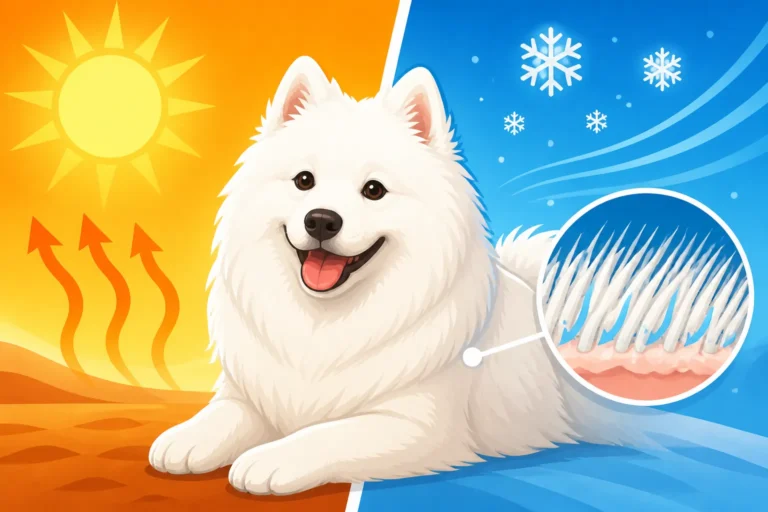
At its core, a Samoyed’s coat is a double coat, meaning it consists of two distinct layers working in harmony. The outer layer, known as the guard hairs, is long, coarse, and relatively straight. These hairs are water-resistant and act like a protective shield, shedding snow, ice, and dirt, and keeping moisture from penetrating to the skin. They are often described as having a slight sheen and are surprisingly tough. Beneath this protective layer lies the true secret weapon: the undercoat. This inner layer is incredibly dense, soft, and woolly, providing exceptional insulation against both bitter cold and surprising heat. This dense undercoat is what gives the Samoyed its characteristic fluff and bulk. Without this unique structure, the Samoyed would never have been able to thrive in its ancestral home. In fact, it's widely accepted among breed enthusiasts that A Samoyed's Coat Is Insulation, Not Decoration, serving a vital biological purpose far beyond aesthetics.
The contrast between these two layers is key to the matting problem. The guard hairs are resilient and less prone to tangling on their own. However, the undercoat, being fine and woolly, readily interlocks with itself and with shed guard hairs. Imagine trying to comb through a pile of cotton balls and then trying to comb through a mixture of cotton balls and fine, straight threads; the latter is a much more complex and tangle-prone scenario. This woolly texture is what makes the Samoyed's fur so lovely and soft to touch, but it also means it's incredibly efficient at forming tight, felted knots when left unattended.
How the Coat Design Leads to Matting
The very qualities that make the Samoyed coat so effective at insulation also make it a champion at matting. The dense, soft undercoat, when shed, doesn't just fall out easily. Instead, these dead hairs get trapped within the still-growing undercoat and the longer guard hairs. This creates a tangled web, which, with friction and moisture, quickly tightens into mats. It's like a tiny, furry felt factory constantly at work on your dog. Every time your Samoyed rolls around, scratches an itch, or even just lies down, it contributes to this process, working those loose hairs deeper into the coat.
Think of it this way: the guard hairs act as a cage, holding the undercoat in place. When the undercoat sheds, it becomes loose strands trying to escape, but they get caught. If you don't regularly brush them out, these trapped, shed hairs become anchors for new tangles. Add in a bit of moisture – perhaps from a wet walk, a bath that wasn't thoroughly dried, or just humidity in the air – and the woolly undercoat contracts and tightens, solidifying those tangles into dense mats that can be incredibly difficult, and painful, to remove. The longer the hair, the more surface area there is for these intertwining strands to connect, making matting a perennial concern for Samoyed owners.
Understanding the Coat Blow Phenomenon
If regular matting wasn't enough, Samoyed owners also contend with the infamous "coat blow." This is a natural, seasonal shedding process where your Samoyed sheds a significant portion of its undercoat, usually once or twice a year, typically in spring and autumn. During a coat blow, the sheer volume of dead undercoat released is astounding. It can feel like you have a second, smaller Samoyed made entirely of fluff appearing daily in your home. This is where What Twenty Pounds of Samoyed Undercoat Does to a House becomes a very real problem, not just for your vacuum cleaner, but for your dog's coat health.
During a coat blow, the risk of severe matting skyrockets. All that loose, dead undercoat, if not diligently brushed out, will inevitably get trapped and weave itself into massive, dense mats. These aren't just surface tangles; they can quickly become felted, flat sheets of fur that lie close to the skin. This can be incredibly uncomfortable for your dog, pulling on their skin and restricting movement. It's during these periods that diligent, daily grooming isn't just recommended, it's absolutely critical to prevent painful and potentially harmful matting that might require professional intervention to resolve. You might be surprised to learn When a Samoyed Blows Its Coat is a predictable, albeit challenging, time for all Samoyed parents.
Identifying the Prime Matting Zones on Your Samoyed
When it comes to Samoyeds, mats don't just randomly appear anywhere. They have favorite haunts, areas where friction, movement, and sometimes moisture conspire to create the perfect storm for tangles. Knowing these common hotspots is crucial for preventative grooming, allowing you to focus your brushing efforts where they're most needed. Overlooking these areas even for a short time can lead to a quick progression from a minor tangle to a severe, skin-tight mat.
Areas of Friction and Movement
These are the absolute primary offenders when it comes to mat formation. Any place on your Samoyed's body where skin rubs against skin, or fur rubs against fur, or fur rubs against collars, harnesses, or even bedding, is a high-risk zone.
- Behind the Ears: This is, without a doubt, the number one spot where mats begin. The fur here is often finer, and the constant movement of the ears, combined with the way collars or harnesses sit, creates immense friction. A small tangle here can quickly snowball into a massive, painful mat right at the base of the ear. These are particularly sneaky because they can be hidden by the surrounding fluff.
- Armpits and Groin: These areas see constant movement with every step your Samoyed takes. The fur bunches, rubs, and sheds, creating the perfect environment for mats. When your Samoyed lies down, the fur in these regions also gets compressed and rubbed. Mats here can be incredibly uncomfortable, especially when they walk, as they pull on delicate skin.
- Under the Collar/Harness: If your Samoyed wears a collar or harness for extended periods, the constant rubbing against the fur will inevitably lead to matting. The pressure and friction compress the undercoat and tangle it with shed hairs. This is why it’s so important to remove collars and harnesses when not on a walk and brush these areas thoroughly.
- Tail: While often overlooked, the underside and base of the tail can gather significant mats, especially if your Samoyed is a "happy tail wagger" or sits a lot. The movement of the tail against their own body or the ground creates friction.
- Pants (Rear Leg Feathering): The long fur on the back of their hind legs, often called "pants" or feathering, is another high-traffic area. It rubs against itself, against the ground when they sit, and can easily collect debris. These mats can be quite extensive and dense.
Moisture-Prone and Hidden Spots
Beyond friction, moisture plays a huge role in tightening mats, and certain areas are more prone to staying damp or being overlooked during regular grooming checks.
- Between the Toes and Paw Pads: This is a spot many owners forget until their Samoyed starts limping. Fur between the paw pads can easily get wet from dew, puddles, or even just sweating. Combined with dirt and debris, this creates tight, painful mats that can pull on the sensitive skin of the paw. These mats can also make walking uncomfortable or even slippery.
- Around the Mouth and Under the Chin: Especially for Samoyeds who are messy drinkers or drool a little, the fur here can stay damp. Food particles can also get trapped, contributing to tangles. The fur on their "beard" can easily mat if not regularly cleaned and brushed. Beard staining (Whether a Samoyed's Beard Stains From Food) is a common complaint, but it's also a matting precursor.
- Under the Belly (Flanks): When your Samoyed lies down, especially on damp grass or a cold floor, the fur on their belly and flanks gets compressed. This compression, combined with any moisture, can quickly lead to flat, pancake-like mats that lie very close to the skin and are difficult to detect without a thorough hands-on check.
- The "Ruff" (Neck): While magnificent, the thick ruff around their neck can hide a multitude of sins. The fur here is dense, and any rubbing from collars or harnesses can create mats that are hard to see because of the sheer volume of surrounding fluff. You might think everything is fine until you reach in and hit a solid wall of felt.
The Severity of Matting by Location
The location of a mat often dictates its severity and the difficulty of removal. Mats behind the ears or in the armpits, while often starting small, can quickly become incredibly tight and painful due to continuous movement and the fine nature of the fur. These areas often require careful work with small tools or even professional grooming if neglected.
Mats on the belly or pants can cover larger areas, becoming widespread "sheets" of felted fur. While perhaps not as acutely painful as a single, tight armpit mat, these large mats restrict movement and can hide skin infections or parasites underneath. Paw pad mats, though small, can cause significant discomfort and lameness, directly impacting your Samoyed's ability to walk and play normally. Ignoring any mat, regardless of location, simply allows it to grow tighter, larger, and more painful, eventually leading to discomfort, skin irritation, and even infection.
| Matting Hotspot | Type of Fur | Causes | Severity Potential | Grooming Challenge |
|---|---|---|---|---|
| Behind Ears | Fine, dense | Head movement, collar friction | High (tight, painful) | High |
| Armpits & Groin | Fine, dense | Leg movement, friction, lying down | High (restricts movement) | High |
| Under Collar/Harness | Dense | Constant rubbing, compression | Medium-High | Medium |
| Tail (underside/base) | Dense | Tail wagging, sitting, ground contact | Medium | Medium |
| "Pants" (Rear Legs) | Long, dense | Leg movement, sitting, debris collection | Medium-High (large areas) | Medium |
| Between Toes/Paw Pads | Fine | Moisture, dirt, walking friction | High (lameness, pain) | Medium-High |
| Around Mouth/Under Chin | Fine, moist | Eating, drinking, drooling, food residue | Medium | Medium |
| Under Belly/Flanks | Dense | Lying down, compression, moisture | Medium-High (flat, widespread) | Medium |
| "Ruff" (Neck) | Very dense | Collar friction, volume of fur | Medium-High (hidden) | Medium |
The Root Causes Behind Stubborn Samoyed Mats
It's easy to blame matting solely on not brushing enough, but the truth is, it's a multi-faceted problem often stemming from a combination of factors. Understanding these underlying causes can help you address the issue more comprehensively, moving beyond just reactive mat removal to proactive prevention. It’s not always about sheer neglect; sometimes it’s about how we groom, what our Samoyed’s lifestyle looks like, or even just the season.
Inadequate or Incorrect Grooming Practices
This is, admittedly, the most common culprit. Many new Samoyed owners underestimate the sheer volume of coat and the specific techniques required to keep it tangle-free. It's not just about running a brush over the top layer.
- Surface Brushing Only: The biggest mistake is brushing only the top layer of the coat, which might make it look fluffy, but leaves the dense undercoat beneath completely untouched. This creates a fluffy exterior with a solid, matted core underneath – a phenomenon known as "pelted" or "felted" matting. You need to get deep down to the skin with your brush, using a method called "line brushing" or "pin brushing" to ensure every layer is addressed.
- Using the Wrong Tools: A slicker brush or a simple comb might work for some breeds, but a Samoyed's coat demands specialized tools. A good quality, long-toothed undercoat rake and a sturdy metal comb with both wide and fine teeth are indispensable. Without these, you simply can't penetrate the thick undercoat effectively to remove shed hair. You might find a great selection of these on sites like Amazon or Chewy. Whether an Undercoat Rake Costs a Samoyed Owner is a question often asked, but it's an investment that pays dividends.
- Infrequent Brushing: Even with the right tools and technique, if you're not brushing often enough, mats will form. For most Samoyeds, a thorough brush-out several times a week is a minimum, and daily brushing during a coat blow is absolutely essential. How Often a Samoyed Needs Brushing is a common concern for new owners, and the answer is "more than you think!"
- Improper Bathing and Drying: Bathing a matted Samoyed without thoroughly brushing first is a recipe for disaster. Water causes mats to shrink and tighten, making them exponentially worse and harder to remove. Furthermore, if the coat isn't dried completely down to the skin, especially the undercoat, residual moisture can lead to matting and even skin issues. Proper Drying a Samoyed to the Skin after a bath is just as important as the washing itself.
Environmental Factors and Lifestyle Habits
Your Samoyed's daily life and environment also play a significant role in coat health. It's not just about what you do to the coat, but also what the coat encounters.
- Playing Outdoors: Running through tall grass, rolling in leaves, or splashing in puddles can introduce burrs, sticks, and dirt into the coat, which become prime anchors for mats. Even plain old dust and grime can contribute to tangles by making the fur sticky and prone to clumping.
- Humidity and Rain: High humidity in the air can cause the woolly undercoat to curl and felt more easily. Getting wet from rain or a swim, if not followed by immediate and thorough drying and brushing, will tighten any existing tangles and create new ones.
- Active Lifestyles: A very active Samoyed, constantly running, jumping, and playing, experiences more friction on its coat than a more sedentary one. This increased movement directly contributes to mat formation in those high-friction areas like the armpits and groin.
- Wearing Collars/Harnesses Constantly: As mentioned before, if your Samoyed lives in its collar or harness, the constant rubbing will create a dense, matted patch underneath. It's best to remove these when your dog is safely confined at home.
Seasonal Changes and Hormonal Influences
Some matting causes are simply beyond our direct control, linked to natural biological cycles.
- Seasonal Coat Blows: During a coat blow, the sheer volume of dead undercoat released is immense. This period is the absolute peak for matting potential. If you don't keep up with the shedding, those dead hairs will felt into large, uncomfortable mats. Understanding When a Samoyed Blows Its Coat means you can prepare for an increased grooming schedule.
- Hormonal Changes (Intact Females): Female Samoyeds, particularly those who are intact and go through heat cycles, can experience changes in their coat texture and shedding patterns due to hormonal fluctuations. This can sometimes make their coat more prone to matting around their heat cycle or after a litter.
- Aging: As Samoyeds age, their coat can sometimes change texture, becoming softer, finer, or even coarser in certain areas, which can affect its matting propensity. Older dogs may also be less tolerant of extensive grooming, making mat prevention even more critical. Caring for a Samoyed Past Nine often involves adjusting grooming routines to accommodate their comfort and changing coat.
Proactive Strategies for Mat Prevention
Preventing mats is always easier, and far less painful, than trying to remove them once they've set in. A proactive approach involves having the right tools, committing to a consistent routine, and understanding how to properly maintain that glorious Samoyed coat even after a bath. It’s about building good habits for both you and your dog.
Essential Tools for the Samoyed Owner
You simply cannot win the battle against mats without the right arsenal of grooming tools. Investing in quality tools designed for a double-coated breed like a Samoyed is not an expense, but an essential part of responsible ownership.
- Undercoat Rake: This is your primary weapon. Look for one with rotating teeth or long, sturdy pins that can penetrate deep into the undercoat without pulling the guard hairs. Brands available on Chewy often offer a range of options suitable for dense coats. An undercoat rake effectively pulls out loose, dead undercoat before it has a chance to form mats.
- Metal Comb: A good quality, strong metal comb with both wide and fine teeth is crucial for detail work and checking your progress. The wide-toothed end can work through larger sections, while the fine-toothed end is perfect for teasing out small tangles and ensuring you've reached down to the skin. This is your final check tool after using the rake.
- Slicker Brush: While not for primary de-matting, a slicker brush can be useful for fluffing the topcoat and working out very minor surface tangles. However, be cautious not to just brush the surface, as this creates the illusion of a well-groomed coat while mats lurk underneath.
- Dematter Tool (Razor Comb): For small, isolated tangles that are too tight for a comb, a dematter tool can be a lifesaver. These have small, sharp blades designed to cut through the mat without damaging the surrounding healthy coat. Use with extreme caution! These are sharp and should only be used on very specific tangles, never on large mats or close to the skin. If in doubt, skip it.
- High-Velocity Dryer (Force Dryer): This is arguably one of the most important tools for a Samoyed owner, especially after bathing. A force dryer literally blasts water and loose undercoat out of the coat, significantly reducing drying time and helping to prevent mats from forming as the coat dries. It also helps to fluff the coat and remove shed hair. Without one, Drying a Samoyed to the Skin becomes an arduous, time-consuming task, and often results in residual dampness that leads to matting. What a Force Dryer Costs a Samoyed Owner might seem high initially, but it saves on professional grooming bills and keeps your Samoyed comfortable.
Establishing a Consistent Grooming Routine
Consistency is paramount. A little bit of grooming often is far better than infrequent, marathon grooming sessions.
- Daily or Every Other Day Brushing: During a coat blow, daily brushing is non-negotiable. Otherwise, aim for at least 3-4 times a week for a thorough brush-out. This frequent attention prevents small tangles from becoming big mats and keeps the undercoat free of shed hair. Focus on those known hotspots we discussed earlier.
- Line Brushing Technique: This is the gold standard for grooming double coats. Part the coat horizontally, exposing the skin. Brush a small section from the skin outwards, then move to the next section, overlapping slightly. Work your way across the entire body, ensuring you brush every layer of fur, from root to tip. This methodical approach ensures no spot is missed, particularly in areas like the ruff and pants.
- Check with a Metal Comb: After brushing, always run a metal comb through the coat. If the comb snags anywhere, it means there's a tangle you missed. Go back with your brush and work it out gently. This step is critical for catching nascent mats before they become problematic.
- Regular Nail Trims and Paw Care: Don't forget their paws! Trim nails regularly to prevent discomfort and check between their paw pads for mats, especially if they are active outdoors. Use blunt-nosed scissors to carefully trim any excessive fur that might trap dirt or moisture between the pads.
Smart Choices for Bathing and Drying
Bathing a Samoyed is an event, and doing it incorrectly can lead to more problems than solutions. It's a process that requires patience and the right technique.
- Pre-Bath Brush-Out: This is an absolute golden rule: never bathe a matted Samoyed. Water will tighten and shrink the mats, making them nearly impossible to remove without shaving. Always do a thorough brush-out, removing all tangles and loose hair before getting them wet.
- Quality Shampoo and Conditioner: Use a good quality dog-specific shampoo that cleans without stripping natural oils, and follow up with a conditioning treatment. A conditioner can help lubricate the coat, making it less prone to tangling. You can find excellent options on Amazon or at Chewy.
- Thorough Rinsing: Due to their dense coat, it's incredibly easy to leave shampoo residue behind, which can irritate the skin and even make the coat feel sticky, contributing to matting. Rinse, rinse, and rinse again until the water runs completely clear and you can feel no slickness in the fur.
- High-Velocity Drying is a Must: After towel drying, use a high-velocity force dryer. As mentioned, this tool is invaluable. It separates the hairs, dries the undercoat effectively, and blows out any remaining loose fur, preventing it from matting as the coat dries. Work in sections, drying down to the skin. If you let a Samoyed air dry, especially indoors, you're inviting a matting disaster. This is why Why a Samoyed's Coat Stays Clean on Its Own is often misinterpreted as meaning they don't need bathing – they do, but it's a careful process.
Safely Tackling Existing Mats in Your Samoyed's Coat
Even with the best preventative measures, a Samoyed owner will inevitably encounter a mat or two. The key is to address them promptly and correctly, distinguishing between minor tangles you can handle and more severe situations that demand professional expertise. Rushing in with scissors is almost always the wrong approach and can lead to serious injury.
Small, Surface Mats: A Gentle Approach
For small, relatively loose mats that haven't yet tightened into a dense felt, you can often tackle them at home with patience and the right tools.
- Assess the Mat: First, feel the mat to understand its size, depth, and how close it is to the skin. If you can get your fingers around it and feel the skin, it's likely manageable.
- Apply a Detangling Spray: A good quality detangling spray, often available on Chewy, can help loosen the hair strands and make the mat easier to work with. Spray directly onto the mat and let it sit for a minute or two to penetrate.
- Use Your Fingers First: Gently try to pull the mat apart with your fingers, working from the outside edges inwards. This helps to loosen the knot without pulling too hard on the skin. Your goal is to unravel, not tear.
- Pinpoint Dematting with a Metal Comb: Once you've loosened the mat somewhat with your fingers, use the fine-toothed end of your metal comb. Start at the very tip of the mat, working only a few strands at a time. Hold the base of the mat firmly against the skin with one hand to minimize pulling on your Samoyed's skin, and gently pick at the mat with the comb. Work slowly, patiently, and in very small increments.
- The "Split" or "Cut" Method (Extreme Caution): For a particularly stubborn but small mat, you can very carefully use blunt-nosed scissors to cut into the mat, parallel to the skin, creating several smaller sections. This weakens the mat structure, making it easier to comb out. NEVER cut across a mat, and always keep the blunt end of the scissors against the skin to avoid accidental nicks. If you're not confident, stop immediately.
Deeper, More Stubborn Mats: When to Seek Professional Help
There comes a point where a mat is simply too large, too tight, or too close to the skin for safe home removal. Recognizing this limit is crucial for your Samoyed's comfort and safety.
- Pelted Mats: If the mat is flat, wide, and feels like a solid sheet of felt close to the skin, it's likely a pelted mat. These are incredibly painful to remove and can cause significant skin irritation underneath. Attempting to comb these out can cause extreme pain and potential skin tearing.
- Mats Causing Skin Redness or Soreness: If the skin beneath or around the mat is red, inflamed, or sore to the touch, or if there's any odor, it's a sign of a potential skin infection or hot spot lurking underneath. These require professional attention immediately.
- Behavioral Resistance: If your Samoyed becomes highly agitated, fearful, or aggressive during your attempts to demat, it’s a clear sign that the process is causing them significant pain or distress. Forcing the issue can damage your bond and make future grooming even harder.
- Professional Groomers or Vets: In these cases, it's best to call a professional groomer experienced with double coats, or your veterinarian. They have specialized tools, techniques, and the expertise to safely remove severe mats, often requiring clipping the entire coat short. Whether a Groomer Will Refuse to Shave a Samoyed is a valid question, but severe matting leaves little choice. They prioritize your dog's comfort and health over maintaining a specific coat length. Remember, Why Shaving a Samoyed Makes the Heat Worse is generally true, but sometimes shaving is the only humane option.
The Dangers of Neglecting Mats
Ignoring mats is not an option for Samoyed owners. What starts as a small tangle can quickly escalate into a serious health concern for your beloved companion.
- Pain and Discomfort: Mats pull on the skin with every movement, causing constant irritation and discomfort. Imagine having your hair constantly tugged – it's akin to that, but all over their body. This can lead to your Samoyed becoming withdrawn, less active, or even aggressive when touched.
- Skin Infections: Trapped moisture and debris under dense mats create a perfect breeding ground for bacteria and yeast. This can lead to painful skin infections, hot spots, and unpleasant odors. The mat literally prevents air circulation, suffocating the skin underneath.
- Parasite Infestations: Mats provide excellent hiding places for fleas, ticks, and other parasites, making detection and treatment incredibly difficult.
- Restricted Movement and Mobility Issues: Severe mats, especially in the armpits, groin, or around joints, can restrict your Samoyed's range of motion, making it painful or difficult for them to walk, run, or even lie down comfortably. This can exacerbate existing joint conditions.
- Improper Thermoregulation: A matted coat loses its ability to insulate effectively. In winter, it can't trap warm air, making your Samoyed colder. In summer, it traps heat and prevents air circulation, making them hotter. This undermines the very purpose of their double coat and can lead to dangerous overheating.
Holistic Care for a Healthy, Mat-Resistant Samoyed Coat
Beyond the brushing and immediate mat removal, maintaining a truly healthy, mat-resistant Samoyed coat involves a holistic approach that considers their overall well-being. What goes into their body, how they live, and even regular veterinary care all contribute to the luster and manageability of their fur.
Nutritional Support for Coat Health
Just like with humans, a dog's diet profoundly impacts the health of their skin and coat. A shiny, healthy coat starts from the inside out.
- High-Quality Diet: Feeding a balanced, high-quality dog food is fundamental. Look for foods with easily digestible protein sources and healthy fats. Some owners explore options like Ollie, a fresh dog food delivery service, for high-quality, minimally processed ingredients that can support overall health and a vibrant coat. A diet lacking in essential nutrients can lead to dull, dry, brittle fur that is more prone to breaking and matting.
- Omega Fatty Acids: Omega-3 and Omega-6 fatty acids are crucial for skin and coat health. These can be found in fish oils (like salmon oil), flaxseed, and certain dog food formulas. They help to keep the skin hydrated and the fur supple, reducing dryness and breakage that can contribute to matting. You can often find supplements on Chewy or Amazon.
- Adequate Hydration: Ensure your Samoyed always has access to fresh, clean water. Dehydration can affect skin elasticity and coat health, making it drier and more brittle. A well-hydrated dog tends to have a healthier, more resilient coat.
Environmental Management and Lifestyle Adjustments
Your Samoyed's daily environment and routines can either help or hinder your mat prevention efforts. Thoughtful adjustments can make a big difference.
- Temperature Control: Samoyeds thrive in cooler environments. While their coat is excellent insulation, extreme heat can still be challenging. Overheating can lead to excessive shedding and a coat that feels "fried" and more prone to matting. Providing a cool environment, especially in warmer climates, is essential. This could mean air conditioning, cooling mats, or access to shaded, tiled floors. Whether a Samoyed's Coat Really Keeps It Cool is a complex question, but internal cooling through proper environment is still critical.
- Clean Living Spaces: Regularly vacuuming and cleaning your dog's bedding and favorite resting spots can reduce the amount of loose fur, dust, and debris that can get trapped in their coat and contribute to matting.
- Limited Exposure to Wet Conditions (without follow-up): While Samoyeds enjoy snow and water, letting them air dry after getting wet without thorough brushing and force drying is asking for trouble. If your Samoyed loves to swim or play in the rain, plan for immediate grooming afterwards.
- Collar and Harness Management: As discussed, remove collars and harnesses when your Samoyed is relaxing at home. If a collar is necessary for identification, consider a flat, soft nylon or leather collar that causes less friction than a thick, stiff one.
Regular Vet Checks and Overall Well-being
Sometimes, underlying health issues can manifest in the coat. Regular veterinary care ensures that any medical causes for coat problems are identified and addressed.
- Parasite Control: A healthy coat is a parasite-free coat. Ensure your Samoyed is on a consistent and effective parasite prevention program as recommended by your vet. Flea and tick infestations can cause intense itching, leading to excessive scratching and chewing, which rapidly creates mats.
- Allergy Management: Allergies (environmental, food, or flea) can cause skin irritation, itching, and subsequent scratching, licking, and rubbing that results in matting and hot spots. If your Samoyed is constantly scratching, consult your vet to rule out or manage allergies.
- Thyroid Function: Hypothyroidism, a common condition in Samoyeds, can lead to dry, brittle, or sparse coat issues, which can also affect its texture and matting propensity. Signs a Samoyed's Thyroid Has Failed can include changes to their coat, so a vet check is always wise if you notice a significant shift in coat quality.
- Annual Check-ups: Regular veterinary visits allow your vet to assess your Samoyed's overall health, including their skin and coat. They can spot subtle changes that might indicate an underlying issue before it becomes a major problem. Discussing any coat concerns with your vet can provide valuable insights and solutions.
Disclaimer
This article is for general informational purposes only and does not constitute professional advice. Laws, prices and regulations vary by location and change over time. Consult a qualified professional for guidance on your specific situation.