Whether a Female Samoyed Outlives a Male
It's a question many Samoyed parents ponder with a touch of anxiety: will my beautiful female Samoyed truly live longer than her male counterpart? It's a natural concern when you've welcomed one of these fluffy, smiling bundles of joy into your home, and you want every single minute with them to last. This guide will dive deep into the fascinating, sometimes heartbreaking, realities of Samoyed lifespans, exploring whether there's a discernible difference between the sexes and, more importantly, what factors truly play the biggest role in how long our beloved companions grace our lives.
Understanding the General Samoyed Lifespan
When we talk about how long our Samoyeds live, we're usually looking at averages, and it's important to remember that every dog is an individual. However, knowing the general range gives us a good baseline for expectations and for recognizing when something might be amiss.
The Typical Life Expectancy for a Samoyed
Most sources will tell you that the average Samoyed lives somewhere between 12 and 14 years. This is a pretty respectable lifespan for a medium-to-large breed dog, especially when you compare it to some of the giant breeds who often have much shorter lives. A Samoyed at 10 years old is definitely a senior, but many remain active and engaged well into their golden years. We often see them maintain that characteristic Samoyed smile right up to the end, even if their bodies are slowing down. For a deeper dive, consider reading about The Twelve to Fourteen Years a Samoyed Lives.
Of course, this is an average, and many Samoyeds will live a bit less, and some cherished individuals will surprise everyone by hitting 15 or even 16 years. What truly matters isn't just the number of years, but the quality of those years. Our goal as Samoyed owners is always to maximize not just the quantity, but the health, happiness, and vitality of their entire journey with us. It’s a commitment that starts the day they join our family and lasts a lifetime – theirs and ours.
Factors Beyond Sex That Influence Longevity
While our main question today is about sex differences, it’s crucial to acknowledge that a multitude of other factors significantly impact a Samoyed's lifespan. These are often within our control, or at least our influence, and represent the biggest levers we have to pull for a long and healthy life.
Firstly, genetics play a massive role. A Samoyed from a reputable breeder who prioritizes health testing and selectively breeds for sound health will generally have a better chance at a long life than one from unknown origins. Responsible breeders screen for common issues, reducing the likelihood of passing on predispositions to certain diseases. Secondly, nutrition is foundational. A high-quality, balanced diet, fed in appropriate portions to maintain a healthy weight, can prevent a host of health problems down the line, from joint issues to diabetes. Think of it as fueling a finely tuned machine; you wouldn't put just any gas in a performance car, and the same goes for our Samoyeds.
Thirdly, exercise and mental stimulation keep both body and mind sharp. Samoyeds are active dogs, and consistent, appropriate exercise helps maintain muscle mass, joint health, and a healthy metabolism. Just as important is mental stimulation, which keeps their intelligent minds engaged and prevents boredom-related stress or destructive behaviors. A bored Samoyed is often a stressed Samoyed, and stress isn't good for anyone's longevity. Finally, preventative veterinary care cannot be overstated. Regular check-ups, vaccinations, parasite prevention, and early detection of potential issues through routine bloodwork and screenings can catch problems before they become severe, potentially adding years to a Samoyed's life. This proactive approach, sometimes supported by pet insurance plans from providers like Healthy Paws, is often the difference between managing a condition effectively and facing a crisis.
Sex-Linked Health Concerns: A Look at the Disparity
When discussing whether female Samoyeds tend to outlive males, the conversation almost inevitably turns to one particular health issue that profoundly impacts male Samoyed lifespans: Samoyed Hereditary Glomerulopathy. This disease is the primary reason for any potential difference in longevity between the sexes in this breed.
The Devastating Impact of Samoyed Hereditary Glomerulopathy (SHG)
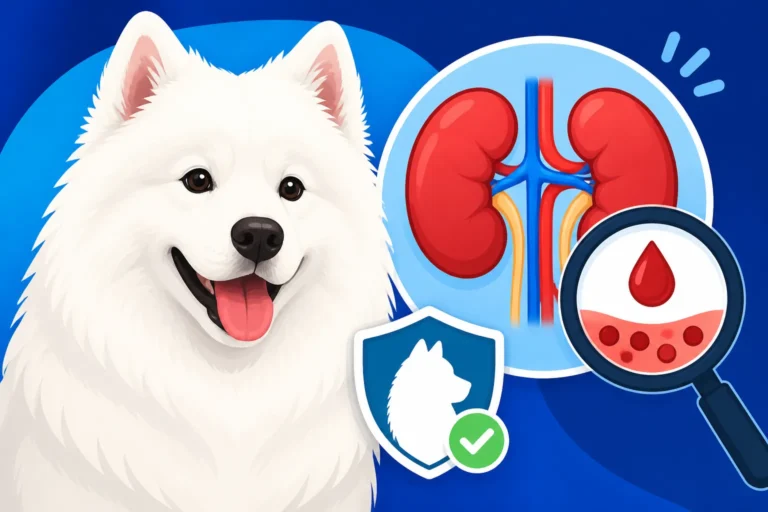
Samoyed Hereditary Glomerulopathy (SHG), often simply referred to as "Samoyed kidney disease," is an X-linked inherited disorder that primarily affects male Samoyeds. It's a cruel and progressive disease that causes the kidneys to fail prematurely. What makes it particularly heartbreaking is its rapid progression in affected males. Typically, male Samoyeds with SHG start showing signs of kidney issues, such as excessive thirst, increased urination, and lethargy, often between three to six months of age. By the time they are nine to fifteen months old, most affected males succumb to kidney failure. It's devastating for families to watch their bright, energetic puppy decline so quickly. You can learn more about The Kidney Disease That Kills Samoyed Males Before Fifteen Months.
The genetic basis of SHG is well understood: it's caused by a mutation in the COL4A5 gene, which is responsible for producing a crucial type of collagen found in the kidney's filtering units. Without proper collagen, these filters break down, leading to protein leakage and eventual kidney failure. This explains Why Collagen Failure Destroys a Samoyed's Kidney. Because it's X-linked, males, who only have one X chromosome, are severely affected if they inherit the mutated gene. Females, with two X chromosomes, can be carriers but usually only experience a much milder, later-onset form of the disease, if any symptoms at all. This severe sex-specific impact is the single biggest factor contributing to the perception and reality that male Samoyeds can have a significantly shorter lifespan if they inherit this gene. Early diagnosis through The COL4A5 Test Every Samoyed Buyer Should Ask About is vital for breeders and prospective owners.
Why Carrier Females Generally Live Full Lives
While male Samoyeds can face a grim prognosis with SHG, the situation is markedly different for female Samoyeds who carry the gene. Since females have two X chromosomes, one usually carries the normal gene, and the other carries the mutated COL4A5 gene. Due to a process called X-chromosome inactivation, where one of the X chromosomes is randomly "shut off" in each cell, females typically have enough healthy kidney cells to compensate for the cells where the mutated gene is active. This means that while they carry the gene and can pass it on to their offspring, they rarely develop the severe, early-onset kidney failure seen in males.
Most carrier female Samoyeds will live a normal lifespan, often showing no clinical signs of kidney disease. If they do show signs, it's usually much later in life, and the progression is far slower and milder than in affected males. Symptoms might include some protein in the urine, but often not to a degree that compromises their health significantly or shortens their life. This is why it's commonly stated that Whether a Carrier Samoyed Female Develops Kidney Disease is generally not severe. For breeders, identifying carrier females is still crucial to avoid producing affected males, but for pet owners, knowing their female is a carrier usually doesn't mean a shortened life for her. Monitoring urine for Signs a Samoyed Is Losing Protein in Its Urine is crucial for all Samoyeds, but especially carrier females as they age.
Other Potential Sex-Specific Health Differences
Beyond SHG, the differences in disease prevalence between male and female Samoyeds are generally less dramatic and more in line with what's observed across many dog breeds.
- Hormonal Cancers: Intact (unspayed) female Samoyeds are at a higher risk for mammary tumors, and pyometra (a severe uterine infection), both of which are serious and can be life-threatening. Spaying significantly reduces these risks. Intact male Samoyeds can develop prostate issues and testicular cancer, though testicular cancer is eliminated by neutering. These conditions, while important, typically have a lower overall impact on average lifespan compared to a rapidly fatal genetic disease like SHG.
- Urinary Tract Issues: Females, due to their anatomy, can be slightly more prone to urinary tract infections (UTIs) than males. While UTIs are usually treatable, chronic or untreated infections can sometimes lead to more serious kidney complications over a very long period, but this is less common.
- Behavioral Impacts on Health: Sometimes, behavioral traits associated with sex can indirectly impact lifespan. For instance, intact males may be more prone to roaming, increasing their risk of accidents, fights, or getting lost. While not a disease, these risks are real and can shorten a dog's life.
Overall, while these other sex-specific issues exist, none hold the same devastating, early-onset impact on lifespan that SHG does for male Samoyeds. This singular, breed-specific genetic disease remains the most significant differentiator when considering if a female Samoyed generally outlives a male.
Common Health Challenges Affecting All Samoyeds
While Samoyed Hereditary Glomerulopathy is a significant concern for male Samoyeds, there are many other health issues that can affect both males and females in the breed. Understanding these conditions and being proactive in their management is crucial for ensuring a long and healthy life for any Samoyed, regardless of sex.
Joint and Structural Health Concerns
Samoyeds are active dogs, and like many medium-to-large breeds, they can be predisposed to certain orthopedic conditions. These issues typically affect both sexes equally, though individual genetics and environmental factors play a huge role.
- Hip Dysplasia: This is a condition where the hip joint doesn't form correctly, leading to looseness and eventually arthritis. It can cause pain, lameness, and reduced mobility. Responsible breeders screen their breeding dogs for hip dysplasia using evaluations like those from the Orthopedic Foundation for Animals (OFA). Even with clear parents, environmental factors such as rapid growth, excessive exercise in puppyhood, and obesity can exacerbate or trigger symptoms. Owners need to be mindful of how much exercise a Samoyed puppy gets and ensure they're on a high-quality diet that supports slow, steady growth. Dealing with Hip Dysplasia in a Samoyed can be a long-term commitment, often involving pain management, physical therapy, and sometimes surgery.
- Elbow Dysplasia: Similar to hip dysplasia, elbow dysplasia involves abnormal development of the elbow joint, leading to pain and lameness. This condition is also screened for by responsible breeders.
- Luxating Patella (Slipping Kneecap): While more common in smaller breeds, Samoyeds can occasionally be affected by this condition, where the kneecap slips out of place. It can range from mild and intermittent to severe, requiring surgical correction.
Maintaining a healthy weight throughout a Samoyed's life is one of the most impactful things an owner can do to protect their joints, regardless of genetic predisposition. Every extra pound puts more strain on the joints, accelerating the onset and severity of conditions like arthritis.
Endocrine and Autoimmune System Disorders
The endocrine system, which regulates hormones, and the immune system, which protects the body, can sometimes go awry in Samoyeds, leading to a variety of health challenges that can impact their overall well-being and lifespan.
- Diabetes Mellitus: Just like in humans, Samoyeds can develop diabetes, a condition where the body either doesn't produce enough insulin or can't effectively use the insulin it produces. This leads to high blood sugar levels. Diabetes can affect Samoyeds of any age, though it's more common in middle-aged to senior dogs, with some indications of slightly higher rates in females, particularly unspayed ones. Diabetes in a Middle Aged Samoyed requires daily insulin injections, careful dietary management, and regular veterinary monitoring. It's a manageable condition, but it demands consistent dedication from owners. Ignoring the signs, such as increased thirst, urination, and weight loss, can lead to life-threatening complications like diabetic ketoacidosis. The ongoing cost of insulin and supplies is also a significant consideration for owners, which is where a good pet insurance plan from a company like Healthy Paws can be invaluable.
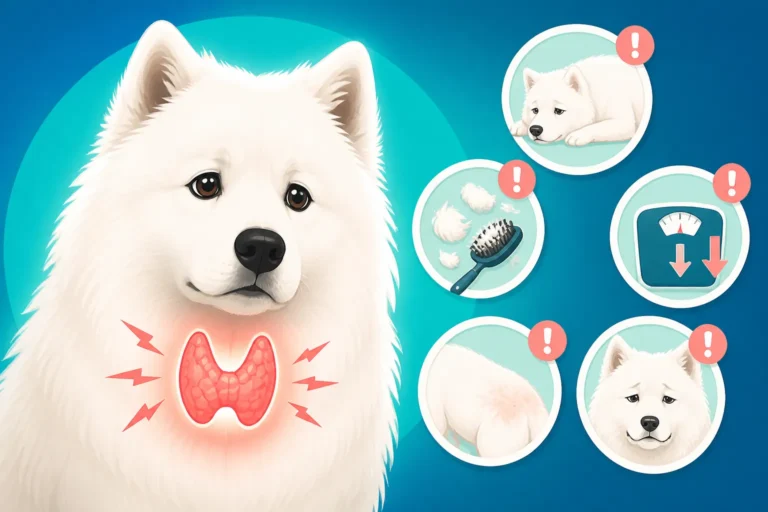
- Hypothyroidism: This occurs when the thyroid gland doesn't produce enough thyroid hormone. Symptoms can be subtle and include lethargy, weight gain, poor coat quality, and skin issues. It's a relatively common condition in dogs and can affect both sexes. Hypothyroidism is usually easily managed with daily oral medication, and with proper treatment, affected Samoyeds can live a normal, healthy life. However, if left untreated, it can lead to more severe health problems.
- Addison's Disease (Hypoadrenocorticism): This less common condition results from the adrenal glands not producing enough steroid hormones. Symptoms can be vague and episodic, often mimicking other illnesses, and can include lethargy, vomiting, diarrhea, and weight loss. It's sometimes called the "Great Pretender." While it can be serious, Addison's is treatable with lifelong medication.
For any of these conditions, early detection is key. If you notice any changes in your Samoyed's behavior, appetite, thirst, or energy levels, it's always best to consult your veterinarian. How a Samoyed Hides Illness Behind a Smile is something all owners need to be aware of, as their naturally happy demeanor can sometimes mask discomfort.
Cancer and Other Age-Related Illnesses
As Samoyeds age, like all living beings, they become more susceptible to cancer and other age-related degenerative diseases. There isn't a strong consensus that one sex is significantly more prone to specific cancers than the other in Samoyeds, but certain types are seen.
- Lymphoma: This is a common cancer in dogs, affecting the lymph nodes and other organs.
- Osteosarcoma: A type of bone cancer, often aggressive.
- Hemangiosarcoma: A malignant cancer of the lining of blood vessels, often found in the spleen or heart.
The key to managing age-related illnesses is regular senior wellness exams. When Caring for a Samoyed Past Nine, your vet will likely recommend more frequent check-ups and specific screenings, such as bloodwork and urinalysis, to catch issues early. A balanced diet, appropriate exercise, and a loving, low-stress environment continue to be paramount in these golden years, ensuring their comfort and quality of life for as long as possible. Understanding the health challenges a Samoyed faces throughout its life, and having a plan in place, including pet insurance with Healthy Paws for unexpected medical costs, can make all the difference in providing them with the best possible care.
| Health Condition | Primary Impacted Sex (Samoyed) | General Age of Onset | Prognosis (with treatment) | Prevention/Management Considerations |
|---|---|---|---|---|
| Samoyed Hereditary Glomerulopathy | Male (Severe), Female (Carrier/Mild) | 3-15 months (Males) | Fatal (Males), Normal Lifespan (Females) | DNA testing for breeding dogs, careful selection of puppies |
| Hip/Elbow Dysplasia | Both | Puppyhood-Adulthood | Manageable, lifelong joint care | Reputable breeders, healthy weight, appropriate exercise |
| Diabetes Mellitus | Both (slightly higher in females) | Middle age-Senior | Manageable with daily insulin | Healthy weight, balanced diet |
| Hypothyroidism | Both | Young adult-Senior | Excellent with daily medication | Routine bloodwork, especially for older dogs |
| Cancer | Both | Senior | Varies greatly by type and stage | Regular vet check-ups, early detection |
| Mammary Tumors / Pyometra | Female (intact) | Middle age-Senior | Good (if spayed/caught early) | Spaying |
| Prostate Issues / Testicular Cancer | Male (intact) | Middle age-Senior | Good (if neutered/caught early) | Neutering |
Nurturing Longevity: Maximizing Every Year
While genetics and predispositions play a role, how we care for our Samoyeds daily has a profound impact on their overall health and longevity. It's about building a foundation for a long, happy life, not just reacting to problems as they arise.
The Power of Proactive Veterinary Care
Regular veterinary check-ups are truly the cornerstone of a long and healthy life for your Samoyed. These aren't just for vaccinations; they're opportunities for your vet to perform a thorough physical exam, catch subtle changes you might miss, and discuss preventative measures. For puppies, it’s about establishing a strong immune system and getting a baseline for their health. As they move into adulthood, yearly exams become crucial for early detection of conditions like hip dysplasia or early signs of thyroid imbalance.
For senior Samoyeds, more frequent visits, perhaps twice a year, can be incredibly beneficial. At these appointments, your vet might recommend additional screenings like blood panels, urinalysis, and potentially even imaging to check organ function and look for any signs of age-related diseases. Catching issues like diabetes, kidney disease, or early-stage cancer before they become outwardly symptomatic can make a massive difference in treatment success and quality of life. Thinking ahead about how to manage potential vet bills for these necessary diagnostics and treatments is also wise. Many Samoyed owners find that pet insurance, such as a plan from Healthy Paws, offers invaluable peace of mind, covering a significant portion of unexpected and ongoing medical costs, allowing them to make treatment decisions based on their Samoyed's needs rather than their wallet.
Optimal Nutrition and Weight Management
What you feed your Samoyed, and how much, directly impacts their health, energy levels, and long-term well-being. High-quality dog food, appropriate for their life stage and activity level, provides the essential nutrients they need. Just as important is portion control. Samoyeds can be prone to weight gain if overfed or under-exercised, and excess weight puts unnecessary strain on their joints, heart, and other organs.
An overweight Samoyed is at a higher risk for a host of health problems, including arthritis, diabetes, and even certain cancers. It can also make them less tolerant of heat and reduce their overall zest for life. It's surprisingly easy for their fluffy double coat to hide a few extra pounds, so regularly feeling for their ribs and maintaining a visible waistline is crucial. Your vet can help you determine an ideal weight and feeding plan for your individual Samoyed. Sometimes, dietary adjustments, such as a prescription diet or specific supplements recommended by your vet, are necessary to support particular health needs. This diligent attention to diet can be a key factor in extending your Samoyed's healthy years and is part of the comprehensive care needed for Caring for an Old Samoyed.
Exercise, Mental Stimulation, and Environmental Considerations
Samoyeds are intelligent, energetic dogs bred for work, and they thrive when given ample opportunities for physical and mental exercise. A bored or under-exercised Samoyed can develop behavioral issues, but more importantly, a lack of activity can negatively impact their physical health, leading to muscle atrophy, weight gain, and general malaise. Daily walks, playtime in a secure yard, and engaging in activities like hiking, jogging, or even dog sports like agility or canicross can keep them fit and happy. You can always learn more about How Much Exercise a Samoyed Needs.
Beyond physical activity, mental stimulation is vital. Samoyeds are smart and need "jobs" to do. Puzzle toys, training sessions, scent work, or even just learning new tricks can keep their minds engaged and prevent boredom. This engagement helps reduce stress, which, over time, can contribute to overall health. Furthermore, Samoyeds are arctic dogs, built for cold climates. Living in warmer environments requires extra vigilance from owners. Providing ample shade, fresh water, limiting exercise during the hottest parts of the day, and ensuring access to air conditioning are non-negotiable for their comfort and safety. Heatstroke is a real and dangerous threat to Samoyeds, and preventing it is a critical part of ensuring their longevity, as discussed in Water, Shade and the Summer Plan for a Samoyed. By thoughtfully addressing their physical, mental, and environmental needs, we give our Samoyeds the best possible chance at a long, fulfilling life.
The Role of Responsible Breeding
While you, as an owner, control daily care, the foundation of a long-lived Samoyed is laid by responsible breeding practices. A breeder who health tests their breeding stock diligently and understands genetic predispositions significantly contributes to the longevity and health of the puppies they produce. For Samoyeds, this means screening not just for hip and elbow dysplasia, but crucially, for the COL4A5 gene mutation linked to Samoyed Hereditary Glomerulopathy. Testing both parents ensures that even carrier females are not bred to at-risk males, thereby preventing the birth of affected male puppies.
A reputable breeder will be transparent about their health testing results, willing to discuss the specific health concerns of the breed, and often provide a health guarantee. They will also prioritize temperament and overall soundness, understanding that a healthy dog isn't just free from disease but is also physically and mentally robust. Choosing a puppy from such a breeder is one of the most powerful steps you can take to ensure your Samoyed has the best possible start in life, and a strong chance at reaching the higher end of the typical Samoyed lifespan. Knowing The Health Tests Both Samoyed Parents Should Have is invaluable for any prospective owner.
Disclaimer
This article is for general informational purposes only and does not constitute professional advice. Laws, prices and regulations vary by location and change over time. Consult a qualified professional for guidance on your specific situation.