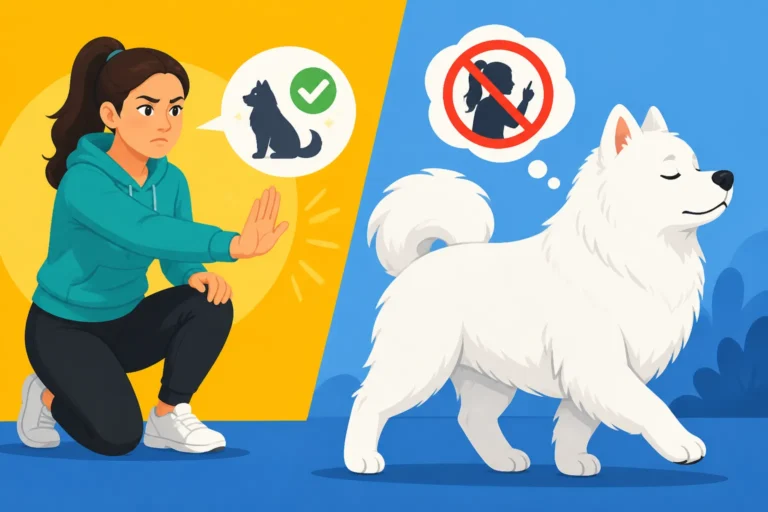
The Samoyed Scream and Why It Is Not Barking
One of the most defining, and sometimes startling, characteristics of living with a Samoyed is their unique vocal repertoire, particularly the infamous "Samoyed Scream." If you've ever been caught off guard by a piercing, high-pitched vocalization that sounds less like a dog and more like… well, something else entirely, you know the confusion and frustration it can cause. This comprehensive guide will help you understand what the Samoyed scream truly is, why your beloved cloud dog employs it, and how to navigate this distinctive aspect of their personality.
Decoding the Samoyed Scream: More Than Just a Bark
When people first encounter the sound, they often mistake it for distress or even aggression. But the Samoyed scream is a world away from your typical dog bark. It's a vocalization that can range from a shrill yelp to a dramatic, almost operatic wail, often accompanied by exaggerated body language. It's not the deep, territorial "woof" of a guard dog, nor the insistent "yap" of a small terrier demanding attention. The Samoyed scream is a performance, a full-body expression of emotion that demands to be heard.
What Makes a Scream Different from a Bark?
Think of a bark as a general announcement, a doorbell ring from your dog. It's usually a lower frequency, a repetitive sound meant to signal something to a wider audience or to indicate territory. A Samoyed's bark, when they do bark, is often relatively infrequent compared to other breeds, and generally much less intense than their scream. The scream, on the other hand, is high-pitched, prolonged, and often comes with a suddenness that can be jarring. It's a focused, pointed communication, usually directed at a specific individual or situation. It pierces the air with an urgency that barks simply don't possess. What a Samoyed Sounds Like When It Talks gives a broader overview of their many sounds, but the scream holds a special place in their vocal lexicon.
The Nuance of Samoyed Vocalizations
Samoyeds are incredibly vocal dogs, often described as "talkers." Their repertoire includes howls, grumbles, chuffs, happy "woo-woos," and, of course, the scream. Each sound usually carries a distinct meaning, though it takes a keen ear and observation to decipher them. A low grumble might mean contentment, while a series of quick "woos" could be an invitation to play. The scream is typically reserved for moments of extreme excitement, frustration, or a desperate plea for attention. It's not a sound made lightly, and understanding its context is key to managing it.
The Ancestral Roots of the Samoyed's Voice
To truly understand why your Samoyed prefers a dramatic scream over a simple bark, we need to delve into their ancient history. These dogs weren't bred to be quiet companions; they were integral working members of the nomadic Nenets people in Siberia. Their lives were intertwined with reindeer herding, sled pulling, and living in close quarters with their human families. This unique lifestyle shaped their communication methods in profound ways.
Bred for Communication, Not Guarding
The Nenets people relied on their Samoyeds for everything from herding reindeer to keeping them warm in their tents at night. They needed dogs that could communicate effectively with them, alert them to specific changes in the herd or environment, but not necessarily bark aggressively at every passing stranger. A constant, territorial bark would have been counterproductive, potentially scaring off reindeer or alerting predators to their presence unnecessarily. Instead, a more nuanced, interactive form of communication evolved. The scream, in this context, might have served as a high-alert signal, a way to quickly draw human attention to a specific problem or a lost animal. It's less about warding off and more about informing.
Living in Close Quarters: The Need for Expressive Sounds
Imagine living in a small tent with your dogs. You wouldn't want a dog that constantly barks at shadows. But you would want a dog that could clearly express its needs or alert you to immediate danger without being overly aggressive or constantly disruptive. The Samoyed scream, while jarring to modern ears, might have been an effective way to cut through the sounds of a busy camp or a harsh arctic wind to get attention quickly. It's a sound that cannot be ignored, ensuring their human companions heard them even in challenging conditions. This intense need for human interaction also explains Why a Samoyed Wants to Be in the Room With You.
Common Triggers for the Samoyed Scream
The scream isn't random; it's a response to specific stimuli. Identifying these triggers is the first step in understanding and managing your Samoyed's vocal tendencies. From sheer exuberance to profound frustration, the scream covers a wide spectrum of emotions for these expressive dogs.
The Excitement Scream: Happy Howls and High-Pitched Yelps
This is perhaps the most common reason for the Samoyed scream. Picture this: you walk through the door after a long day, and your Samoyed greets you with a series of ecstatic, high-pitched screams, bouncing around with joy. Or perhaps the leash comes out for a walk, or they spot a beloved human after a brief absence. This isn't a sound of distress; it's pure, unadulterated happiness boiling over, a sonic declaration of "YOU ARE HOME! I AM SO HAPPY! LET'S DO ALL THE THINGS!" It's often accompanied by their famous "Samoyed smile," a wagging tail, and an almost frantic body wiggle. While endearing, it can be incredibly loud. How Loud a Samoyed Gets is an article that truly resonates with owners experiencing this joyful noise.
The Frustration Scream: When Wants Aren't Met
Samoyeds are intelligent and, let's be honest, often quite opinionated. When they want something – whether it's a toy they can't reach, a walk they feel is overdue, or your undivided attention – and they aren't getting it, the scream can quickly emerge as a tool of persuasion. This isn't usually an angry scream, but one of profound exasperation. It's their way of saying, "Hello? Are you seeing this? My needs are not being met here!" You might hear it if you're trying to work on your computer instead of playing fetch, or if they've been waiting patiently for dinner and their bowl hasn't magically appeared. It’s an attention-seeking behavior, but also a genuine expression of their desires.
The Attention-Seeking Scream: Demanding Your Focus
Samoyeds thrive on interaction with their people. They are social animals who want to be involved in whatever you're doing. If they feel ignored, or simply want to initiate play, a scream can be their go-to method for cutting through any distractions and making sure you know they exist. This can be particularly prevalent in puppies and young adults still learning impulse control. They've discovered that a loud, piercing sound often gets an immediate reaction, even if that reaction is just you saying, "Quiet!" To them, any attention is good attention. This is where a lot of owners accidentally reinforce the behavior without realizing it.
Managing the Vocal Symphony: Living with a Talkative Samoyed
Living with a Samoyed means accepting a certain level of vocal expression. It's part of their charm, their heritage. However, that doesn't mean you have to live in a constant state of auditory alarm. There are many strategies you can employ to manage their vocal tendencies and encourage more appropriate communication.
Understanding and Responding to the "Why"
The most crucial step in managing the scream is understanding why your Samoyed is doing it. Is it excitement? Frustration? Boredom? Once you identify the trigger, you can address the root cause. For excitement screams, try to preempt them. If you know your Samoyed screams when you come home, try a calm entry. Ignore the initial burst of sound, and only offer greetings once they've settled into a quieter behavior. For frustration or attention-seeking, ensure they have ample mental and physical stimulation. A bored Samoyed is often a loud Samoyed. Providing puzzle toys, regular training sessions, and plenty of exercise can go a long way.
Enrichment and Exercise: A Tired Samoyed is a Quieter Samoyed
A well-exercised and mentally stimulated Samoyed is generally a calmer, quieter Samoyed. These dogs were bred for endurance and problem-solving. If their physical and mental needs aren't met, they'll find their own ways to entertain themselves, and often that involves their voice. Incorporate daily activities that engage both their body and mind. This could be long walks, supervised playtime in a securely fenced yard, or even dog sports like Whether a Samoyed Can Do Agility or Whether a Samoyed Can Earn a Sledding Title. Interactive puzzle toys, like those found on Amazon, can keep them busy when you can't actively engage with them. Remember, How Much Exercise Quiets a Samoyed is often more than you might initially think!
| Vocalization Type | Common Triggers | Owner Response Strategy |
|---|---|---|
| Excitement Scream | Arrival of favorite person, mealtime, playtime, leash grab | Ignore until quiet, reward calm greeting, desensitize triggers |
| Frustration Scream | Unattainable object, perceived injustice (e.g., no treat) | Redirect to appropriate activity, use "wait" command, ignore if safe |
| Attention-Seeking Scream | Owner focused elsewhere, desire for interaction | Proactive engagement, reward quiet presence, avoid inadvertently reinforcing |
| Anxiety/Distress Whine | Separation anxiety, fear, pain | Address root cause (vet check, counter-conditioning), consult professional |
| Bark (Territorial) | Doorbell, stranger, perceived threat | Train "quiet" cue, manage access to windows, positive reinforcement for silence |
| Howl | Sirens, other dogs howling, loneliness | Engage in play, provide companionship, consistent routine |
Training for Tranquility: Teaching a Samoyed the "Quiet" Cue
While you may never fully silence your Samoyed, you can definitely teach them to moderate their vocalizations and respond to specific cues. Consistency is key, and positive reinforcement will be your best friend. Remember, Samoyeds are smart, but they can be selective about what they "hear." Why a Samoyed Ignores a Cue It Knows is a common frustration, so patience is paramount.
The "Quiet" Command: A Strategic Approach
Teaching a "quiet" cue is highly effective. Start by deliberately triggering a mild vocalization – perhaps ringing the doorbell gently, or holding up a favorite toy. The moment your Samoyed starts to make noise, let them get one or two barks or a short "woof" out, then immediately place a high-value treat in front of their nose. The moment they stop vocalizing to sniff the treat, say "Quiet!" and give them the treat. Repeat, repeat, repeat. Gradually increase the duration of silence required before the treat. The goal is to reward the absence of noise. Tools like the online training platform BAXTER & Bella offer structured programs that can guide you through this process with expert advice.
Managing Environmental Triggers
Sometimes, the simplest solutions involve modifying the environment. If your Samoyed screams at every person walking past the window, consider using privacy film, frosted glass, or even just keeping blinds closed during peak pedestrian hours. If they scream at the sound of other dogs barking in the neighborhood, playing soft music or white noise can help mask those external sounds. For crate training, if they vocalize inside, ensure the crate is a comfortable, safe den and not used for punishment. Make sure to reward calm behavior inside the crate. You can learn more about managing barking in general in Teaching a Samoyed a Quiet Cue.
When the Scream Signifies More Than Just Talk
While the Samoyed scream is often a characteristic expression of their personality, there are times when it can be a sign that something is genuinely wrong. It’s crucial for owners to differentiate between typical vocalizations and those that might indicate pain, distress, or an underlying medical issue.
Uncharacteristic Vocalizations and Behavioral Changes
If your usually boisterous Samoyed suddenly becomes quiet, or conversely, a typically calm Samoyed starts screaming incessantly, pay attention. Any significant change in vocal patterns, especially when coupled with other behavioral changes, warrants investigation. This could include changes in eating or drinking habits, lethargy, limping, reluctance to move, or unusual aggression. A scream that sounds truly frantic, pained, or desperate, rather than merely excited or frustrated, should always be taken seriously. Samoyeds are known for being stoic and hiding illness, as discussed in How a Samoyed Hides Illness Behind a Smile, so any overt sign like an unusual scream should be a red flag.
Anxiety, Fear, or Pain: Consulting a Professional
Sometimes, excessive screaming can stem from anxiety, such as separation anxiety when left alone, or a fear response to specific stimuli. If you suspect anxiety is the cause, professional help from a certified dog trainer or veterinary behaviorist might be necessary. They can help develop a plan to address the root cause of the anxiety through counter-conditioning and desensitization. Similarly, if you suspect pain, a trip to the veterinarian is non-negotiable. Dogs, like humans, can vocalize intensely when in discomfort. Don't dismiss a sudden, unexplained increase in screaming without ruling out a medical cause first. Early intervention is always best.
Coexisting Peacefully: Samoyeds in the Neighborhood
The volume and intensity of a Samoyed's vocalizations can sometimes create friction, especially in densely populated areas like apartment complexes or close-knit suburban neighborhoods. Being a responsible Samoyed owner means proactively managing their noise to maintain harmony with those around you.
Apartment Living and Sound Management
Bringing a Samoyed into an apartment building requires careful consideration, as explored in Whether a Samoyed Suits an Apartment Building. Their vocal nature can be a significant challenge. If you live in an apartment, soundproofing solutions can be a godsend. Thick curtains, rugs, wall hangings, and even acoustic panels (many available on Amazon) can help absorb sound within your unit. More importantly, consistent training of the "quiet" command and ample exercise are vital to prevent noise complaints. Make sure your Samoyed has plenty of walks, playtime, and mental enrichment to minimize boredom-induced vocalizations when you're not home.
Being a Considerate Neighbor
Communication with your neighbors can also be helpful. If your Samoyed is particularly vocal, especially during certain times of the day, a friendly conversation with those living closest to you can go a long way. Let them know you're actively working on managing your dog's vocalizations and ask them to inform you if the noise becomes excessive when you're away. Installing a camera with audio monitoring can also help you understand what your Samoyed is doing when you're not home and identify triggers. This proactive approach shows responsibility and can foster good relationships, even if your fluffy companion occasionally fills the air with their unique song. For specific concerns about noise when you're away, consider reading The Noise a Samoyed Makes When Left Alone.
Embracing the Unique Samoyed Voice: A Part of Their Charm
Ultimately, living with a Samoyed means accepting and, dare I say, even learning to love their distinctive vocal personality. The Samoyed scream, while challenging at times, is an intrinsic part of who they are – expressive, communicative, and full of life. It’s a trait that connects them to their ancient past and a delightful quirk that makes them stand out from other breeds.
A Dialogue, Not a Monologue
Rather than viewing the scream as a nuisance, try to see it as a form of communication, a dialogue between you and your dog. They are attempting to tell you something, even if it's just "I'm bored!" or "I'm so excited I could burst!" By understanding the "why" behind the noise, you can respond more effectively and build a stronger bond. You’ll find that when you engage with them on their terms – recognizing their need to express themselves while guiding them toward more appropriate outlets – the bond deepens. This isn't just a dog; it's a talking companion.
The Smile and the Scream: Two Sides of the Same Coin
The Samoyed smile is legendary, a visual expression of their happy-go-lucky nature. The scream, in many ways, is its auditory counterpart. Both are vibrant, sometimes over-the-top, expressions of their joy, excitement, and strong personalities. While one delights the eyes and the other can test the ears, they both tell the same story: you have a deeply feeling, deeply expressive companion who isn't afraid to let the world know how they feel. And that, in itself, is something rather special.
Disclaimer
This article is for general informational purposes only and does not constitute professional advice. Laws, prices and regulations vary by location and change over time. Consult a qualified professional for guidance on your specific situation.