A Samoyed Built for Sixty Below in an American Summer
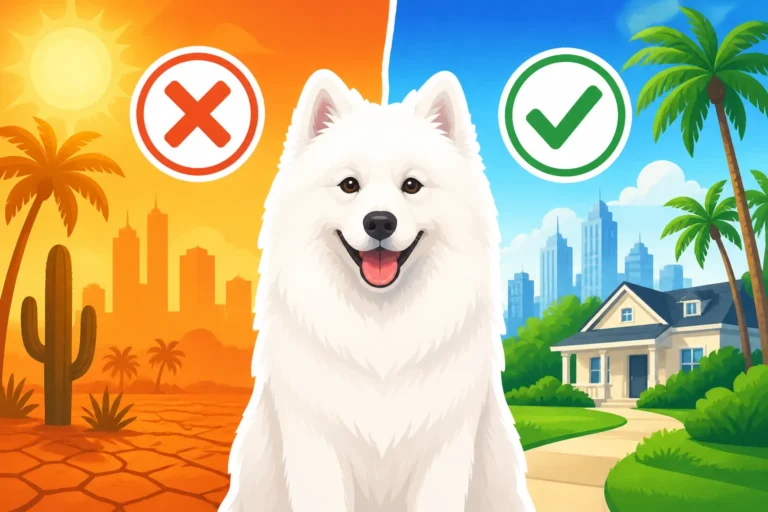
Bringing a majestic Samoyed into your life often means embracing a furry cloud built for arctic winters, only to then face the sweltering reality of an American summer. This stark contrast can be incredibly daunting for owners, who constantly worry about their beloved companion's comfort and safety when temperatures soar far beyond what their breed evolved to handle. This comprehensive guide will walk you through everything you need to know to keep your Samoyed safe, comfortable, and thriving, even when the thermometer is pushing its limits.
Understanding the Samoyed's Ancestral Climate
To truly appreciate the challenges a Samoyed faces in summer, we first need to understand where they come from and how millennia of natural selection shaped their very being. These dogs are living relics of a harsh, unforgiving environment, and their physiology reflects that history down to every fluffy strand of their glorious coat.
The Siberian Home of the Samoyed
Imagine a place where the sun is a distant, pale disk for much of the year, and temperatures routinely plummet to 60 degrees Fahrenheit below zero, sometimes even lower. This is the Yamal Peninsula and the surrounding regions of Siberia, the ancestral homeland of the Samoyed. For thousands of years, these dogs lived alongside the nomadic Nenets people, a relationship forged in extreme cold and mutual survival. Their roles were vital: herding reindeer, guarding against predators, pulling sleds loaded with supplies, and, perhaps most importantly, serving as living blankets. You see, the Nenets would often bring their Samoyeds into their chums (tents) at night, sharing body heat to stave off freezing. The concept of The Samoyed Slept in the Tent to Keep People Alive wasn't just heartwarming; it was a matter of life and death. This close cohabitation means they are inherently social and thrive on being near their human family, even if that means following you from room to room.
How Their Bodies Are Built for Extreme Cold
Every aspect of a Samoyed's physique is a testament to its icy heritage. Their thick, plush paws are snowshoe-like, providing traction and insulation against frozen ground. Their dark, intelligent eyes are almond-shaped, designed to minimize exposure to harsh winds and glare from the snow. Their famous "Samoyed smile" isn't just endearing; it's functional, preventing icicles from forming around their mouths and drooling that could freeze in sub-zero temperatures. These aren't minor adaptations; they are critical survival traits that allowed them to flourish in one of the planet's most inhospitable climates. When we bring these dogs into modern homes and climates, we're asking their ancient biology to adapt to something completely foreign. It's like asking a desert fox to thrive in a rainforest – it’s possible with careful management, but it goes against their fundamental design.
The Double Coat: A Marvel of Nature
The crown jewel of the Samoyed's cold-weather adaptations is, without a doubt, its magnificent double coat. This isn't just a thick layer of fur; it's a sophisticated, multi-purpose insulation system. The outer layer consists of long, coarse guard hairs. These hairs are straight, somewhat stiff, and shed dirt and moisture remarkably well. They act like a protective shield, deflecting snow, ice, and even rain, preventing it from penetrating to the dog's skin. Beneath this, lies the star of the show: a dense, woolly undercoat. This soft, downy fur is incredibly insulating, trapping a layer of warm air close to the body, much like a down jacket keeps a human warm. What many people don't realize is that this same double coat, when properly maintained, also acts as an insulator against heat. It works both ways, creating a barrier that helps regulate body temperature. Removing this natural insulation, as we'll discuss, can actually make your Samoyed hotter, not cooler. This is why understanding Why a Samoyed's Coat Insulates Against Heat as Well as Cold is paramount for any Samoyed owner.
The Harsh Reality of Summer for a Samoyed
While their glorious white coats might evoke images of pristine snow, the reality is that the rising temperatures and humidity of an American summer can quickly become a dangerous adversary for a Samoyed. Owners often feel a deep sense of guilt and worry as they watch their usually energetic dogs slow down, pant excessively, and seek out the coolest patch of tile.
Overheating: The Silent Killer
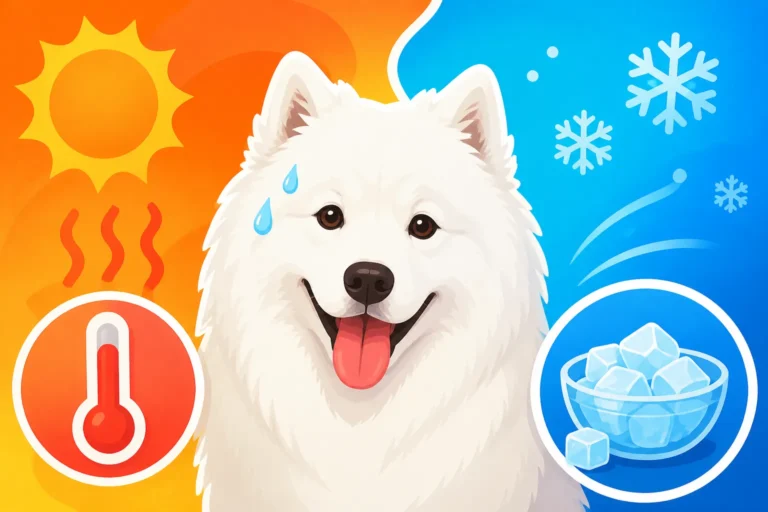
Heatstroke is not just an inconvenience for a Samoyed; it's a life-threatening emergency. Unlike humans who sweat profusely across their skin, dogs primarily cool themselves by panting. While they do have sweat glands in their paw pads, this mechanism is far less efficient than panting, especially for a dog encased in such a dense coat. When the ambient temperature rises, and particularly when humidity is high, the evaporative cooling from panting becomes less effective. The Samoyed's body struggles to dissipate heat, and its core temperature can rapidly climb to dangerous levels. This isn't a gradual process; a playful romp in the backyard or a short walk on a sunny day can turn deadly in minutes. The subtle signs of distress can easily be missed by an unsuspecting owner, leading to a critical situation before anyone even realizes the severity.
Signs Your Samoyed Is Struggling in the Heat
Learning to recognize the early warning signs of heat stress is absolutely vital. Your Samoyed, with its perpetual "smile," is often stoic and won't always make it obvious that they're in trouble until it's severe. Initially, you might notice increased panting, which progresses to heavy, exaggerated panting with a wide-open mouth and tongue lolling out. Their gums might appear darker red than usual, or even pale or bluish in extreme cases. Drooling can increase, becoming thick and ropey. They might start seeking shade or cool spots more intensely, becoming lethargic or reluctant to move. As their condition worsens, you might observe staggering, confusion, vomiting, diarrhea, or even collapsing. These are all critical indicators that your dog's body is in crisis. Don't wait until these severe symptoms appear; even excessive panting on a warm day warrants immediate action. For more specific details, understanding Signs a Samoyed Is Overheating can truly be a lifesaver.
The Illusion of Their "Smile" in Distress
One of the most heart-wrenching aspects of Samoyed ownership in hot weather is the breed's famous "smile." That upturned mouth, which makes them appear perpetually happy, can tragically mask their distress. A Samoyed experiencing severe heatstroke might still have that characteristic grin, making it difficult for an owner to accurately gauge their suffering. This is why relying solely on their facial expression is incredibly misleading and dangerous. Instead, you must become a keen observer of their overall body language, respiratory effort, and gum color. A panting Samoyed, even with a smile, is working hard to cool itself. If that panting becomes labored, noisy, or excessively deep and fast, regardless of the "smile," your dog is telling you it's struggling. It's a reminder that their breed characteristics, while charming, require owners to be extra vigilant and look beyond the surface.
Debunking the Myth: Shaving Your Samoyed for Summer
It's a common, well-intentioned thought: "My Samoyed must be hot with all that fur. I'll shave them for summer!" This, however, is one of the most detrimental things you can do to their magnificent coat and, ironically, will often make them hotter, not cooler.
Why Shaving Makes Things Worse
Shaving a Samoyed's double coat, or any double-coated breed for that matter, disrupts its natural thermal regulation system. The guard hairs and undercoat work together to create an insulating barrier that traps air, keeping the dog warm in winter and helping to keep them cool in summer. When you shave this off, you remove the protective layer of guard hairs that reflect sunlight and prevent UV radiation from reaching the skin. This leaves their delicate skin exposed to direct sun, increasing the risk of sunburn, skin irritation, and even skin cancer. Furthermore, the shorn undercoat often grows back unevenly, sometimes failing to grow back at all, or growing in a way that clumps, hindering its ability to insulate effectively. This damaged coat can then trap heat against the body, leading to increased overheating risks. It's a lose-lose situation that jeopardizes their health and compromises the integrity of their beautiful fur. For a deeper dive into this, read Why Shaving a Samoyed Makes the Heat Worse.
The Role of Guard Hairs and Undercoat
Let's break down the science of their coat. The long, stiff guard hairs on a Samoyed's outer coat act like a natural parasol, creating shade over the skin and deflecting harsh sunlight. They also allow air to circulate through the coat, reaching the skin and facilitating evaporative cooling from panting. The dense undercoat, beneath this, traps a layer of air. This air layer acts as insulation, slowing the transfer of heat from the outside environment to the dog's body, much like the insulation in your house keeps it cool in summer. Think of it as a natural air conditioner. When both layers are healthy and properly maintained through regular grooming, they create an incredibly efficient climate control system. Shaving essentially dismantles this entire system, leaving your Samoyed vulnerable to the elements they were specifically designed to combat.
When and How to Trim, Not Shave
While shaving is a definite no-go, strategic trimming can be beneficial. The key word here is trim, not shave. Focus on areas where matting can occur and where air circulation is crucial. This typically includes trimming the hair around their paw pads to prevent slipping and improve air flow, and lightly trimming the sanitary areas to maintain hygiene. Some owners also choose to trim the hair on the belly very slightly, being careful not to go too short or expose the skin. The goal is to neaten and manage, not to strip away the protective layers. Regular, thorough brushing is far more effective than any trim at keeping your Samoyed cool. By removing loose undercoat, you allow for better air circulation within the coat, enhancing its natural cooling properties. Tools like a slicker brush and an undercoat rake are your best friends during warmer months. You can find excellent grooming tools at pet supply retailers like Chewy or Amazon, making it easy to keep up with this crucial routine.
Creating a Cool Oasis: Adapting Your Home for Your Samoyed
Since outdoor activity is limited for Samoyeds in summer, your home becomes their sanctuary. Creating a cool and comfortable indoor environment is paramount for their well-being during the hottest months. This isn't just about turning down the thermostat; it's about thoughtful planning and providing specific cooling aids.
Air Conditioning and Strategic Cooling
For a Samoyed, air conditioning isn't a luxury; it's a necessity in many climates. Keeping your home at a consistently cool temperature, especially during peak heat hours, is the most effective way to prevent overheating. However, simply cranking the AC might not be enough or always feasible. Consider using fans to circulate air, especially in rooms where your Samoyed spends the most time. Positioning a fan to blow over a bowl of ice can create a localized "swamp cooler" effect. Closing blinds and curtains during the day can also significantly reduce solar gain, keeping rooms naturally cooler. Remember that the cost of What Air Conditioning Adds to a Samoyed Household is simply part of the package when you bring one of these magnificent dogs into a warm climate. It's an essential investment in their health and comfort.
The Magic of Cooling Mats and Elevated Beds
Beyond ambient air temperature, direct contact with cool surfaces can provide immense relief. Cooling mats, which typically contain a gel that activates with pressure, or simply absorb and dissipate body heat, are a fantastic investment. Your Samoyed will likely gravitate towards these naturally. Place them in their favorite resting spots or near where you spend time. Elevated dog beds, often made with mesh fabric, also help by allowing air to circulate underneath your dog, preventing heat from getting trapped. While a plush, cozy bed is lovely in winter, a breathable, elevated cot is far superior for summer comfort. There are many options available through retailers like Chewy and Amazon, and researching Whether a Samoyed Needs a Cooling Mat can provide more insights into choosing the right one for your furry friend.
Hydration Stations and Water Access
Staying hydrated is absolutely critical for all dogs, but especially for Samoyeds battling the heat. Make sure your Samoyed has constant access to fresh, cool water in multiple locations throughout your home. Consider using large ceramic or stainless steel bowls that are harder to tip and help keep water cooler for longer. Adding a few ice cubes to their water bowl can make it more appealing and help slightly lower their internal temperature. Some Samoyeds enjoy lapping at flowing water, so a pet fountain might be a welcome addition, encouraging them to drink more. Regularly cleaning these bowls is also important to ensure the water is always fresh and inviting. Don't underestimate the power of hydration; it’s a cornerstone of heat prevention.
Outdoor Management: Surviving Summer Walks and Yard Time
While limiting outdoor exposure during the hottest parts of the day is crucial, Samoyeds still need exercise and mental stimulation. The trick is to be smart and strategic about when and how they experience the outdoors during summer.
Timing Your Outdoor Adventures
Forget midday strolls during the summer months. For a Samoyed, the ideal times for outdoor activity are early morning, before the sun has had a chance to bake the ground, and late evening, once the sun has set and temperatures have dropped significantly. Even then, you need to be vigilant. A short, brisk walk might be all your Samoyed can handle. Observe their panting and energy levels carefully. If they start to pant heavily or seem reluctant to move, it's time to head back inside. Longer walks or strenuous exercise should be completely off the table when it's warm. Understanding How Early a Samoyed Should Be Walked in Summer and Whether a Samoyed Should Walk at Midday are excellent resources to help you plan a safe routine. Remember, a quick potty break outside and then back to the air-conditioned indoors is often the safest bet for much of the day.
Pavement Burns and Paw Protection
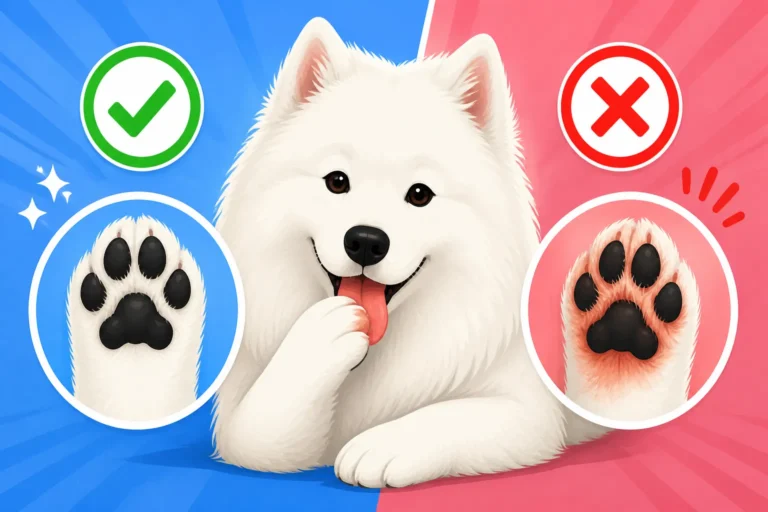
One often overlooked danger in summer is the scorching temperature of pavement, asphalt, and even sand. These surfaces can reach temperatures far higher than the ambient air, easily burning your Samoyed's paw pads. Imagine walking barefoot on a hot sidewalk; that's what your dog is experiencing. Always test the ground with the back of your hand for at least five to seven seconds. If it's too hot for your hand, it's too hot for their paws. During summer, prioritize walking on grass or shaded dirt paths. If walks on hot surfaces are unavoidable, consider dog booties, though many Samoyeds aren't keen on them. Alternatively, keep walks extremely short and stick to shaded areas as much as possible. These burns can be incredibly painful, lead to infection, and require veterinary attention.
Shade, Water, and Controlled Play
Any time your Samoyed is outdoors, even for short periods, access to shade and fresh water is non-negotiable. If they are in the yard, ensure there's ample shade from trees, umbrellas, or a covered patio. A kiddie pool filled with a few inches of cool water can be a wonderful way for them to self-regulate their temperature. Many Samoyeds enjoy wading or splashing, and it offers a fun, safe way to cool down. Keep a water bowl filled and readily available. Outdoor play should be minimal and closely supervised. Short games of fetch in the shade are okay, but immediately stop if you see any signs of overheating. Never leave your Samoyed unsupervised outside in warm weather, even for a moment. Their strong drive to be with their family makes them excellent candidates for supervised outdoor time, but you are their ultimate guardian against the summer elements.
Nutrition and Hydration in Hot Weather
Adjusting your Samoyed's diet and focusing intensely on hydration are crucial components of their summer care. Their caloric needs might shift, and the quality and availability of water become even more important.
Rethinking Exercise-Related Calories
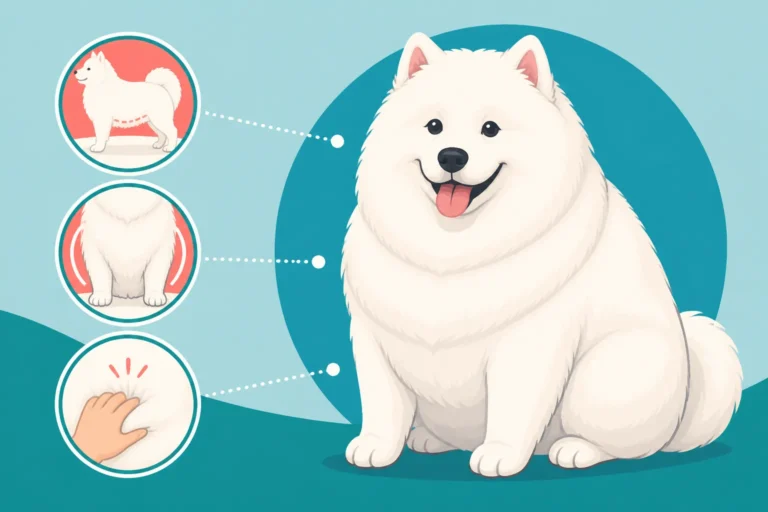
During the summer, most Samoyeds will naturally be less active due to the heat. This means their caloric needs will likely decrease. Overfeeding a less active dog can lead to unhealthy weight gain, which in turn can exacerbate heat intolerance and contribute to other health issues like Diabetes in a Middle Aged Samoyed. It's essential to monitor your Samoyed's weight and body condition closely. You should still be able to feel their ribs easily without pressing hard, and they should have a discernible waist. If your dog is less active, consider slightly reducing their portion sizes or switching to a lower-calorie formula. If you feed a fresh food diet like Ollie, you might adjust portion sizes directly. Always consult with your veterinarian before making significant dietary changes, but be mindful that what they need in winter for strenuous activity might be too much in summer.
The Importance of Constant Fresh Water
I've touched on water before, but it bears repeating: constant access to fresh, cool water is paramount. Your Samoyed's body will be working harder to cool itself, even at rest, and this process consumes a lot of water. Dehydration makes them even more susceptible to heatstroke. Monitor their water intake. If you notice they are drinking excessively or, conversely, not drinking enough, it could be a sign of a problem. Refreshing their water multiple times a day is a good practice, especially if it gets warm quickly. Portable water bottles with attached bowls are invaluable for walks or car rides, even short ones. Think of water as their most vital summer nutrient. Ensuring How Much Water a Samoyed Needs in Summer is consistently met can prevent a myriad of heat-related issues.
Avoiding Fatty Treats and Certain Foods
While treats are a part of bonding and training, be particularly mindful of them during summer. High-fat treats are harder for dogs to digest and can sometimes contribute to digestive upset, which can be further complicated by heat stress. Additionally, certain human foods should be strictly avoided. While you should always be cautious with table scraps, some foods like grapes, raisins, chocolate, and xylitol (a common sugar substitute) are toxic and pose a year-round threat. In summer, the focus should be on lean, easily digestible treats in moderation, or even frozen fruit slices like apple or banana (in small, appropriate amounts) as a cool, refreshing snack. A frozen Kong stuffed with plain yogurt or peanut butter (xylitol-free!) can also be a wonderful, long-lasting cool treat that helps keep them hydrated and entertained indoors.
Emergency Preparedness: What to Do in a Heat Crisis
Despite all precautions, sometimes a Samoyed can still overheat. Knowing exactly what to do in an emergency can literally be the difference between life and death. Panic won't help; quick, informed action will.
Recognizing Advanced Heatstroke Symptoms
As mentioned before, early signs include heavy panting, lethargy, and seeking cool spots. However, advanced heatstroke symptoms are much more severe and require immediate intervention. These include:
- Bright red, pale, or bluish gums: An indicator of circulatory distress.
- Thick, ropey saliva and excessive drooling: A sign of severe dehydration and body struggling to cool.
- Vomiting and diarrhea (sometimes bloody): Internal organ damage is occurring.
- Wobbly gait, stumbling, or inability to stand: Neurological impairment due to high body temperature.
- Seizures or collapse: Critical brain function compromise.
- Rapid heart rate: The heart is working overtime to compensate.
- Unconsciousness: The most severe sign, indicating imminent danger.
If you observe any of these symptoms, consider it a dire emergency.
First Aid for Overheating
If your Samoyed is showing signs of advanced heatstroke, every second counts.
- Move them immediately to a cooler environment: Get them into air conditioning, into the shade, or even a cool car with the AC blasting.
- Begin active cooling:
- Cool water: Get them wet with cool (not ice-cold) water. Focus on the belly, armpits, and groin where major blood vessels are close to the surface. You can use a hose, a damp towel, or even just pour water on them. Avoid ice-cold water as it can cause blood vessels to constrict, trapping heat inside, and can lead to shock.
- Fans: Direct a fan at them to aid evaporative cooling.
- Cooling mats: Get them onto a cooling mat if available.
- Offer small amounts of water: If they are conscious and willing to drink, offer a little cool water, but don't force it to avoid aspiration.
- Monitor their temperature: If you have a rectal thermometer, take their temperature. The goal is to bring it down slowly. Once their temperature drops to around 103°F (39.4°C), stop active cooling to prevent overcooling.
- Call your vet immediately: Even if your dog seems to be recovering, internal damage may have occurred.
When to Seek Veterinary Care Immediately
Always, always seek immediate veterinary care if your Samoyed shows any signs of heatstroke. Even mild cases can quickly escalate, and internal organ damage might not be apparent externally. Call your vet or the nearest emergency veterinary hospital while you are starting first aid, so they can be prepared for your arrival. Describe your dog's symptoms and what you've done. On the way to the vet, continue cooling efforts in the car with the AC on and windows down. Your veterinarian will be able to assess the extent of the damage, provide intravenous fluids, medications, and further cooling if necessary. It's a scary situation, but prompt, decisive action can save your Samoyed's life. Consider checking Whether an Affected Samoyed Can Be Treated for more general health treatment advice, keeping in mind heatstroke is an acute emergency.
Disclaimer
This article is for general informational purposes only and does not constitute professional advice. Laws, prices and regulations vary by location and change over time. Consult a qualified professional for guidance on your specific situation.