A Samoyed’s Coat Is Insulation, Not Decoration
If you've ever gazed at a magnificent Samoyed, you've undoubtedly been captivated by their breathtaking, cloud-like coat. It's often the first thing people notice, making them seem like living, breathing snow angels. But beneath all that beauty lies a highly functional, marvelously engineered system, and misunderstanding its true purpose can lead to serious mistakes in care. This guide is here to unravel the secrets of the Samoyed's coat, explaining why it's far more than just decoration, and how to properly care for this vital insulating layer that keeps your beloved companion comfortable in any weather.
Understanding the Samoyed's Remarkable Double Coat
The Samoyed's coat is a wonder of nature, a testament to centuries of adaptation to the harsh Arctic conditions of Siberia. It’s not just one type of hair; it’s a sophisticated dual-layer system, each part playing a crucial role in protecting the dog. This double coat is what allows them to thrive in freezing temperatures and, perhaps surprisingly, helps them manage warmer climates too.
The Guard Hairs: Outer Protection and Dirt Repellent
Imagine a sturdy, protective shield – that’s essentially the role of the Samoyed’s guard hairs. These are the longer, coarser, and slightly stiffer hairs that form the outermost layer of the coat. They’re straight, stand off the body, and are quite resilient. Their primary job is to repel water, snow, and dirt, acting as a natural barrier against the elements. When you see a Samoyed shake off after a roll in the mud, and most of the grime just seems to fall away once it dries, you’re witnessing the guard hairs doing their magic. They don't absorb moisture easily, which prevents the dog from getting soaked to the skin in wet conditions, a critical feature for survival in icy environments. This outer layer is also surprisingly resistant to tangling, provided the undercoat is properly maintained.
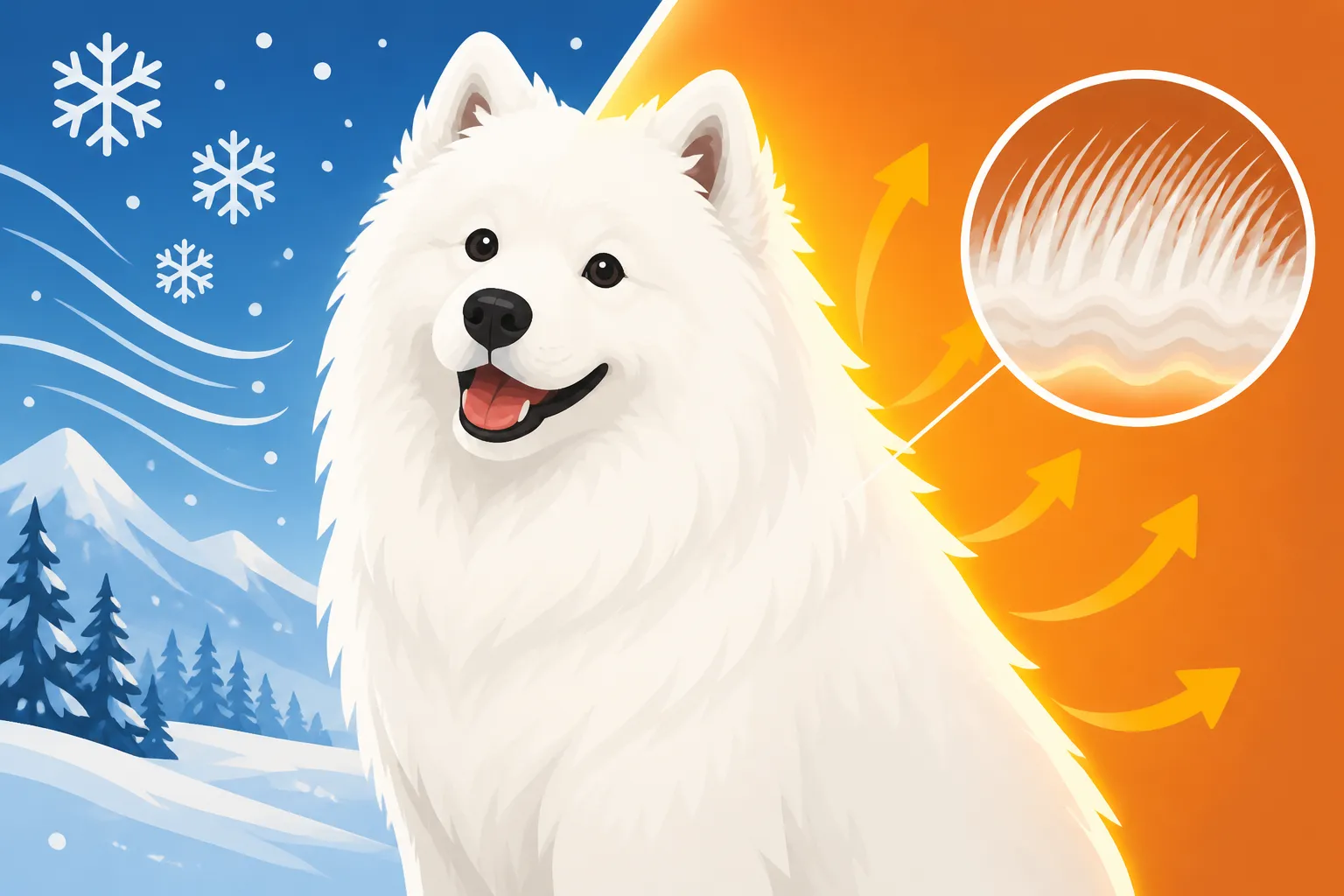
Beyond mere protection, these guard hairs contribute significantly to the Samoyed's iconic pristine white appearance. Their texture and structure help reflect sunlight, which is beneficial in keeping the dog cool in sunny conditions. This is a common point of confusion for new owners: how can such a thick coat protect against heat? It's all in the engineering. The guard hairs act like a sunshield, preventing the sun's rays from penetrating directly to the skin. They also play a role in allowing air to circulate, creating a natural cooling system close to the skin. Why a Samoyed's Coat Insulates Against Heat as Well as Cold delves deeper into this fascinating aspect. Without these guard hairs, the dog's skin would be directly exposed, making them more vulnerable to sunburn and overheating.
The Undercoat: The Ultimate Insulator
If the guard hairs are the shield, the undercoat is the thick, luxurious blanket underneath. This layer is composed of incredibly dense, soft, and woolly hair, almost like a fine cashmere. It’s significantly shorter than the guard hairs and is packed tightly against the dog’s body. This density is paramount to its function: trapping a layer of air close to the dog's skin. This trapped air acts as an exceptional insulator, preventing body heat from escaping in cold weather and, crucially, preventing external heat from reaching the body in warmer temperatures. Think of it like the insulation in your house walls – it works both ways.
When you run your fingers through a Samoyed's coat, past the crisp outer layer, you'll feel this incredibly soft, thick undercoat. It’s the primary reason why Samoyeds are so well-equipped for extreme climates. This undercoat is constantly shedding and regrowing, especially during seasonal "coat blows," where large amounts of old undercoat are shed to make way for new growth. This process is essential for maintaining the integrity of the insulating layer. Without proper care, this undercoat can mat tightly, losing its ability to trap air, which then compromises both its heating and cooling properties. What a Samoyed's Double Coat Is Made Of offers a closer look at the unique composition of these layers.
How the Coat Works in Extreme Cold
In their native Siberia, temperatures can plummet to truly terrifying lows. The Samoyed's coat is their first and most effective defense. The combination of dense undercoat and protective guard hairs creates an almost impenetrable barrier against the cold. The undercoat traps warm air generated by the dog's body, creating a thermal layer that acts like a personal microclimate. This prevents heat loss, ensuring their core body temperature remains stable even when the ambient temperature is well below freezing.
The guard hairs, meanwhile, prevent snow and ice from reaching the insulating undercoat, keeping it dry and fluffy, which is essential for it to function correctly. Imagine trying to stay warm with a wet blanket – it just doesn't work. The unique texture of the guard hairs means snow doesn't stick readily and can be easily shaken off. This design is why a Samoyed can comfortably sleep outdoors in snowy conditions, often curling up with its tail over its nose for extra warmth. This built-in climate control system is truly remarkable, allowing them to not just survive, but thrive, in environments that would be deadly for most other breeds.
The Misconception of Shaving: Why It Does More Harm Than Good
It's a common, heartbreaking sight in Samoyed owner groups: a photo of a shaved Samoyed, often accompanied by a caption like, "My poor Sammy was so hot, I had to shave him!" While the intention is almost always good – owners genuinely believe they are helping their dog cool down – the reality is that shaving a Samoyed's double coat is one of the worst things you can do for their temperature regulation, and it can cause lasting damage.
Shaving for Heat Relief: A Dangerous Myth
The idea that shaving a Samoyed will make them cooler in summer is a widespread myth, and it causes so much stress for both dogs and their well-meaning owners. People look at that thick, fluffy coat and think, "Oh, they must be boiling under all that!" So, they shave it off, believing they're providing relief. What they don't realize is they've just stripped away the very mechanism that keeps their dog insulated, both from cold and heat. The double coat, as we discussed, traps air. This air layer slows down the transfer of heat in both directions. Removing it means the sun's intense heat can directly penetrate to the dog's skin, and the dog's body heat has no barrier to escape, actually making them more susceptible to overheating and sunburn.
Instead of cooling them down, shaving exposes their delicate skin to the sun's harmful UV rays, significantly increasing the risk of sunburn and even skin cancer. This is particularly true for Samoyeds with their fair skin. You wouldn't go out in the desert sun without a hat and protective clothing, would you? A Samoyed's coat is their natural sunblock. Furthermore, a shaved Samoyed will often feel hotter to the touch because their skin is directly radiating heat, without the protective barrier of the coat. This only perpetuates the myth for owners who feel the warm skin and believe they've done the right thing, when in fact, they've removed the insulating air gap.
The Impact on Natural Temperature Regulation
The Samoyed's double coat is a finely tuned thermostat. When it's cold, it keeps the warmth in. When it's hot, it prevents external heat from reaching the body and allows for effective air circulation close to the skin. Shaving completely disrupts this natural system. Without the undercoat, the dog loses its primary insulation against heat gain from the environment. Without the guard hairs, direct sun exposure becomes a huge problem. This means their body has to work much harder to maintain a safe internal temperature.
Dogs primarily regulate their temperature through panting and sweating through their paw pads. While the coat plays a massive role in passive temperature regulation, it doesn't hinder panting. By removing the coat, you're forcing their internal systems to compensate for a problem you've created. This can lead to increased panting, discomfort, and a higher risk of heatstroke, especially during exercise or on particularly warm days. Owners often find that their shaved Samoyed still pants just as much, if not more, after being clipped, which is a clear sign that the act of shaving didn't achieve the desired cooling effect. Why a Samoyed Must Never Be Shaved goes into extensive detail about these critical consequences.
Potential Damage to Coat Regrowth
Beyond the immediate issues of heat regulation and sun exposure, shaving a Samoyed's coat can cause long-term, irreversible damage to its structure and appearance. This is often referred to as "clipper alopecia" or "post-clipping alopecia." When the double coat is shaved, especially down to the skin, it can damage the hair follicles. The guard hairs and undercoat grow at different rates and have different textures. When they regrow, the softer undercoat often comes in faster and thicker, but the coarser guard hairs may not grow back at all, or they may grow back very slowly and sparsely.
This results in a coat that is uneven, patchy, and often feels like cotton rather than the crisp, weather-resistant texture it once had. The protective qualities of the guard hairs are compromised, and the undercoat may become prone to matting even more easily, further reducing its insulating efficiency. In some cases, the coat may never return to its original glory, remaining dull, coarse, or thin in patches for the rest of the dog's life. It's a risk that is simply not worth taking, given that shaving doesn't even provide the perceived benefit of cooling. The decision to shave a Samoyed should only ever be made by a veterinarian for medical reasons, such as surgery or severe skin conditions, and never for routine grooming or perceived comfort.
Keeping That Gorgeous Coat Clean and Healthy
Okay, so we know not to shave it. But that magnificent, cloud-like coat doesn't just maintain itself, does it? Keeping a Samoyed's coat in prime condition requires dedication and the right techniques. It's a labor of love, but oh, so worth it when you see your fluffy companion looking their best and feeling comfortable.
Regular Brushing: The Cornerstone of Coat Care
If there's one thing you take away about Samoyed coat care, let it be this: brush, brush, brush! Regular and thorough brushing is absolutely non-negotiable for a Samoyed. This isn't just about making them look pretty; it's vital for their health and comfort. Brushing removes loose undercoat, prevents mats from forming, distributes natural oils throughout the coat, and stimulates circulation in the skin. For a Samoyed, "regular" usually means at least two to three times a week, but during shedding seasons, you might find yourself needing to brush daily.
The right tools are essential. You'll need a good quality slicker brush, a long-toothed undercoat rake, and a sturdy metal comb. Start by line brushing: part the hair and brush in layers, making sure to reach down to the skin. Many owners make the mistake of only brushing the top coat, leaving dense mats forming underneath, especially behind the ears, in the armpits, and around the tail and britches. Ignoring these areas is how a simple mat turns into a painful, skin-pulling felted mess. Make it a positive experience with treats and praise, especially when they're puppies, so they learn to enjoy their grooming sessions. How Often a Samoyed Needs Brushing further elaborates on establishing a consistent brushing routine.
Managing the Infamous "Coat Blow"
Ah, the "coat blow" – a term that strikes fear and a hint of resignation into the hearts of Samoyed owners everywhere. This phenomenon occurs typically twice a year, usually in spring and fall, when your Samoyed sheds its entire undercoat to prepare for the changing seasons. During a coat blow, it will feel like your house has been hit by a snowstorm of white fluff. Seriously, it's astonishing how much fur can come off one dog! This intense shedding can last for several weeks.
During a coat blow, your brushing efforts need to intensify significantly. Daily, thorough brushing with an undercoat rake is a must. This helps pull out the dead undercoat efficiently, preventing mats and speeding up the process. A high-velocity force dryer (not a human hairdryer!) can also be an invaluable tool. After a bath, a force dryer helps blast out loose undercoat that brushing alone can't reach, and it ensures the coat is dried completely down to the skin. Many owners opt for professional grooming during these times, and it's a wise investment. The cost of such a service, like What a Deshedding Treatment Costs on a Samoyed, can be offset by the reduction in fur in your home and the health benefits for your dog. For those managing at home, reputable brands found on Amazon or Chewy offer excellent undercoat rakes and force dryers that can make a world of difference.
The Art of Bathing and Drying Your Samoyed
Bathing a Samoyed isn't like bathing a short-haired dog; it's an undertaking. While Samoyeds aren't typically a smelly breed, thanks to their self-cleaning coat Why a Samoyed Barely Smells at All, they will eventually need a bath, especially if they've found a particularly interesting mud puddle or decided to roll in something unsavory. The key is thoroughness, both in washing and, even more critically, in drying.
Use a good quality dog shampoo and conditioner. Dilute the shampoo to help it penetrate the thick coat and rinse, rinse, rinse! Any residue left in the coat can irritate the skin and lead to matting. The real challenge comes with drying. You absolutely must dry a Samoyed completely down to the skin. Leaving any dampness in that dense undercoat can lead to skin infections (hot spots), mildew growth, and severe matting. This is where a high-velocity force dryer becomes your best friend. It not only dries the coat quickly but also helps to blow out any remaining loose undercoat. Expect the entire process, from washing to bone-dry, to take several hours, especially if you're new to it. Patience is paramount, and your Samoyed will thank you for being completely dry and fluffy. Drying a Samoyed to the Skin provides a detailed guide on achieving this essential step.
Protecting the Coat from Damage and Discoloration
A Samoyed's coat is designed for endurance, but it's not indestructible. Daily life, environmental factors, and even certain habits can lead to damage and discoloration if not managed properly. Keeping that stunning white coat pristine and healthy requires a proactive approach.
Preventing Mats and Tangles
Mats are the arch-nemesis of any long-haired dog owner, and Samoyed owners are no exception. Mats occur when shed hair gets caught in the coat and weaves together with live hair, forming dense, tangled clumps. They are not just unsightly; they can be incredibly painful, pulling on the skin, causing irritation, and even leading to skin infections if moisture gets trapped underneath. The key to mat prevention, as mentioned, is consistent and thorough brushing, focusing on areas prone to matting like behind the ears, under the chin, in the armpits, on the insides of the legs, and around the tail and britches.
Using a good quality leave-in conditioning spray or detangler can also help. Spritz the coat lightly before brushing, especially if it feels a bit dry or prone to static. If you do find a mat, resist the urge to pull it out. Instead, gently work it apart with your fingers, then use the end tooth of a metal comb to tease it out, working from the outside of the mat inwards. For stubborn mats, a mat splitter or a quick snip with blunt-nosed scissors (always pointing away from the skin!) might be necessary, but this should be a last resort. Prevention is always better than cure, as severe matting can necessitate a professional groomer's intervention, which can be costly and stressful for your dog.
Dealing with Stains and Yellowing
The pure white coat of a Samoyed is beautiful, but it also shows every speck of dirt and every stain. While the guard hairs are naturally dirt-repellent, certain areas are prone to staining or yellowing. Common culprits include tear stains around the eyes (though less common in Samoyeds than some other breeds), urine stains on the legs or belly, and general environmental grime. Even chewing on certain toys or licking can cause saliva staining.
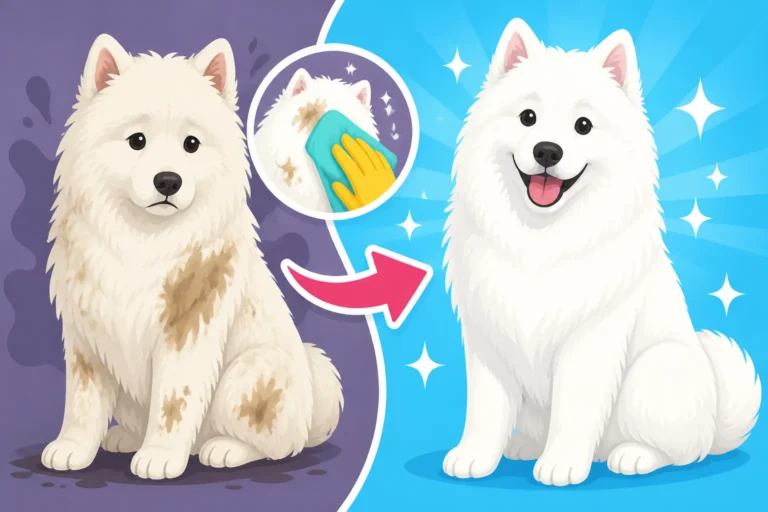
For minor staining, often a quick spot clean is all that's needed. You can use a damp cloth with a mild, dog-safe shampoo or a specialized whitening shampoo applied directly to the stained area, followed by a thorough rinse and blow-drying. For tear or beard stains, daily wiping with a damp cloth can help prevent buildup. Some owners find that cornstarch, lightly dusted into the coat and then brushed out, can absorb oils and help lift some stains without bathing. If your Samoyed spends a lot of time outside, especially in damp conditions, their coat might develop a generalized yellowish tinge over time. Regular bathing with a whitening shampoo can help, but remember, these aren't harsh bleaches; they contain optical brighteners that reflect light to make the coat appear whiter. Always check with your vet if staining is accompanied by skin irritation or discharge, as it could indicate an underlying health issue.
Safeguarding Against Environmental Damage
The environment can be surprisingly harsh on a Samoyed's coat. Everything from prolonged sun exposure to chemical treatments in the yard can affect its health and appearance. While the coat offers some protection, it's not impervious. Intense, direct sunlight for extended periods can dry out the guard hairs, making them brittle and potentially causing a yellowish tint. If your Samoyed spends a lot of time outdoors in strong sun, ensuring they have ample shade is crucial.
Chemicals are another concern. Pesticides, herbicides, and even certain de-icing salts can irritate the skin and damage the coat. If your Samoyed has been in an area treated with chemicals or walked on salted sidewalks, it's wise to rinse their paws and lower legs thoroughly with plain water as soon as you get home. This prevents them from licking off harmful substances and protects their coat. Similarly, playing in chlorinated pools, while a fun way for some Samoyeds to cool down, can dry out their skin and coat. A quick rinse with fresh water after swimming is always a good idea. Consider durable and safe products from Chewy or Amazon to help manage these environmental factors, such as paw balm for rough terrain or a pet-safe lawn treatment.
The Deeper Connection: Coat Health and Overall Well-being
It’s tempting to view a Samoyed's coat as purely external, something separate from their internal health. But their fur is a fantastic barometer for their overall well-being. A dull, brittle, excessively shedding, or unhealthy coat can often be the first visible sign that something deeper is amiss with your furry friend. Paying attention to these subtle changes is a critical part of being a responsible Samoyed owner.
Nutrition's Role in a Lustrous Coat
You truly are what you eat, and the same goes for your Samoyed. A healthy, shiny, and strong coat begins with a high-quality diet. Insufficient protein, essential fatty acids (like Omega-3s and Omega-6s), and certain vitamins and minerals can all manifest as a dull, dry, or brittle coat that sheds excessively and is prone to breakage. Think about it: hair is primarily made of protein, so a diet lacking in this crucial macronutrient simply can't support robust hair growth.
Look for dog foods that list a high-quality animal protein (like chicken, lamb, or fish) as the first ingredient. Ensure the food contains a good balance of fatty acids, often found in ingredients like fish oil, flaxseed, or chicken fat. Some owners choose to supplement their Samoyed's diet with fish oil, such as salmon oil, to boost those beneficial Omega-3s. Brands like Ollie, known for their fresh, human-grade ingredients, often provide well-balanced nutrition that can contribute to excellent coat health. Always consult your veterinarian before making significant dietary changes or adding supplements, as too much of a good thing can sometimes be detrimental. How Much a Samoyed Should Eat touches on the importance of balanced nutrition.
Spotting Health Issues Through Coat Changes
Your Samoyed's coat can be an early warning system for various health problems. Beyond just dullness, pay attention to any changes in texture, thickness, or the presence of new skin issues. For example, excessive dry skin and a flaky coat could point to allergies, a parasitic infestation, or even hypothyroidism. Patchy hair loss, particularly if it's symmetrical, might indicate a hormonal imbalance. Persistent itching, redness, or bumps could signal skin allergies, bacterial infections, or fungal issues.
Even seemingly minor changes, like a sudden increase in shedding outside of a normal coat blow cycle, or a coat that becomes unusually greasy or coarse, warrant attention. If you notice any of these changes, especially if accompanied by other symptoms like lethargy, changes in appetite, or excessive scratching, a trip to the veterinarian is in order. They can perform diagnostic tests to get to the root cause, which could be anything from a simple dietary adjustment to a more complex medical condition. Remember, your Samoyed has a thick coat, so you might need to part the fur regularly to inspect the skin underneath for any abnormalities.
The Psychological Aspect of Grooming
Grooming isn't just a physical necessity; it's a significant psychological experience for your Samoyed and an important bonding opportunity for you both. A dog that is regularly groomed, especially from a young age, typically becomes more comfortable with handling, making vet visits and future grooming sessions much less stressful. The tactile interaction of brushing, the gentle voice, and the positive reinforcement build trust and strengthen your relationship.
When a Samoyed's coat is neglected, however, the psychological impact can be negative. Mats can be incredibly painful, causing constant discomfort and making the dog reluctant to be touched. This can lead to behavioral issues, making them fearful or even aggressive when approached for grooming. Regular grooming, therefore, contributes to a more comfortable, confident, and well-adjusted dog. It’s also an opportunity for you to check for any new lumps, bumps, or injuries that might otherwise go unnoticed beneath that thick fur. So, embrace those brushing sessions not as a chore, but as quality time with your beautiful, fluffy companion. What a Samoyed Needs Every Day includes regular grooming as a core component of daily care.
Living with the Shedding: Embracing the Reality
Let's be blunt: Samoyeds shed. A lot. It's a non-negotiable part of sharing your home with one of these magnificent creatures. If you're looking for a non-shedding or low-shedding breed, the Samoyed is definitely not it. But understanding why they shed, when they shed, and how to manage it can make all the difference in maintaining your sanity and keeping your home relatively fur-free (or at least, less fur-laden).
Daily Shedding vs. Seasonal Coat Blows
There's a distinction to be made between the daily, year-round shedding and the dramatic seasonal "coat blows." Daily shedding is simply the natural turnover of hair. Just like humans lose hair every day, Samoyeds continuously shed some of their undercoat hairs, especially during brushing. This is usually manageable with regular vacuuming and a good daily or every-other-day brush. You'll find tumbleweeds of white fur rolling across your floors, and your clothes will likely collect a certain amount of "Samoyed glitter."
However, the seasonal coat blow is an entirely different beast. As discussed earlier, this happens typically twice a year (though sometimes less predictably depending on climate and individual dog) when the dog sheds its entire dense undercoat to prepare for new growth. During these periods, which can last several weeks, the amount of fur coming off your dog is truly astounding. You could easily fill a grocery bag with loose undercoat after a thorough brushing session. This is the time when you might invest in a heavy-duty vacuum cleaner or even consider options like professional grooming for deshedding services. Don't be fooled by the year-round shedding; the coat blow is on another level entirely.
Tools and Strategies for Managing Fur in Your Home
Living with a shedding Samoyed means becoming a connoisseur of fur-management tools. A high-quality vacuum cleaner is your first line of defense. Look for models specifically designed for pet hair, often found on Amazon or Chewy, with strong suction and good filtration systems. Robotic vacuums can also be a lifesaver for daily maintenance, picking up those ubiquitous fur tumbleweeds. Lint rollers will become a permanent fixture in your home and car, ready to tackle any outfit before you leave the house.
Beyond cleaning tools, consistency is key. Daily or every-other-day brushing, even outside of a coat blow, will significantly reduce the amount of fur that ends up on your furniture and floors. Using a slicker brush and an undercoat rake are essential for this. Designating specific areas for your Samoyed, using washable furniture covers, and investing in a good pet hair remover for upholstery can also help. Some owners even have a dedicated "grooming spot," often outdoors or in a tiled area, where daily brushing happens to contain the fur mess. It's a lifestyle adjustment, for sure, but a happy Samoyed is worth the extra cleaning. What a Samoyed Owner Needs a Better Vacuum is a must-read for anyone considering bringing a Samoyed into their home.
What to Do with All That Fur (Beyond the Vacuum)
So, you've brushed out pounds of beautiful, soft Samoyed undercoat. Now what? While most of it will end up in the trash (or clogging your vacuum), there are actually some creative and environmentally friendly uses for that incredible fluff! Samoyed fur, particularly the soft undercoat, is incredibly warm and surprisingly strong. It can be spun into yarn, a practice known as "chiengora."
Many owners collect their Samoyed's brushed-out fur throughout the year and send it to specialized spinners who transform it into luxurious yarn. This yarn can then be knitted or crocheted into scarves, hats, blankets, or even sweaters. Imagine wearing a garment made from your own dog's fur – a truly unique and meaningful keepsake! This yarn is often said to be warmer than sheep's wool and surprisingly odorless once processed. Some craftspeople even use Samoyed fur for stuffing pillows or making unique felted art. So, before you simply toss all that precious fluff, consider its potential. It's a tangible reminder of your bond and a testament to the unique qualities of the Samoyed's incredible coat. What Selling Samoyed Fur as Yarn Brings In explores this fascinating use of Samoyed fur.
| Coat Feature | Description | Primary Function | Care Consideration |
|---|---|---|---|
| Guard Hairs | Long, coarse, straight outer layer | Repels water, snow, dirt; UV protection; air circulation | Do not shave; brush to remove loose hairs |
| Undercoat | Dense, soft, woolly inner layer | Traps air for insulation (cold & heat); cushioning | Daily/frequent brushing crucial to prevent mats & remove dead hair; thorough drying after baths |
| Double Coat (Overall) | Two distinct layers working in tandem | Complete insulation system for extreme climates | Never shave; regular, thorough brushing; proper bathing & drying techniques |
| Shedding | Continuous minor shedding + biannual "coat blows" | Natural turnover; seasonal adaptation | High-quality vacuum; appropriate grooming tools (slicker, rake, comb); professional deshedding for coat blows |
| Color/Texture | Predominantly white, harsh guard hairs, soft undercoat | Reflects light; self-cleaning properties | Spot cleaning for stains; monitor for changes (dullness, brittleness) as health indicators |
Disclaimer
This article is for general informational purposes only and does not constitute professional advice. Laws, prices and regulations vary by location and change over time. Consult a qualified professional for guidance on your specific situation.