What Thirteen Years With a Samoyed Comes To
Bringing a Samoyed into your life is an incredible joy, but it's also a significant financial commitment that extends far beyond the initial purchase price. Many prospective owners underestimate the cumulative costs involved in providing a loving home for these magnificent dogs for their entire lifespan, often around The Twelve to Fourteen Years a Samoyed Lives. This guide will meticulously break down the various expenses you can expect over approximately thirteen years with your furry cloud, helping you prepare financially for every stage of your Samoyed's journey.
Initial Costs: The Upfront Investment
When you first decide to welcome a Samoyed, there are some unavoidable, significant costs that hit you right out of the gate. These aren't just for the puppy itself, but for everything you need to set up a safe, comfortable, and stimulating environment for your new family member. Thinking about these costs upfront can prevent a lot of stress down the line.
Puppy Purchase Price
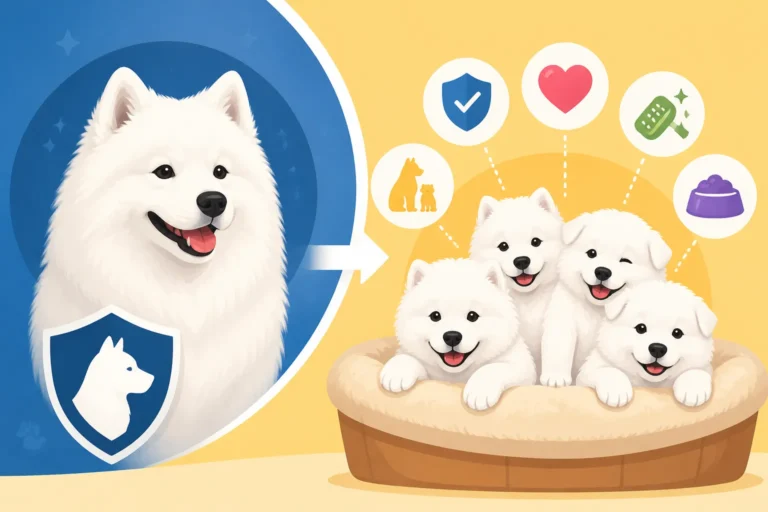
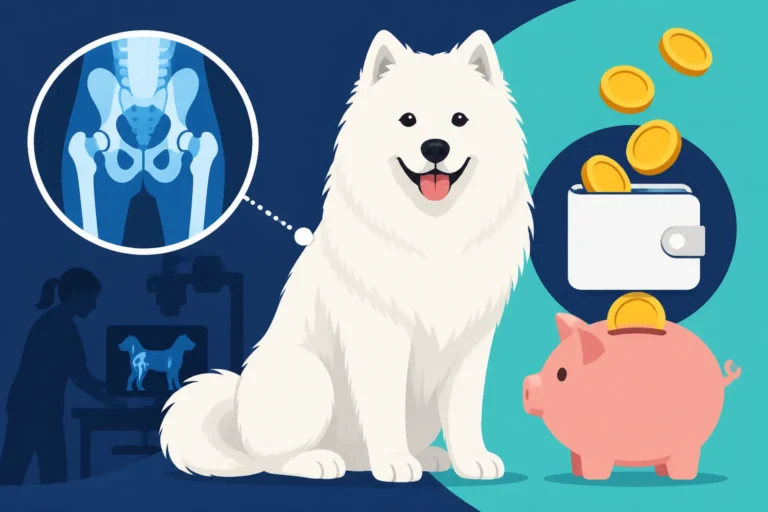
The price tag on a Samoyed puppy from a responsible, reputable breeder can feel quite steep, and for good reason. It reflects the breeder's dedication to the health, temperament, and welfare of their dogs. This isn't just about the cost of feeding the litter; it encompasses the health testing of the parents – crucial screenings for issues like hip and elbow dysplasia, eye certifications, and the all-important DNA test for The Kidney Disease That Kills Samoyed Males Before Fifteen Months. These tests are vital for ensuring you get a healthy puppy with the best possible start in life, and they represent a significant investment on the breeder's part.
Beyond health clearances, reputable breeders also invest in quality nutrition for the mother and puppies, veterinary check-ups for the litter, initial vaccinations, deworming, and sometimes even microchipping. They spend countless hours socializing the puppies, handling them, and beginning early training. When you're looking at a puppy, understand that a lower price often signals that these critical steps might have been skipped, potentially leading to much higher veterinary bills and heartache later on. Always ask about the health tests of both parents and ensure you're getting a puppy from a breeder who is transparent and genuinely cares for their animals, as a cheap Samoyed often skipped crucial health testing like Whether a Samoyed Under Fifteen Hundred Was Health Tested.
Initial Supplies and Setup
Once you've secured your puppy, the shopping list for initial supplies can be surprisingly long. You'll need a quality crate that's appropriately sized for an adult Samoyed, durable food and water bowls, a comfortable dog bed (or several, for different areas of the house), a leash, collar, and harness. Don't forget an array of toys to keep that intelligent Samoyed mind occupied, chew toys to redirect puppy nipping, and grooming tools like brushes, combs, and nail clippers.
Beyond the basics, consider puppy pads for house-training, enzymatic cleaners for inevitable accidents, and baby gates to puppy-proof your home. If you have a yard, you'll need to assess your fencing – remember, Samoyeds are notorious escape artists, so a secure perimeter is crucial, possibly even needing How Tall a Fence a Samoyed Needs or Whether Buried Wire Stops a Samoyed Digging Out. This initial setup can easily add up, but investing in good quality, durable items from the start can save you money in the long run, as they'll withstand the enthusiastic chewing and play of a growing Samoyed.
Daily & Monthly Expenses: The Recurring Budget
Once your Samoyed is home, the regular, ongoing costs become part of your household budget. These are the expenses you'll encounter month after month, year after year, for their entire life. Being prepared for these predictable costs helps maintain a stable and happy home for your fluffy companion.
Food and Treats
Feeding a Samoyed isn't just about throwing down some kibble; it's about providing high-quality nutrition to support their active lifestyle and beautiful coat. The cost of dog food varies significantly based on brand, ingredients, and whether you opt for kibble, wet food, or a fresh food diet. Given their size and energy levels, Samoyeds generally eat a fair amount, so choosing a reputable brand is important. Many owners find that subscription services, such as those offered by Chewy or specialty fresh food providers like Ollie, can be convenient and ensure a consistent supply of quality food delivered right to your door.
Remember that treats aren't just for training; they're also for enrichment and bonding. Factor in the cost of healthy, appropriate treats, especially during those intensive puppy training phases or when working on advanced commands. It's also wise to monitor your Samoyed's weight closely, as an overweight Samoyed is more prone to health issues like diabetes, so portion control and calorie counting for treats become important. Knowing How Many Cups a Day an Adult Samoyed Eats will help you budget accurately.
Ongoing Supplies and Fun
Beyond food, there's a constant need for other supplies. This includes replacing worn-out toys, especially if your Samoyed is a vigorous chewer, and replenishing waste bags, shampoos, and dental care products. Some Samoyed owners also find themselves regularly purchasing new beds, as their dogs often test the durability of even the sturdiest options. Think about seasonal items too – cooling mats for summer, or paw balm for winter walks on icy or salted pavements.
Don't forget the "fun" budget. This might include membership to dog parks (if your Samoyed tolerates them and has reliable recall, which is rare for this breed!), enrollment in obedience classes, or equipment for dog sports like canicross or skijoring. Samoyeds thrive on activity and mental stimulation, so investing in these areas isn't just a luxury; it's essential for their well-being and to prevent destructive boredom behaviors, as a bored Samoyed often does damage to a house.
Health & Veterinary Care: Preparing for the Unexpected
Even with the best breeding and daily care, health issues can arise, and veterinary costs can be substantial. Being prepared for both routine check-ups and unexpected emergencies is a critical part of Samoyed ownership.
Routine Vet Visits and Preventative Care
Regular veterinary check-ups are fundamental to your Samoyed's long-term health. Puppies require a series of vaccinations, deworming, and initial health screenings. As they grow, yearly wellness exams, booster vaccinations, and parasite prevention (heartworm, flea, and tick medications) become standard. These preventative measures are crucial for catching potential issues early and maintaining your Samoyed's overall health. Your vet might also recommend regular urine protein tests, especially if there's any family history of kidney disease, as Why a Samoyed's Urine Should Be Tested Young can help detect issues early.
Dental care is another often-overlooked but vital aspect of preventative health. Regular dental cleanings at the vet, potentially under anesthesia, can prevent painful dental disease that impacts overall health. While these routine costs can be spread out throughout the year, they still add up and should be a firm line item in your budget. Remember, prevention is often less expensive than treating an advanced illness.
Unexpected Illnesses and Emergencies
This is where the financial commitment can become truly daunting. Despite all efforts, Samoyeds can face unexpected illnesses or accidents. Common issues in the breed, like hip dysplasia, certain eye conditions, or even more serious ailments such as bloat, can require extensive diagnostics, surgery, and long-term medication. Diagnoses like Diabetes in a Middle Aged Samoyed require lifelong insulin injections and careful management. Emergency visits, especially after hours, carry a much higher price tag.
This is precisely why many Samoyed owners consider pet insurance. Providers like Healthy Paws offer coverage that can significantly ease the financial burden of large, unexpected veterinary bills. While you'll have a monthly premium and potentially a deductible, having insurance can mean the difference between getting your beloved Samoyed the best possible care immediately and facing impossible financial decisions during a crisis. Researching pet insurance options early, before any pre-existing conditions develop, is highly advisable.
Grooming Essentials: Maintaining That Cloud-Like Coat
The Samoyed's iconic white, fluffy double coat is beautiful, but it's also a high-maintenance affair. Grooming is not just about aesthetics; it's essential for their health, comfort, and cleanliness.
Professional Grooming vs. DIY
You have two main options for grooming your Samoyed: regular professional grooming or committing to doing it yourself at home. Professional grooming, especially during a full coat blow, can be a significant expense, as What a Coat Blow Costs at a Samoyed Groomer often reflects the time and expertise required for thorough de-shedding and drying. A professional groomer has the right tools and knowledge to get down to the skin, preventing mats and ensuring the coat is completely dry, which is critical to avoid skin issues.
Many Samoyed owners, however, learn to groom their dogs at home to save money and bond with their pet. This requires an initial investment in high-quality tools: a powerful force dryer, various brushes and combs (like undercoat rakes and slicker brushes), appropriate shampoos and conditioners, and nail clippers or a dremel. Learning the proper techniques takes time and patience, but it can be a rewarding experience. Even if you groom at home, you might still want a professional de-shedding session once or twice a year to really get ahead of those massive coat blows. Remember, How Often a Samoyed Needs a Professional Groom depends heavily on your at-home routine.
Tools and Products
Whether you go professional or DIY, you'll need to budget for grooming tools and products. For the DIY groomer, the initial outlay for a force dryer alone can be substantial, but it's arguably the most important tool for ensuring your Samoyed's dense undercoat is thoroughly dried after bathing, preventing skin hot spots and matting. Regular purchases will include shampoos designed for double coats or whitening, conditioners to maintain coat health, ear cleaning solutions, and dental products.
Consider additional products like detangling sprays or anti-static sprays, especially in dry climates, to help manage the voluminous coat. Don't forget nail clippers or a grinder for routine nail maintenance – long nails can cause pain and lead to joint issues. Investing in good quality products, available through retailers like Chewy, not only makes the grooming process easier but also helps keep your Samoyed's coat in prime condition, which is a major part of their overall health and well-being.
Training & Enrichment: Shaping a Well-Adjusted Sammy
Samoyeds are intelligent, but also famously independent and can be quite strong-willed. Investing in consistent training and providing ample mental and physical enrichment is crucial for a happy, well-behaved companion.
Puppy Classes and Beyond
Starting with puppy classes is highly recommended. These classes not only teach basic obedience cues but also provide crucial socialization opportunities during a critical developmental period. The cost of these classes is an investment in your puppy's future behavior. Beyond puppyhood, you might opt for intermediate or advanced obedience classes, or even delve into dog sports like agility, rally, or canine good citizen classes. Samoyeds can excel in these activities, and they provide incredible mental and physical outlets.
Even if you choose to train primarily at home, consider investing in private sessions with a professional trainer, especially if you encounter specific behavioral challenges. A behaviorist can be invaluable for issues like the infamous The Samoyed Scream and Why It Is Not Barking or persistent digging. Good training is an ongoing process, not a one-time event, and the costs associated with it are well worth the effort for a well-mannered Samoyed who can safely participate in family life, even if their obedience is often described as "negotiable."
Enrichment Activities and Toys
A bored Samoyed is often a destructive Samoyed. These intelligent dogs need more than just physical exercise; they need mental stimulation to thrive. This means budgeting for a variety of enrichment toys, puzzle feeders, and chew toys. Rotating toys keeps things interesting, and durable options are essential to withstand their strong jaws. Subscriptions for treat-dispensing toys or puzzle boxes can also be a fun, recurring expense.
Beyond toys, consider activities that tap into their natural instincts. Samoyeds were bred to herd and pull, so exploring activities like urban mushing, carting, or even a herding instinct test can be incredibly enriching for them. While some of these activities require specialized equipment and potentially travel to events, they provide an outlet for your Samoyed's innate drives and strengthen your bond. Remember that How Much Exercise a Samoyed Needs goes hand-in-hand with mental enrichment to keep them balanced.
Lifestyle Adjustments: The Cost of Samoyed Living
Having a Samoyed often requires significant adjustments to your home and lifestyle, many of which come with their own financial implications. These aren't just about direct dog expenses, but about adapting your living situation to suit their needs.
Home Modifications and Energy Bills
Living with a Samoyed often means making your home more dog-friendly, and sometimes this involves costs. Secure fencing for your yard is paramount, as Samoyeds are notorious escape artists and can climb, dig, and even open gates. You might need to reinforce existing fences or install new ones to ensure their safety. Inside the home, consider durable flooring that can withstand paw traffic and shedding, as well as sturdy furniture if your Samoyed is allowed on it.
Perhaps one of the most significant lifestyle costs for many Samoyed owners, particularly in warmer climates, is the impact on energy bills. These arctic dogs have incredibly dense double coats, designed for sub-zero temperatures. They need to stay cool, especially during warmer months. This often means running air conditioning more frequently or at lower temperatures than you might otherwise, which can noticeably increase your electricity consumption. Providing adequate shade, cooling mats, and plenty of fresh water is crucial, and understanding What Air Conditioning Adds to a Samoyed Household is key to budgeting.
Travel and Boarding
Your Samoyed will likely become a central part of your family's travel plans. Road trips might mean investing in a spacious crate or car harness for safe transport. If flying, especially with a large Samoyed, costs can be considerable for cargo travel, and certain airlines may have breed restrictions or temperature limitations. These expenses need to be factored into any vacation budget.
When you can't take your Samoyed with you, you'll need reliable and safe care. Boarding kennels, pet sitters, or in-home care services all come with a price tag. Because of their need for social interaction and specific care requirements (like extensive grooming and climate control), boarding a Samoyed can sometimes be more expensive than for other breeds. Finding a reputable facility or sitter that understands the needs of a Samoyed is essential, and this expertise often comes at a premium.
Senior Care & End of Life: The Golden Years and Beyond
As your Samoyed ages, their needs will change, and often, the associated costs will increase. Providing compassionate care in their golden years and preparing for their eventual passing is a final, significant financial and emotional commitment.
Managing Age-Related Health Issues
Just like people, older Samoyeds are more prone to a variety of health issues. Arthritis in an older Samoyed is common, requiring pain management, joint supplements, or even specialized diets. Dental disease can become more prevalent, necessitating more frequent cleanings. You might also encounter conditions like Signs a Samoyed's Thyroid Has Failed, kidney disease (even beyond hereditary forms), or vision problems such as cataracts. These conditions often require more frequent veterinary visits, diagnostic tests, and ongoing medications.
Managing these age-related health challenges can significantly increase your monthly veterinary expenses. Many owners find themselves consulting specialists, such as veterinary orthopedists or internists, which adds another layer of cost. The goal is always to maintain their quality of life for as long as possible, but this often comes with a financial commitment to support their comfort and well-being during their senior years. Regular check-ups become even more crucial, as a Samoyed is adept at How a Samoyed Hides Illness Behind a Smile.
End-of-Life Planning
While it's a difficult topic to consider, preparing for the end of your Samoyed's life is a compassionate part of ownership. Euthanasia, cremation or burial, and memorial items all incur costs. Many veterinary clinics offer at-home euthanasia services, which can provide a peaceful, dignified passing in the comfort of your Samoyed's familiar environment, though this service typically carries a higher fee.
Choosing between communal or private cremation, or opting for a home burial (where permitted), will also impact the final costs. Many owners also decide to purchase urns, memorial paw prints, or other keepsakes to honor their beloved companion. While these are intensely personal decisions, being aware of the potential expenses can help ease some of the burden during an already heartbreaking time. It's a final act of love and respect for the years of joy they've brought into your life.
The True Value: Beyond the Dollar Signs
While we've meticulously broken down the financial aspects of owning a Samoyed for thirteen years, it's crucial to remember that the true value of these dogs goes far beyond any monetary figure.
Time and Emotional Investment
The financial costs, though significant, are only one part of the equation. The time and emotional investment you put into your Samoyed are arguably even more substantial. Samoyeds are incredibly social dogs who thrive on companionship. They need consistent attention, daily exercise, regular training, and abundant love. This means dedicating hours each day to walks, playtime, grooming, and simply being present with them. They will follow you from room to room, yearning for interaction, embodying Why a Samoyed Wants to Be in the Room With You.
The emotional connection you forge with your Samoyed is profound. They become cherished family members, bringing immense joy, laughter, and comfort. They are there for you through thick and thin, offering unconditional love and a wagging tail. This deep bond requires patience, understanding, and a willingness to navigate their independent quirks and vocal expressions. The time you spend building this relationship is an investment in happiness that yields immeasurable returns.
The Priceless Bond
The joy a Samoyed brings into your life is truly priceless. From their famous "Samoyed smile" to their playful antics and unwavering loyalty, they enrich our lives in countless ways. They push us to be more active, to explore the outdoors, and to live in the moment. They teach us about patience, resilience, and unconditional love. They are fluffy therapists, confidantes, and best friends all rolled into one.
While the financial commitment of owning a Samoyed for thirteen years is considerable, it's an investment in a companion who will fill your home with warmth, laughter, and a unique, effervescent spirit. The memories you create, the bond you share, and the lessons they teach you are treasures that money simply cannot buy. Understanding the financial responsibility upfront simply allows you to embrace the entire journey with confidence and provide your Samoyed with the happy, healthy life they deserve.
Estimated Costs Over a Samoyed's Lifetime (Illustrative)
This table provides a generalized overview of potential costs. Actual expenses will vary widely based on location, choices of food/services, and individual dog's health.
| Category | Initial (First Year) | Annual (Years 2-12) | Senior (Year 13+) | Total Lifetime (Est. 13 Years) |
|---|---|---|---|---|
| Purchase/Adoption | Significant | N/A | N/A | Significant |
| Initial Setup/Supplies | Moderate to High | N/A | N/A | Moderate to High |
| Food & Treats | Moderate | Moderate | Moderate | Substantial |
| Routine Vet Care | Moderate to High | Moderate | High | Substantial |
| Preventative Meds | Moderate | Moderate | Moderate | Substantial |
| Grooming (Pro/DIY) | Moderate | Moderate | Moderate | Substantial |
| Training/Enrichment | Moderate | Low to Moderate | Low | Moderate |
| Pet Insurance/Savings | Moderate (Optional) | Moderate (Optional) | High (Optional) | Substantial (Optional) |
| Miscellaneous (Toys, License, etc.) | Low | Low | Low | Moderate |
| Emergency Fund/Unexpected Illness | Allocate | Allocate | Allocate | Highly Variable |
| End-of-Life | N/A | N/A | Moderate | Moderate |
Note: "Significant" indicates a potentially large one-time cost. "Substantial" indicates a large cumulative cost over the lifetime.
Disclaimer
This article is for general informational purposes only and does not constitute professional advice. Laws, prices and regulations vary by location and change over time. Consult a qualified professional for guidance on your specific situation.