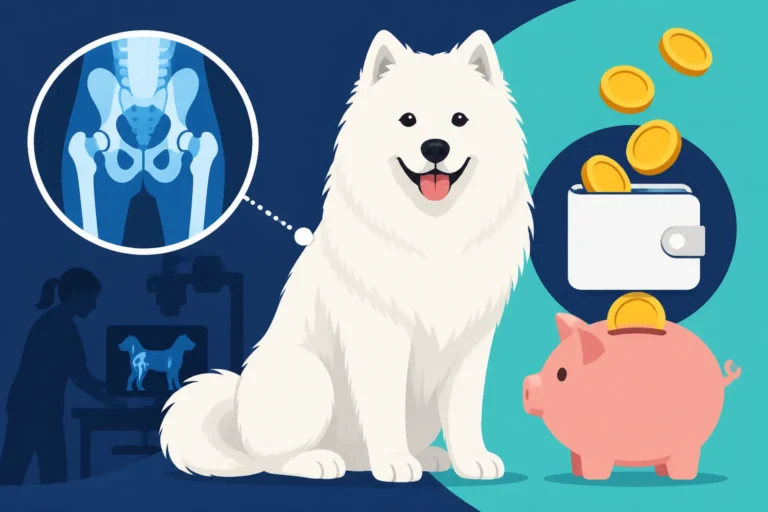
What a Samoyed Puppy Costs in 2026
That gorgeous, smiling Samoyed face captures hearts, doesn't it? It's easy to get swept up in the dream of owning one of these magnificent dogs, imagining snowy romps and endless cuddles. But before that fluffy puppy arrives, many aspiring owners grapple with the significant financial realities. The sticker shock isn't just about the initial purchase price; it's about the ongoing commitment to their unique needs. This guide is here to unravel the various costs associated with bringing a Samoyed puppy into your life and sustaining their well-being, helping you prepare for a truly rewarding, albeit financially involved, journey.
The Initial Purchase Price: What Drives the Cost of a Samoyed Puppy
When you start looking for a Samoyed puppy, you'll quickly notice a wide range of prices. It’s not just arbitrary; several key factors contribute to the initial cost of acquiring one of these beautiful dogs, and understanding them is crucial for finding a healthy, well-adjusted companion. Skimping here can often lead to far greater expenses down the line, both financially and emotionally.
Breeder Reputation and Health Testing
A significant portion of a responsible breeder's price tag goes towards ensuring the health and genetic soundness of their puppies. This isn't just a nicety; it's a critical investment. Reputable Samoyed breeders diligently screen their breeding stock for genetic conditions prevalent in the breed. This includes hip and elbow evaluations through organizations like the Orthopedic Foundation for Animals (OFA) to check for conditions like Hip Dysplasia in a Samoyed. They also conduct thorough eye exams with a veterinary ophthalmologist to rule out inherited eye conditions such as Progressive Retinal Atrophy in a Samoyed or Retinal Dysplasia in a Samoyed.
Beyond the common orthopedic and eye screenings, a truly dedicated Samoyed breeder will also perform DNA testing for critical breed-specific issues, most notably Samoyed Hereditary Glomerulopathy (SHG). This is a devastating kidney disease that primarily affects male Samoyeds, often leading to kidney failure before they reach fifteen months of age. Understanding Why Samoyed Hereditary Glomerulopathy Only Devastates the Boys is vital. The COL4A5 Test Every Samoyed Buyer Should Ask About is available to identify carriers and affected dogs, allowing breeders to make informed decisions and avoid producing affected puppies. These tests are not cheap, and they add to the breeder's overhead, which is naturally reflected in the puppy's price. However, this upfront investment significantly reduces your risk of facing heartbreaking and incredibly expensive veterinary treatments for these conditions later on. You should always ask about The Health Tests Both Samoyed Parents Should Have before committing to a puppy.
Pedigree and Showing/Working Lines
Another factor influencing the cost is the puppy's lineage and the achievements of its parents. Puppies from parents with distinguished pedigrees, meaning they have a history of champions in conformation shows or have earned titles in performance events like obedience, agility, or sledding, often command higher prices. These titles aren't just for bragging rights; they signify that the parents exemplify the breed standard in terms of temperament, structure, and working ability. For example, if a puppy comes from parents who are titled sled dogs, you're paying for a proven genetic predisposition for traits like endurance, drive, and biddability in harness, even if you just plan to enjoy leisurely walks.
While you might only be seeking a beloved family pet, choosing a puppy from these well-established lines often comes with an implicit assurance of quality. Breeders who campaign their dogs in shows or working events are usually deeply committed to the breed's health, temperament, and adherence to the standard. They're investing substantial time and money into proving their dogs, and this dedication translates into carefully planned litters. Whether you're interested in showing your Samoyed or simply want a companion with predictable health and a sound temperament, understanding What a Show Bred Samoyed Costs versus What a Working Bred Samoyed Costs can help you set realistic expectations for the initial investment.
Geographic Location and Demand
The price of a Samoyed puppy can also vary considerably depending on your geographic location and the local demand for the breed. In areas where Samoyeds are particularly popular or where there are fewer reputable breeders, prices tend to be higher due to basic supply and demand principles. Conversely, you might find slightly lower prices in regions with more breeders or less overall interest, though caution is always advised against anything that seems "too good to be true."
It's not uncommon for reputable Samoyed breeders to have lengthy waiting lists, sometimes extending for a year or more. This is often a sign of a high-quality breeding program that is in high demand, and it reflects the breeder's careful planning rather than a rushed production of puppies. Be prepared to place a non-refundable deposit to secure your spot on such a list. Understanding How Long a Samoyed Waitlist Runs can help you plan your timeline. While most deposits are non-refundable to ensure serious commitment, it's always wise to clarify Whether a Samoyed Deposit Is Refundable with the breeder before handing over any money. A responsible breeder will be transparent about their pricing structure, what the cost includes (e.g., initial vaccinations, microchipping, health guarantee), and why their puppies are priced as they are.
Essential First-Year Expenses Beyond the Puppy Price
The moment you bring your Samoyed puppy home, the financial faucet doesn't stop. In fact, the first year is often one of the most expensive, packed with essential veterinary care, stocking up on supplies, and establishing good habits. Many new owners are caught off guard by the sheer volume of these initial costs.
Initial Veterinary Care and Vaccinations
One of the most immediate and significant first-year expenses will be your puppy's initial veterinary care. Even if your breeder sends your puppy home with their first set of shots, your Samoyed will need a series of follow-up vaccinations, deworming treatments, and regular vet check-ups throughout their first few months. This "puppy package" is crucial for building their immunity against common canine diseases. Your veterinarian will also listen to your puppy's heart, checking for any murmurs that could indicate conditions like Subaortic Stenosis in a Samoyed; it's important to understand Why a Samoyed Puppy's Heart Should Be Listened To early on.
Beyond the initial puppy series, you'll need to budget for spaying or neutering, typically performed around six months to a year of age. This surgical procedure, while routine, is a significant cost. Additionally, microchipping is highly recommended for permanent identification and often required by breeders or local regulations; it's a one-time fee that can be invaluable should your Samoyed ever get lost. Don't forget ongoing preventative care like monthly flea, tick, and heartworm medications, which are essential regardless of the season or your location.
Food, Bowls, and Treats
Fueling a growing Samoyed puppy requires a significant investment in high-quality food. Puppies have specific nutritional needs to support their rapid development, and choosing a premium puppy-specific formula is crucial. You'll find a spectrum of options, from high-quality kibble to fresh food delivery services. While a brand like Ollie offers convenient, tailored fresh food meals, these often come at a higher price point than traditional kibble. However, many owners find the investment worthwhile for the potential health benefits and palatability.
When calculating costs, remember that Samoyeds grow quickly and will consume a fair amount of food. While they might seem like efficient eaters for their size, their caloric needs during growth are substantial. In addition to food, you'll need sturdy, easy-to-clean food and water bowls. Stainless steel is often recommended for hygiene and durability. Treats are also a must, especially for positive reinforcement during puppy training sessions. Choose healthy, digestible options, and factor these into your monthly budget. It's important to monitor How Many Cups a Day an Adult Samoyed Eats once they transition to adult food, and to feed for slow, steady growth rather than rapid weight gain; learning Whether a Samoyed Puppy Should Grow Slowly can help prevent future joint issues.
Crates, Beds, and Basic Supplies
Preparing your home for a new Samoyed puppy means stocking up on essential supplies. A crate is often indispensable for house-training, providing a safe den, and managing your puppy when you can't supervise them directly. Samoyeds grow into large dogs, so you'll need a appropriately sized crate, or a series of crates that grow with your puppy. Make sure to consider What a Crate Sized for a Samoyed Costs. A comfortable, durable dog bed that fits inside or outside the crate is also a must; knowing What a Bed for a Samoyed Costs can help you budget. Look for washable options, as puppies can be messy!
Beyond the basics, you'll need a leash, collar, and harness. Given a Samoyed's strong pulling instinct, investing in a good quality no-pull harness or a sturdy walking harness is often a wise choice. Toys are another critical expense, and you'll want a variety of safe, durable chew toys to redirect puppy biting and keep them entertained. Samoyeds can be powerful chewers, so choose toys wisely to prevent them from being destroyed quickly. You'll also need basic grooming tools for their legendary double coat, such as a slicker brush, an undercoat rake, and nail clippers. Many owners find online retailers like Chewy to be a convenient and cost-effective source for these initial supplies, offering a wide selection and competitive pricing.
The Ongoing Financial Commitment: Lifetime Care
Owning a Samoyed is a long-term commitment, typically spanning The Twelve to Fourteen Years a Samoyed Lives. This means many of the costs you incur in the first year will continue, and some will even increase, as your dog matures. Planning for these recurring expenses is essential for providing a happy, healthy life for your fluffy companion.
Food and Nutrition Choices
As your Samoyed transitions from puppyhood to adulthood, their dietary needs will shift. You'll need to move from puppy-specific food to an adult formula, and potentially a senior formula later in life. The cost of food will remain one of your largest ongoing expenses. High-quality dog food, whether kibble, canned, or fresh, provides the essential nutrients for their health, coat condition, and energy levels. While the initial investment in a premium brand might seem higher, it can often lead to better digestion, fewer health issues, and a healthier coat, potentially saving on vet bills down the line.
Some owners opt for fresh food diets or subscription services like Ollie, which can be more expensive per month but offer tailored nutrition and often higher-quality ingredients. Regardless of your choice, remember that a Samoyed's weight needs careful monitoring. They can gain weight easily, especially after being spayed or neutered, which can predispose them to conditions like Diabetes in a Middle Aged Samoyed. Knowing How Much a Samoyed Should Eat and adjusting their portions as needed is vital for their long-term health. Regularly reviewing What Feeding a Samoyed Costs Each Month will help you manage your household budget effectively.
Grooming Essentials and Professional Services
The Samoyed's magnificent double coat is not just for show; it's a vital insulator against both cold and heat. However, maintaining that glorious white fluff requires a significant grooming commitment. You'll need to invest in quality grooming tools, including a sturdy slicker brush, an undercoat rake, and a high-velocity force dryer. A force dryer is particularly important for thoroughly drying their dense coat after baths, preventing hot spots and skin infections. Understanding What a Force Dryer Costs a Samoyed Owner might initially seem high, but it's a one-time investment that pays off over years.
Even with diligent home grooming, many Samoyed owners opt for professional grooming several times a year, especially during their intense "coat blowing" seasons. A full professional groom includes bathing, drying, deshedding, nail trimming, and ear cleaning, and it can be quite an expense. Learning How Often a Samoyed Needs a Professional Groom and budgeting for What Grooming a Samoyed Costs Each Visit is crucial. Regular professional grooming can prevent painful matting, reduce shedding in your home, and ensure your Samoyed's skin remains healthy beneath that dense coat. Remember, their coat is insulation, not just decoration, so proper care is paramount.
Routine Veterinary Visits and Preventative Care
Throughout your Samoyed's life, routine veterinary care is paramount for maintaining their health and catching any issues early. This includes annual wellness exams, where your vet will perform a physical check-up, update any necessary vaccinations, and discuss preventative strategies. As your Samoyed ages, these annual visits become even more critical.
Preventative care extends beyond vaccinations to ongoing parasite control (flea, tick, and heartworm medications), and potentially annual bloodwork. For instance, some veterinarians recommend Whether a Samoyed Needs Yearly Kidney Bloodwork or Whether a Samoyed Needs Yearly Thyroid Bloodwork, especially as they reach middle age. Dental care is also a significant ongoing expense; regular tooth brushing at home is ideal, but many Samoyeds will require professional dental cleanings under anesthesia at some point in their lives. These procedures help prevent periodontal disease, which can lead to more serious health problems if left untreated. These routine but essential veterinary services are recurring costs that you must factor into your long-term budget.
Planning for the Unexpected: Health and Lifestyle Costs
Even with the best preventative care, life with a Samoyed inevitably brings unexpected expenses. From sudden illnesses to travel plans, these unforeseen costs can quickly add up, making a proactive financial strategy absolutely essential.
Pet Insurance or Emergency Fund
One of the most valuable investments you can make for your Samoyed's future is either a comprehensive pet insurance policy or a robust emergency savings fund. Pet insurance, from providers like Healthy Paws, can significantly mitigate the financial blow of unexpected accidents, illnesses, or major surgeries. Policies vary widely in terms of deductibles, reimbursement percentages, and what they cover (or exclude), so it's vital to research thoroughly. Many policies, for example, do not cover pre-existing conditions, so insuring your Samoyed while they are young and healthy is often the most financially savvy approach. Consider What Insuring a Samoyed Costs Monthly and understand Whether Insurance Excludes a Samoyed's Kidneys or other known breed issues.
Alternatively, building a dedicated emergency fund specifically for your Samoyed's medical needs gives you the flexibility to cover unexpected costs without relying on insurance. This might involve setting aside a certain amount each month into a separate savings account. The choice between insurance and self-funding often comes down to personal financial comfort and risk tolerance, but having something in place is non-negotiable for responsible Samoyed ownership. You never want to be in a position where you have to make difficult medical decisions based solely on financial constraints.
Managing Health Conditions
Despite the best breeding practices and preventative care, Samoyeds, like all living beings, can develop health issues. We've discussed The Kidney Disease That Kills Samoyed Males Before Fifteen Months, but other conditions can arise. For instance, older Samoyeds may develop Diabetes in a Middle Aged Samoyed, requiring daily insulin injections and careful dietary management. This comes with substantial ongoing costs, including insulin itself and regular vet visits to manage the condition. What Insulin Costs a Samoyed Owner Every Month for Life is a serious consideration for owners of diabetic Samoyeds.
Other potential health conditions include hypothyroidism, various cancers, or orthopedic issues like arthritis in older dogs. Diagnosing these conditions often involves expensive tests like blood panels, X-rays, ultrasounds, or even specialized consultations. Treatment can range from daily medications to specialized prescription diets (which you can often find at Chewy or other online retailers), physical therapy, or surgery. For some conditions, such as kidney disease, specialized diets can help, and understanding Whether a Renal Diet Extends an Affected Samoyed's Life might mean significant changes to your food budget. These unforeseen medical expenses are a prime example of why an emergency fund or pet insurance is so crucial.
Boarding, Pet Sitting, and Travel
Life happens, and sometimes you need to travel without your Samoyed. This introduces another set of potential expenses: boarding or pet sitting. Boarding kennels offer a safe, supervised environment, but costs can vary dramatically based on location, amenities, and the length of your stay. Given a Samoyed's dense coat, finding a boarding facility that can keep them cool and comfortable, especially in warmer climates, is a critical consideration. You might also want to ask Whether Boarding Kennels Take Samoyeds and if they have experience with the breed's specific grooming and exercise needs.
Alternatively, hiring a pet sitter who comes to your home can be a less stressful option for some Samoyeds, allowing them to remain in their familiar environment. This often comes at a daily rate, which can add up quickly for longer trips. If you plan to travel with your Samoyed, factor in costs like pet-friendly accommodations, airline pet fees (if flying), and potentially larger vehicle requirements. Be sure to budget for What Boarding a Samoyed Costs Per Night as part of your overall ownership plan.
Enriching Your Samoyed's Life: Training and Activities
A Samoyed isn't just a beautiful ornament; they are intelligent, active, and social dogs who thrive on engagement and purpose. Investing in their training and providing outlets for their natural instincts isn't just about good behavior; it's about their overall mental and physical well-being.
Puppy Classes and Ongoing Training
The journey to a well-behaved Samoyed begins with early socialization and puppy classes. These classes are invaluable for exposing your puppy to new sights, sounds, people, and other puppies in a controlled environment. While Samoyeds are intelligent, they are also known for their independent, sometimes stubborn, streak. They can find obedience "negotiable," so early training is paramount. Understanding Whether Puppy Class Is Enough for a Samoyed is a common concern, but often, it's just the beginning.
After puppy class, enrolling in basic obedience, and potentially intermediate or advanced classes, is highly recommended. Consistent positive reinforcement training helps build a strong bond between you and your Samoyed and teaches them appropriate behaviors. Private training sessions or specialized classes for specific issues like recall or leash manners might also be necessary. Budgeting for What Training Classes Cost a Samoyed Owner is an investment in a calm, confident, and well-adjusted companion, and it can help prevent behavioral problems that could be even more costly to address later.
Activities and Gear for a Working Breed
Samoyeds were originally bred as working dogs, pulling sleds, herding reindeer, and sleeping with their nomadic human families for warmth. This heritage means they have an innate drive for activity and mental stimulation. Providing outlets for these instincts is crucial for their happiness and can prevent destructive behaviors stemming from boredom. Activities like canicross (running with your dog), bikejoring (biking with your dog), or even recreational sledding (dryland carting if you don't have snow) can be incredibly fulfilling for a Samoyed.
These activities, however, require specialized gear. A proper pulling harness, a bungee line, and a hands-free belt for canicross, or a bikejor attachment for cycling, are necessary investments. While you might not be competing, even recreational participation can require a financial commitment for the gear. Learning about What a Sled and Harness for a Samoyed Cost can illustrate the potential for specialized equipment. Many Samoyeds also excel in dog sports like agility, a fantastic way to engage both their minds and bodies. If you're wondering Whether a Samoyed Can Do Agility, the answer is often yes, with consistent, positive training.
Toys, Chews, and Mental Stimulation
A bored Samoyed is often a destructive Samoyed. Their intelligence and energy levels mean they need plenty of mental stimulation to prevent them from inventing their own (often unwelcome) entertainment, like digging up your yard or chewing on furniture. Budgeting for a variety of toys, including durable chew toys, puzzle toys, and interactive feeders, is essential. Rotate their toys regularly to keep things fresh and interesting.
Puzzle toys, which dispense treats as your Samoyed solves them, are excellent for mental enrichment. Durable chew toys are vital for keeping their teeth clean and satisfying their natural urge to chew. Don't underestimate the cost of replacing toys regularly, especially if you have a strong chewer. This investment in toys and enrichment tools is far cheaper than repairing damage caused by a bored Samoyed, which is why understanding What a Bored Samoyed Does to a House is important. Providing plenty of appropriate outlets for their energy and intelligence will lead to a happier, better-behaved dog and a happier home.
Here's a quick overview of some common costs:
| Category | Initial Puppy Phase (First Year) | Ongoing Annual Costs (Average) | Notes |
|---|---|---|---|
| Puppy Purchase | Varies widely (check breeder for specifics) | N/A | Influenced by breeder reputation, health testing, pedigree, and geographic location. Expect higher costs for well-vetted puppies. |
| Vet Care & Vaccinations | Substantial (initial exams, full vaccine series, deworming, spay/neuter, microchip) | Moderate (annual exams, boosters, parasite prevention) | First year includes major one-time procedures. Preventative care like heartworm medication is monthly. |
| Food & Treats | Moderate to High (premium puppy food, training treats) | Moderate to High (premium adult food, specialty diets as needed) | Quality food is a cornerstone of health. Costs increase with fresh food options or specific dietary needs. |
| Grooming Supplies/Services | Moderate (brushes, combs, nail clippers, puppy shampoo) | Moderate to High (replacement tools, professional grooms 2-4x/year, force dryer maintenance) | Samoyeds need significant grooming. A force dryer is a worthwhile investment. Professional grooming during coat blows can be expensive. |
| Crate, Bed, Collar, Leash | Moderate (appropriate-sized crate, durable bed, sturdy walking gear) | Low (replacements as needed) | Invest in quality items from the start to avoid frequent replacements. |
| Toys & Enrichment | Moderate (variety of durable chew toys, puzzle toys) | Moderate (regular rotation and replacement of toys) | Essential for mental stimulation and preventing destructive behaviors. Look for tough toys for strong chewers. |
| Pet Insurance/Emergency Fund | Initial setup costs/first premiums | Moderate (monthly premiums or consistent savings contributions) | Crucial for covering unexpected medical emergencies or chronic illnesses. Premiums vary widely. |
| Training & Classes | Moderate (puppy classes, basic obedience) | Low to Moderate (advanced classes, refreshers, specialized workshops) | Investment in a well-behaved, socialized dog. Can vary based on your engagement level and your Samoyed's specific needs. |
| Miscellaneous (Boarding, etc.) | Low (occasional pet sitting) | Low to Moderate (boarding during vacations, unexpected pet sitting needs) | Varies greatly based on lifestyle. Boarding a Samoyed in a hot climate may require specialized facilities. |
Remember, these are general estimates, and actual costs will vary based on your location, choices, and your Samoyed's individual needs.
Disclaimer
This article is for general informational purposes only and does not constitute professional advice. Laws, prices and regulations vary by location and change over time. Consult a qualified professional for guidance on your specific situation.